Communication News
Expert commentary on the communication events shaping business, politics, culture, and technology.

Canfield Fair Rhetoric: What Ohio Politicians Got Wrong
At the Canfield Fair in Ohio, a confrontation unfolded that thrust the rhetoric of the state's governor's race into the public spotlight. Two political worlds collided in a very public, very uncontrolled setting, drawing attention to how candidates and their surrogates speak when the audience is not a curated crowd but ordinary people living their lives. The incident immediately became a flashpoint about tone, intent, and the cost of words chosen poorly.

How to Respond to a Workplace Complaint the Right Way
A workplace attorney recently went on record about how drastically the complaint landscape has shifted for employers. Workers now arrive at HR conversations armed with legal knowledge, lawyers are looping in earlier than ever, and the regulatory ground keeps moving. The message was direct: how a company responds to a complaint in the first hours matters more than any policy manual sitting on a shelf.

Gap CEO Proves Why Story Beats Data in Leadership
Gap's CEO recently made a deliberate move to tie the brand's cultural identity to specific, measurable turnaround targets. Rather than leaning on vague promises of revival, she connected Gap's place in popular culture directly to financial and operational goals. It was a calculated communication choice, and it's worth unpacking why it worked.

AI Feedback Tools Need Manager Accountability
Companies are increasingly deploying AI tools to help managers write performance reviews, identify behavioral patterns, and score employees. The technology promises more consistent, better-prepared feedback conversations. But the shift raises a sharp question: when an algorithm shapes what a manager says about your work, who actually owns that conversation? Employees and HR leaders are now grappling with where the machine ends and human accountability begins.
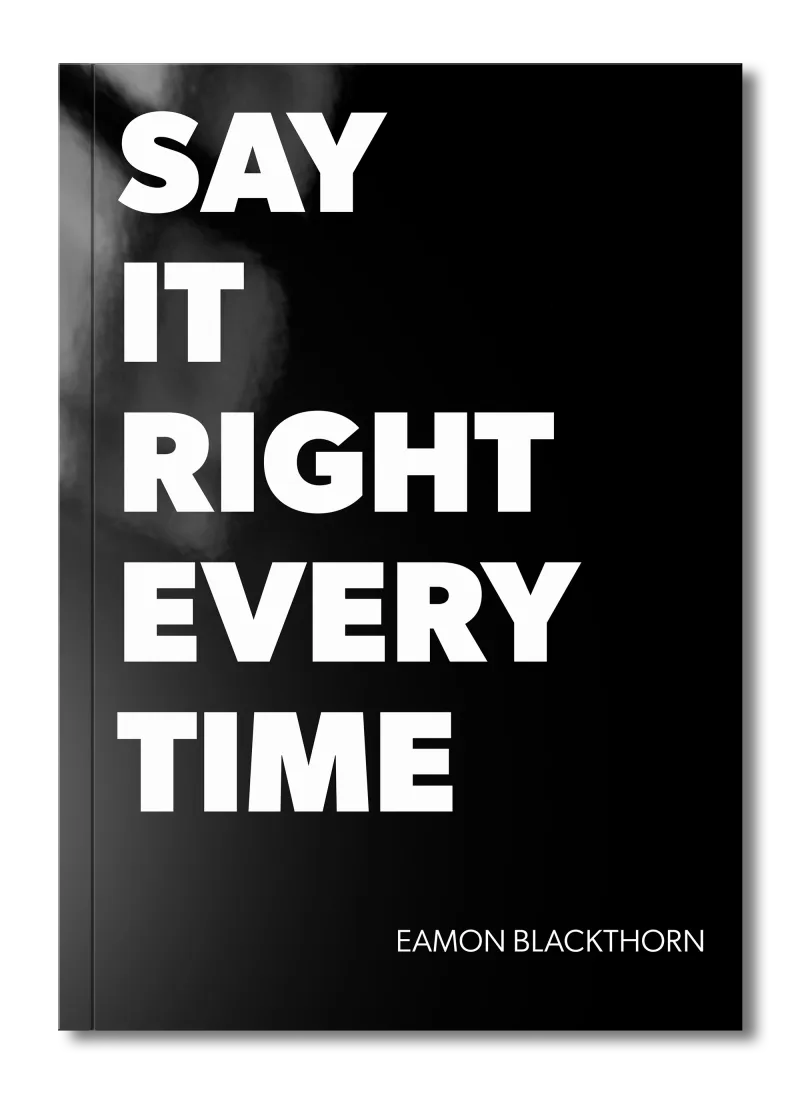
Never Be Lost for Words Again
Get word‑for‑word scripts for the conversations that shape your life, from job interviews and negotiations to difficult talks with family and partners, so you always know exactly what to say and how to say it.
Never Be Lost
for Words Again
Get word‑for‑word scripts for the conversations that shape your life, from job interviews and negotiations to difficult talks with family and partners, so you always know exactly what to say and how to say it.

PR Has a Communication Problem About PR Itself
About 60 public relations and strategic communication professionals gathered in Kuching for The PR Show 2026, a forum built around a pointed question: what exactly is PR beyond getting people into newspapers? The event challenged practitioners to examine their role in leadership, reputation, and trust, and pushed the conversation well past the traditional definition of publicity. It was, in short, the industry talking hard to itself.

What CPF Board Got Right About Employee Communication
Singapore's CPF Board made a deliberate shift in how it shapes its workplace culture. Instead of handing employees a finished product, HR Director Dorcas Fong and her team brought staff into the design process itself. The result was higher engagement and genuine employee ownership of the changes. This was not a feel-good initiative. It was a structural communication decision with measurable impact. ---

Breach Fatigue: Why Your Team Stopped Listening
Australia's cybersecurity crisis is accelerating. The Australian Signals Directorate recorded over 84,700 cybercrime incidents in its latest annual report, alongside more than 42,500 calls to the national hotline, a 16 percent jump from the previous year. Threats are rising. Employee attention is not.

The Modern CEO Must Communicate Like a Media Platform
Something fundamental has shifted in how chief executives are expected to show up publicly. The modern CEO is no longer evaluated only on earnings calls and shareholder letters. They are now expected to operate as a full media presence: publishing opinions, building audiences, and speaking directly to customers, employees, and the public on a continuous basis. The era of the invisible executive is over.
Never Be Lost for Words Again
Get word‑for‑word scripts for the conversations that shape your life, from job interviews and negotiations to difficult talks with family and partners, so you always know exactly what to say and how to say it.
Never Be Lost
for Words Again
Get word‑for‑word scripts for the conversations that shape your life, from job interviews and negotiations to difficult talks with family and partners, so you always know exactly what to say and how to say it.

One Bad Quarter Can Erase a Year of Reputation Work
New research confirms what experienced crisis managers already know: in certain industries, a single quarter of poor reputation management wipes out the goodwill built over an entire year of doing things right. The industries most exposed include finance, healthcare, and consumer goods, where trust is the actual product. One bad stretch of silence, spin, or tone-deaf messaging can cost more than twelve months of careful, consistent communication.

Harvard's Remote Team Tips: What They Got Wrong
Harvard Business School Online recently published a list of twelve tips aimed at helping managers lead distributed teams more effectively. The piece targets professionals navigating the ongoing shift toward remote and hybrid work. It represents the kind of authoritative institutional advice that gets forwarded around corporate Slack channels and filed away under "good intentions" without much follow-through.

Brand Crisis Communication: What Works vs. What Fails
Shopify published a 2026 guide on brand crisis management, outlining how companies can navigate public relations disasters. The guide addresses the reality that brands face unexpected crises regularly, from product failures to public scandals, and that how they respond often matters more than the crisis itself. The difference between survival and collapse frequently comes down to communication strategy.

Why Your Comms Leader Should Be in the Boardroom
Corporate communications leaders are no longer the people who polish press releases and manage bad headlines. A visible shift is underway in business leadership: the communications function has moved from the edges of the org chart to the center of strategic decision-making. Companies are recognizing that how they say something is inseparable from what they decide to do.

How Turning an Insult Into a Movement Works

What Remote Team Advice Always Gets Wrong

Executive Presence: The Communication Skills That Actually Work

When Family Pressure Threatens Your Best Employee

£51.2 Billion Workplace Conflict: A Communication Fix

When Defending Someone Makes Things Worse

What the WA Nurses Union Meltdown Teaches About Communication