

What Happened
Hull City owner Acun Ilicali and the head of Polish club Pogoń Szczecin have traded increasingly sharp public statements over a sporting director both clubs apparently want. What started as a personnel dispute has become a full-blown reputational skirmish, playing out in front of fans, press, and potential future partners. Neither side appears to have a plan for how this ends.
The Communication Angle
Picture two people arguing in a crowded restaurant. Neither is wrong about the facts. Both are completely wrong about the venue.
That is exactly what is happening here. Acun Ilicali built his brand on being colorful, direct, and fan-facing. It has worked beautifully in certain contexts. But there is a difference between being bold and being reactive. The moment this dispute moved into public statements, both clubs stopped negotiating and started performing. And performing for a crowd never gets you what you actually need.
The core failure is one I see constantly in high-stakes professional disputes: the parties confuse visibility with leverage. They believe that speaking loudly and publicly forces the other side to back down. It almost never does. What it actually does is harden positions. Once you have said something in front of an audience, backing down feels like losing. So neither side backs down. The argument escalates. And the person everyone was fighting over quietly updates their own opinion of both organizations.
Think about the target here: a sporting director being courted by two clubs. This is a professional evaluating where to build his career. He is watching both owners communicate under pressure. What he is seeing is one club air grievances publicly, and another respond in kind. Neither picture says "stable organization with mature leadership." Candidates at that level want to join a club that handles difficulty with composure. This public spat just handed him a reason to hesitate, or walk away entirely.
The right move, from the first moment tension appeared, was a short and boring public statement: "We don't discuss ongoing personnel matters publicly." That is it. Boring wins. Boring keeps your options open. Boring does not give the other side material to react to. Instead, both parties kept feeding the fire, each new statement giving the other a fresh excuse to respond. This is how wars of words work. Nobody starts them intending to go this far. They just keep answering.
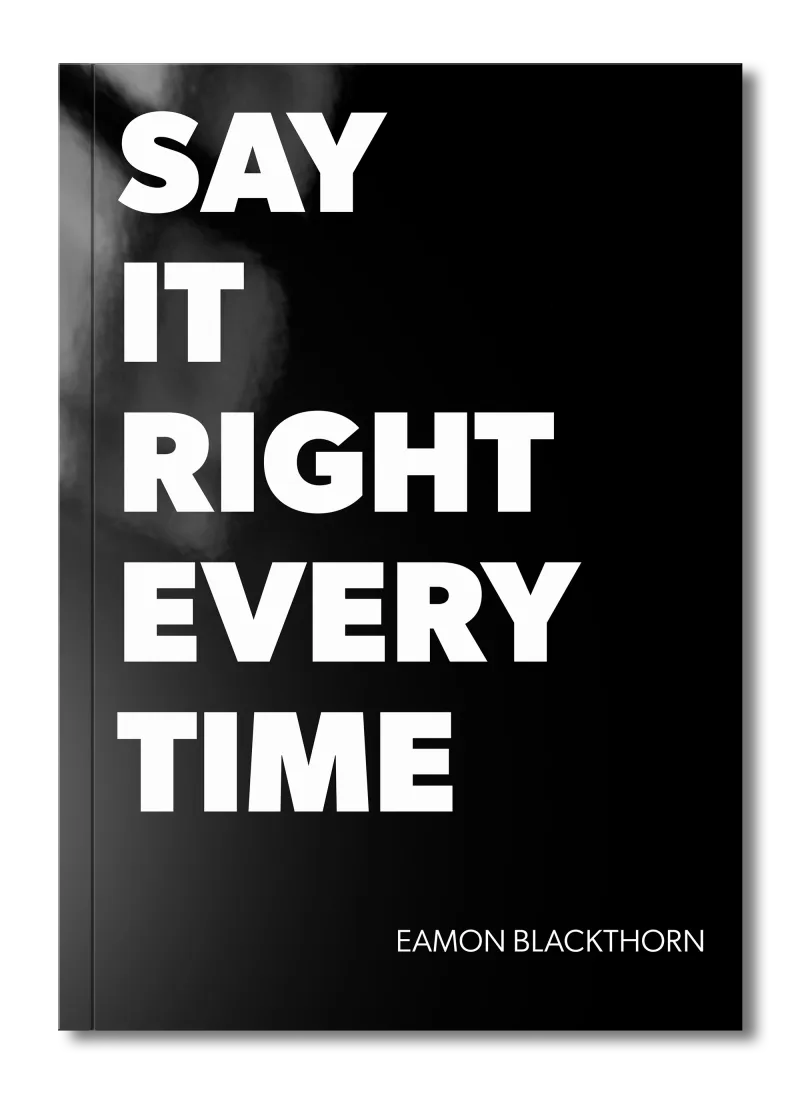
This is exactly the kind of scenario I break down in Say It Right Every Time. The chapter on high-pressure responses gives you a framework for separating your emotional reaction from your strategic message. The gap between those two things is where most public disputes are won or lost. Learning to pause in that gap, even for ten minutes, is a skill you can build. Most people never try.
Never Be Lost
for Words Again
Get word‑for‑word scripts for the conversations that shape your life, from job interviews and negotiations to difficult talks with family and partners, so you always know exactly what to say and how to say it.
Never Be Lost
for Words Again
Get word‑for‑word scripts for the conversations that shape your life, from job interviews and negotiations to difficult talks with family and partners, so you always know exactly what to say and how to say it.
Key Takeaway
Before you respond publicly to any professional dispute, ask yourself one question: does saying this out loud help me get what I actually want? Write down the real outcome you need (the hire, the agreement, the resolution) and measure every potential statement against it. If the statement serves your ego but not your goal, you do not send it. Keep that filter ruthless and keep it consistent.