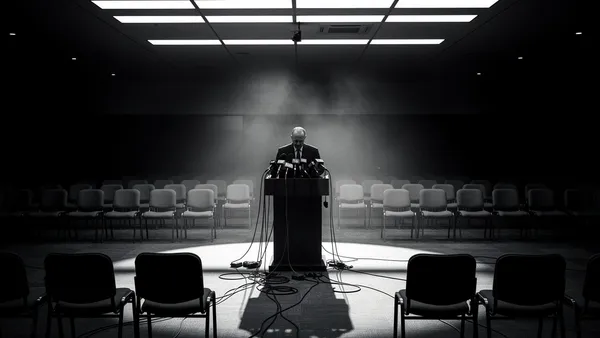

What Happened
When public figures fall from grace, their path back depends almost entirely on how they communicate, not on what they actually did. The celebrity world has become a masterclass in reputation recovery, with some stars rebuilding stronger than before while others disappear entirely. The difference is almost never about the scandal itself. It is about the words chosen, the timing of those words, and who delivers them.
The Communication Angle
Here is the lesson before the proof: owning your failure completely and specifically is the only move that works long-term. Not a partial admission. Not a lawyer-approved non-apology. Full ownership, stated plainly, with zero redirection toward your accusers or your circumstances.
Look at how most celebrity comebacks actually unfold. The first public statement is almost always the fatal one. It is vague, it is passive, and it treats the audience like people who cannot detect deflection. Phrases like "mistakes were made" or "I'm sorry if anyone was hurt" are not apologies. They are rejections dressed up as accountability. The audience knows it instantly, and they do not forgive the manipulation.
The celebrities who actually rebuild their reputations do something most communication coaches overlook. They sequence their recovery deliberately. First comes silence (yes, silence is a strategy). Then comes a single, focused statement that names exactly what they did wrong. Then comes demonstrated behavioral change over time, not announced change. No press tour. No morning show circuit right away. The action comes before the next public appearance, so the public has evidence to point to, not just promises to evaluate.
The professionals watching this should pay close attention to the behavioral change piece, because it applies directly to your work. When you make a significant mistake at your job, whether it is a bad hire, a failed project, or a public disagreement handled poorly, your first instinct will be to explain yourself. Resist it. Explanation without accountability reads as excuse-making, even when your explanation is factually correct. The sequence matters: acknowledge first, explain only if asked, then show the change.
Here are three actionable steps distilled from what the successful celebrity comebacks actually did:
- Name the specific harm. Not "I handled things poorly" but "I misled my team about the timeline and it cost them three weekends."
- Skip the context. Save the explanation for a private conversation with the affected party, not your public statement.
- Let time pass before you claim you have changed. Anyone can say they have grown. Fewer people can point to six months of consistent behavior as proof.
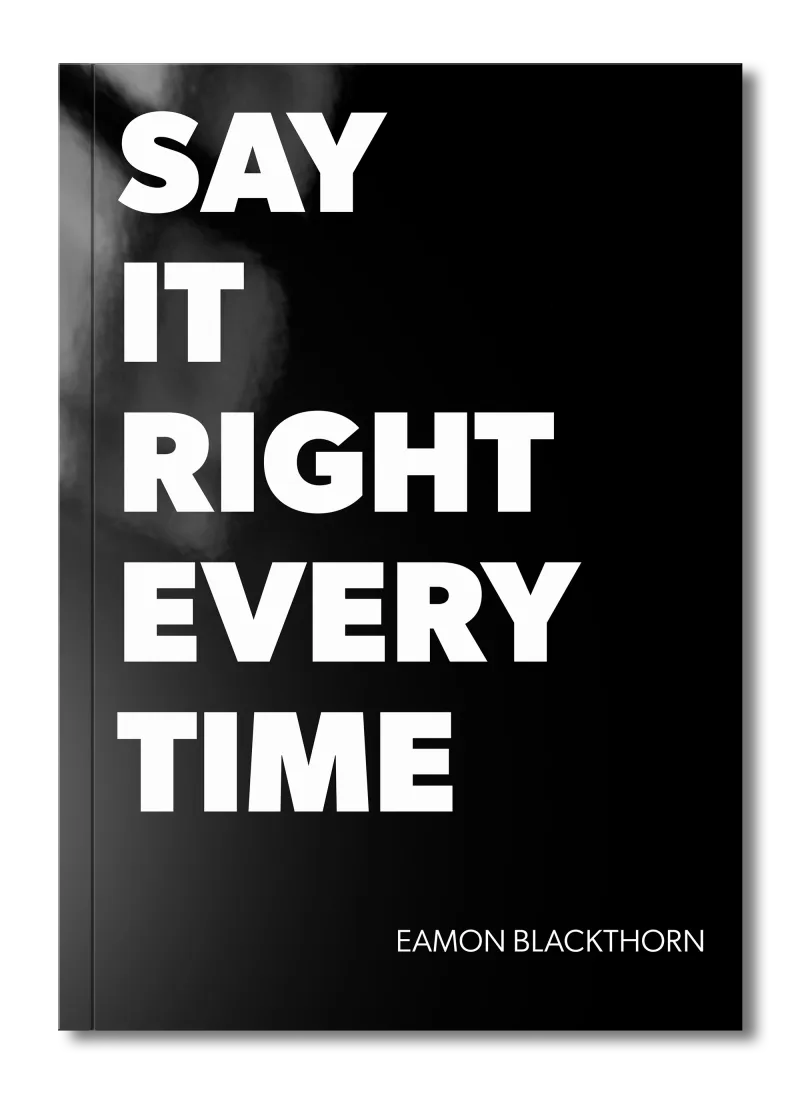
This is exactly the kind of scenario I break down in Say It Right Every Time. The chapter on accountability language gives you a framework for stripping the defensiveness out of difficult statements without stripping out your humanity. There is a real difference between sounding robotic and sounding clean. That chapter shows you precisely where that line is and how to stay on the right side of it.
Never Be Lost
for Words Again
Get word‑for‑word scripts for the conversations that shape your life, from job interviews and negotiations to difficult talks with family and partners, so you always know exactly what to say and how to say it.
Never Be Lost
for Words Again
Get word‑for‑word scripts for the conversations that shape your life, from job interviews and negotiations to difficult talks with family and partners, so you always know exactly what to say and how to say it.
Key Takeaway
Before your next public or professional apology, write one sentence that names exactly what you did wrong, with no qualifiers and no pivot to what others did. Read it back. If it contains the word "but" or the phrase "at the time," rewrite it. That one sentence, delivered cleanly, will do more for your reputation than three paragraphs of explanation ever could.