
What Happened
Shopify published a 2026 guide on brand crisis management, walking businesses through the process of handling reputational emergencies. The piece covers how companies should respond when things go wrong publicly. It reflects a growing recognition in the business world that crisis communication is not an afterthought. It is a core competency that needs to be built before disaster strikes, not scrambled together during one.
The Communication Angle
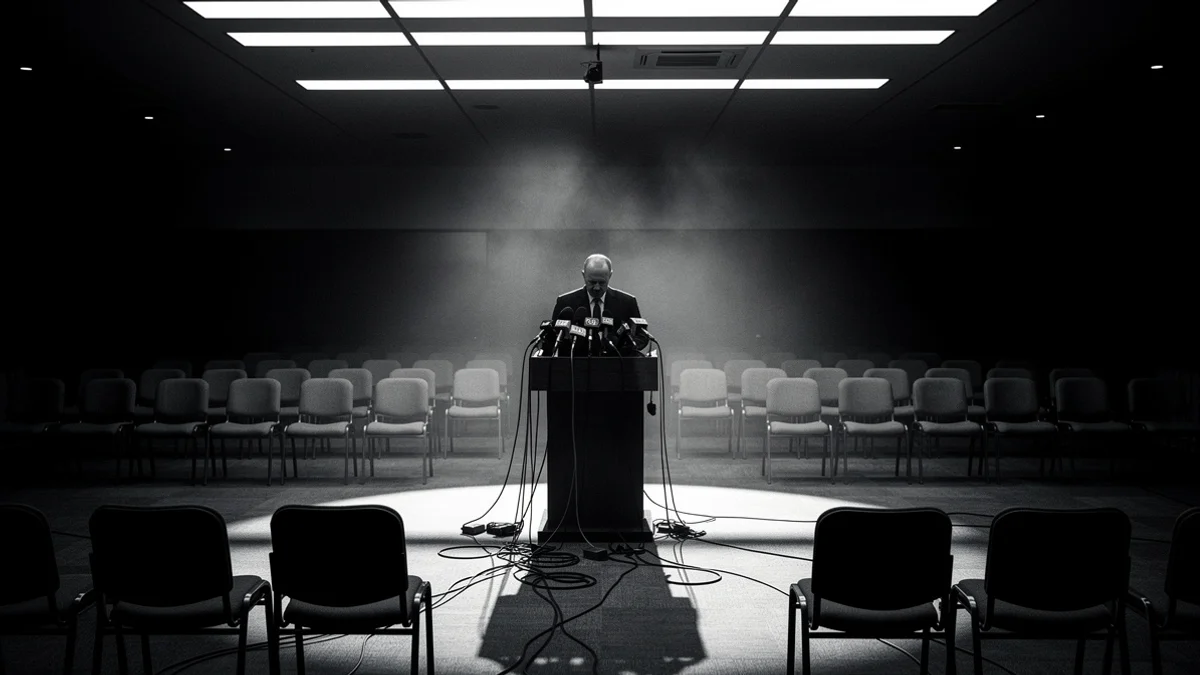
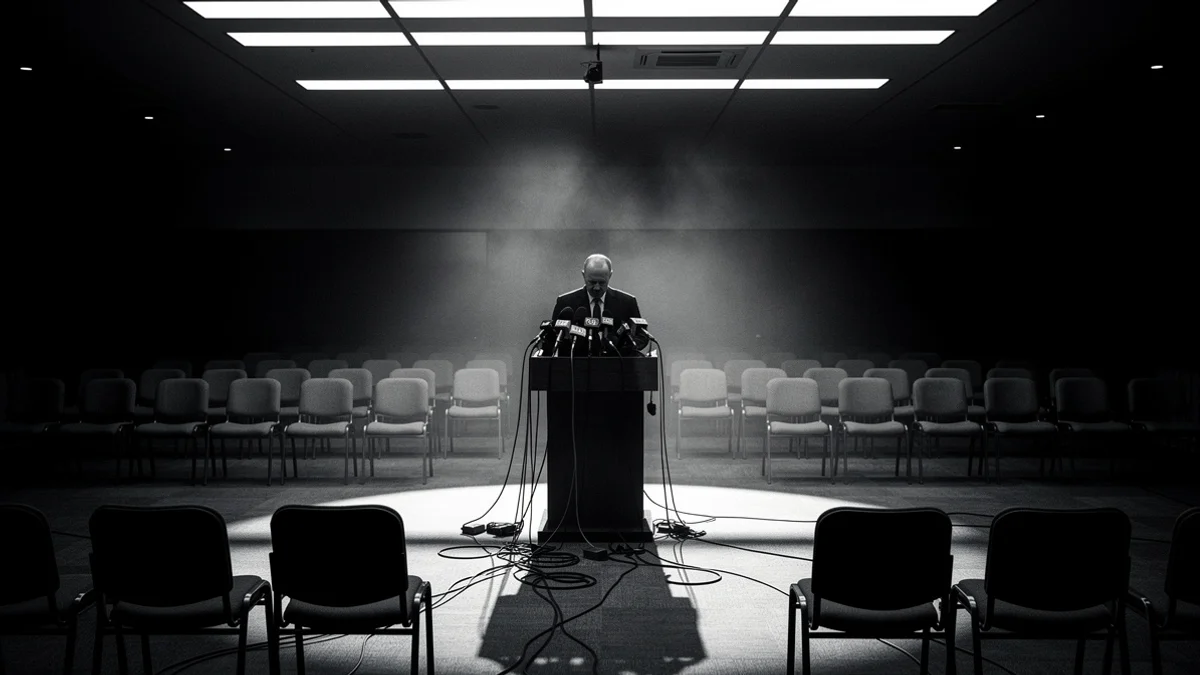
Here is the lesson: silence is not neutral. When a brand crisis hits and your team goes quiet while deciding what to say, your audience fills that silence with the worst possible interpretation. Every hour you spend in internal meetings is an hour your customers spend inventing a story about you. And the story they invent is always uglier than the truth.
The smartest thing any organization can do is separate two questions that most people treat as one. The first question is: what do we know? The second question is: what do we do about it? Most brands refuse to speak publicly until they have answered both. That is exactly backwards. You can acknowledge a situation without having all the answers. In fact, acknowledging it early, without overpromising a solution, builds more trust than a polished statement released 48 hours later.
The specific technique here is called a holding statement, and almost no one uses it correctly. A holding statement is not a stall. It is not "we are looking into it." A real holding statement does three things: it confirms you are aware of the problem, it shows you take it seriously, and it commits to a specific timeline for your next update. "We know. We care. You will hear from us by 3pm Friday." That is a holding statement. Short, direct, accountable.
The second failure most brands make is letting their legal team write their public communications. Lawyers are trained to minimize liability. Communicators are trained to preserve relationships. These are not the same goal. When legal language appears in a public apology, audiences feel it immediately. The words are technically correct and emotionally hollow. You end up winning the lawsuit and losing the customer base.
The third and most damaging mistake is apologizing for the wrong thing. Brands routinely apologize for "how people felt" rather than for what they actually did. "We are sorry if anyone was offended" is not an apology. It is a denial wrapped in polite language. Real accountability names the specific action, acknowledges the specific harm, and states what changes. Everything else is theater.
This is exactly the kind of scenario I break down in Say It Right Every Time. The chapter on high-stakes clarity gives you a framework for separating what you need to say immediately from what you need to figure out first, so you stop confusing preparation time with silence, and your audience stops confusing silence with guilt.

Never Be Lost
for Words Again
Get word‑for‑word scripts for the conversations that shape your life, from job interviews and negotiations to difficult talks with family and partners, so you always know exactly what to say and how to say it.
Never Be Lost
for Words Again
Get word‑for‑word scripts for the conversations that shape your life, from job interviews and negotiations to difficult talks with family and partners, so you always know exactly what to say and how to say it.
Key Takeaway
Before your next potential crisis (and there will be one), write a one-page holding statement template for your brand right now. Leave blanks for the specific incident. Fill in the standing language: how you will acknowledge the problem, what tone you will use, and what timeline you will commit to. Having that template ready means when the moment hits, you are not starting from zero while your reputation bleeds.