
What Happened
Artificial intelligence is no longer just a productivity tool sitting quietly in the background. It is actively reshaping how coworkers interact, collaborate, and relate to one another on the job. As AI takes on more tasks, the human dynamics around those tasks are shifting in ways that most workplaces have not prepared for and most employees have not been coached to handle.
The Communication Angle
Picture this: you spend three hours preparing a report. Your colleague generates a comparable version in four minutes using an AI tool. You both walk into the same meeting. Nobody says anything directly, but the room feels different. That silence is a communication failure, and it is happening in offices everywhere right now.
Here is what nobody wants to admit. AI is not just changing workflows. It is changing the social contract between coworkers. When one person can produce ten times the output of another using a tool, the old assumptions about contribution, value, and effort collapse. And when those assumptions collapse without anyone talking about them openly, resentment fills the gap. Resentment is always loud, even when it sounds like nothing.
The core problem is that most teams have skipped the one conversation they absolutely need to have: the "how do we work together now" conversation. Not the "look at this cool tool" conversation. Not the "company policy on AI" email from HR. The real, direct, human conversation about roles, credit, and expectations. Most managers are dodging it because they do not know how to start it. Most employees are dodging it because they are afraid of what it reveals about their own position. That avoidance is costing teams their cohesion.
The fix is not complicated, but it does require nerve. Someone in every team needs to name the elephant. You do it by making the conversation about process, not about people. You say: "Our tools have changed. Our expectations of each other probably need to catch up. Let us talk about how we want to divide work and how we want to give credit." That framing does two things. It removes blame, and it opens a door. Both matter enormously.
Credit and attribution are where this gets sharp. If a coworker uses AI to produce something excellent, and then presents it without any transparency, that erodes trust over time. The solution is not confession. It is simple disclosure: "I used AI to build the first draft and then shaped it significantly." That sentence takes four seconds to say and saves months of quiet professional suspicion.
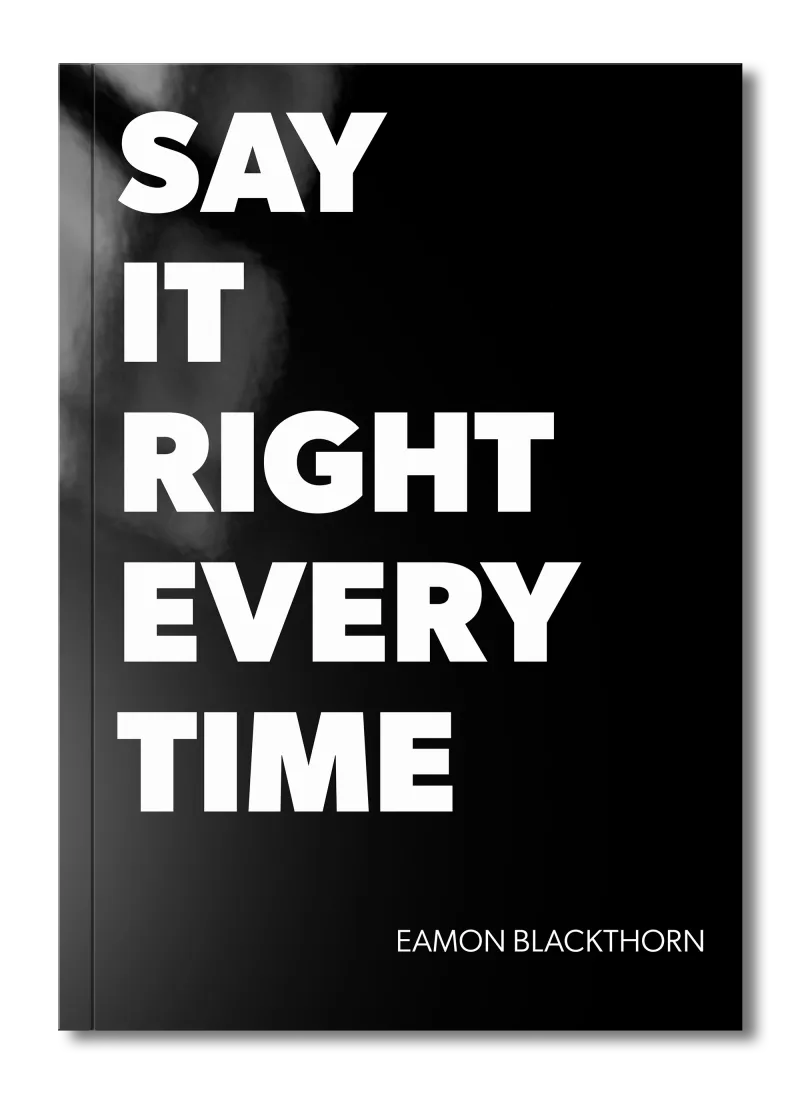
This is exactly the kind of scenario I break down in Say It Right Every Time. The chapter on navigating change conversations gives you a framework for introducing uncomfortable truths without triggering defensiveness. The specific technique is what I call "process framing," where you shift the conversation from what someone did to how the team wants to operate going forward. It takes the personal heat out of a charged moment and replaces it with something people can actually act on together.
Never Be Lost
for Words Again
Get word‑for‑word scripts for the conversations that shape your life, from job interviews and negotiations to difficult talks with family and partners, so you always know exactly what to say and how to say it.
Never Be Lost
for Words Again
Get word‑for‑word scripts for the conversations that shape your life, from job interviews and negotiations to difficult talks with family and partners, so you always know exactly what to say and how to say it.
Key Takeaway
Before your next team meeting, write down one honest answer to this question: "What has changed about how I work in the last year, and does my team know?" Then say it out loud in the meeting. One sentence. Transparency compounds. The first person to be direct gives everyone else permission to follow.