
What Happened
UKG, the workforce management software company headquartered in Weston, Florida, announced it is cutting approximately 950 positions as part of a global restructuring. The move hit South Florida's tech workforce hard, with a significant portion of those jobs based locally. The layoffs immediately triggered questions from affected workers about legal protections, WARN Act notices, and what severance packages they were actually entitled to.
The Communication Angle
When a company lays off nearly a thousand people, what is the single biggest communication mistake it can make?
Silence disguised as strategy.
UKG fell into the trap that almost every large company falls into during a restructure: they managed the announcement for the press release, not for the people. There is a fundamental difference between those two audiences. Journalists want the business rationale. Employees want to know three things immediately: Am I affected? What happens to my income? What are my rights? If you do not answer those three questions fast and directly, you lose control of your own story. Employees fill the silence themselves, and they fill it with fear, rumor, and anger.
The WARN Act questions surfacing publicly are a direct result of that communication failure. When workers are scrambling to ask on forums and news sites whether they received proper legal notice, that means the company did not make compliance information clear upfront. That is not a legal problem in the first place. It is a communication problem. You announce the news, and in the same breath you tell people exactly what legal protections apply to them and how they access their benefits. You do not make them hunt for it.
Here is what good crisis communication looks like in a layoff: You lead with the human reality, not the business rationale. You say "this affects 950 real people and we take that seriously" before you say anything about strategic realignment. Then you give employees a single point of contact, a clear timeline, and written confirmation of their severance terms within 24 hours. Not a portal they have to navigate. A direct communication. That sequence signals that you respect the people you are letting go, and it protects the reputation of your company with the employees you are keeping.
The workers who stay are watching every move. They are deciding right now whether leadership is trustworthy. A botched layoff announcement does not just hurt the people who lost their jobs. It plants doubt in everyone who is left.
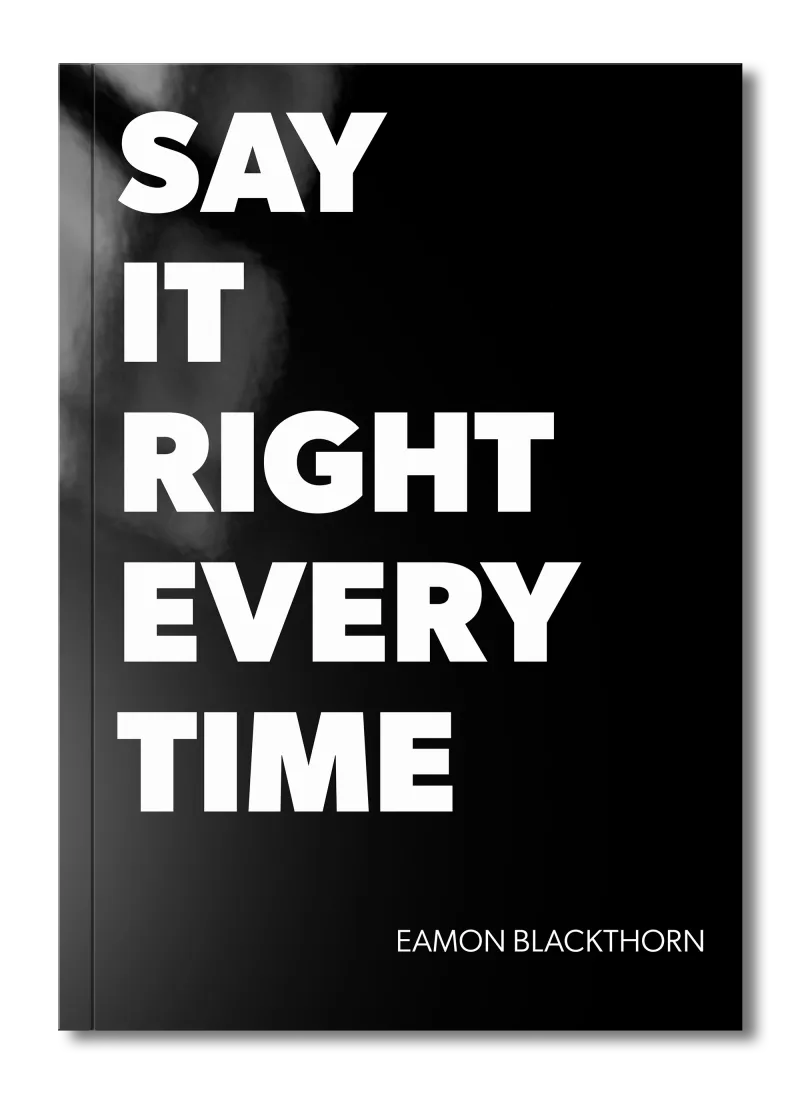
This is exactly the kind of scenario I break down in Say It Right Every Time. The chapter on delivering hard news covers the specific sequence you need to follow when the stakes are high and the audience is emotionally activated. Most people get the order wrong. They lead with context when people need clarity first. The framework in that chapter gives you a word-for-word structure so you never leave your audience guessing about what matters most.
Never Be Lost
for Words Again
Get word‑for‑word scripts for the conversations that shape your life, from job interviews and negotiations to difficult talks with family and partners, so you always know exactly what to say and how to say it.
Never Be Lost
for Words Again
Get word‑for‑word scripts for the conversations that shape your life, from job interviews and negotiations to difficult talks with family and partners, so you always know exactly what to say and how to say it.
Key Takeaway
Before you communicate any difficult news to a group, write down the three questions your audience will ask the moment they hear it. Answer all three in your opening statement, before anyone has to ask. If you cannot answer them yet, say so explicitly and give a specific time by which you will. That is not weakness. That is credibility.