
What Happened
Tony Pierce manages over 500 employees at Akin, a firm that requires staff to be in the office at least three days a week. Rather than defaulting to mandates and memos, Pierce is investing in something less obvious: culture. He uses a mix of in-person activities (yes, including cornhole) and AI tools to keep a large, hybrid workforce connected and engaged.
The Communication Angle
Can you actually build real culture in a workplace that splits its time between home and office? Most leaders answer that question with a policy. Pierce answers it with a strategy.
Here is the problem with hybrid work that nobody says out loud: three days in the office means two days where people drift. Physically absent workers stop feeling the pull of the team. They start to feel like contractors. And once that happens, no amount of all-hands meetings pulls them back. The communication gap is not about information. It is about belonging.
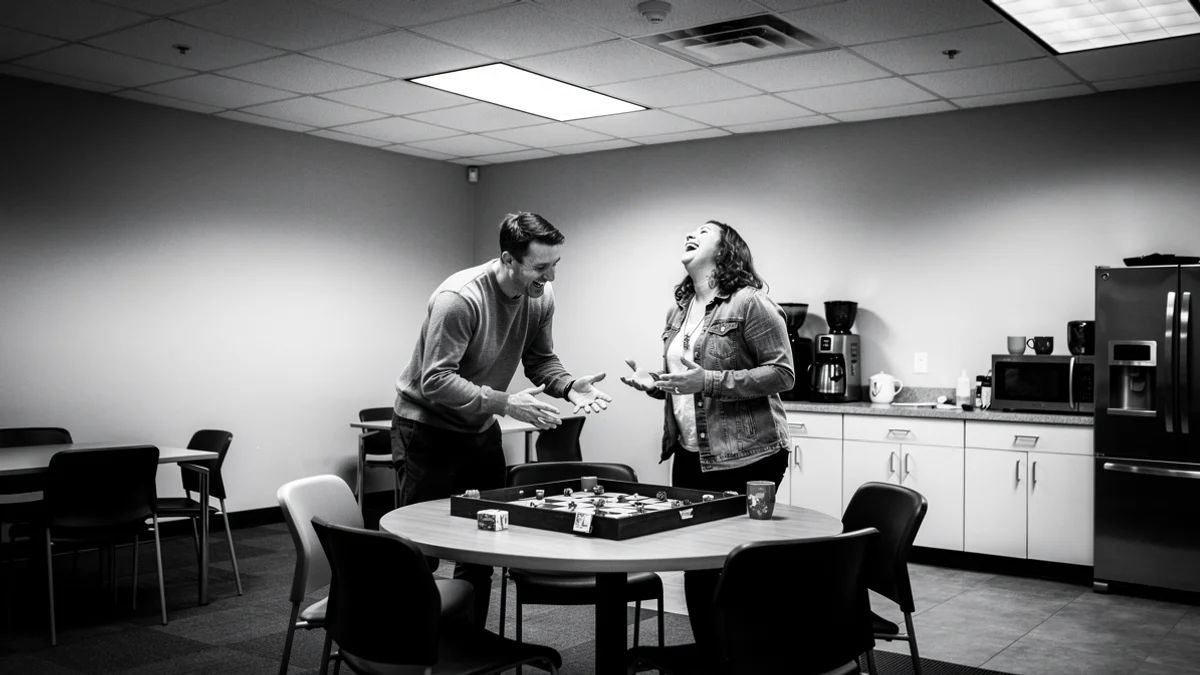
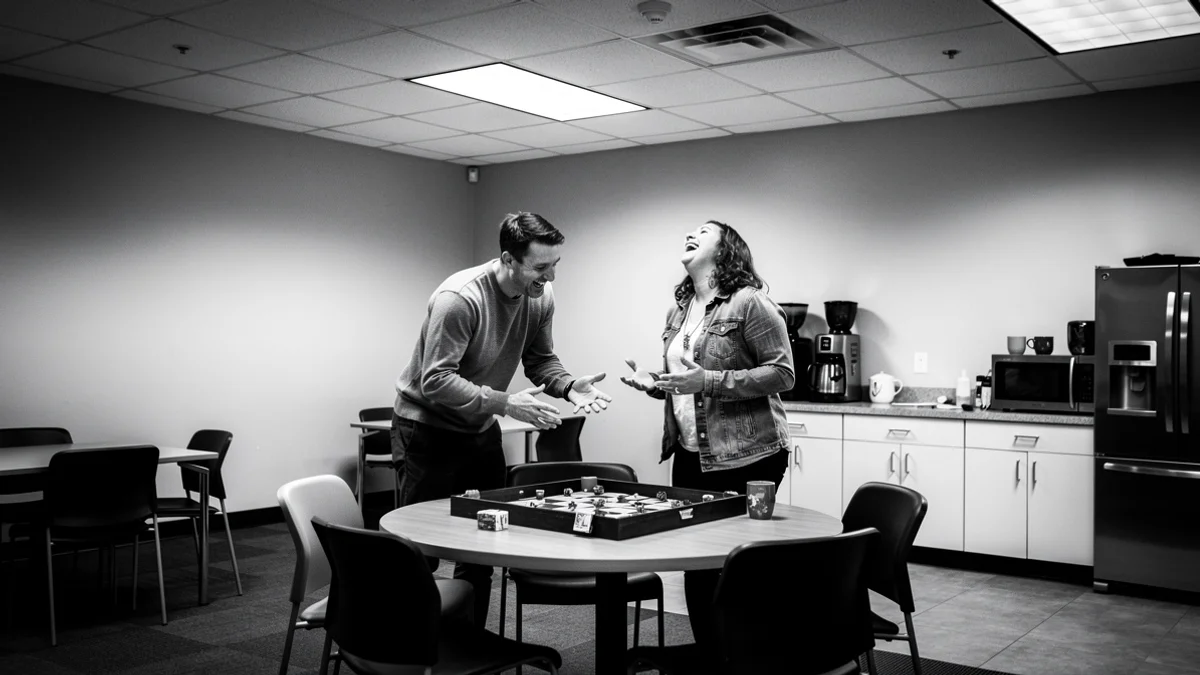
Pierce is doing something smart. He is using low-stakes, in-person activities like cornhole to solve a high-stakes communication problem. This is not about fun. It is about creating shared reference points. When two people laugh over a bad cornhole toss on a Tuesday, they carry that small moment into every email, every Slack message, and every meeting for the rest of the week. That is what psychologists call ambient affiliation, but forget the label. What it means practically is this: people communicate better with people they have actually shared a moment with. Pierce is engineering those moments on purpose.
The AI piece matters too, but for a different reason. AI tools help leaders at scale do something they cannot physically do: stay present. When you run a team of 500, you cannot have a real conversation with everyone. AI can surface signals, flag disengagement, and free up time so the human conversations that do happen are focused and meaningful. The communication lesson here is about prioritization. Technology handles the volume. The leader handles the moments that count.
What Pierce gets right, that most leaders miss, is that culture is not a message you send. It is an environment you build. You cannot email your way to a strong team. You cannot mandate belonging. You build it through repeated, low-pressure human contact, and then you reinforce it with consistent, clear communication from the top. Pierce is doing both.
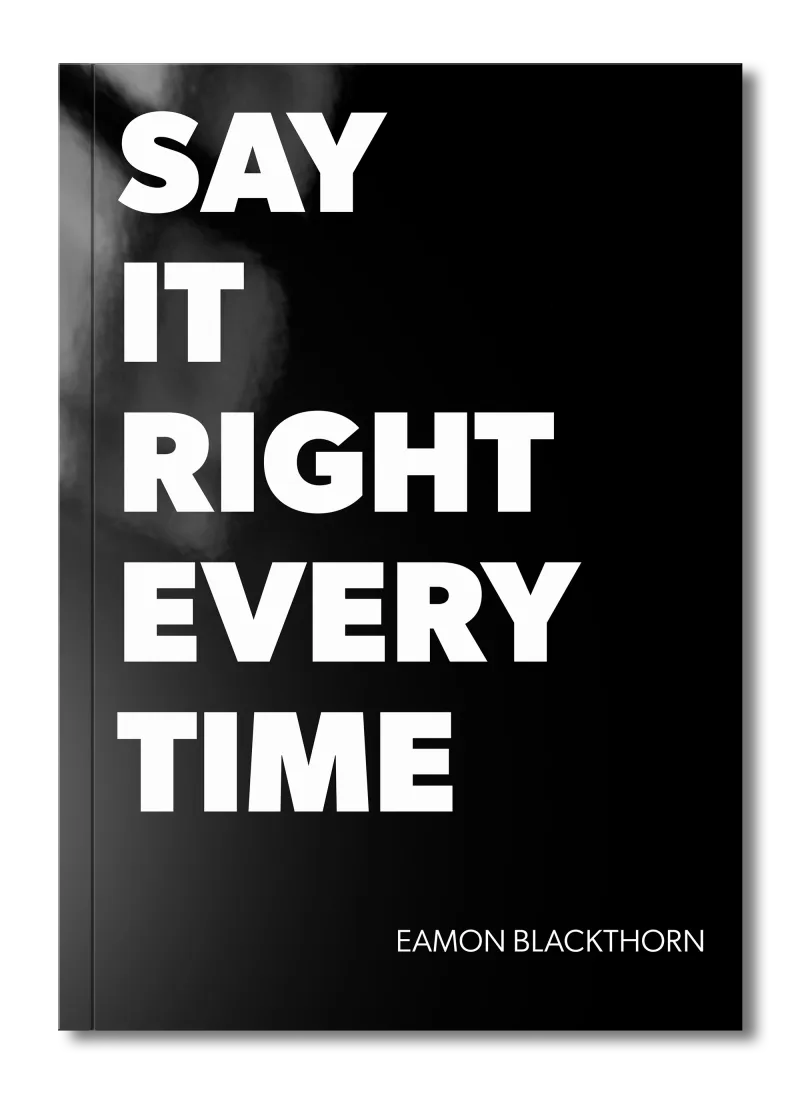
This is exactly the kind of scenario I break down in Say It Right Every Time. The chapter on context-setting gives you a framework for understanding that the words you say at work only land correctly when the relational ground beneath them is solid. Most leaders obsess over their message and neglect the environment. Pierce flipped that priority, and his 500-person team is better for it.
Never Be Lost
for Words Again
Get word‑for‑word scripts for the conversations that shape your life, from job interviews and negotiations to difficult talks with family and partners, so you always know exactly what to say and how to say it.
Never Be Lost
for Words Again
Get word‑for‑word scripts for the conversations that shape your life, from job interviews and negotiations to difficult talks with family and partners, so you always know exactly what to say and how to say it.
Key Takeaway
This week, identify one informal ritual you can introduce to your team before the month ends. Not a meeting. Not a survey. A shared activity with no agenda and no deliverable. Fifteen minutes of competitive nonsense counts. Schedule it, protect it, and show up for it yourself. Your presence signals that it matters. That signal does more communication work than any memo you will ever write.