

Eye Contact
How the direction, duration, and quality of your gaze shape trust, authority, and connection in every conversation.
Eye contact is one of the fastest signals another person reads. Hold it too briefly and you seem evasive. Hold it too long and you seem aggressive. The difference between the two is a matter of seconds and intention.<br><br>Learning to calibrate your gaze, knowing when to hold, when to break, and where to look, gives you a practical tool for building rapport, projecting confidence, and reading the attention of whoever is across from you.
 22 min audio
 Eye Contact During the G.R.O.W. Coaching Conversation: A Phase-by-Phase Gaze Guide for Leaders
Eye contact during a G.R.O.W. coaching conversation does more than signal attention. Each phase of the model calls for a different gaze pattern. This guide gives leaders a phase-by-phase system for using eye contact to build trust, invite honesty, and hold people accountable.
Read Article → 21 min audio
 Eye Contact in the H.E.A.R.T. Method: How Gaze Communicates Honor, Empathy, and Reassurance in Close Relationships
Eye contact in close relationships is far more than a social reflex. This article teaches the H.E.A.R.T. Method from Say It Right Every Time, showing how deliberate gaze communicates honor, empathy, and reassurance through five structured, practical steps.
Read Article → 16 min audio
 Eye Contact When Mediating a Conflict Between Two People: Where to Look and When
Mediating a conflict between two people demands precise control of your eye contact. This article explains exactly where to look at each stage of the process, what your gaze signals to each person, and how to avoid the common mistakes that destroy neutrality before you have said a word.
Read Article → 16 min audio
 How to Use Peripheral Gaze to Remain Socially Aware Without Staring
Peripheral gaze lets you track facial expressions, shifts in attention, and tension in a room without directing your stare at any one person. This article explains exactly how to build that skill and use it in real professional situations.
Read Article → 20 min audio
 How the Sixty-Day Practice Plan Builds Sustainable Eye Contact Confidence Over Time
Eye contact confidence does not arrive through good intentions or a single breakthrough moment. This article teaches the sixty-day practice plan from Say It Right Every Time For Women, walking you through a phased, daily system that builds sustainable eye contact skill from the ground up.
Read Article → 15 min audio
 How Eye Contact Differs in One-on-One Coaching Versus Group Facilitation
Eye contact works differently in one-on-one coaching than in group facilitation. In coaching, your gaze builds trust and signals full attention. In groups, it directs energy, manages participation, and holds the room. Knowing which approach to use prevents disconnection and lost credibility.
Read Article → 15 min audio
 Why Choosing the Right Communication Medium Changes the Eye Contact Demands on Both Speakers
The channel you choose for a conversation changes the eye contact demands on everyone involved. In-person, video, and phone each create different pressures, expectations, and blind spots. Understanding how medium shapes gaze helps you communicate with more confidence, clarity, and genuine connection across any setting.
Read Article → 15 min audio
 The Role of Eye Contact in Signaling Psychological Safety Before a Difficult Conversation Begins
Eye contact does more than acknowledge presence. Before a difficult conversation starts, it tells the other person whether they are safe to speak honestly. This article explains the mechanism behind that signal and how to use it with intention and skill.
Read Article → 20 min audio
 The Double Bind of Eye Contact: How Women Are Judged Differently for the Same Gaze
Eye contact carries different social weight depending on who delivers it. This article examines the Double Bind women face when they hold a gaze, why identical eye contact reads as confidence in men and aggression in women, and what strategic adjustments actually change how your gaze is received.
Read Article → 16 min audio
 Eye Contact in Virtual Meetings: Camera Techniques That Work
Eye contact in virtual meetings is harder than it looks, because your instincts work against you. This article gives you a practical, step-by-step camera technique system to build real presence online, whether you are leading a team or joining from your kitchen table.
Read Article → 20 min audio
 Eye Contact Scripts for Giving Constructive Feedback: What to Do With Your Gaze During the S.B.I. Method
This article gives you word-for-word scripts for every phase of an S.B.I. feedback conversation, paired with specific eye contact guidance for each moment. Learn exactly where to direct your gaze during Situation, Behavior, and Impact to keep the conversation grounded and the other person open.
Read Article → 14 min audio
 How Eye Contact Shifts When Someone Is Lying Versus Simply Nervous
Eye contact when lying and eye contact when nervous can look almost identical, yet they signal very different things. This article shows you the specific patterns that separate deception from anxiety, so you stop misreading people and start responding with real clarity.
Read Article → 16 min audio
 How Glasses, Sunglasses, and Screen Glare Affect Gaze Perception
Glasses, sunglasses, and screen glare change how others read your eye contact, often without you knowing. This article identifies the specific ways lenses and light distort gaze perception, and gives you a practical tool for diagnosing what others may be misreading about your eyes right now.
Read Article → 13 min audio
 How Babies, Leaders, and Salespeople Use Gaze Differently
Eye contact shapes every human interaction, but how you use your gaze depends on who you are and what you need. Babies seek safety, leaders project authority, and salespeople build trust. This article explains how gaze works across all three.
Read Article → 13 min audio
 The Psychology Behind Gaze and Social Connection
Eye contact does far more than signal attention. It regulates trust, establishes authority, and shapes how people feel about the person looking at them. This article explains the psychological mechanisms that make gaze one of the most powerful forces in human communication.
Read Article → 15 min audio
 Reading Micro‑Expressions Through Eye Behavior
Eye contact does more than signal attention. It carries fleeting micro-expressions that reveal fear, contempt, surprise, and trust in fractions of a second. These five real-world scenarios show what eye behavior looks like in practice, and what it costs when you miss it.
Read Article → 15 min audio
 How Wearing a Mask or Face Covering Changes Eye Contact Demands
Masks remove the facial cues people rely on to read intent and emotion. That shifts enormous pressure onto eye contact alone. This article diagnoses the specific eye contact mistakes people make when wearing a face covering and shows you how to adapt before trust erodes.
Read Article → 21 min audio
 Calibrating Eye Contact Based on Relationship Depth
Eye contact is not one-size-fits-all. The right gaze for a new client differs from what works with a trusted colleague or a tense manager. This article gives you five practical frameworks for calibrating eye contact based on the relationship you are in.
Read Article → 20 min audio
 How the B.R.I.D.G.E. Method Guides Your Eye Contact Through Relationship Repair Conversations
Eye contact during relationship repair is one of the most powerful and least understood tools available to you. This article teaches how each step of the B.R.I.D.G.E. Method calls for a specific gaze approach, drawn directly from the frameworks in Say It Right Every Time.
Read Article → 15 min audio
 How Eye Contact Shifts When a Conversation Moves From Small Talk to Serious Topics
Eye contact in small talk and serious conversation follows different rules. This article explains how gaze patterns shift as a conversation deepens, why getting that shift wrong damages trust, and how to read and manage your eye contact with precision in both registers.
Read Article → 16 min audio
 Eye Contact During Networking Events: Managing Gaze Across Rapid Introductions
Eye contact during networking events is harder than it looks. This guide gives you a clear, step-by-step process for managing your gaze across rapid introductions, from first glance to graceful exit, so you come across as confident, present, and worth remembering.
Read Article → 16 min audio
 How to Use Gaze Direction to Signal Turn-Taking in Conversation
Gaze direction is one of the most powerful turn-taking signals in conversation, yet most people use it without any awareness. This article explains how eye contact controls conversational flow, and gives you a clear, step-by-step process to apply it deliberately.
Read Article → 15 min audio
 Cross‑Cultural Meanings of Direct vs Indirect Gaze
Direct gaze signals confidence and honesty in many Western cultures, but in others it reads as confrontational or disrespectful. Understanding the cross-cultural meanings of direct versus indirect gaze helps you build trust across difference rather than accidentally destroy it.
Read Article →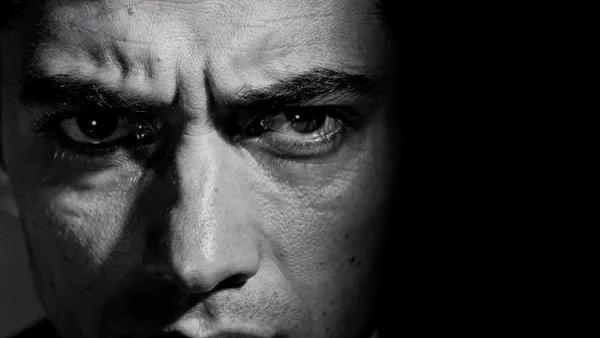 14 min audio
 The Role of Eyebrows and Surrounding Muscles in Gaze Interpretation
Eye contact means more than where someone looks. The eyebrows, brow ridge, and muscles framing the eyes shape what any gaze actually communicates. This article explains the mechanics of gaze interpretation and what those surrounding structures reveal about intent, emotion, and trust.
Read Article →