
In Short
Eye contact in close relationships is not instinct. It is one of the most powerful nonverbal signals you send, and most people use it carelessly.
- Where you look during a difficult conversation tells your partner whether they are safe with you.
- The H.E.A.R.T. Method gives each stage of a relationship conversation its own gaze quality, turning eye contact from a reflex into a tool.
- Deliberate gaze communicates honor, empathy, and reassurance more directly than most words ever will.
Eye contact relationships describes the role of sustained, deliberate gaze in shaping trust, emotional safety, and connection between people in close personal bonds. In intimate conversations, how you look at someone, or fail to, carries as much relational weight as the words you choose.
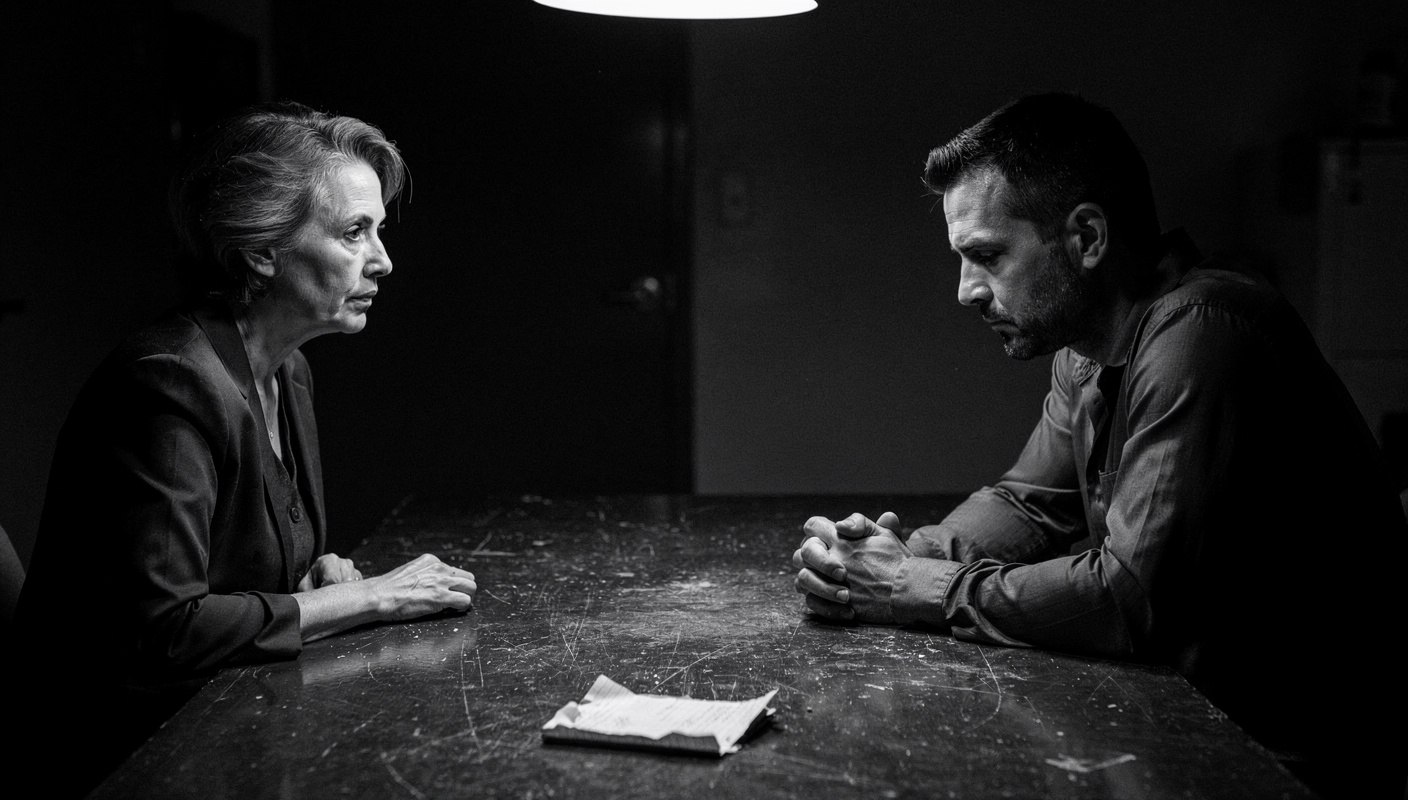
I have sat across from too many couples who could not understand why their conversations kept going wrong. The words were reasonable. The intentions were good. But somewhere in the exchange, one person looked away at the wrong moment, or held a gaze that felt like a courtroom rather than a kitchen, and the whole conversation collapsed. Eye contact in close relationships is not a small thing. It is often the thing.
Without a structure to guide you, gaze defaults to habit under pressure. You look at the floor when you feel ashamed. You look past someone when you are defensive. You stare hard when you want to be believed. None of these are conscious choices. They are reflexes, and reflexes in difficult conversations can do serious damage.
In Say It Right Every Time, I introduce the H.E.A.R.T. Method in Chapter 11 as a five-step framework for navigating difficult conversations in romantic relationships. Each step, Honor, Empathize, Acknowledge, Reassure, and Trust, carries its own gaze quality. This article teaches you what that means in practice, and gives you a set of frameworks for eye contact that you can reach for the moment a conversation gets hard.
What Eye Gaze Is Actually Communicating Before You Speak
Your eyes move before your mouth opens. In any emotionally charged exchange, your partner reads your gaze in the first three seconds and makes a decision: am I safe here, or do I need to defend myself? That decision shapes everything that follows.
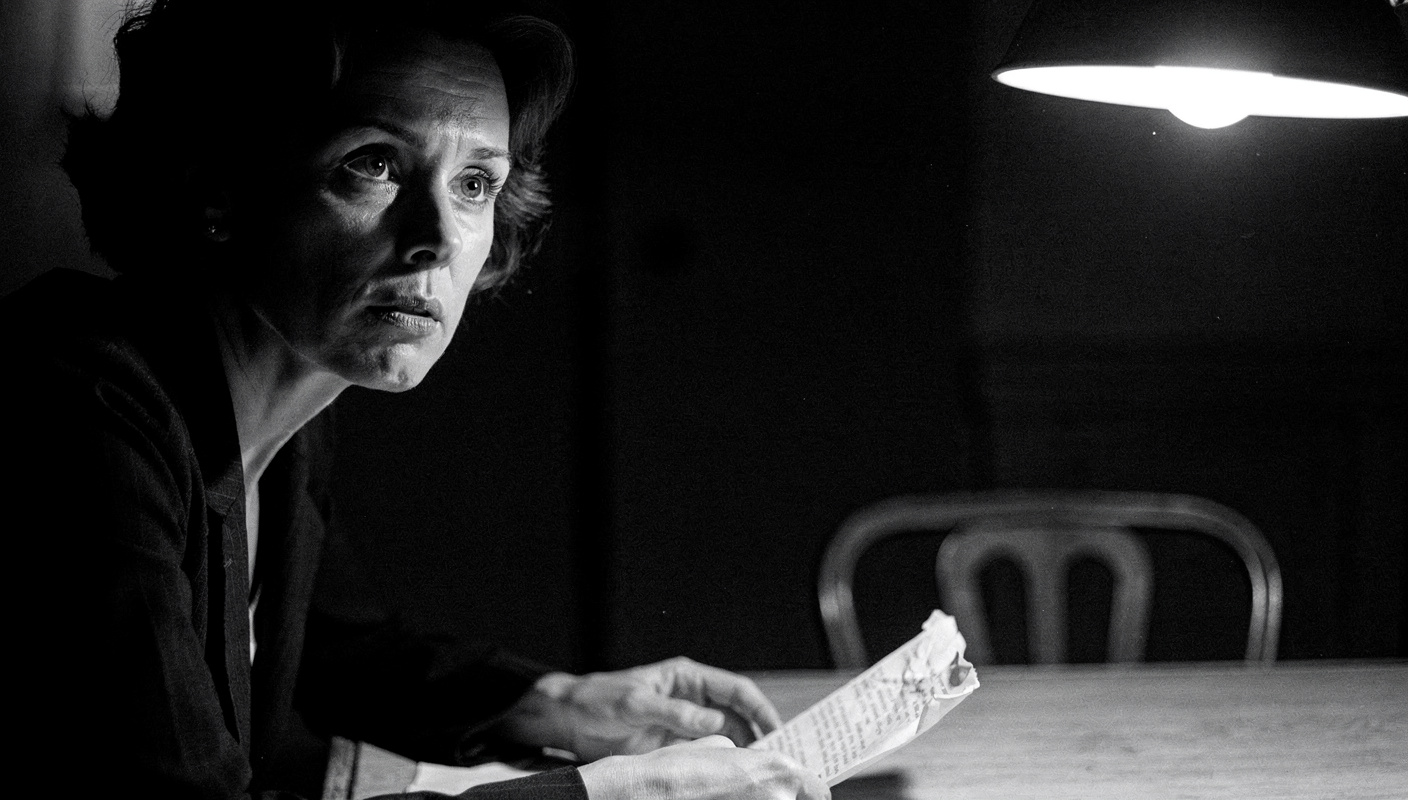
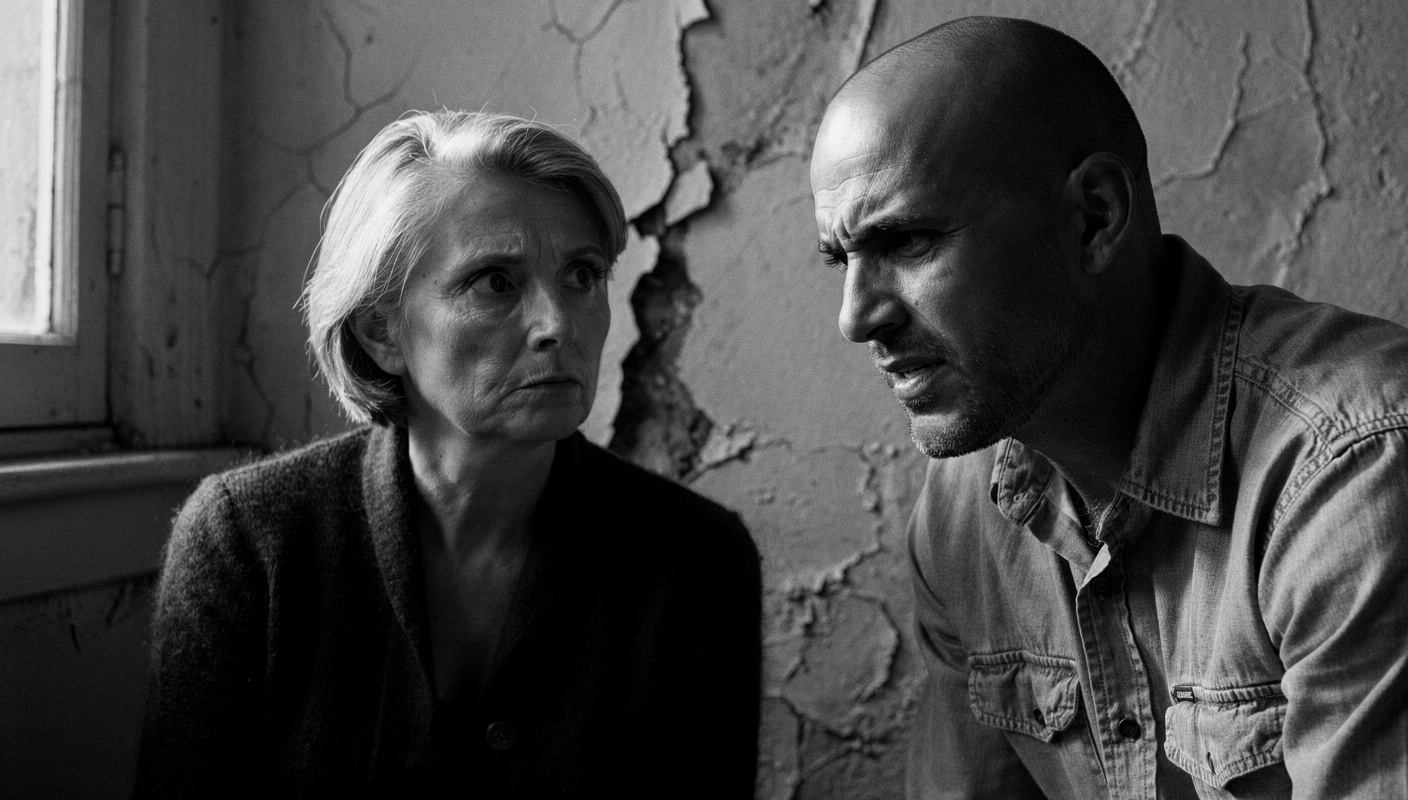
Hard eye contact, narrowed slightly, with a forward lean, signals challenge. Downcast eyes signal shame or withdrawal. Eyes that dart sideways during a serious question signal that you are calculating rather than connecting. Soft, level, open eyes signal: I am here, I am listening, and you are not in danger.
Most people in difficult conversations are managing their own internal noise so completely that they have no awareness of where their eyes are. I spent years coaching professionals in nonverbal communication in tense situations before I realized how much more the stakes rise at home, where the other person knows your face better than anyone.
"The Conversation You're Avoiding Is the One You Need to Have."
"The Conversation You're Avoiding
Is the One You Need to Have."
Stop rehearsing conversations you'll never have. Say It Right Every Time gives you 115 word-for-word scripts and 16 proven frameworks to speak with confidence in every conversation that matters.
The Five Gaze Qualities Inside the H.E.A.R.T. Method
The H.E.A.R.T. Method, as I outline in Chapter 11 of Say It Right Every Time, gives you a framework for the whole arc of a difficult relationship conversation. What follows is how each of its five steps has a corresponding approach to eye contact, one that you can practice and prepare before the conversation begins.
Framework 1: The Honoring Gaze
What it is: A deliberate, open, level gaze that signals respect for your partner's perspective before they have finished speaking.
What it is designed for: The opening of a difficult conversation, when your partner first begins to share something painful or challenging.
How it works:
- Sit or stand at the same eye level as your partner. Height difference during conflict reads as dominance.
- Open your eyes fully. Soften the muscles around your brow. A furrowed brow signals judgment even when none is intended.
- Hold your gaze steady on their face, not fixed on one point, but present and relaxed.
- Do not look at your phone, the wall, or the middle distance. Even a single glance away in the first thirty seconds signals that something else has your attention.
- When your partner says something you disagree with, keep your eyes steady. Do not let your gaze harden or narrow.
When to use it: At the start of any serious conversation, especially one your partner has initiated.
When not to use it: Do not force it if you are still too activated emotionally. A stiff, tense version of this gaze reads as performative. If you need a moment to calm down before engaging, ask for one honestly rather than sitting behind a manufactured look of calm.
Quick example: Your partner says, "I need to talk to you about something." Before you say a single word, you put down what you are holding, turn to face them, and let your eyes settle softly on their face. That gaze, before any words, says: I honor that this matters to you.
Eamon's note: This one took me the longest to learn. I used to think I was listening because I was in the room. But my eyes told a different story.
Framework 2: The Empathic Gaze
What it is: A soft, slightly slower-blinking gaze that mirrors your partner's emotional state without amplifying or dismissing it.
What it is designed for: The moments when your partner is expressing pain, fear, or sadness, and your job is to receive it rather than respond to it.
How it works:
- Slow your blink rate slightly. Rapid blinking reads as anxiety or impatience.
- Let your eyes relax completely around the edges. The goal is warmth, not intensity.
- If your partner becomes tearful, hold your gaze steady. Looking away when someone cries is one of the most isolating things you can do to them.
- Resist the urge to shift your gaze toward the "solution" part of your brain, the ceiling, the middle distance, anywhere that signals you are already planning your response.
- Let what they are feeling land on your face through your eyes. You do not need to perform sadness. You need to let yourself actually receive what they are saying.
When to use it: When your partner is mid-disclosure, during any moment when they are sharing something that cost them courage to say.
When not to use it: Not during factual problem-solving. The empathic gaze in a logistical conversation can feel patronizing, as if you think the other person is more fragile than they are.
Quick example: Your partner is telling you that they have felt invisible in the relationship lately. You do not interrupt. You do not start assembling your defence. You hold a soft, open gaze and let the weight of what they are saying register on your face. They feel seen. That is the entire point.
Eamon's note: Naming the emotion helps to tame it, as I say in the book. But your eyes name it first. Words confirm what gaze has already communicated.
Framework 3: The Acknowledging Gaze
What it is: A brief, deliberate shift in gaze that signals you are pausing to take in what was said, not preparing a rebuttal.
What it is designed for: The transition between listening and responding, specifically the moment when you acknowledge your role in a conflict.
How it works:
- When your partner finishes speaking, do not immediately hold eye contact and launch into your response.
- Allow a two to three second pause where your eyes soften and drop very slightly, not in shame, but in genuine reflection.
- Return your gaze to their face before you speak. This return signals that your words are directed at them, not delivered into the air.
- As you acknowledge your part in what went wrong, hold steady eye contact. Looking away here reads as minimising what you are saying.
- Keep your eyes level with theirs. Do not look up as if appealing to something above them. Do not look down as if shrinking. Level gaze during acknowledgment signals that you are taking equal ground in the repair.
When to use it: When you are accepting responsibility for your words or actions in a conflict.
When not to use it: Do not perform a slow, theatrical gaze drop. It reads as manipulation, not reflection. Keep the pause natural and brief.
Quick example: Your partner has explained how your words hurt them last week. You pause, let your eyes soften briefly, and then return your gaze to them and say: "I can see how that landed on you, and I'm sorry. That's on me." The gaze does the heavy lifting before the words arrive.
Eamon's note: I cover acknowledging your role fully in Chapter 11 of the book. What the book could not show you is what your eyes do in that moment. This is it.
Framework 4: The Reassuring Gaze
What it is: Sustained, warm, unwavering eye contact that communicates the relationship is not in danger.
What it is designed for: The reassurance step of the H.E.A.R.T. Method, when your partner needs to know that this difficult conversation does not mean you are leaving, withdrawing, or giving up.
How it works:
- Move physically closer if the conversation allows it. Distance and gaze work together.
- Hold eye contact for slightly longer than feels entirely comfortable. Four to six seconds of steady gaze signals commitment, not confrontation, in this context.
- Let your eyes carry warmth. Think of a moment when you felt certain about this person. That feeling changes the quality of your gaze in a way no technique can fully replicate.
- If your partner breaks eye contact, do not follow their gaze away. Keep yours steady and available so that when they return, they find you still there.
- Pair the gaze with a calm, measured voice tone and a relaxed posture. A reassuring gaze contradicted by a tense jaw or crossed arms sends a mixed signal.
When to use it: When you are explicitly reassuring your partner of your commitment, particularly after a period of conflict or distance.
When not to use it: Not when you are still actively angry. A hard stare held for six seconds during anger is not reassurance. Calm yourself first, then return.
Quick example: After a long and painful conversation, you say: "I'm not going anywhere. We are going to figure this out." You hold their gaze steady as you say it. Your eyes do not flicker. That steadiness is the reassurance. The words support it, but they do not create it.
Eamon's note: "Your relationship is worth fighting for. Not with your partner, but for your partner," is something I wrote in Say It Right Every Time. Your eyes are where that fight shows first.
Framework 5: The Trusting Gaze
What it is: Relaxed, intermittent eye contact that communicates ease, safety, and the return to normal ground after a difficult exchange.
What it is designed for: The closing phase of the H.E.A.R.T. Method, when you are signaling that the conversation is complete and the relationship is intact.
How it works:
- Ease the intensity of your gaze. Sustained, locked eye contact through a conversation's resolution feels interrogative rather than restoring.
- Allow natural breaks in gaze, looking at a shared object, the space between you, a moment of mutual quiet. These natural breaks signal that the pressure has lifted.
- When you glance back to your partner's face, let it be easy and unhurried. Not checking for remaining damage. Just returning because you want to.
- If you make a small gesture of repair, reaching for their hand or offering a half-smile, let your eyes lead it rather than follow it. Your gaze moves first.
- Match their energy. If they are relaxed, reflect that. If they still need a moment, give them space with your eyes as well as your words.
When to use it: At the close of a difficult conversation, during any moment of shared repair or reconnection.
When not to use it: Do not rush here. Moving too quickly to relaxed, easy gaze when your partner is still processing can feel dismissive, as if the conversation is being wrapped up on your timeline.
Quick example: The hard conversation is over. You sit together quietly for a moment. You glance over at your partner, easy and unhurried. They catch your eye. You both let it land. No words needed. That is the trusting gaze, and it tells them the relationship survived the conversation intact.
Eamon's note: Trust the process is the final step in the H.E.A.R.T. Method for good reason. The eyes know how to do this if you let them. Your job is to get out of your own way.
When Gaze Goes Wrong: Three Patterns That Damage Relationship Conversations
I have watched people use every one of the frameworks above and still get into trouble because they fell into one of three habitual patterns. Knowing these patterns will not cure them. But naming them gives you somewhere to start.
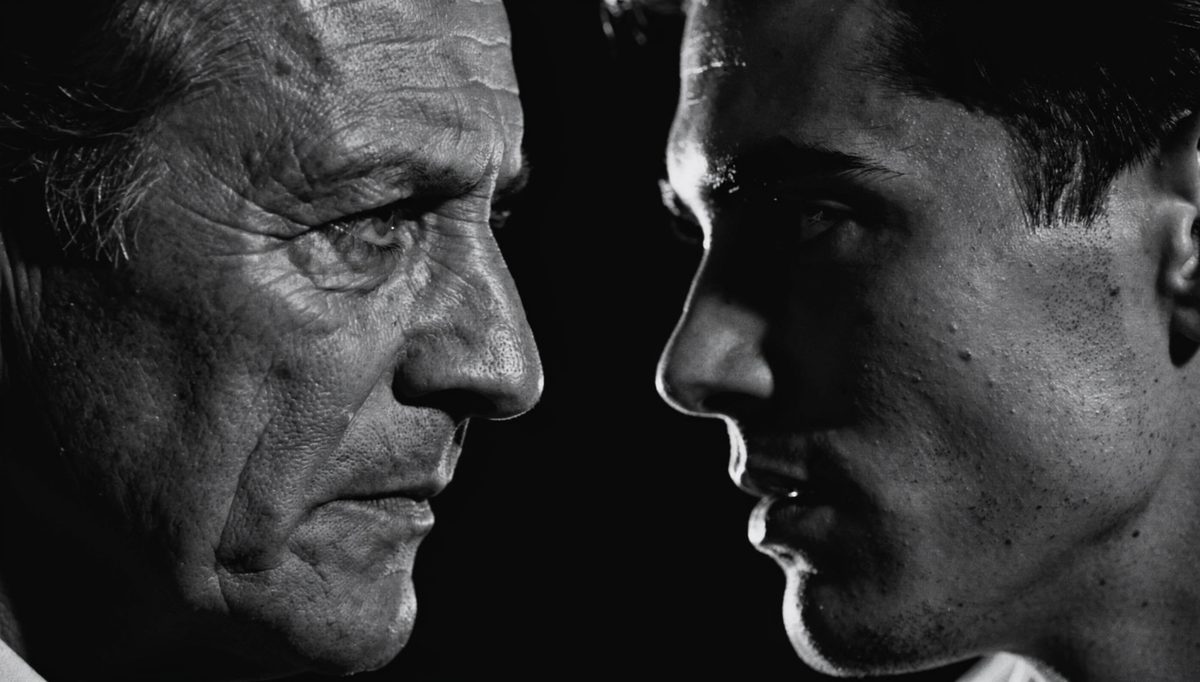
The Interrogating Stare. What it looks like: Unblinking, hard eye contact held without warmth during conflict.
Why it happens: You want to be believed, so you hold your gaze as if intensity equals credibility.
What to do instead: Soften the muscles around your eyes before you speak. The goal is presence, not pressure.
The Avoidant Glance. What it looks like: Eyes that find the floor, the wall, or the window whenever your partner says something difficult.
Why it happens: You are managing your own discomfort by reducing visual input.
What to do instead: Practice holding soft eye contact for two seconds longer than your instinct allows. Build from there.
The Disconnected Scan. What it looks like: Eyes that move constantly, checking the room, your hands, your phone, as if the conversation is not quite worth full attention.
Why it happens: Anxiety, distraction, or a genuine belief that you can multitask emotional conversations.
What to do instead: Before a serious conversation, set your environment. One location, no devices, face to face. Give your eyes nowhere else to go.
Learning to manage gaze under pressure follows the same logic I outline in the compound effect of small daily communication habits. You do not fix decades of avoidant gaze in one conversation. You practice the smaller moments until the harder ones become possible.
Choosing the Right Gaze Framework for the Moment
Not every difficult conversation runs through all five frameworks in order. Some conversations start in the middle. Some never reach the trusting close. This table helps you match the framework to where you are in the exchange.
| Situation | Framework to reach for |
|---|---|
| Partner initiates a difficult conversation | Framework 1: The Honoring Gaze |
| Partner is expressing pain or fear | Framework 2: The Empathic Gaze |
| You are owning your role in a conflict | Framework 3: The Acknowledging Gaze |
| Partner needs to know you are not withdrawing | Framework 4: The Reassuring Gaze |
| Conversation is coming to resolution | Framework 5: The Trusting Gaze |
| Tension is high and you cannot calibrate | Pause. Soften your expression first. Then choose. |
If you are in a tense moment and cannot remember a single framework, default to this: soft eyes, level gaze, and stay. That is enough to signal that the relationship is safe. The specific frameworks layer on top of that foundation.
The C.O.N.N.E.C.T. Method, which I introduce in Chapter 11 of Say It Right Every Time as an alternative to H.E.A.R.T., follows a similar gaze logic. Calming yourself before engaging, the first step in C.O.N.N.E.C.T., directly affects your eye quality. You cannot produce a honoring or empathic gaze when your nervous system is flooded. This is why how to use the C.O.R.E. Framework to stay grounded during a tense workplace conversation is relevant here too: the groundedness that serves you at work is the same groundedness that makes your gaze trustworthy at home.
Building Real Fluency With These Gaze Frameworks
You will not master all five frameworks at once. That is not how skill builds, and I am not going to tell you otherwise.
Start with Framework 1. In the next low-stakes conversation you have, practice the honoring gaze. Put down what you are holding. Soften your brow. Hold your attention on the other person's face. Do this with a friend, a colleague, your partner during a routine exchange. Make it a daily repetition before you need it in a high-stakes moment.
When that feels natural, move to Framework 2. Practice holding your gaze when someone shares something that makes you uncomfortable. Do not look away. Notice the urge to and resist it. This is where how the B.R.I.D.G.E. Method rebuilds working relationships after tension offers a useful parallel: repair happens in increments, not grand gestures.
The same principle applies to difficult conversations in meetings. If you manage dominant voices in a discussion or navigate conflict during meetings, the gaze skills you build there transfer directly to intimate conversations. They are the same muscles. The stakes are simply higher at home.
Log one gaze observation each day. Where did your eyes go when the conversation got hard? What did you avoid looking at, and why? The role of communication in meeting success touches on this same reflective practice. Attention is a skill. Gaze is attention made visible.
What Stays With You When the Frameworks Fade
I will tell you something I have learned across six decades of getting communication wrong and working to get it right. In the moments that matter most, you will not remember a framework. You will not run through a numbered list. What you will have is the habit you built in the ten thousand smaller moments before this one.
Eye contact in relationships is not about technique in the end. It is about the choice to stay present when every instinct tells you to look away. That choice, made over and over in the small moments, becomes the person your partner trusts in the big ones.
The eye contact relationships you build through deliberate practice are the ones that hold when everything else is under pressure. Gaze is the first thing your partner reads. Make it worth reading.
Frequently Asked Questions (FAQ)
What is eye contact in relationships?
Eye contact in relationships is the deliberate act of holding another person's gaze during conversation or emotional exchange. It signals presence, respect, and care. In close relationships, sustained eye contact communicates that the other person is seen, heard, and genuinely valued beyond the words being spoken.
Why does eye contact matter in difficult conversations?
During difficult conversations, eye contact communicates that you are still engaged and still safe. Avoiding someone's gaze can signal dismissal, guilt, or disinterest. Holding steady, soft eye contact while a partner speaks tells them you are with them, not withdrawing, and that the relationship is secure.
How do you use eye contact to show empathy?
To show empathy through eye contact, hold your gaze softly without staring. Let your eyes reflect what the other person is feeling. Slightly soften your expression, slow your blink rate, and resist the urge to look away when they become emotional. Staying visually present is itself an empathic act.
What is the H.E.A.R.T. Method in eye contact relationships?
The H.E.A.R.T. Method is a five-step relationship communication framework from Say It Right Every Time. Each step, Honor, Empathize, Acknowledge, Reassure, and Trust, has a corresponding gaze quality. Together they turn eye contact from a passive habit into a deliberate tool for relational safety and connection.
How long should you hold eye contact in a serious conversation?
In a serious conversation, aim for steady, intermittent eye contact rather than an unbroken stare. Hold gaze for four to six seconds, soften slightly, glance away briefly, then return. This rhythm feels attentive without feeling confrontational. The goal is presence, not a contest.
Can too much eye contact in relationships cause harm?
Yes. Unwavering, unblinking eye contact in tense moments can feel like a challenge or an interrogation rather than connection. The quality of gaze matters as much as its duration. Hard, narrowed eyes signal judgment. Soft, open eyes signal safety. The same number of seconds can comfort or intimidate depending on expression.