
In Short
Eye contact discipline is what separates a no that lands from a no that invites negotiation. Your gaze is often the first signal the other person reads, and it either confirms your words or contradicts them.
- Looking away at the moment of refusal signals doubt, even when your words are clear.
- A calm, steady gaze communicates conviction without aggression or apology.
- This is a trainable skill with a specific, repeatable process.
Eye contact discipline is the deliberate practice of holding a steady, regulated gaze during high-pressure conversations, particularly when refusing a request or setting a limit. It involves managing the involuntary impulse to look away at the moment your words carry the most weight.
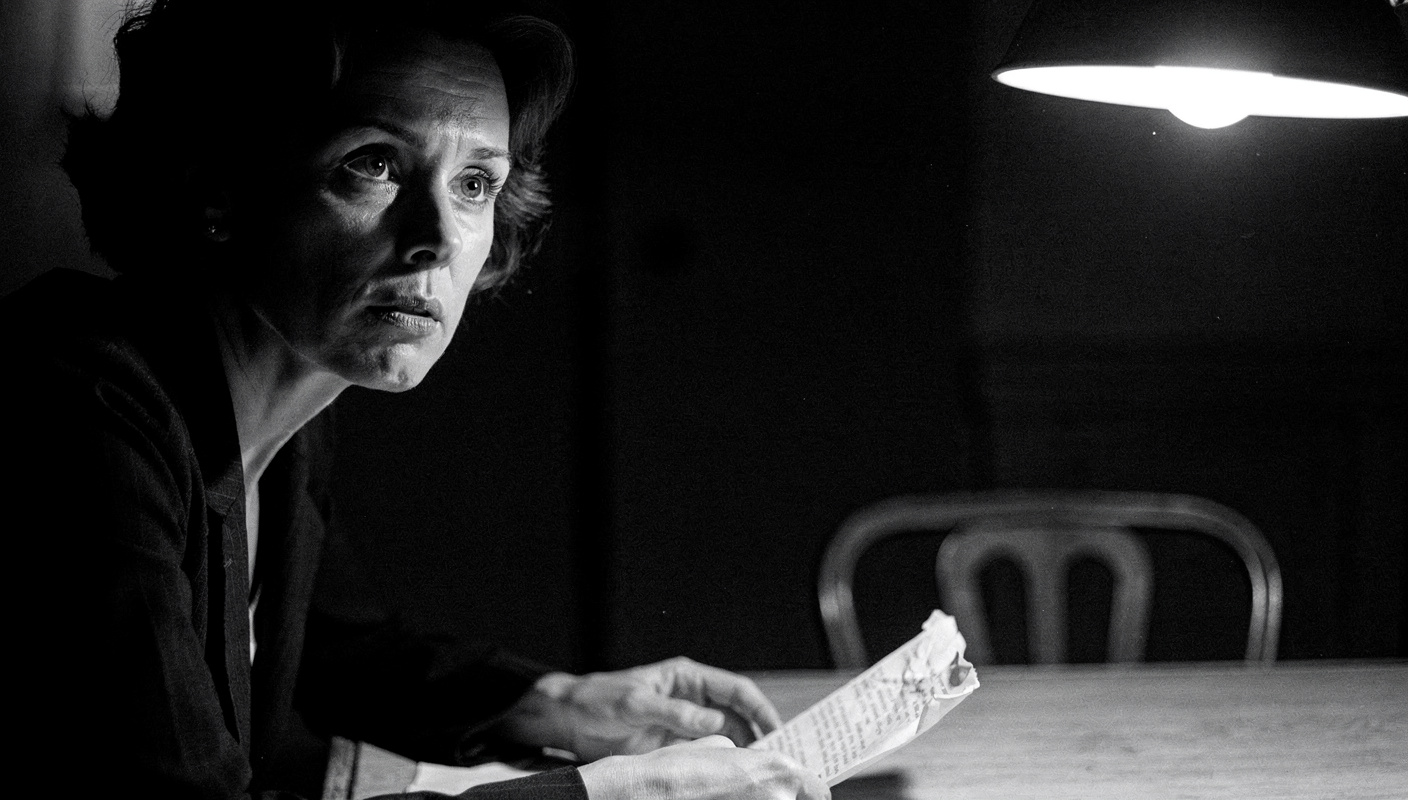
She delivered the no perfectly. The words were clear, the tone was measured, and the reasoning was solid. But the moment the word left her mouth, her eyes dropped to the table. In that half-second, everything she had said became a question. Her colleague leaned forward and started again, as if she had never spoken.
I have watched this happen dozens of times. The words say no. The gaze says maybe. And the other person, consciously or not, follows the gaze. Eye contact discipline is the piece most people miss when they prepare for a hard conversation. They rehearse the language, they think through the logic, and then they let their eyes undo all of it at the critical moment. This article gives you a concrete, step-by-step method for building a steady gaze in boundary-setting conversations, so your refusals carry the weight they deserve.
Why Your Gaze Breaks at Exactly the Wrong Moment
The eyes move away from discomfort. It is not a character flaw; it is physiology. When you say something that might displease someone, your nervous system registers a low-level threat and looks for an exit. That exit is almost always downward or to the side.
The problem is timing. Gaze aversion tends to happen at the precise moment your no lands, which is the moment the other person is watching you most carefully. They are not processing your words in isolation. They are reading your face, your eyes, your posture, all of it together. When your gaze breaks at the moment of refusal, they receive a contradictory message: "I said no, but I am not sure I mean it."
The discomfort is real. There is genuine physiological arousal in sustained eye contact during conflict, and your body responds to that arousal by wanting to withdraw. Understanding this helps, because you stop interpreting the impulse to look away as weakness and start treating it as a signal to apply your training. In nonverbal communication in tense situations, gaze behaviour is one of the primary indicators other people use to assess your conviction. It matters more than most people realise.
"The Conversation You're Avoiding Is the One You Need to Have."
"The Conversation You're Avoiding
Is the One You Need to Have."
Stop rehearsing conversations you'll never have. Say It Right Every Time gives you 115 word-for-word scripts and 16 proven frameworks to speak with confidence in every conversation that matters.
What You Need Before the Conversation Starts
Eye contact discipline does not begin the moment the other person walks into the room. It begins before that. There are two things that must be in place first.
The first is a settled body. You cannot regulate your gaze if your nervous system is flooded. Learn to use the 3-second pause before you enter the conversation, not just during it. Three slow breaths, jaw relaxed, shoulders dropped. This is not a ritual; it is physiological preparation that gives you the baseline composure your eyes need to stay steady.
The second is a clear, pre-decided no. Gaze aversion is often a symptom of internal uncertainty. If you have not fully committed to your refusal before the conversation begins, your eyes will tell the truth even when your words try to cover it. Decide what you are willing to say before you walk in. A prepared script matters here. You do not need a long one; even a single sentence, rehearsed and owned, gives your gaze something solid to stand behind. The conversation pre-mortem is worth doing before any exchange where you anticipate pressure to reverse your decision.
The Six-Step Process for Gaze Discipline
Step 1: Set Your Anchor Point Before You Speak
Choose where you will look before the conversation begins. The most effective anchor in a face-to-face conversation is the triangle formed by the other person's two eyes and their mouth. Aim your gaze at the centre of that triangle rather than locking onto one eye. This reads as direct and engaged without the aggressive quality of an unbroken stare. Knowing your anchor point before the pressure arrives means you are not searching for it when it matters most.
Step 2: Breathe Into the Opening
When the conversation begins, before you say anything, take one deliberate breath. This is not visible or dramatic; it is internal. The breath regulates your heart rate slightly and gives your facial muscles a signal to release. A tense face produces a tense gaze. You have seen eyes that look wired and searching rather than calm and present. Yours will look the same if your body is braced for combat. One breath, jaw soft, gaze at your anchor point.
Step 3: Hold the Gaze as the No Lands
This is the critical step, and the one most people fail. Train yourself to hold steady eye contact at the exact moment you deliver your refusal. Not before, not after. At the moment. Say the no while looking directly at the person. The words and the gaze must arrive together or the message fractures.
A simple example: "I am not able to take that on this quarter." Say those words while your eyes are settled on the anchor triangle. Do not let the gaze drop at "not able" or "this quarter." Hold it through the full sentence, then breathe. This single discipline, practiced in advance, changes how the refusal lands entirely.
Step 4: Pause and Hold After Delivery
After your no, there will be silence, or the other person will begin to respond. Do not look away during the pause. The pause is where most people lose it. The discomfort of silence triggers the impulse to fill it, often by softening the refusal or apologising, and the eyes go first. Hold your gaze through the pause. Keep your jaw relaxed. Do not add words. Let the silence carry its weight.
If the other person begins to push back, this is where your earlier preparation matters. The empathy bridge technique can help you acknowledge their reaction without retreating from your position. "I understand this is disappointing" delivered with a steady gaze is entirely different from the same words delivered while staring at the floor.
Step 5: Use Natural Gaze Rhythm, Not a Hard Stare
Eye contact discipline is not unblinking staring. That crosses into aggression, which damages the relationship and escalates the conversation. Aim for roughly 60 to 70 percent eye contact during the exchange. Blink naturally. When you are listening actively, you can allow your gaze to settle slightly without it reading as retreat. When you are speaking, especially when delivering or reaffirming the refusal, bring the gaze back to the anchor point with intention.
Think of it as a rhythm. Steady during delivery. Present during listening. Deliberate when pressure comes. You are not trying to win a staring contest; you are demonstrating that you are grounded in what you said. Learning to stay present during pushback is also a core part of staying grounded during a tense workplace conversation, which covers the broader body-and-mind discipline that supports your gaze.
Step 6: Rehearse the Gaze, Not Just the Words
This step is done before the conversation, and most people skip it entirely. Stand in front of a mirror. Deliver your no. Watch your own eyes as you speak. Notice exactly when they move, where they go, and what triggers the break. This rehearsal trains the neuromuscular habit of holding steady under pressure. Even three minutes of this practice before a hard exchange makes a measurable difference.
For those preparing for a particularly high-stakes refusal, I cover the practice of combining scripted delivery with body-anchored rehearsal in Say It Right Every Time For Women, where the focus is on building the full-body coherence that makes your words and your presence work as one, rather than pulling against each other.
Adjusting for Video Calls and Remote Conversations
Gaze discipline on a screen requires a specific adjustment that most people never make. On a video call, you instinctively look at the other person's face on the screen. This means you are looking at the centre of your monitor, not at the camera. The person on the other end sees your eyes aimed slightly downward, which reads as avoidance, especially when you are delivering a refusal.
The fix is deliberate and feels unnatural at first: speak to the camera lens, not to the face. When you deliver your no, look directly into the camera. The other person sees eyes looking straight at them. Keep your camera positioned at eye level, not below. A camera angled upward forces your gaze down toward the screen, which produces a posture of submission before you have spoken a word. Raise the laptop on a stand if you need to. Position matters as much as intention when the conversation is remote.
Where People Go Wrong: Four Gaze Mistakes in Boundary-Setting
The mistake: Looking away at the exact moment the no lands.
Why it happens: The body treats the moment of refusal as a micro-threat and looks for an exit.
What to do instead: Rehearse holding the gaze through the full sentence of refusal, using the mirror method in Step 6 until it becomes the default response.
The mistake: Overcompensating with an aggressive, unblinking stare.
Why it happens: People confuse firmness with dominance and try to project strength through intensity.
What to do instead: Use the 60-70 percent rhythm described in Step 5. Blink naturally. Aim for composed presence, not a power contest.
The mistake: Allowing the gaze to drift upward or sideways during the other person's pushback.
Why it happens: The brain is processing the pressure and the eyes reflect internal searching.
What to do instead: Ground yourself physically before the conversation using the breathing method in Step 2, and use the word-for-word scripts for de-escalating tension to reduce the cognitive load during the exchange, freeing more attention for your gaze.
The mistake: Lowering the eyes while softening or qualifying the no.
Why it happens: The softening language and the averted gaze arrive together as a package, both driven by the same discomfort.
What to do instead: Decide before the conversation which qualifications, if any, you intend to offer. Deliver them with the same steady gaze as the original refusal. If you are using the S.B.I. method to frame corrective feedback alongside your boundary, the factual structure helps you stay anchored so the eyes do not wander during the softer parts.
Your Gaze Discipline Checklist for Boundary-Setting Conversations
Use this before and during any conversation where you need to hold firm.
Before the conversation:
- Decide your no completely. Do not enter the room still negotiating with yourself.
- Take three slow breaths. Jaw relaxed. Shoulders dropped.
- Spend three minutes in front of a mirror, delivering your key phrase while holding your own gaze.
- Choose your camera position if the conversation is remote: camera at eye level, ready to speak to the lens.
During the conversation:
- Set your anchor point: the triangle between the other person's eyes and mouth.
- Take one quiet breath before you begin speaking.
- Deliver the no while holding the gaze. Do not let the eyes drop as the key word lands.
- Hold through the pause. Do not fill the silence with softening words.
- Maintain a natural rhythm: approximately 60-70 percent gaze, blinking normally.
- When pressure comes, drop your shoulders and return to the anchor point before responding.
After the conversation:
- Notice where the gaze broke, if it did, and at what moment.
- Rehearse that specific moment again before the next hard exchange.
The Say It Right Every Time For Women resource pairs this kind of nonverbal discipline with the verbal frameworks that make refusals clear and clean, because the gaze and the words must function as a single unit to be believed.
The Ground Beneath Your No
Here is the truth of it. People are not really watching your words when you set a limit. They are watching your eyes. They are reading whether you mean it, whether you will hold, whether a little more pressure will move you. Your gaze is the first and clearest signal they have. A steady, calm gaze during a refusal does not require forcefulness or a raised voice. It requires preparation, practice, and the willingness to stay present in a moment of discomfort.
Eye contact discipline is not natural for most people in conflict. It takes repetition, and it takes honest self-observation, watching yourself in a mirror, noticing when your eyes give you away, and training the habit one conversation at a time. The process is in your hands now. The next time you need to say no and mean it, your gaze is where you start.
Frequently Asked Questions (FAQ)
What is eye contact discipline in difficult conversations?
Eye contact discipline is the deliberate practice of holding a steady, calm gaze during high-pressure exchanges without staring aggressively or looking away in discomfort. It signals that you mean what you say and that pressure will not change your answer. It is a trainable skill, not a personality trait.
How do I hold eye contact when saying no without feeling aggressive?
Use soft focus rather than a hard stare. Aim your gaze at the triangle between the other person's eyes and mouth rather than locking onto one eye. Breathe steadily. The goal is calm presence, not dominance. When your body is settled, your gaze naturally communicates firmness without hostility.
Why do people break eye contact when they are saying no?
Breaking eye contact when refusing a request usually happens because the body registers discomfort and looks for an exit. Guilt, uncertainty, or the fear of conflict all trigger gaze aversion. The look away reads as hesitation or apology to the other person, which often invites them to push harder.
How long should eye contact last when holding a firm boundary?
In a boundary-setting conversation, maintain eye contact for roughly 60 to 70 percent of the exchange. Hold it steady while you deliver your no, then allow natural breaks during listening. Constant unblinking staring creates aggression. Rhythmic, deliberate gaze shows confidence without turning the moment into a contest.
Can eye contact discipline be practiced before a difficult conversation?
Yes, and it should be. The most effective practice is rehearsing your key phrases while holding your own gaze in a mirror. This trains your nervous system to associate the words with steadiness rather than discomfort. Even three minutes of this before a hard conversation produces a measurable difference in composure.
Does eye contact discipline work differently in remote or video conversations?
On video calls, eye contact discipline means speaking to the camera lens rather than the face on the screen. This feels unnatural at first but creates the perception of direct gaze for the other person. Position your camera at eye level so your natural posture does not tilt your gaze downward, which reads as submission.
What is the biggest mistake people make with eye contact when refusing a request?
The most common mistake is breaking eye contact at the exact moment of refusal, which undermines the words completely. The body looks away just as the no is delivered, and the other person reads hesitation rather than decision. Train yourself to hold the gaze precisely when the no lands, then breathe and allow a natural pause.