
In Short
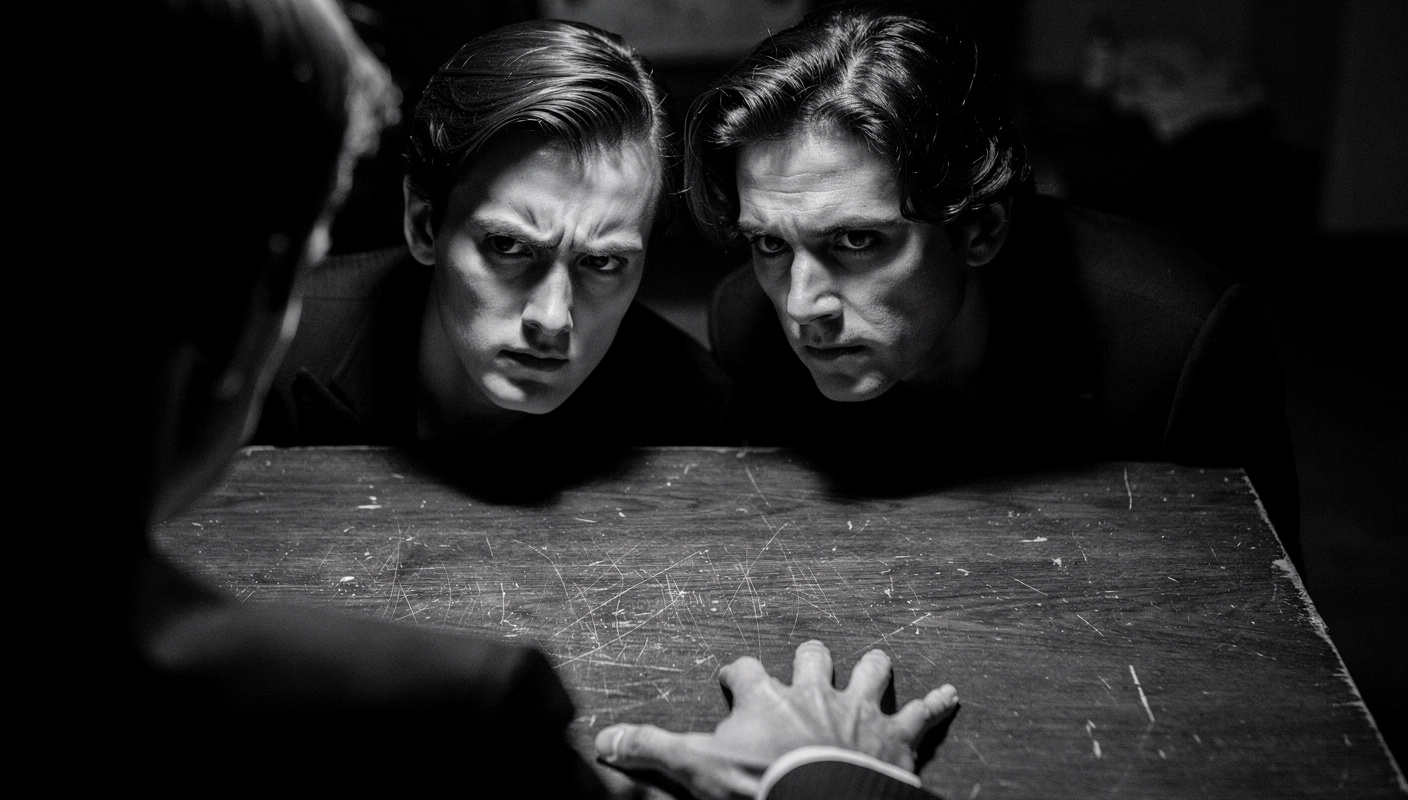
Eye contact gaze is not a single behaviour. It shifts its meaning depending on who is using it and why.
- Babies use gaze to seek safety and build their first emotional bonds.
- Leaders use sustained eye contact to project authority and hold a room's attention.
- Salespeople calibrate gaze to create comfort and signal genuine interest.
Eye contact gaze is the deliberate act of directing your eyes toward another person's eyes during communication. It functions as a primary nonverbal signal of attention, trust, and intent, and its effect depends entirely on duration, context, and the relationship between the people involved.
A baby locked in on her mother's face. A CEO holding a room with a look that needs no words. A salesperson leaning in just enough to say, without speaking: I am here, and I am listening. These three people are all doing the same thing, technically. All three are using eye contact. But what they are doing could not be more different. I have spent six decades watching how people use their eyes in conversation, and I still find it remarkable how much a single sustained gaze can carry: authority, warmth, threat, safety, hunger, boredom. Learning to read and use eye contact gaze well is not a trick. It is one of the most honest skills in communication.
What Babies Know About Gaze That Adults Forget
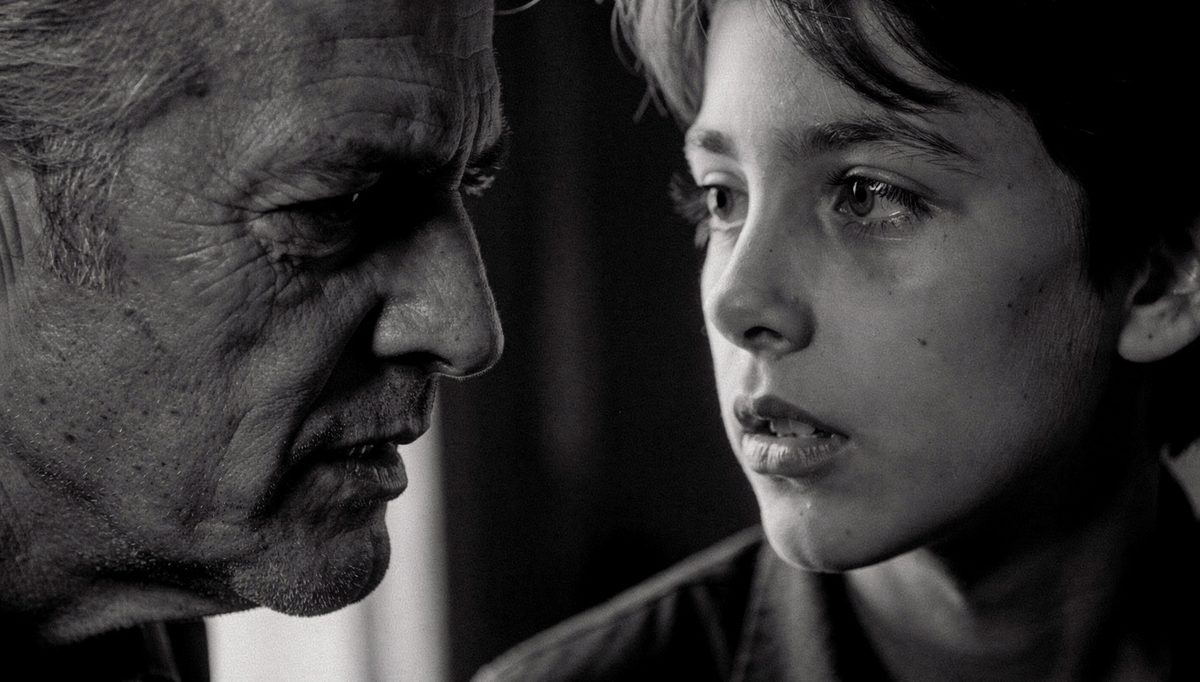
Before a child can speak, she is already fluent in gaze. Watch a newborn's face track toward a caregiver's eyes within days of birth. She is not doing this by choice. She is doing it because her survival depends on connection, and gaze is the first bridge she has.
This kind of eye contact is about safety. It asks: Are you with me? Am I safe? The caregiver's return gaze answers: Yes. That exchange, repeated thousands of times in a child's early life, is what builds the capacity for trust.
Here is what adults lose as they grow older: that raw, uncalculated need for gaze-as-connection. Most adults start managing their eye contact, shaping it for effect. That is sometimes necessary, but it costs something. The baby's gaze is completely honest. It is not performed. It simply reaches.
If you want to rebuild trust with someone who feels guarded around you, think about that infant gaze. Not staring. Not intensity. Just: I see you. I am present. It is slower and quieter than most people expect, but it works. Understanding nonverbal communication in tense situations often begins with understanding this: a soft, steady gaze can lower tension faster than any carefully chosen word.
"The Conversation You're Avoiding Is the One You Need to Have."
"The Conversation You're Avoiding
Is the One You Need to Have."
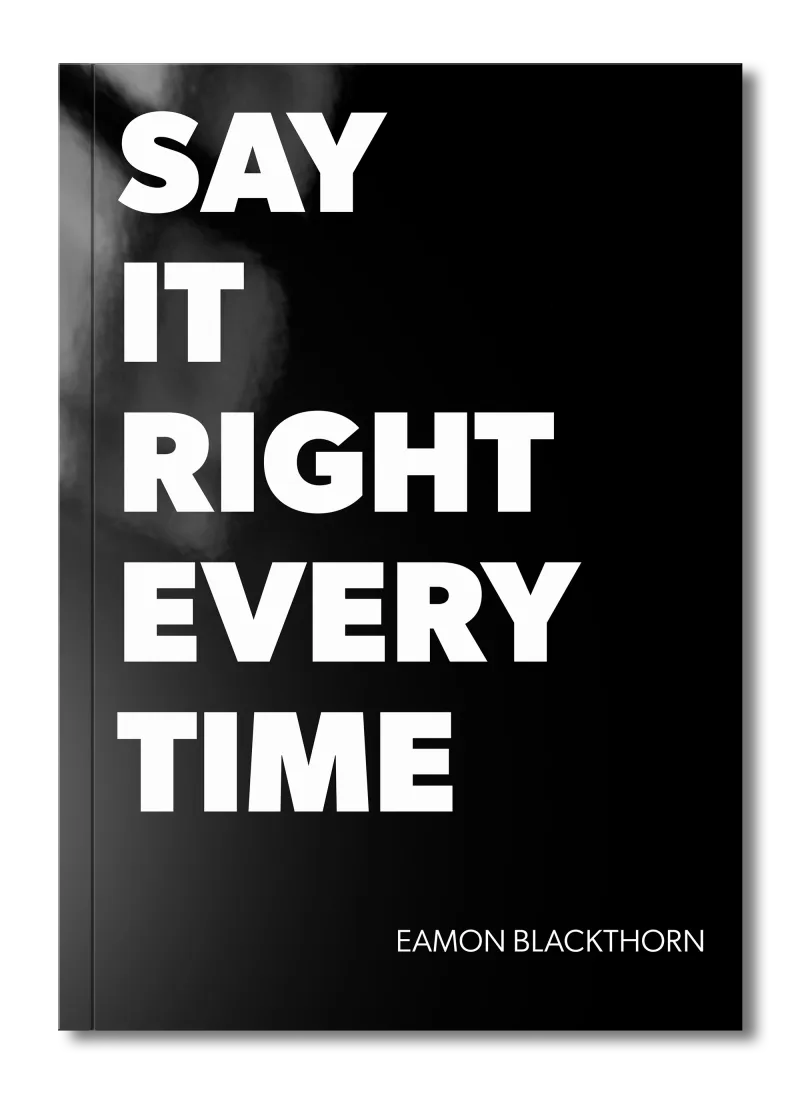
Stop rehearsing conversations you'll never have. Say It Right Every Time gives you 115 word-for-word scripts and 16 proven frameworks to speak with confidence in every conversation that matters.
How Leaders Use Eye Contact to Hold a Room
A leader does not speak to a room. She speaks through her gaze, one person at a time.
I once watched a managing director walk into a boardroom where three factions were already simmering. She said nothing for a moment. She looked at one person, then another, then a third. Her gaze was not threatening. It was simply certain. By the time she spoke, the room had already settled. That is eye contact gaze used at its most precise.
Effective leaders use direct gaze in two ways.
The first is sustained focus: looking at one person long enough to signal that they are genuinely being seen. This is not a glance. It holds through a full thought, then releases. It communicates respect and attention simultaneously.
The second is deliberate scanning. In a group, a leader moves her gaze intentionally, pausing on individuals rather than sweeping across faces. Each pause is a micro-signal: I see you here. You are part of this. If you have ever felt invisible in a meeting because the speaker looked only at one corner of the room, you understand the cost of getting this wrong. Meeting facilitation skills for managers depend heavily on this kind of inclusive gaze, because inclusion is felt before it is spoken.
The danger for leaders is overuse. A gaze held too long tips from authority into aggression. It makes people want to look away, which is the opposite of what you need. The strongest leaders I have observed know when to hold and when to release.
The Salesperson's Gaze and the Art of Calibration
A salesperson's gaze is not about dominance. It is about mirroring and responsiveness. Where a leader's eye contact says I hold this space, a salesperson's says I am entirely focused on you.
This is a finer skill than it sounds. Get it wrong in one direction and you come across as desperate, staring too hard, trying too much. Get it wrong in the other direction and you seem distracted or indifferent. The good ones find a rhythm that matches the other person's comfort level, adjusting in real time as the conversation shifts.
The critical moment in any sales conversation is when doubt appears in the buyer's face. Most people look away at that point, nervous about the resistance. The skilled salesperson holds the gaze. Not aggressively, but steadily. It says: I am not running from this. I believe what I am telling you. That kind of confidence, communicated through nothing more than sustained eye contact, can change the trajectory of a conversation.
This responsiveness, reading another person's comfort through their gaze and adjusting accordingly, is also what makes someone feel genuinely heard. It is why how to ensure every participant gets heard in any group setting starts with where you put your eyes, not just what you say.
Three Beliefs About Eye Contact That Lead People Wrong
Most people arrive at adulthood with some version of these three ideas about eye contact. All three cause real problems.
The mistake: Constant eye contact proves you are confident and engaged.
Why it happens: We are told from an early age to "look people in the eye," without being told there is a limit.
What to do instead: Break your gaze naturally every few seconds. Look away to think, to gesture, to acknowledge a pause. Unbroken staring reads as aggression or performance, not confidence.
The mistake: Avoiding eye contact means someone is lying.
Why it happens: It feels intuitive. Gaze aversion looks guilty. But gaze aversion also signals concentration, anxiety, cultural deference, and deep thought.
What to do instead: Read gaze direction alongside posture and tone before drawing conclusions. A person looking down while choosing their words is often searching for honesty, not hiding from it.
The mistake: Eye contact works the same way with everyone.
Why it happens: We apply the rules we learned in our own culture universally.
What to do instead: Recognise that in many cultures, prolonged direct gaze toward a senior person signals disrespect, not confidence. Before reading someone's gaze as evasion, consider where they are coming from. This matters particularly in group discussions, where how to deal with dominant voices in a discussion often involves reading who is making eye contact with whom, and what that gaze is actually communicating.
When Gaze Goes Right and When It Goes Wrong
Let me give you three moments from real professional life.
A project manager is running a tense debrief after a missed deadline. She looks only at the slides. Her team reads this as disengagement, maybe as blame avoidance. Trust drops. Now imagine her running the same debrief making deliberate, brief eye contact with each person as she names what went wrong. Same words. Different gaze. Completely different atmosphere.
A senior partner introduces a new team member to a client. As the client speaks, the new team member glances repeatedly at his phone. The client notices. He does not say anything, but his tone shifts. By the end of the meeting, something has been lost that will take weeks to rebuild. The role of communication in meeting success includes this: undivided gaze is a form of respect, and its absence is noticed even when no one names it.
A manager is mediating a heated argument between two colleagues. One person is speaking with rising intensity. The manager holds steady eye contact with the speaker, not matching the heat but not flinching from it. That steadiness communicates: I hear you. You do not need to escalate to be taken seriously. The volume comes down. Knowing how to de-escalate arguments during meetings is partly about managing what you say, but it is just as much about managing where your eyes go.
What You Can Actually Do Differently Starting Now
Here is where I will be direct with you, because this is the part most articles skip.
Eye contact gaze is a practice, not a personality trait. If you find it difficult, you were probably not taught it, or you were taught it badly. The fix is not therapy. It is repetition with attention.
In your next one-on-one conversation, try this: hold your gaze long enough to complete one full thought before you look away. Not the whole conversation. Just one thought at a time. Notice how the other person responds. Most people lean in slightly. The conversation deepens. That small adjustment sends a signal that goes well beneath words.
In your next group setting, pick the person who seems least engaged and give them a deliberate, unhurried moment of eye contact during your speaking turn. Not a stare. A pause and a look that says: I am talking to you too. Watch what happens to their body language.
And if you manage people, remember this: the gaze you give someone when they bring you a problem tells them whether to bring you the next one. Make it count. Gaze aversion or distraction in those moments creates exactly the kind of pressure that what is the amygdala hijack and how it escalates workplace tension describes so well: when people feel unseen, they shift into self-protection.
The baby reaches for connection. The leader holds the room. The salesperson reads the person in front of her. None of them have a magic gift. They each learned, through practice, how to use their gaze with purpose. So can you. And learning eye contact gaze well is one of the highest-return investments you will ever make in your communication.
Frequently Asked Questions (FAQ)
What is eye contact gaze and why does it matter?
Eye contact gaze is the deliberate act of directing your eyes toward another person during communication. It signals attention, confidence, and respect. When it is absent, people read it as disinterest or evasion. When it is present and calibrated, it builds trust faster than almost any other nonverbal signal.
How long should eye contact last in a conversation?
Most natural eye contact in conversation lasts between three and five seconds before briefly breaking. Holding it longer signals dominance or intensity. Breaking it too often signals anxiety or disinterest. The goal is a rhythm that feels engaged without becoming a stare that makes the other person uncomfortable.
Does eye contact mean the same thing in every culture?
No. In many Western cultures, sustained eye contact signals confidence and honesty. In some East Asian, African, and Middle Eastern cultures, prolonged direct gaze toward an authority figure can signal disrespect. Before reading someone else's gaze, consider the cultural context they are coming from.
How do leaders use eye contact differently from salespeople?
Leaders use eye contact to project authority and hold group attention, often sustaining a gaze longer and scanning a room with deliberate pauses. Salespeople use gaze to build one-on-one rapport and mirror the buyer's comfort level. The goal differs: leaders hold the room, salespeople hold the person.
What does it mean when someone avoids eye contact?
Gaze aversion can mean nervousness, shame, cultural deference, or deep thought. It does not automatically mean dishonesty. Many people look away when they are concentrating or searching for the right words. Read gaze aversion in context, alongside posture and tone, before drawing any conclusion.
How can I improve my eye contact in presentations or meetings?
Practice holding your gaze on one person long enough to complete a full thought before moving to the next. In a group, move your gaze deliberately rather than scanning randomly. For high-stakes moments, look at the person you most need to reach rather than the safest face in the room.