Workplace & Teams News
Expert commentary on workplace & teams communication events and trends.

Why Bad Workplace Behaviour Kills Strategy and Talent
A workplace can have every advantage on paper: the latest software, a solid game plan, and staff with impressive credentials. Yet performance still collapses. Research and real-world evidence keep pointing to the same culprit: toxic behaviour between people. When colleagues undermine, exclude, or disrespect each other, no amount of investment in systems or strategy rescues the organisation from itself.

What Remote Managers Get Wrong About Communication
Harvard Business School Online recently published a guide outlining twelve tips for managers navigating remote team leadership. The piece covers familiar territory: communication, trust-building, and accountability across distributed workforces. Remote work is now a permanent fixture for millions of professionals, and institutions like HBS are racing to codify best practices for a management challenge that isn't going away.

5 Generations at Work: Stop Managing Age, Start Listening
For the first time in modern history, five distinct generations are sharing the same office floor. Managers are scrambling to adjust how they lead, how they communicate, and how they build teams that actually function. The pressure is real, but the premise driving most of the panic might be completely wrong.

Why Performance Reviews Fail (And How to Fix Them)
Small Business Trends published a guide offering seven ready-to-use performance appraisal examples for managers. The piece targets small business owners and team leads who want to give structured employee feedback but lack a formal HR system. It promises practical language they can deploy immediately to improve how they evaluate and develop their people.
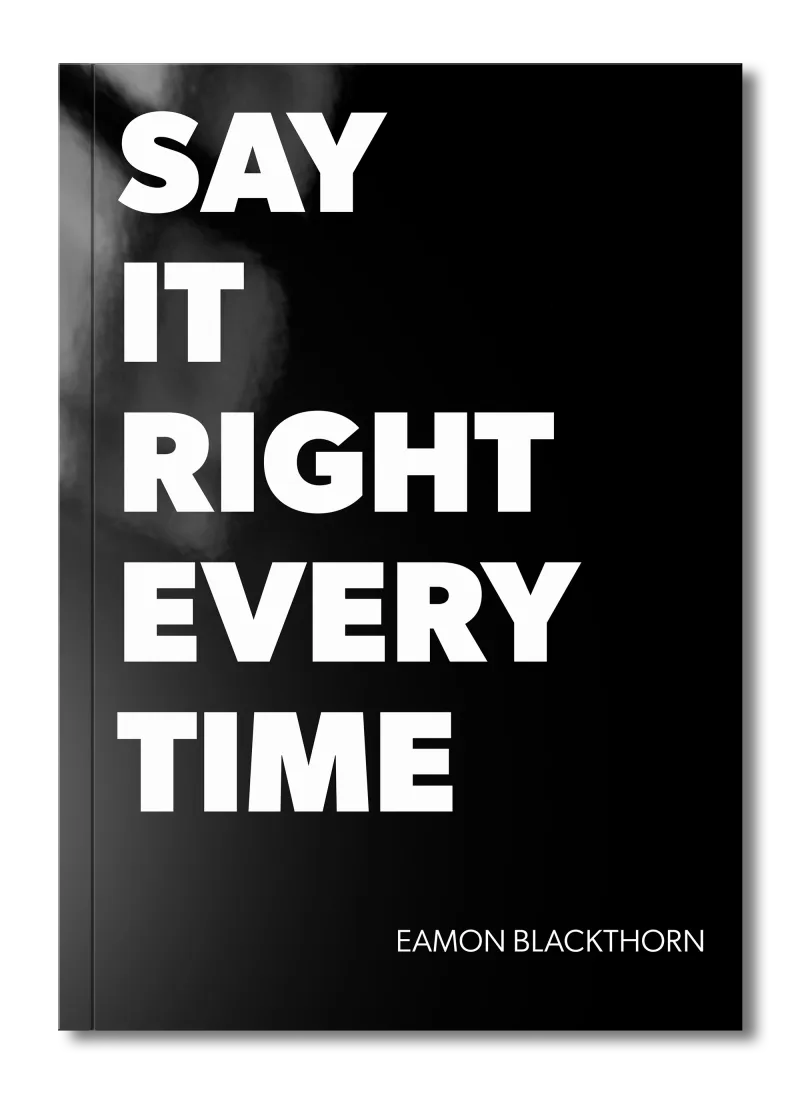
Never Be Lost for Words Again
Get word‑for‑word scripts for the conversations that shape your life, from job interviews and negotiations to difficult talks with family and partners, so you always know exactly what to say and how to say it.
Never Be Lost
for Words Again
Get word‑for‑word scripts for the conversations that shape your life, from job interviews and negotiations to difficult talks with family and partners, so you always know exactly what to say and how to say it.

What Emotional Intelligence Really Looks Like at Work
Emotional intelligence at work has become a popular topic, with more organizations examining how self-awareness, empathy, and regulation of emotion affect team performance and leadership outcomes. The conversation has shifted from treating emotional intelligence as a soft, optional skill to recognizing it as a core communication competency. Most professionals, however, still confuse knowing about emotional intelligence with actually practicing it in real interactions.

What Emotional Intelligence Really Looks Like at Work
The conversation around emotional intelligence at work has moved from HR buzzword to boardroom priority. Organizations are now recognizing that how employees manage their emotions and read others directly shapes team performance, conflict resolution, and leadership effectiveness. The shift is notable: companies are no longer treating emotional intelligence as a soft skill that's nice to have. They're treating it as a core competency they need to develop deliberately.

The 2-Second Pause That Builds Executive Presence
Indian communication coach Sakshi Kapila, founder of SaKa Learning Systems, recently shared her philosophy on executive presence in a published interview. With over a decade of coaching professionals, leaders, and pageant contestants, Kapila argues that most people confuse speed with competence when they speak. Her core claim: a deliberate pause before responding transforms how others perceive your authority and clarity.

Why Annual Surveys Fail Your Team's Communication
Companies have long relied on once-a-year employee surveys to gauge team health, but a growing wave of continuous feedback platforms is exposing how badly that model fails. By the time annual results arrive, the team that answered the questions may not even exist anymore. Leadership changes, talent departures, and new pressures can transform a team in weeks. The data is stale before the ink dries.
Never Be Lost for Words Again
Get word‑for‑word scripts for the conversations that shape your life, from job interviews and negotiations to difficult talks with family and partners, so you always know exactly what to say and how to say it.
Never Be Lost
for Words Again
Get word‑for‑word scripts for the conversations that shape your life, from job interviews and negotiations to difficult talks with family and partners, so you always know exactly what to say and how to say it.

Gen Z Communication Style Is Reshaping Workplaces
Younger workers entering today's offices are not simply adjusting to existing communication norms. They are dismantling them. Gen Z employees have arrived with a preference for fast digital messaging, flattened authority structures, blunt emotional honesty, and yes, the occasional workplace meme. Older generations are noticing, and many are not pleased. But discomfort is not the same as being right.

What Remote Managers Get Wrong About Communication
Harvard Business School Online published a guide outlining twelve strategies for managing remote teams effectively. The piece covers practical ground: building trust across distances, running productive virtual meetings, and keeping distributed workers engaged and accountable. It reflects a broader industry reckoning with the fact that most managers were handed remote teams without being handed the tools to lead them.

Remote Team Communication: What Most Managers Get Wrong
Harvard Business School Online recently published a guide offering twelve tips for leaders managing remote teams. The piece covers practical territory: building trust across distance, maintaining accountability, and keeping communication consistent without a shared physical space. It is aimed at managers who are either new to remote leadership or struggling to make it work. The stakes are real. Remote work is not going away, and most managers were never trained for it.

Is British Insurance Too Polite to Communicate Honestly?
British insurance professionals have a reputation problem, and it is one they are far too polite to fix. Industry observers are raising questions about whether culturally ingrained conflict avoidance is hurting UK firms from the inside out. The concern is not about customer service. It is about internal communication: whether underwriters, brokers, and managers can actually tell each other the truth when it counts.

How Turning an Insult Into a Movement Works

What Remote Team Advice Always Gets Wrong

Executive Presence: The Communication Skills That Actually Work

When Family Pressure Threatens Your Best Employee

£51.2 Billion Workplace Conflict: A Communication Fix

When Defending Someone Makes Things Worse

What the WA Nurses Union Meltdown Teaches About Communication