
What Happened
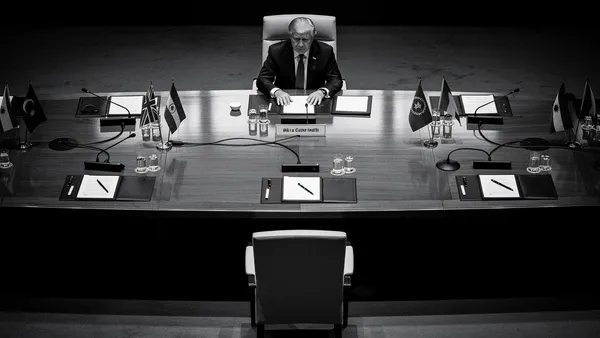
India and Nepal share a complicated history, and recently a senior figure used the phrase "old baggage" to describe the unresolved tensions between the two nations. That casual framing landed poorly and reignited debate about how leaders talk about historical grievances. When you reduce decades of border disputes, treaty resentments, and sovereignty concerns to a piece of luggage, you have not simplified the conversation. You have insulted it.
The Communication Angle
Here is the lesson: the words you choose to minimize a conflict tell your audience exactly how seriously you take them.
"Old baggage" is what therapists call a dismissive reframe. It sounds breezy and modern. It signals that the speaker wants to move forward without doing the work of acknowledging the past. In a domestic argument, this is bad manners. In geopolitics, it is a strategy failure. Nepal's grievances with India, whether about the 2015 blockade, the disputed Kalapani territory, or water-sharing agreements, are not emotional clutter to be checked at the door. They are the door.
The specific problem with "old baggage" as a rhetorical choice is that it frames the aggrieved party as the obstacle. Think about what the phrase implies: someone is carrying this stuff around, and it is slowing everyone down. The burden is on the person holding the bag, not on the person who packed it. This is a classic power move, usually deployed by the stronger party in a relationship to pressure the weaker one into silence. Nepal noticed. Of course Nepal noticed.
What should have been said instead? Something direct and honest. A phrase like "unresolved commitments" or "long-standing disputes we have not yet solved" does something different. It places responsibility on both sides. It treats the history as a shared problem, not one party's emotional excess. That framing opens a door. "Old baggage" closes one.
Professionals can apply this immediately. Anytime you are entering a negotiation or difficult conversation where history is involved, audit your vocabulary before you open your mouth. Ask yourself: does this word put the burden on them or share it? Does this phrase acknowledge what happened, or does it wave it away? The side that controls the framing controls the conversation. Use that power carefully, because the other side is listening more closely than you think.
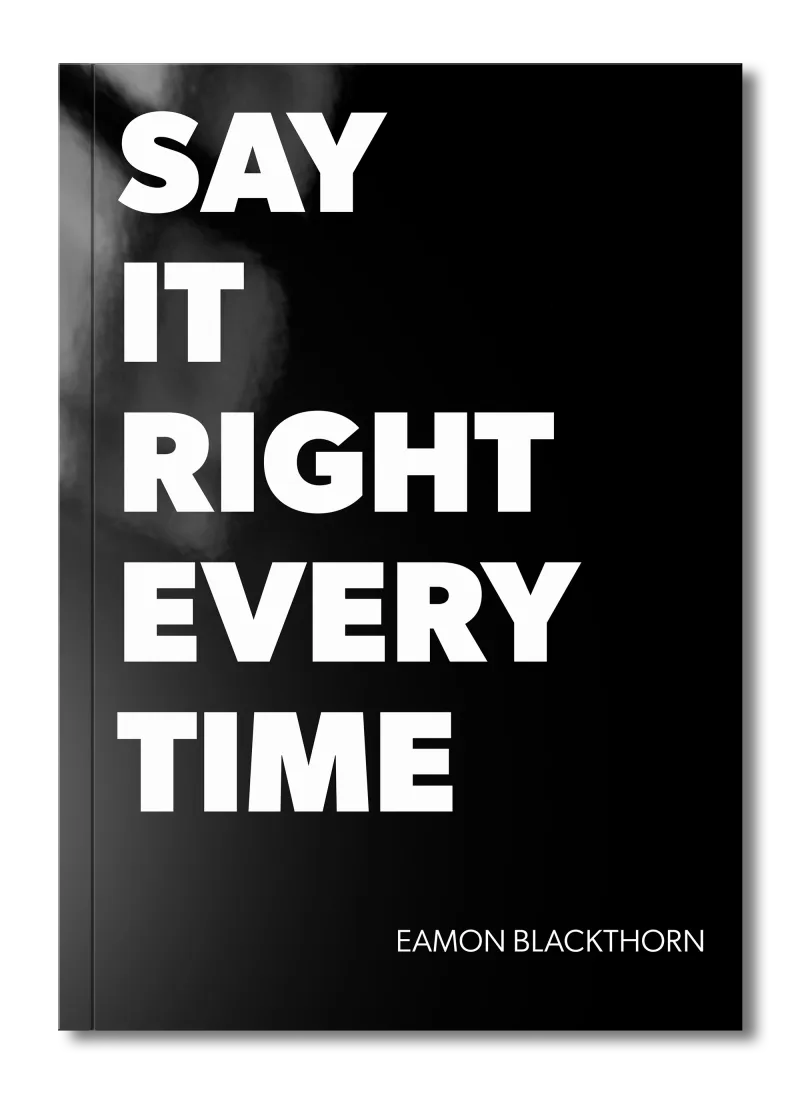
This is exactly the kind of scenario I break down in Say It Right Every Time. The chapter on framing in conflict conversations gives you a framework for auditing your language before high-stakes moments, specifically how to identify when your word choice is accidentally assigning blame and how to swap it for language that keeps both parties at the table. The Nepal situation is a textbook case of what happens when that audit never happens.
Never Be Lost
for Words Again
Get word‑for‑word scripts for the conversations that shape your life, from job interviews and negotiations to difficult talks with family and partners, so you always know exactly what to say and how to say it.
Never Be Lost
for Words Again
Get word‑for‑word scripts for the conversations that shape your life, from job interviews and negotiations to difficult talks with family and partners, so you always know exactly what to say and how to say it.
Key Takeaway
Before your next difficult conversation involving a past conflict, write down the specific grievance the other person holds and name it out loud in your preparation. Not a vague summary. The actual grievance. If you cannot name it precisely, you are not ready to talk about moving forward. Only after you have named it accurately can you choose language that invites resolution rather than resentment.