

What Happened
Status is the invisible engine running beneath every office interaction. A recent piece from NRC examines how workplace hierarchies shape what motivates people, what starts conflicts, and why talented employees sometimes make career choices that look irrational on paper. The core finding is blunt: people are not just chasing money or titles. They are chasing the feeling of being valued, seen, and respected by the people around them.
The Communication Angle
Here is the comparison that matters. Two managers face the same situation: a high performer starts coasting. Manager A calls a meeting and talks about output, deadlines, and numbers. Manager B opens with: "I've noticed you're not being pulled into the decisions where your thinking is strongest. Is that fair?" One conversation is about performance. The other is about status. Manager B wins every time.
Manager A is not wrong about the facts. The numbers are slipping. But the diagnosis is off. When a strong employee pulls back, it is almost never about laziness. It is about a perceived drop in standing. They feel less consulted, less visible, less central to the team. Talking about output misses the wound entirely. It can even deepen it, because now the person feels watched rather than valued.
Manager B's approach works because it names the real problem out loud. That one sentence does three things at once. It signals careful observation (you noticed something specific, not just a metric). It offers a hypothesis without accusation (you are not telling them what they feel, you are asking). And it opens a door to a real conversation about status and belonging, which is where the actual friction lives.
The mistake most professionals make is treating status as a soft, almost embarrassing topic. They dance around it with words like "engagement" and "alignment." That is the wrong move. Status is concrete. People know exactly where they stand in a room. They feel it when they are left off an email thread, when their idea gets credited to someone else, when they are introduced last. Naming it directly is not awkward. It is a relief. It tells the other person you are dealing with reality, not performance reviews.
The practical skill here is learning to read the status signal behind any communication breakdown. Conflict about a project deadline is rarely about the deadline. Resistance to feedback is rarely about the feedback. Ask yourself: where has this person's standing been quietly eroded? Then address that, directly and first.
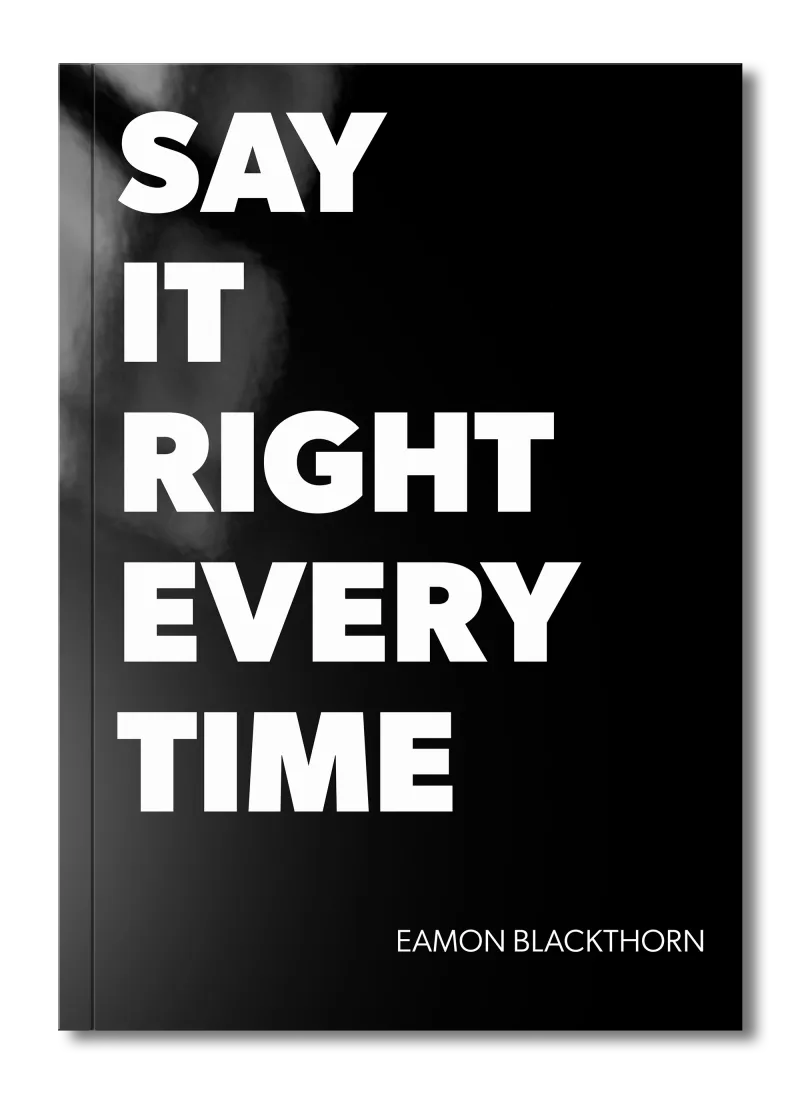
This is exactly the kind of scenario I break down in Say It Right Every Time. The chapter on reading beneath the surface of conflict gives you a framework for identifying the real grievance inside any workplace tension, so you can address the root instead of arguing endlessly about the symptoms.
Never Be Lost
for Words Again
Get word‑for‑word scripts for the conversations that shape your life, from job interviews and negotiations to difficult talks with family and partners, so you always know exactly what to say and how to say it.
Never Be Lost
for Words Again
Get word‑for‑word scripts for the conversations that shape your life, from job interviews and negotiations to difficult talks with family and partners, so you always know exactly what to say and how to say it.
Key Takeaway
Before your next conversation with someone who seems disengaged or difficult, write down one sentence that names the status shift you think they have experienced. Not "you seem unmotivated" but something specific: "You've been left out of the last three client meetings and I want to talk about that." Say that sentence first. Everything after it will land better.