
What Happened
The DEAR 2026 Gala, hosted by a Toastmasters chapter, brought together professionals to honor standout leaders and communicators. The event recognized individuals for excellence in public speaking, mentorship, and leadership development. It was, at its core, a celebration of people who took communication seriously enough to practice it, compete in it, and teach it to others.
The Communication Angle
Here is the uncomfortable truth about most awards ceremonies: they celebrate the result while completely ignoring the process. A trophy gets handed to someone, applause happens, and nobody walks away knowing how to do what the winner did. That is a wasted room full of people.
The DEAR 2026 Gala had a real opportunity to do something different, and based on what these Toastmasters events typically deliver, some of them probably did. Now here is the comparison that matters.
What most organizations do: They run an awards night as a highlight reel. Best speech wins. Loudest applause wins. The winner gives a gracious thank-you, names their parents, and sits down. The audience claps and forgets everything by Tuesday.
What the best communication events do: They treat the award moment as a teaching moment. When a winner is introduced, the announcer does not just list their achievements. The announcer explains the specific decision the winner made that changed an outcome. They say: "Maria won because she chose silence over filler words during a high-pressure Q&A, and it shifted the entire room." That is a lesson every person in attendance can steal and use the next morning.
Mentorship recognition works the same way. Naming someone as a great mentor means nothing unless you describe what mentorship looked like in practice. Did they give brutal, specific feedback? Did they make their mentees rehearse in front of strangers? Did they teach someone to slow down when the nerves speed them up? Those specifics are worth more than any plaque.
The gala format works best when it stops treating communication as a talent and starts treating it as a set of repeatable choices. That is the real lesson Toastmasters has always carried, even when the event format sometimes buries it.
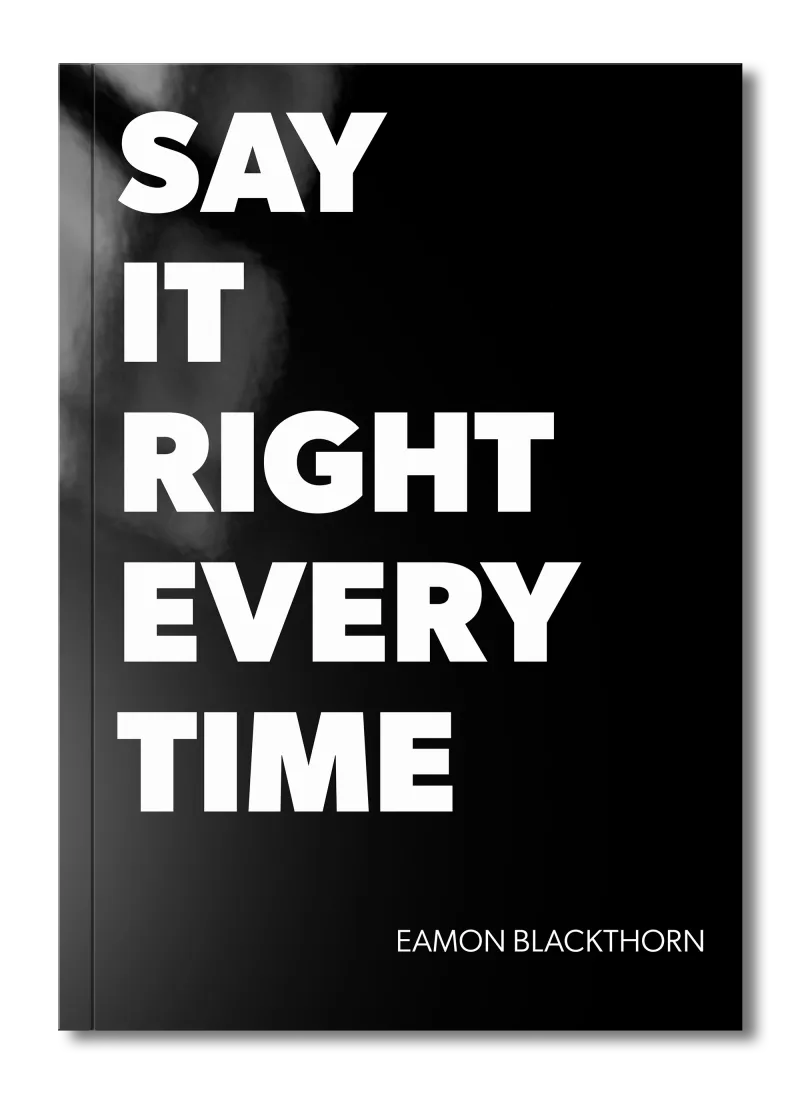
This is exactly the kind of scenario I break down in Say It Right Every Time. The chapter on recognition and framing gives you a framework for turning praise into instruction without making it feel clinical. Most people think recognition is about the person being recognized. It is not. It is about what you want everyone else in the room to understand and repeat. Get that framing right, and every award you give becomes a communication lesson in disguise.
Never Be Lost
for Words Again
Get word‑for‑word scripts for the conversations that shape your life, from job interviews and negotiations to difficult talks with family and partners, so you always know exactly what to say and how to say it.
Never Be Lost
for Words Again
Get word‑for‑word scripts for the conversations that shape your life, from job interviews and negotiations to difficult talks with family and partners, so you always know exactly what to say and how to say it.
Key Takeaway
The next time you recognize someone on your team, whether in a meeting, an email, or a company-wide announcement, do not just name what they did. Name the one specific choice they made that others can copy. Instead of "Sarah delivered an outstanding client presentation," say "Sarah opened with the client's own words from last quarter's feedback, and it reset the entire tone of the meeting." That one sentence teaches your whole team something. The generic version teaches them nothing.