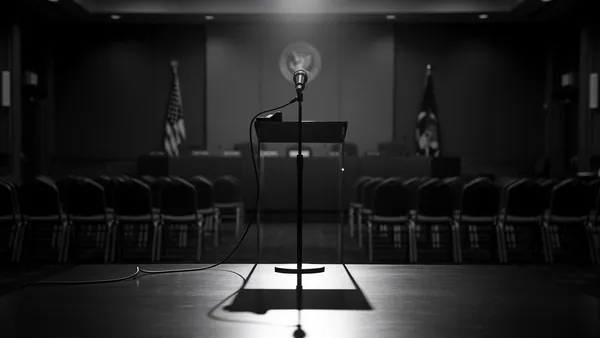

What Happened
Celebrity scandals are nothing new, but the playbook for surviving them has changed dramatically. In recent years, public figures have attempted public redemptions with wildly different results, some clawing their way back to relevance while others disappeared entirely. The difference between those two outcomes almost never comes down to the severity of the scandal. It comes down to how they communicated their way through it.
The Communication Angle
Picture this: a famous face appears on a talk show, eyes glistening, voice carefully measured, delivering what sounds like a heartfelt apology. The audience leans in. Then comes the "but." One word. Three letters. And just like that, every ounce of goodwill evaporates.
This is where most celebrity reputation recoveries die. Not in the scandal itself. In the response.
The public is remarkably forgiving. What they cannot stomach is being managed. The moment an apology starts to feel like a strategy, it stops working as one. Audiences have finely tuned radar for inauthenticity, and professional PR polish often sets it off louder than the original offense ever did. The celebrities who come back successfully do one thing differently: they drop the script and speak like a human being who actually understands what they did wrong.
Specificity is the most underused tool in a public apology. Vague regret ("I'm sorry if anyone was hurt") signals that you are protecting yourself. Specific acknowledgment ("I lied publicly, and that destroyed trust people had placed in me") signals that you actually understand the damage. The first version is legal language wearing an emotional costume. The second is a real person talking. Audiences cannot always articulate why one lands and the other doesn't, but they feel it instantly.
Timing matters just as much as content. The instinct in a crisis is to go silent while lawyers talk. That silence, when it stretches too long, fills up with speculation, and the public writes its own story about you. That story is almost always worse than the truth. Getting out early with an incomplete but honest statement beats a polished response that arrives three weeks late. You don't need all the answers. You need to show up.
The celebrities who engineer lasting comebacks also understand sequencing. A single apology is not a comeback. It is the first sentence of a much longer conversation. The ones who rebuild credibility do it through sustained, consistent behavior over time, not one viral moment of apparent vulnerability. They let their work do the talking, they stop seeking sympathy, and they give the public room to come to their own conclusions.
This is exactly the kind of scenario I break down in Say It Right Every Time. The chapter on accountability language gives you a framework for building statements that acknowledge harm without collapsing into self-pity or hiding behind corporate-speak. The line between those two failure modes is narrow, and most people fall off one side or the other without realizing it.
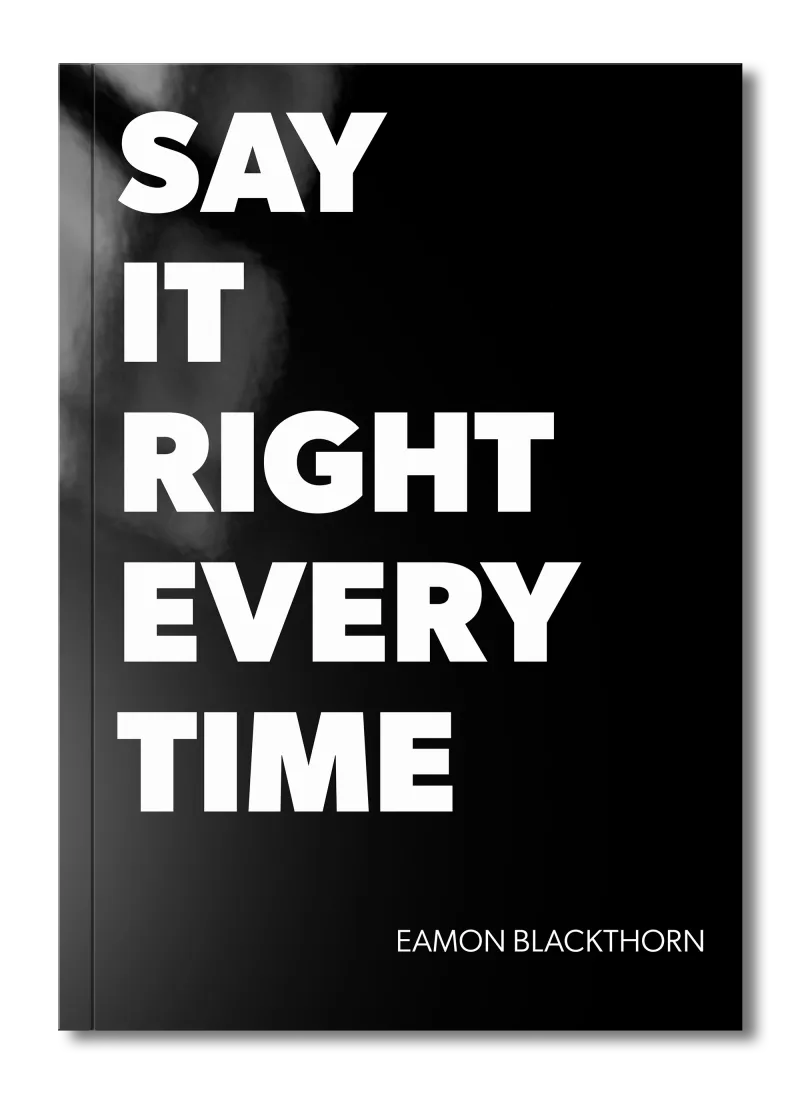
Never Be Lost
for Words Again
Get word‑for‑word scripts for the conversations that shape your life, from job interviews and negotiations to difficult talks with family and partners, so you always know exactly what to say and how to say it.
Never Be Lost
for Words Again
Get word‑for‑word scripts for the conversations that shape your life, from job interviews and negotiations to difficult talks with family and partners, so you always know exactly what to say and how to say it.
Key Takeaway
Before your next public statement, written or spoken, read it aloud and locate every sentence that protects you instead of addressing the other person's experience. Cut every one of those sentences. What remains is your actual apology. It will be shorter, scarier, and far more effective.