

What Happened
Remote work exploded in adoption, and most companies responded by throwing more tools at the problem. Slack, Zoom, Teams, email, and project management platforms piled up. But the communication gaps got wider, not narrower. The core issue is not the technology. It is that organizations never taught their people how to communicate when the hallway conversation disappeared.
The Communication Angle
Here is the comparison that matters: a manager who schedules a weekly all-hands video call versus a manager who builds a deliberate communication rhythm with clear ownership and intent. Both think they are solving the same problem. Only one actually is.
The first manager treats communication as a calendar event. Show up, talk, leave. No agenda. No decisions logged. No explicit owner for follow-ups. The team feels busy but not connected. Information falls through the cracks because nobody was assigned to catch it. This is the most common failure mode in remote teams, and it has nothing to do with which platform you are using.
The second manager treats every communication moment as a decision about medium, timing, and audience. Quick status update? Asynchronous message with a deadline for response. Conflict between two team members? Video call, not text. Company-wide change? Written announcement first, then a live Q and A session so people can react in real time. This is not overthinking it. This is basic craft.
The gap between these two approaches comes down to one word: intentionality. Remote communication punishes vagueness in a way that in-person communication does not. When you are in the same room, your tone, your posture, and your presence fill in the gaps. Over a screen or a typed message, those gaps stay empty. And people fill empty gaps with their worst assumptions.
The practical fix is simple but almost nobody does it consistently. Before you send any message or schedule any meeting, ask yourself one question: what is the one thing I need the other person to walk away knowing or doing? If you cannot answer that in one sentence, you are not ready to communicate yet. Get clear on the outcome first, then choose your medium, then write or speak. That order matters enormously.
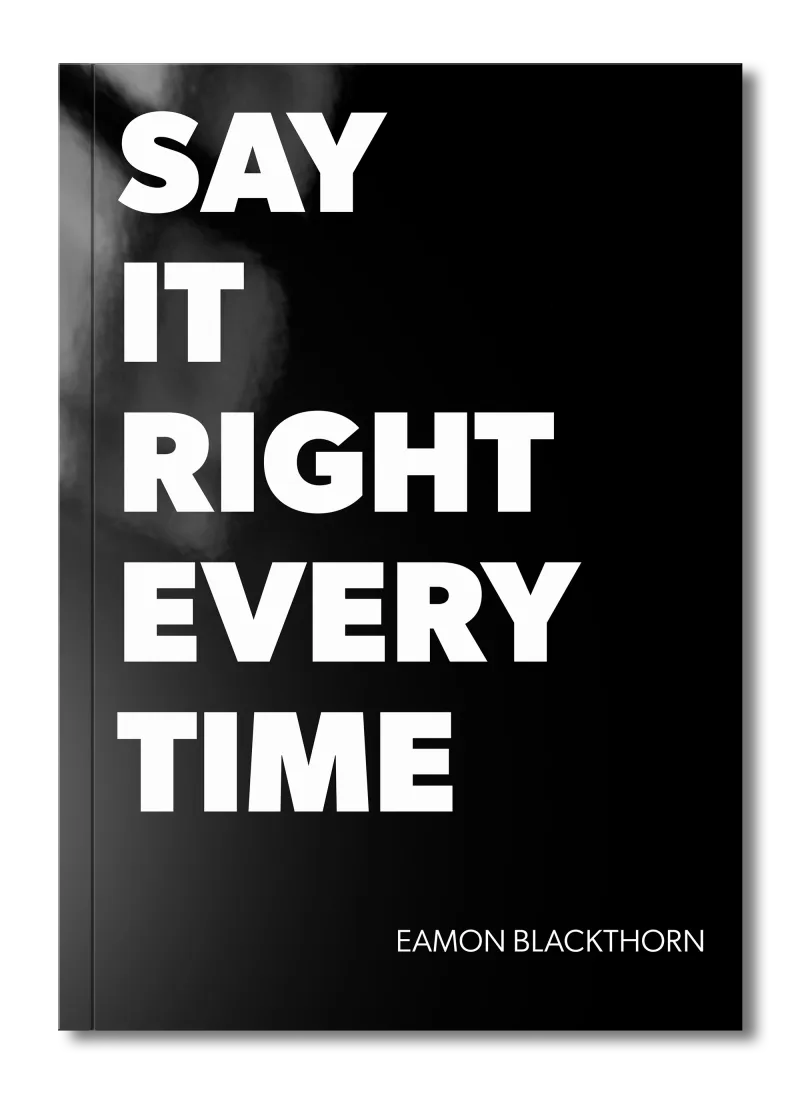
This is exactly the kind of scenario I break down in Say It Right Every Time. The chapter on medium selection gives you a framework for choosing the right communication channel before you ever open your mouth or start typing. Most people pick the medium out of habit. Email because it is easy. Zoom because it feels official. That reflex is costing remote teams hours every week and trust every month.
Never Be Lost
for Words Again
Get word‑for‑word scripts for the conversations that shape your life, from job interviews and negotiations to difficult talks with family and partners, so you always know exactly what to say and how to say it.
Never Be Lost
for Words Again
Get word‑for‑word scripts for the conversations that shape your life, from job interviews and negotiations to difficult talks with family and partners, so you always know exactly what to say and how to say it.
Key Takeaway
Before your next team message or meeting, write this at the top of a blank document: "After this, I need my team to (blank)." Fill in that blank with one specific action or decision. Then build everything you say around delivering that single outcome. Cut anything that does not serve it. Your team's clarity is a direct reflection of yours.