
What Happened
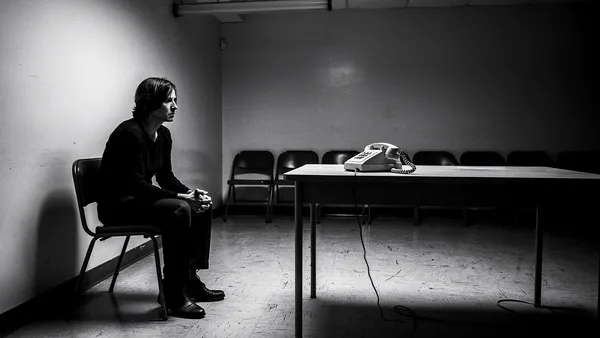
New research backed by psychologists confirms what good communicators have always known: stepping away briefly during a heated exchange is not avoidance. It is active regulation. When the nervous system spikes during conflict, the brain's capacity for measured speech collapses. A short physical break resets that capacity. The people who look like they are walking away from the fight are actually walking toward a better outcome.
The Communication Angle
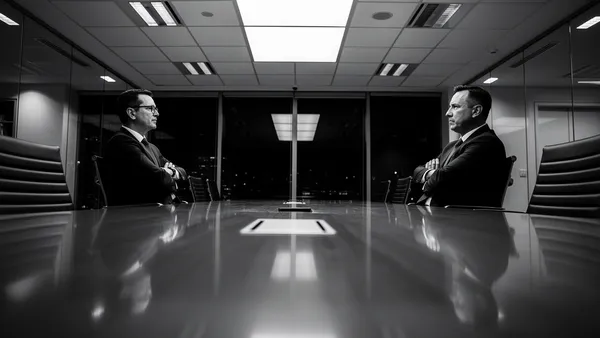
Here is the brutal truth about workplace conflict: most of the damage is done in the first thirty seconds after someone feels attacked. Not because people are weak. Because the body moves faster than the brain. Your heart rate climbs, your jaw tightens, and your mouth opens before your prefrontal cortex has any say in the matter. The words that come out in that window are almost never the right ones.
The step outside is a physical interruption of that biological sequence. It is not dramatic. It is mechanical. You are buying the three to five minutes your nervous system needs to drop back below the threshold where reason stops working. Once you are below that threshold, you can choose your words instead of just firing them.
What makes this so powerful as a communication technique is that it separates the emotional event from the verbal response. Those are two different things, and most people treat them as one. You feel something, you say something. That is not communication. That is reaction. Real communication requires a gap between those two moments. The step outside is how you manufacture that gap on purpose.
Now, the counterargument: people see this move and read it as weakness, deflection, or stonewalling. That is a real problem and you have to address it directly. The solution is a single sentence before you leave: "I need two minutes to think before I respond to this." That sentence does three things. It signals respect for the conversation. It signals that you are coming back. And it frames the pause as deliberate, not emotional. You control the narrative of your own exit.
When you return, do not start with a defense. Start with the clearest possible statement of what you actually need from this conversation. One sentence. No preamble. That precision signals that the pause worked, that you used the time to think, and that you are ready to engage rather than escalate. That shift in tone alone changes what the other person is capable of hearing.
This is exactly the kind of scenario I break down in Say It Right Every Time. The chapter on managing high-stakes conversations gives you a framework for building what I call the "intentional gap," the space between trigger and response that separates communicators who earn respect from those who just make noise. That framework includes specific language for exits, re-entries, and redirects that keep you in control without putting the other person on the defensive.

Never Be Lost
for Words Again
Get word‑for‑word scripts for the conversations that shape your life, from job interviews and negotiations to difficult talks with family and partners, so you always know exactly what to say and how to say it.
Never Be Lost
for Words Again
Get word‑for‑word scripts for the conversations that shape your life, from job interviews and negotiations to difficult talks with family and partners, so you always know exactly what to say and how to say it.
Key Takeaway
Before your next difficult conversation, or the moment one turns difficult, memorize this sentence: "Give me two minutes." Say it, stand up, and walk out calmly. Set a timer on your phone if you need to. Use those two minutes to answer one question only: what is the one thing I actually need from this exchange? Come back with that answer ready. Nothing else.