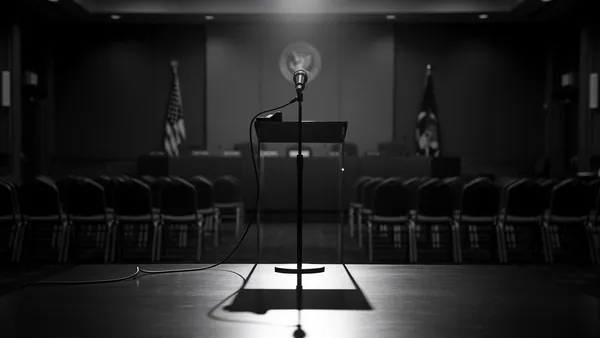

What Happened
Brands are increasingly caught off guard when the people they hire, sponsor, or partner with become public liabilities. The advertising industry is now openly discussing how to build a structured response system, covering everything from initial vetting of talent to the communication steps required after a crisis hits. The conversation reflects a broader reality: most brands are still improvising when they should be operating from a tested plan.
The Communication Angle
Here is the core failure I see repeated constantly. Brands treat talent crises as PR problems. They are not. They are communication failures that started long before any headline appeared.
The vetting stage is where your communication work actually begins. Before you sign anyone, you need to ask two questions out loud, in a room, with people who have the authority to kill a deal: "What does this person stand for, and can we defend it publicly?" Most brands skip this conversation entirely. They look at follower counts and engagement rates. They never stress-test the relationship against a worst-case scenario. That silence at the vetting stage is the first communication failure.
When a crisis does land, the brands that survive it fastest are the ones who already know what they stand for. Clarity about your own values is not a branding exercise. It is a crisis tool. When Nike faced scrutiny over athlete partnerships, they did not stall or issue committee-approved mush. They made a decision, stated it clearly, and moved. You can disagree with their choices, but you cannot argue with the speed and clarity. That is what a values-first communication framework produces under pressure.
The recovery phase is where most brands lose the audience they still have. The instinct is to go quiet, let it blow over, and return to normal messaging. That instinct is wrong. Silence reads as guilt or confusion. Neither is acceptable. What works is what I call a "position and pivot." You state your position on the situation directly (one sentence, no qualifiers), and then you immediately pivot to what you are doing next. Not what you are feeling. Not what you are investigating. What you are doing. Action language restores confidence faster than any apology.
The brands that come out stronger from talent crises are not the ones with the best lawyers or the biggest PR budgets. They are the ones whose internal communication is clean enough that everyone from the CEO to the social media manager says the same thing when asked about it.
This is exactly the kind of scenario I break down in Say It Right Every Time. The chapter on crisis preparation gives you a framework for building what I call your "pre-response library": the specific language you prepare in advance for situations you hope never happen, so that when they do, you are not writing your values statement at 11pm while Twitter is on fire.
Never Be Lost
for Words Again
Get word‑for‑word scripts for the conversations that shape your life, from job interviews and negotiations to difficult talks with family and partners, so you always know exactly what to say and how to say it.
Never Be Lost
for Words Again
Get word‑for‑word scripts for the conversations that shape your life, from job interviews and negotiations to difficult talks with family and partners, so you always know exactly what to say and how to say it.
Key Takeaway
Before you finalize any talent partnership, schedule a 30-minute "worst case" meeting with your legal, marketing, and communications leads. Write one sentence that answers this question: "If this person does something we cannot defend, here is exactly what we will say." File it. If you cannot write that sentence before signing, do not sign.