
What Happened
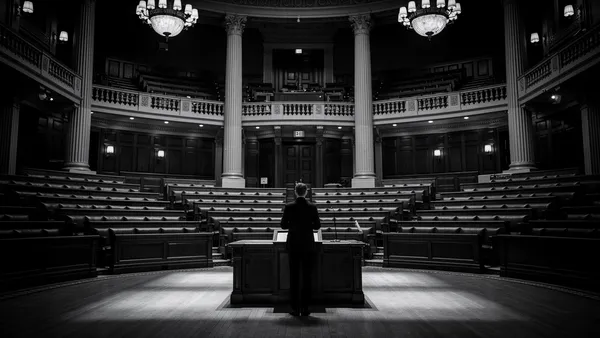
Former Kenyan Deputy President Rigathi Gachagua used a national Labour Day forum to launch a pointed public attack on the current government, condemning what he described as widespread suffering among Kenyan workers. The address was forceful and public, positioning Gachagua as a champion of the workforce against those in power. This was not a quiet policy critique. It was a calculated political performance.
The Communication Angle
Here is the real question this moment raises: Can righteous anger persuade anyone who is not already on your side?
Gachagua chose the Labour Day platform deliberately, and that choice was smart. Labour Day is one of the few occasions where talking about workers' hardship does not sound opportunistic. It sounds appropriate. The audience expects it. So the setting gave him automatic credibility and lowered the listener's defenses before he said a single word. That is good communication instinct.
But here is where it likely fell apart. "Scathing critique" and "fiery reflection" are phrases that tell you more about the delivery than the substance. When a speaker leans hard into emotional intensity, they are making a trade. They win the room they already have. They lose everyone sitting on the fence. People who are undecided do not respond to fury. They respond to clarity. Gachagua almost certainly fired up his base and pushed persuadable Kenyans further toward skepticism.
There is also the credibility problem. Gachagua was, until recently, inside the government he is now attacking. That creates a narrative gap. A skilled communicator addresses that gap directly and early. Something like: "I was part of this system. Here is what I saw. Here is why I am speaking now." Instead, if he skipped that acknowledgment, he handed his critics the easiest counter-attack available. "Where were you when you had power?" That one question can hollow out an entire speech.
The structure of this kind of address matters enormously. Slamming a government without offering a specific alternative is not a speech. It is a complaint. Complaints do not build movements. Specific, concrete alternatives do. If Gachagua named three policy failures and proposed three visible fixes, this would be a speech worth quoting next week. Without that structure, it is noise that fades by Friday.
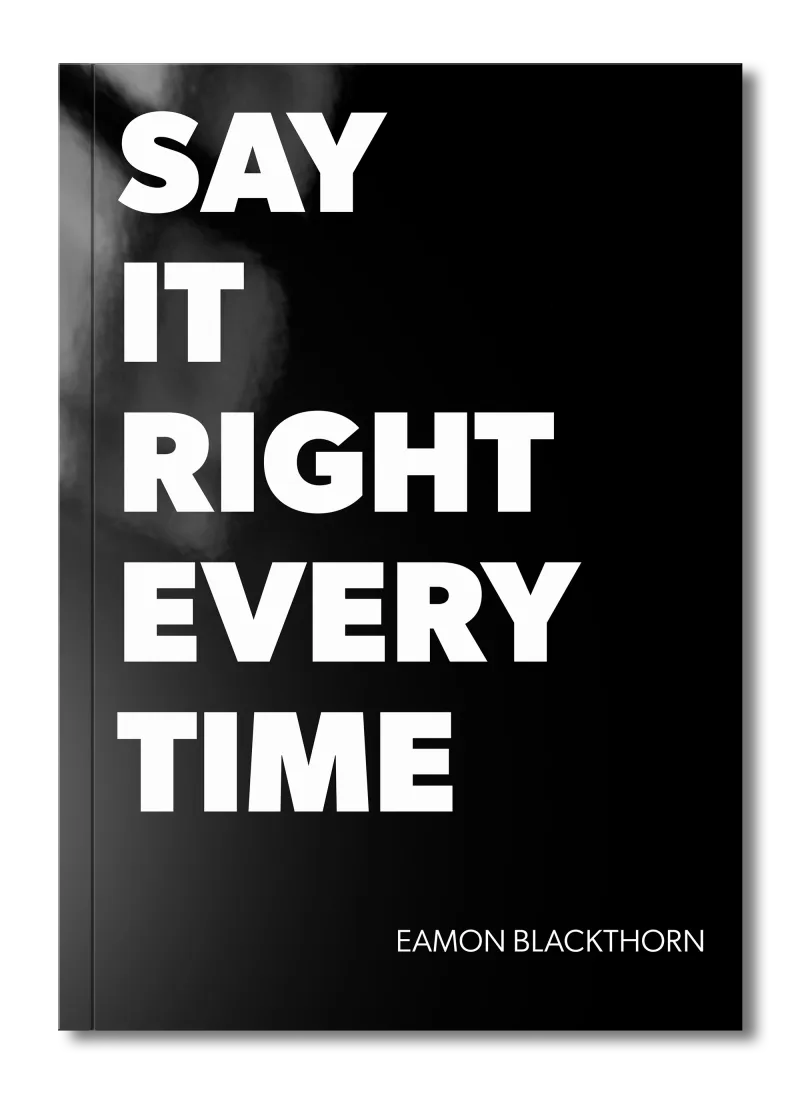
This is exactly the kind of scenario I break down in Say It Right Every Time. The chapter on speaking under pressure gives you a framework for converting emotional intensity into persuasive structure, because the goal is never just to express how you feel. The goal is to move the person in front of you from where they are to where you need them to be. Anger can open the door. Only clarity walks through it.
Never Be Lost
for Words Again
Get word‑for‑word scripts for the conversations that shape your life, from job interviews and negotiations to difficult talks with family and partners, so you always know exactly what to say and how to say it.
Never Be Lost
for Words Again
Get word‑for‑word scripts for the conversations that shape your life, from job interviews and negotiations to difficult talks with family and partners, so you always know exactly what to say and how to say it.
Key Takeaway
Before your next public critique of anyone, whether a boss, a competitor, or a government, write down one specific thing you would do differently. Not a value. Not a direction. One concrete action. Then lead with that. Critics who bring solutions control the conversation. Critics who only bring anger get dismissed, even when they are right.