
What Happened
Three stories collided in the PR world recently: an AI tool got a crash course in public relations concepts, McDonald's CEO found himself in a viral moment, and sustainability messaging once again proved it cannot be ignored. Each story sits in a different corner of the communications landscape, but together they point to the same underlying truth. How you show up when the pressure is on defines your reputation far longer than any campaign ever will.
The Communication Angle
Picture this. A fast food CEO walks into a camera frame, says something unscripted, and within hours the clip is everywhere. That is not bad luck. That is the direct result of a leader who either had no message discipline or chose to abandon it. The McDonald's CEO going viral is a story as old as public life itself: someone in a high-visibility role forgot that there is no such thing as an off moment when you carry a brand on your shoulders.
Message discipline is not about being robotic. It is about knowing your three core points before you open your mouth, in any setting. The CEOs who never go viral for the wrong reasons are not smarter or more charismatic. They are simply more prepared. They have done the work before the camera turns on, not after.
Now look at the sustainability angle. Every year, brands announce that sustainability messaging is dead, too saturated, or too risky. Every year, they are wrong. The reason sustainability messaging keeps mattering is simple: audiences reward consistency. A brand that has talked about environmental responsibility for five years has built a credibility bank. A brand that drops the topic the moment it gets complicated signals something far more damaging. It signals that the values were never real.
The lesson from the AI angle is the most interesting one. When a tool like Claude gets pulled into PR education, it reveals how hungry the industry is for accessible, on-demand guidance. But here is my concern. AI can tell you what a press release structure looks like. It cannot tell you whether your CEO has the composure to hold a message under fire. That judgment still belongs to humans. The tools are useful. They are not a substitute for practiced, deliberate communication skills.
All three stories point to the same root issue: preparation. The CEO who went viral was underprepared for the moment. The brands still winning on sustainability prepared their audiences over years. The PR professionals turning to AI are looking for faster preparation shortcuts. Preparation is not a luxury. It is the entire job.
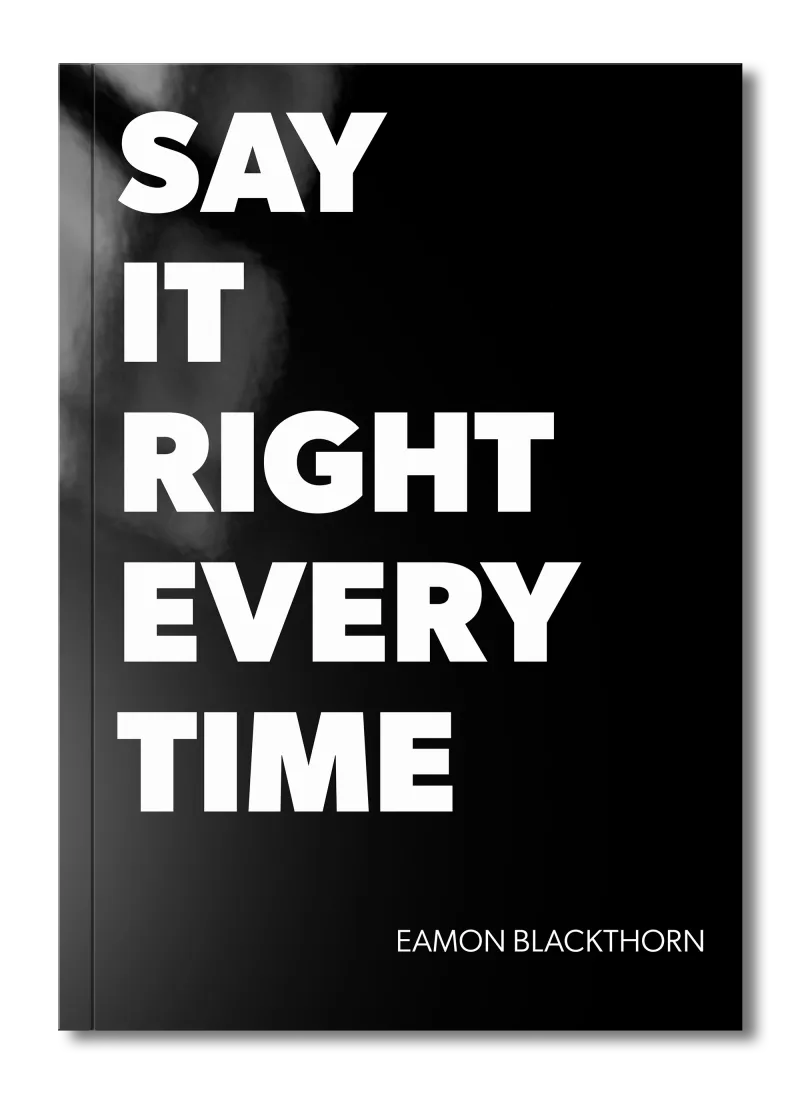
This is exactly the kind of scenario I break down in Say It Right Every Time. The chapter on message architecture gives you a framework for building those three core points so they hold up under pressure, stay consistent across formats, and actually land with the person on the other side of the conversation. A viral moment does not have to be a crisis if you already know what you stand for before the camera rolls.
Never Be Lost
for Words Again
Get word‑for‑word scripts for the conversations that shape your life, from job interviews and negotiations to difficult talks with family and partners, so you always know exactly what to say and how to say it.
Never Be Lost
for Words Again
Get word‑for‑word scripts for the conversations that shape your life, from job interviews and negotiations to difficult talks with family and partners, so you always know exactly what to say and how to say it.
Key Takeaway
Before your next public-facing moment, whether it is a media interview, an earnings call, or even a company all-hands, write down exactly three things you want the audience to walk away believing. Not topics. Beliefs. Then practice saying each one out loud in one sentence. If you cannot do it in one sentence, you do not know your message well enough yet.