
In Short
This article covers five frameworks that use the 70/30 Rule to improve team synergy conversations and strengthen how your team communicates under pressure.
- The C.O.R.E. Framework: a four-pillar foundation for every team conversation
- The Listen-First Protocol: the simplest way to shift from competing to connecting
- The Repair Conversation Model: how to restore trust after a team breakdown
Team synergy conversations are structured exchanges where the 70/30 Rule governs dialogue: 70% practical, script-based communication and 30% psychological awareness, producing team output that exceeds what any individual could achieve alone.
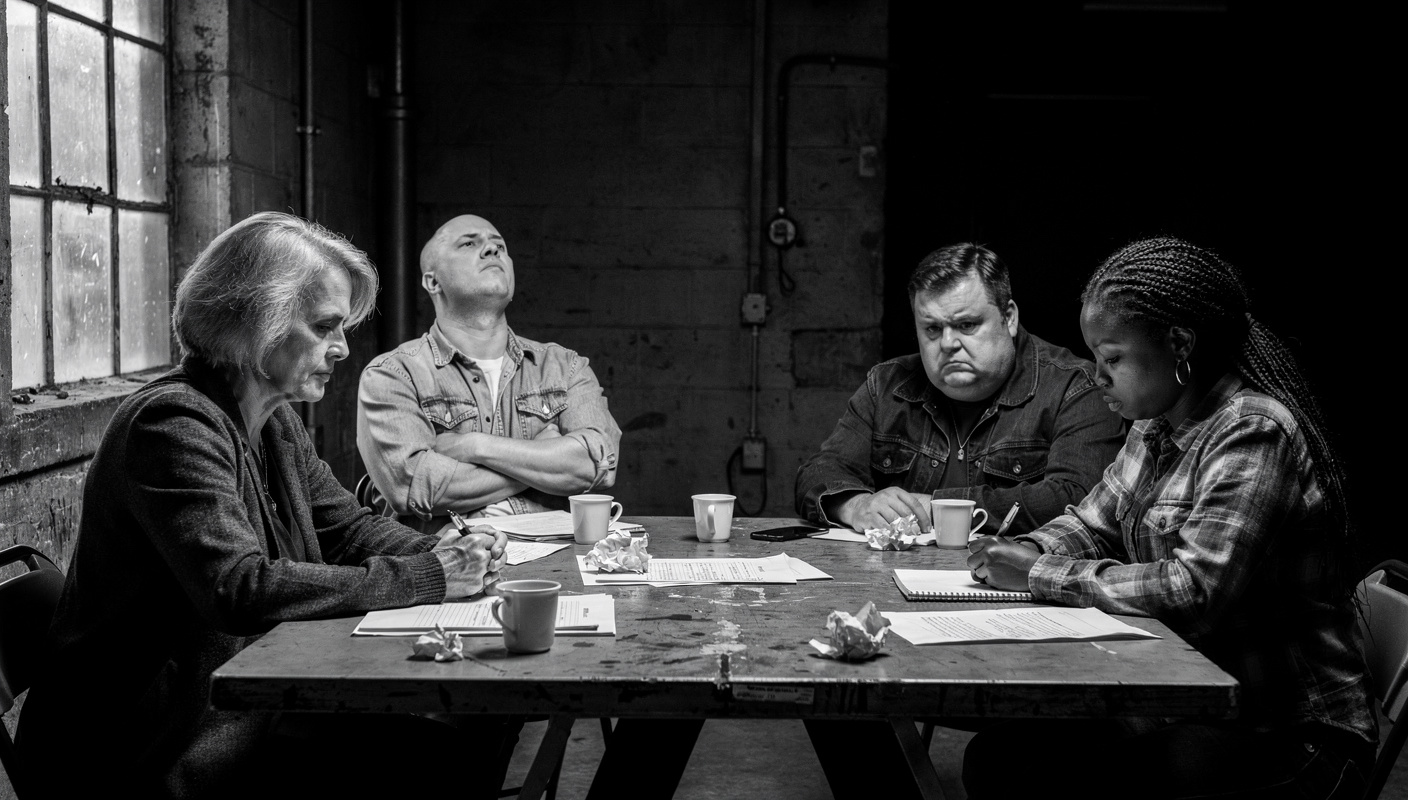
I watched a manager walk into a team meeting with the best intentions I have ever seen in a leader. She wanted to clear the air after a bruising project. She cared about her people. She had rehearsed what she would say for three days. And then the moment arrived, and she talked for forty minutes straight while her team sat in silence, nodding. Nothing was resolved. The trust gap widened. She left believing she had communicated. Her team left feeling unheard.
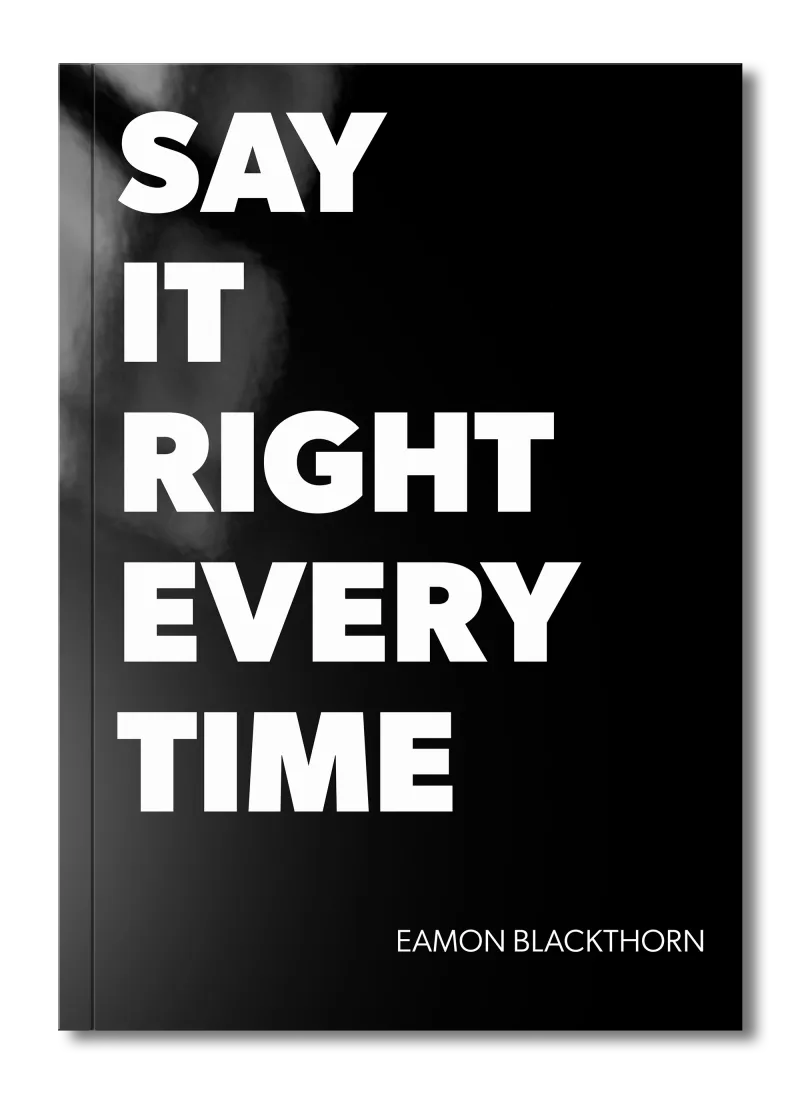
Good intentions are not enough. Without structure, even the most well-meaning conversation collapses under pressure. In Say It Right Every Time, I call this the rehearsal trap: the endless cycle of preparing perfectly in your head, only to find yourself fumbling when the real moment arrives. The 70/30 Formula is my answer to that trap. It builds team synergy conversations on a foundation of 70% practical, script-based tools and 30% essential psychology explaining why those tools work.
In this article, you will learn five frameworks that give you a reliable structure for team synergy conversations in any situation. If you want to understand the psychology of difficult conversations more deeply, What Is Psychological Safety and How It Drives Team Synergy is a strong companion piece to start with.
Why Structure Matters More Than You Think in Team Communication
Most people believe that communication is a natural talent. Either you have it or you do not. After six decades of watching teams succeed and fall apart, I can tell you that belief is wrong. Communication is a skill, and skill requires structure, especially when the pressure is on.
Here are the moments when having a framework makes all the difference for your team:
- When tension has been building for weeks and someone finally needs to name it, a framework keeps the conversation from exploding into blame.
- When a team decision is stalled because two strong voices keep talking past each other, a structure gives the group a way forward that does not require someone to back down publicly.
- When a new team member feels excluded from the group's rhythm, a deliberate check-in framework signals that their voice is wanted, not just tolerated.
- When a project fails and the team needs to examine what went wrong, a repair framework keeps the conversation honest without turning it into a post-mortem of personal failures.
- When feedback needs to be delivered to someone who is also a close colleague, structure separates the relationship from the message and keeps both intact.
The frameworks in this article give you that structure. Use them until they become instinct.
"The Conversation You're Avoiding Is the One You Need to Have."
"The Conversation You're Avoiding
Is the One You Need to Have."
Stop rehearsing conversations you'll never have. Say It Right Every Time gives you 115 word-for-word scripts and 16 proven frameworks to speak with confidence in every conversation that matters.
Framework 1: The 70/30 Dialogue Balance
The 70/30 Dialogue Balance is the foundation of everything I teach in Say It Right Every Time. It is a simple ratio: in any team conversation, 70% should be active listening and responding, and 30% should be speaking your own position.
What it is designed for: This framework addresses the most common failure in team communication: one or two voices dominating while the rest of the group disengages. It resets the balance.
How it works:
Track the ratio. Before your next team conversation, designate someone to observe who speaks and for how long. You do not need a stopwatch. You need honest awareness of the pattern. Example: "After our last three meetings, I noticed I spoke for about 60% of the time. That is not a conversation. That is a briefing."
Speak to open, then listen to deepen. Your role in any team conversation is to raise a point clearly and then create space for others to build on it. Resist the urge to fill every silence. Example: "Here is what I am seeing with the project timeline. What are the rest of you noticing?"
Respond before redirecting. Before you introduce a new point, acknowledge what the previous speaker said. This is what turns separate monologues into genuine dialogue. Example: "That is a fair point, Marcus. It changes how I was thinking about the deadline. Here is how."
When to use it: Use this framework in any team meeting where collective thinking matters: problem-solving sessions, retrospectives, planning discussions. It is especially powerful when a team is stuck in a pattern of low participation.
When not to use it: Do not apply it rigidly in a crisis where speed matters more than balance. A burning building is not the moment for structured dialogue ratios.
A quick example in practice: A team leader opens a retrospective by saying, "I want to hear from everyone before I share my read on what happened. Priya, what stood out to you?" She listens fully. She responds to Priya's point directly. Only then does she invite the next voice. By the time she shares her own view, the room is warm and the team is thinking together.
Eamon's take: I have sat in thousands of conversations that were really just parallel monologues. This framework is the cure. It is not complicated. It just requires the discipline to listen more than you talk.
Framework 2: The C.O.R.E. Framework
The C.O.R.E. Framework is a four-pillar model I introduce in Chapter 4 of Say It Right Every Time as the foundation for every successful conversation. C.O.R.E. stands for Context, Objective, Relationship, and Emotion.
What it is designed for: This framework is built for high-stakes team conversations where getting the opening wrong can derail everything that follows.
How it works:
Context. Before you speak, establish the shared situation clearly. Both parties need to agree on what is actually happening before they can discuss what to do about it. Example: "We missed the client deadline by four days. That is the situation we are here to address."
Objective. State what you want this conversation to achieve. A conversation without a clear objective drifts into complaint or debate without resolution. Example: "I want us to leave this meeting with a shared plan so this does not happen again."
Relationship. Name the relationship that is at stake. When people understand what is worth protecting, they communicate with more care. Example: "We have built real trust on this team over two years. That is worth fighting for."
Emotion. Acknowledge the emotional reality in the room without letting it run the conversation. Ignored emotions do not disappear; they leak out sideways. Example: "I know some of you are frustrated. I am too. Let us use that energy constructively."
When to use it: Use C.O.R.E. when opening a difficult team conversation, particularly after a failure, a conflict, or a period of tension. It grounds the conversation before emotions take over.
When not to use it: Do not use it for routine updates or low-stakes team check-ins. It carries weight, and that weight should be reserved for moments that warrant it.
A quick example in practice: A team leader calls a meeting after a public disagreement between two colleagues. She opens: "Last week's exchange in front of the client created a difficult situation for all of us. My objective today is to rebuild our shared approach before the next client meeting. This team has too much good history to let one moment define us. And I know that was uncomfortable for everyone in that room, including me."
Eamon's take: Most team conversations start in the middle, with people already defending positions. C.O.R.E. takes you back to the beginning, where honest communication is still possible.
Framework 3: The Listen-First Protocol
The Listen-First Protocol is exactly what the name suggests: a structured commitment to understanding before responding. In team settings, it is the single most powerful shift you can make to improve collective thinking.
What it is designed for: This framework is built for team conversations where different viewpoints need to be heard and integrated before a decision is made. It prevents the group from locking onto the first idea spoken.
How it works:
The silence rule. When someone finishes speaking, every other team member waits a full three seconds before responding. This feels uncomfortable at first. That discomfort is the point. It creates space for actual thought. Example: A team member finishes explaining her concern about the project scope. The room waits. Then a colleague responds: "I had not considered that angle. Let me think about how that changes the estimate."
The paraphrase test. Before you share your own view, paraphrase what the previous speaker said in one sentence. If you cannot, you were not listening. You were waiting to talk. Example: "So what you are saying is that the timeline is achievable only if we remove the third deliverable. Is that right?"
The open question pivot. After paraphrasing, ask an open question before stating your own position. This deepens the dialogue rather than redirecting it. Example: "What would need to change for you to feel confident about the original scope?"
When to use it: Use this framework in planning sessions, disagreements about direction, and any conversation where two or more team members hold genuinely different views. It is also highly effective in daily standup meetings where rushed conversations can flatten complex issues.
When not to use it: Skip it when the decision is already made and the conversation is about implementation. Listening protocols are for genuine dialogue, not for creating the appearance of consultation.
A quick example in practice: During a planning session, James proposes a tight deadline. Rather than immediately countering, his colleague waits three seconds, then says: "So your thinking is that a tighter deadline will sharpen the team's focus. Do I have that right?" James confirms. She continues: "What evidence do we have from past projects that supports that?" The team now has a real conversation instead of a standoff.
Eamon's take: Teams that listen well do not just communicate better. They think better together. This framework is the difference between a meeting that generates ideas and one that just generates noise.
Framework 4: The Repair Conversation Model
Every team breaks down at some point. A missed commitment, a public disagreement, a moment of poor judgment. The Repair Conversation Model gives you a structure for restoring trust after those moments. Building team synergy conversations after a breakdown requires a different kind of courage than a normal conversation.
What it is designed for: This framework addresses the conversations most teams avoid: the ones that need to happen after something has gone wrong between people.
How it works:
Name what happened without blame. State the event plainly, without interpretation or accusation. Stick to observable facts. Example: "In Tuesday's meeting, I interrupted you twice before you finished your point."
Own your part. Even if the breakdown was mostly the other person's doing, your part in it is yours to name. This disarms defensiveness immediately. Example: "That was not fair to you, and it undermined the point you were trying to make."
State the impact. Describe how the breakdown affected the team's working relationship or collective output, not just the individual. Example: "I think it made it harder for the rest of the team to feel like it was safe to push back in that room."
Ask what repair looks like. Do not assume you know what the other person needs to feel whole. Ask them directly. Example: "What would it take from me for us to move forward well?"
When to use it: Use this framework within 48 hours of a breakdown. The longer you wait, the more the silence calcifies into resentment. This framework is especially important for leaders, who set the tone for how conflict is handled across the whole team.
When not to use it: Do not use it in a group setting when the repair needs to happen between two individuals first. Public repair conversations can embarrass the very person you are trying to make whole.
A quick example in practice: A team leader calls a colleague the day after dismissing her idea in front of the group. "I want to talk about yesterday's meeting. I cut across your suggestion before you had finished, and I did it in front of everyone. That was wrong of me. It probably made other people think twice about speaking up too. What do you need from me to move past this?"
Eamon's take: I spent years avoiding these conversations because I thought they made me look weak. The opposite is true. A team that can repair itself is a team that can survive anything.
Framework 5: The Check-In Round
The Check-In Round is a simple, structured opening ritual for team meetings. It gives every person in the room a brief, equal moment to speak before the main agenda begins. It sounds almost too simple to matter. It is not.
What it is designed for: This framework builds psychological safety and collective presence at the start of every team interaction. It is especially powerful in teams where quieter members rarely speak unless directly addressed. If you want to explore how this framework connects to broader trust-building, How Psychological Safety Enables Honest Communication and Sustains Team Synergy goes deeper.
How it works:
One question, everyone answers. The facilitator poses a single, low-stakes question at the start of the meeting. Every person answers in turn, briefly. No one is skipped. Example: "In one sentence, what is one thing on your mind coming into today's meeting?"
No cross-talk during the round. While someone is sharing their check-in answer, no one responds, challenges, or builds on it. The round is for hearing, not debating. Example: A team member says, "I am a bit stretched thin this week." The facilitator nods and moves to the next person without comment.
Close the round before the agenda. After everyone has spoken, the facilitator briefly acknowledges the range of responses before transitioning. This signals that the check-in was real, not performative. Example: "Thank you. It sounds like energy is mixed today. Let us keep that in mind as we work through the agenda."
When to use it: Use this framework at the start of every team meeting, particularly in remote or hybrid teams where informal connection is harder to build naturally. It also works well before difficult conversations by warming the group's communication temperature. You can see how it connects to longer-term team cohesion in How Feedback Loops Boost Team Synergy.
When not to use it: Skip it in time-critical emergency meetings where speed is the priority. And avoid questions that are too personal for the stage of trust your team is at. Match the question depth to your team's current comfort level.
A quick example in practice: A remote team of eight opens their weekly meeting with a check-in question: "What is one word that describes where your head is today?" The answers range from "focused" to "scattered" to "nervous." The facilitator acknowledges: "Good to know. Let us make sure we give the nervous part of us some room today." The meeting that follows is measurably more honest than the weeks before this practice started.
Eamon's take: I resisted rituals like this for years. I thought they were soft. What I actually saw, once I committed to them, was that teams with consistent check-in practices spoke more honestly in every conversation that followed. The ground was warmer.
How to Choose the Right Framework for Your Team Synergy Situation
Knowing the frameworks is only half the work. Knowing which one to reach for is the other half.
| Situation | Best Framework |
|---|---|
| One or two voices dominate every team meeting | 70/30 Dialogue Balance |
| Opening a high-stakes team conversation after conflict | C.O.R.E. Framework |
| Team decisions keep stalling because people talk past each other | Listen-First Protocol |
| Trust has broken down between two team members or with the leader | Repair Conversation Model |
| Remote or hybrid team feels disconnected at the start of meetings | Check-In Round |
| Team needs to rebuild cohesion after a project failure | Repair Conversation Model + C.O.R.E. |
| New team member struggles to find their voice in the group | Check-In Round + Listen-First Protocol |
Sometimes two frameworks fit the same situation. When that happens, choose the one that addresses the root cause, not just the surface symptom. If a team is silent, the cause might be low trust, which calls for the Repair Model, or poor listening habits, which calls for the Listen-First Protocol. Read the room before you reach for the tool. For situations involving difficult individual conversations that affect the whole team, How to Start a Difficult Conversation That's Blocking Your Team's Synergy gives you a direct starting point.
When in doubt, start with the simplest framework. Complexity is not strength.
Common Mistakes When Using These Frameworks
Frameworks only work when you apply them with discipline, not as a script you recite mechanically.
Using frameworks as a performance. If you are running a Check-In Round so you appear to be a thoughtful leader, your team will feel the gap between the ritual and the reality. Apply these tools because you believe in what they produce, not because they look good.
Skipping the framework when the pressure is highest. The moments when you most feel like abandoning structure are exactly the moments when you need it most. When the amygdala hijacks your rational thinking, structure is what keeps the conversation from becoming a reaction.
Applying the Repair Model too late. A breakdown left unaddressed for more than a week rarely heals cleanly. The repair conversation becomes harder, not easier, with time. Move quickly.
Confusing the 70/30 Dialogue Balance with a rigid rule. The ratio is a direction, not a law. Some conversations require more speaking; some require almost none. Use the principle to guide you, not to measure you.
Running the Listen-First Protocol without genuine curiosity. Paraphrasing is not a technique. It is a test of whether you actually understood. If you find yourself paraphrasing and immediately steering the conversation back to your own point, you have missed the framework's purpose entirely. The role of emotional intelligence in team synergy is what makes the difference between mechanical use and genuine application.
A framework used badly is still better than no framework. But a framework used well is a genuine advantage.
How to Start Using These Frameworks in Your Team Today
Do not try to master all of these at once. That road leads to paralysis and abandoned good intentions.
Start with one framework this week. Pick the framework that addresses your team's most pressing communication challenge right now. Introduce just that one. Run it consistently for two weeks before adding another. Depth beats breadth every time.
Tell your team what you are doing and why. Transparency about the framework removes the awkwardness of a new process. Say: "I want to try something different at the start of our meetings. Here is what I am thinking and why." A team that understands the purpose of a tool is far more likely to commit to it.
Review the framework after each use. At the end of a meeting where you applied a framework, spend two minutes asking the team: "Did that work for us today? What would make it better?" This turns the framework into a shared practice rather than a leader's imposition. For teams ready to build this into a longer habit, the 60-Day Transformation Plan outlined in Say It Right Every Time provides a structured daily practice that builds lasting communication mastery.
Expect imperfection and practice anyway. The first time you run the Listen-First Protocol, someone will jump in early. The first Check-In Round will feel slightly forced. That is normal. Skills are built through repetition, not through getting it right the first time. Prepare, practice, and trust the process.
Frameworks are tools. The more you use them, the less you have to think about them.
Key Takeaways
Here is what to carry with you from this article.
- The 70/30 Formula is not just a book structure. It is a practical principle: weight your team conversations toward listening and responding, not toward broadcasting.
- Structure does not kill spontaneity in a team. It creates the safety that makes genuine spontaneity possible.
- The C.O.R.E. Framework grounds difficult conversations before emotions take over and derail what the team needs to discuss.
- Every team breaks down. The Repair Conversation Model gives you the words to rebuild trust without shame or blame.
- Check-In Rounds are not soft. They are the roots that hold a team together when the storms come.
- Start with one framework. Practice it until it becomes habit. Then add the next.
If you want to go further, How Feedback Loops Boost Team Synergy shows how consistent communication practices compound over time. And if you are working on the bigger picture of what makes teams connect and thrive, The Role of Emotional Intelligence in Team Synergy is worth your time. Building team synergy conversations is not a one-off effort. It is a practice you return to every day, and every day you get a little better at it.
Frequently Asked Questions (FAQ)
What are team synergy conversations and why do they matter?
Team synergy conversations are structured exchanges where team members listen, share, and build on each other's ideas to produce results no individual could achieve alone. They matter because most teams default to talking at each other rather than with each other, which kills collective momentum and trust over time.
How does the 70/30 Rule improve team synergy conversations?
The 70/30 Rule structures conversations so that 70% is practical, script-based interaction and 30% addresses the psychology behind it. Applied to teams, it means spending more time in genuine dialogue and less time in monologue, which builds shared understanding and collaborative energy across the group.
How do you use the 70/30 Rule in a team setting?
Start by tracking who speaks most in your team conversations. If one voice dominates more than 70% of the time, introduce structured turn-taking or deliberate listening protocols. The goal is balanced, reciprocal dialogue where every voice contributes to the team's shared thinking and problem-solving.
What frameworks support stronger team synergy through conversation?
The C.O.R.E. Framework, the Listen-First Protocol, the Repair Conversation Model, the Check-In Round, and the 70/30 Dialogue Balance are five practical frameworks that support stronger team synergy. Each one addresses a specific conversation challenge teams face regularly and can be applied immediately.
Why do teams struggle with synergy even when individuals are skilled?
Individual skill does not automatically produce team synergy. When people lack shared conversation frameworks, they default to competing, avoiding, or talking past each other under pressure. Structure replaces those instincts with reliable, repeatable habits that build collective trust over time and across different situations.
When should I use a conversation framework with my team?
Use a conversation framework whenever a conversation carries real stakes: delivering difficult feedback, resolving a conflict, making a group decision, or repairing a breakdown in trust. The higher the pressure, the more you need structure rather than instinct to keep the conversation productive.