
In Short
Psychological safety is the condition that allows teams to communicate honestly, take risks, and build the genuine trust that drives lasting team synergy.
- Without it, people protect themselves instead of contributing fully to the team.
- It is built through consistent behaviour, not policies or one-off workshops.
- It is the single most reliable foundation for high-performing, synergistic teams.
Psychological safety is the shared belief within a team that members can speak up, ask questions, admit mistakes, and take interpersonal risks without fear of embarrassment, rejection, or punishment. It is the foundational condition for honest communication and sustained team synergy.
Introduction
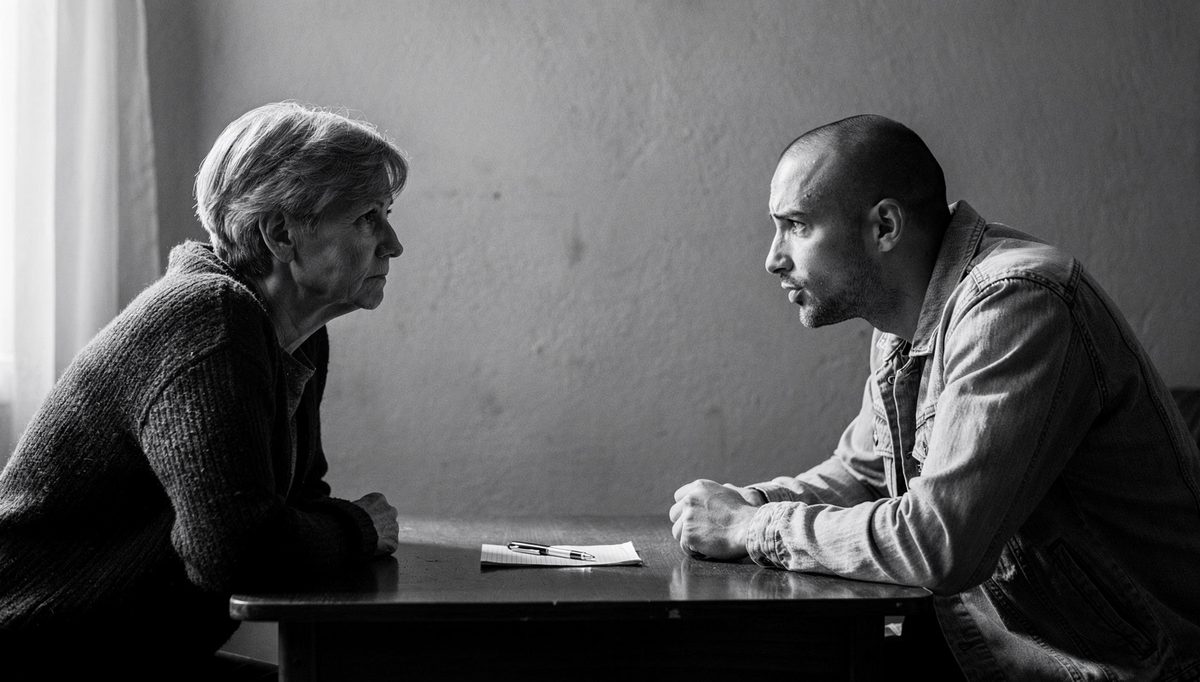
You are sitting in a team meeting. Someone raises a concern. The leader dismisses it with a sharp look and moves on. Two more people had the same concern. Neither of them speaks.
That moment, quiet as it was, cost the team more than anyone in the room realised. Psychological safety is the thing that was missing. It is not a soft concept. It is not a morale initiative. It is the precise condition that determines whether your team's collective intelligence ever reaches the surface, or stays buried under fear and self-protection.
In this article, I will explain what psychological safety actually means, how it connects directly to team synergy, and what it looks like when it is present or absent on a real team. If you want to explore how honest communication sustains that synergy over time, that is covered in How Psychological Safety Enables Honest Communication and Sustains Team Synergy. Here, we focus on what psychological safety is and why it matters as a foundation.
"The Conversation You're Avoiding Is the One You Need to Have."
"The Conversation You're Avoiding
Is the One You Need to Have."
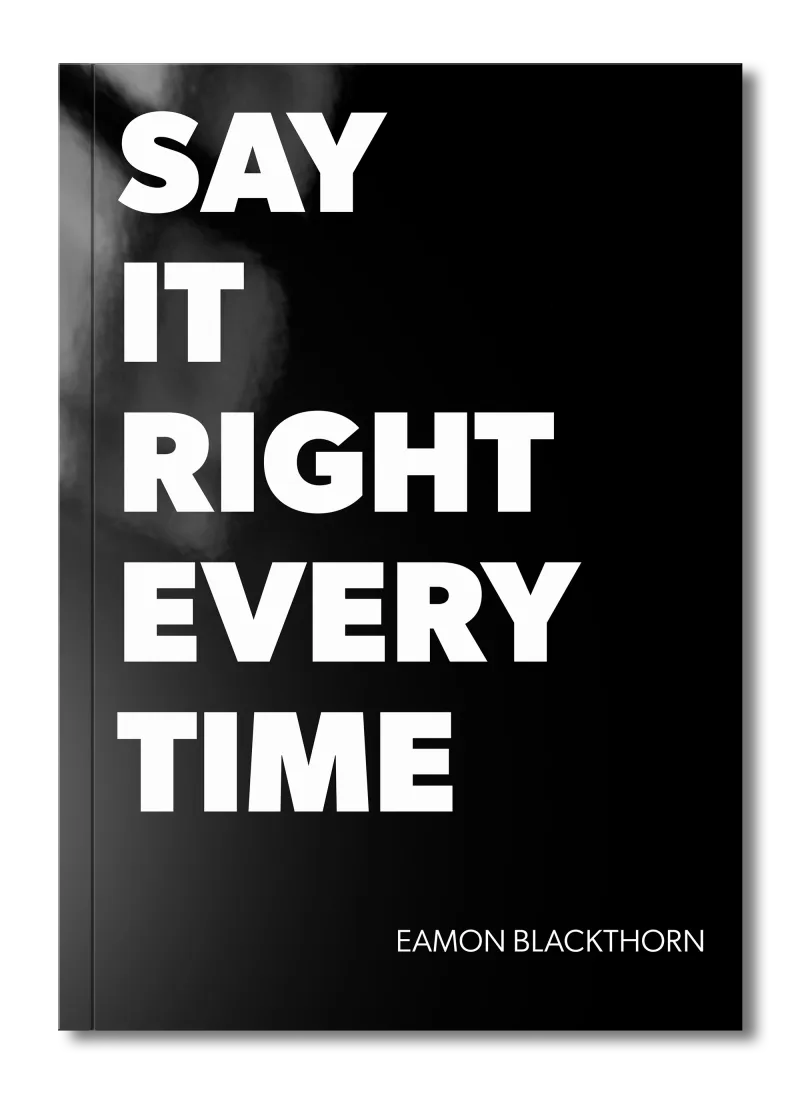
Stop rehearsing conversations you'll never have. Say It Right Every Time gives you 115 word-for-word scripts and 16 proven frameworks to speak with confidence in every conversation that matters.
What Team Synergy Actually Means
Team synergy is what happens when a group of people produce better results together than any of them could produce alone. Not just cooperation. Not just coordination. Something richer: a shared momentum where each person's contribution makes the others stronger.
In practice, this means a team where conversations build on each other, where disagreement sharpens thinking rather than fracturing relationships, and where people bring their full capability to the work instead of holding back. You will feel it in the rhythm of how the team moves. Decisions come faster. Problems get solved with less friction. People finish each other's sentences in the best possible way.
Consider a product team launching under pressure. When synergy is present, the designer flags a usability concern, the developer adapts on the fly, and the project manager adjusts the timeline without a political battle. No one is waiting to be told. Everyone is responding to the same shared goal. That only happens when trust runs deep enough for people to act without fear.
Synergy is not accidental. It grows in conditions where people feel safe enough to give everything they have. Understanding the psychology behind high-synergy teams will show you just how much of that is rooted in exactly this kind of safety.
Why Psychological Safety Matters for Every Team
Here is the truth of it: most teams are running at a fraction of their actual capability. Not because the people lack skill or commitment, but because the environment does not feel safe enough for full contribution. When people are managing fear alongside their work, the work suffers.
- Honest problems stay hidden. When team members fear judgment or blame, they conceal mistakes until those mistakes become crises. A team with psychological safety surfaces problems early, when they are still manageable, because people trust that raising a concern will not cost them their standing.
- Collaboration becomes transactional. Without safety, people share only what is necessary. They hold back ideas that feel risky, avoid challenging colleagues who outrank them, and contribute the minimum required. The team functions, but it never excels.
- Conflict turns destructive. Teams without psychological safety do not avoid conflict; they just have it badly. Grievances become passive-aggressive, disagreements go underground, and the team slowly fractures. Real synergy requires the kind of direct, respectful challenge that only safety makes possible. How to Give Feedback That Strengthens Team Synergy Instead of Breaking It is worth reading alongside this.
- Talent walks. Capable people do not stay in environments where they cannot contribute honestly. They leave quietly, taking their knowledge and potential with them.
Your team's synergy is only as strong as the safety underneath it. Everything else, the skills, the processes, the talent, depends on this foundation holding firm.
How to Recognise Strong Psychological Safety
You know team synergy is working when you see the environment of psychological safety that makes it possible. These are not abstract virtues. They are visible, daily behaviours.
People speak before they are asked. Team members raise concerns, offer ideas, and flag problems without being prompted. They do not wait for permission. This is only possible when people trust that speaking up will be received with curiosity, not criticism.
Mistakes are named and examined. When something goes wrong, the team talks about it openly. No one hides an error or deflects blame. Instead, the group treats the mistake as information, not as evidence of someone's inadequacy.
Disagreement is direct and respectful. People push back on ideas, including those from senior colleagues, without it becoming personal or damaging. The challenge is about the work, not the person. For example, a junior team member might say, "I think this approach carries a risk we haven't accounted for," and the team explores it rather than dismissing it.
Questions are welcomed. Saying "I don't understand" or "can you explain that differently?" is normal. No one performs understanding they do not have. This keeps the whole team anchored in reality rather than false consensus.
Vulnerability is reciprocal. Leaders admit uncertainty. Peers acknowledge when they need help. This matters because emotional intelligence in team synergy depends entirely on people being willing to be honest about their own limits.
Together, these characteristics create a team where full contribution is the norm, not the exception.
Common Misconceptions About Psychological Safety
Let me clear up three things people consistently get wrong about psychological safety.
Misconception: Psychological safety means everyone is always supportive and agreeable. The truth: Safety does not mean comfort. It means people can say hard things without fear of punishment. The most psychologically safe teams I have seen are also the most willing to disagree vigorously. The difference is that the disagreement serves the work rather than damaging the relationship.
Misconception: You can create psychological safety with a single workshop or team-building day. The truth: Safety is built through repeated behaviour over time, not through events. Every time a leader responds to honesty with genuine curiosity instead of defensiveness, they deposit trust into the team. Every dismissive reaction withdraws it. One workshop cannot substitute for months of consistent conduct.
Misconception: Psychological safety is the leader's responsibility alone. The truth: Leaders set the tone, but every team member maintains the culture. When a peer mocks a colleague's idea, when someone rolls their eyes in a meeting, when silence greets an honest admission, safety erodes. Every person on the team either builds this environment or degrades it with each interaction. How Empathy Bridges in Team Communication Create the Conditions for Lasting Synergy explores exactly how peer behaviour shapes these conditions.
The short version: safety is active, daily, and shared. Treat it that way.
Psychological Safety in Real Team Situations
Here is what psychological safety looks like when it is, and is not, present.
In a workplace team under pressure: A software team is behind schedule. The lead developer knows the delivery date is unrealistic but says nothing, afraid of how it will land. The team misses the deadline badly. Compare this to a team where the same developer raises the concern in week two: the timeline adjusts, the client is managed proactively, and the team delivers late but with their reputation intact. The only difference was whether speaking felt safe.
In a feedback moment: A team runs a debrief after a failed client pitch. In one version, people offer careful, surface-level observations and the real reasons go unspoken. In another version, someone says, "We didn't know the client's actual priority because we never asked directly." The room is quiet for a moment, then three people agree. That honesty, offered without blame, is the foundation of every feedback loop that actually improves performance. You can read more about this in How Feedback Loops Boost Team Synergy.
In a leadership moment: A team manager receives criticism from a direct report about how meetings are run. In one response, she thanks the person and changes the format. In another, she deflects and the person never raises an issue again. The first response does more for team synergy than any strategy session ever could.
What all three scenarios share is this: safety either opens the door to truth or closes it. And where truth cannot travel, synergy cannot grow.
Key Takeaways
Here is what matters most about psychological safety.
- Psychological safety is not a soft extra. It is the structural condition that determines whether your team's full capability ever reaches the work.
- You build it through consistent behaviour: responding to honesty with curiosity, treating mistakes as information, and making it safe to disagree.
- Every team member contributes to this culture. A leader cannot create safety alone if peers are tearing it down in daily interactions.
- Safety enables the honest communication and direct challenge that teams need to reach genuine synergy. Without it, collaboration stays shallow and problems stay hidden.
- What Is Role Clarity and Why It Is the Foundation of Sustainable Team Synergy is worth reading next. When people know clearly what they are responsible for, and feel safe enough to say when something is wrong, the conditions for lasting team synergy are finally in place.
Building psychological safety is a practice, not a gift. Start with one meeting where you respond to honesty better than you did the last time.
Frequently Asked Questions (FAQ)
What is psychological safety in the workplace?
Psychological safety is the shared belief among team members that they can speak up, admit mistakes, and offer ideas without fear of embarrassment or punishment. It is the foundation of honest communication and the condition that allows real team synergy to develop over time.
How does psychological safety drive team synergy?
When people feel safe to contribute honestly, teams stop wasting energy on self-protection and start focusing on shared goals. Psychological safety removes the silence that kills collaboration, replacing it with the open dialogue that high-performing teams depend on.
What are the signs of psychological safety on a team?
You will notice people raising concerns early, asking questions without embarrassment, and disagreeing respectfully without it damaging relationships. Mistakes are discussed openly rather than hidden. These are the visible signs that psychological safety is genuinely present.
Can you build psychological safety quickly?
Not through a single conversation or workshop. Psychological safety builds through consistent behaviour over time: leaders who respond to honesty with curiosity rather than criticism, and teams that practise candour repeatedly until it becomes the norm rather than the exception.
What destroys psychological safety on a team?
Public criticism, dismissive reactions to ideas, and punishing people for honest mistakes are the fastest ways to destroy it. Once trust is broken in this way, people withdraw and team synergy collapses. Rebuilding takes far longer than the damage took to cause.
Is psychological safety the same as being kind or agreeable?
No. Psychological safety is not about avoiding conflict or always being pleasant. It is about creating conditions where honest, sometimes difficult conversations can happen without fear. A team with real psychological safety will disagree often, but respectfully and productively.