
In Short
Psychological safety is the foundation that makes honest communication possible, and honest communication is what transforms a group of people into a genuinely synergistic team.
- When people feel safe from social punishment, they share real information instead of managed impressions.
- Honest communication is not just a behaviour, it is a consequence of the conditions a team creates together.
- Team synergy depends not on talent or process, but on the communication climate that either releases or suppresses both.
Psychological safety in a team is the shared belief that members can speak honestly, challenge ideas, admit errors, and take interpersonal risks without facing embarrassment, rejection, or punishment. It is the communication climate that makes genuine collaboration possible.
Why Honest Teams Outperform Talented Ones
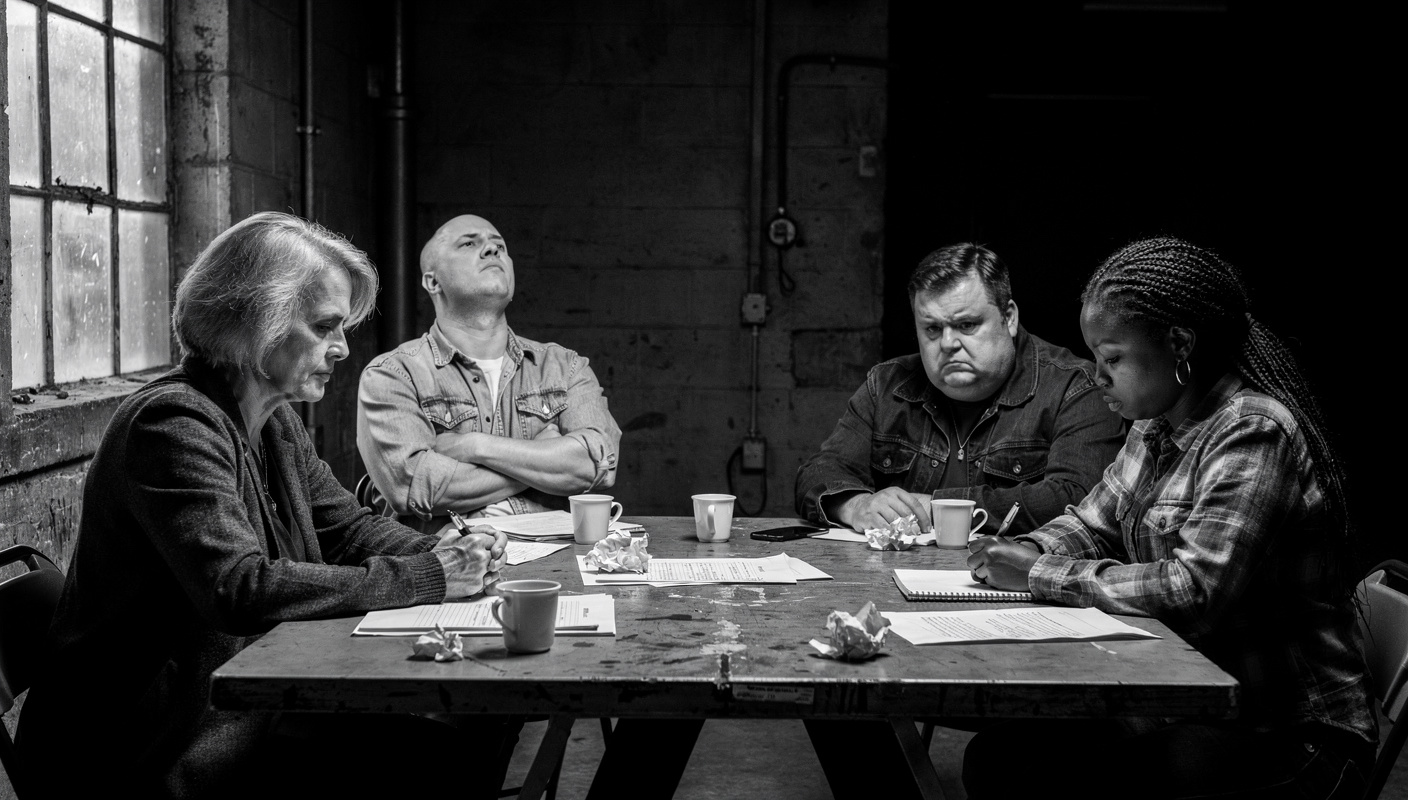
I have watched gifted groups fail. Not because they lacked skill or effort, but because no one in the room felt safe enough to say what they actually thought. The talent was present. The trust was not.
Most people understand team synergy at the surface level. They think of it as collaboration: people working together, communicating well, pulling in the same direction. And they are not wrong. But that description explains what synergy looks like, not what produces it.
The surface view of team synergy focuses on outputs: shared goals, clear roles, good meeting habits. Teams are told to communicate more, listen better, and give feedback regularly. These are sound practices. But they treat the symptoms without touching the cause.
The deeper reality is that all of those behaviours depend on a single condition: whether the people in the room believe it is safe to be honest. Without that belief, every tool and framework becomes theatre. People perform the behaviours without committing to them. Understanding this root changes how you respond to the surface.
"The Conversation You're Avoiding Is the One You Need to Have."
"The Conversation You're Avoiding
Is the One You Need to Have."
Stop rehearsing conversations you'll never have. Say It Right Every Time gives you 115 word-for-word scripts and 16 proven frameworks to speak with confidence in every conversation that matters.
The Core Mechanism Linking Psychological Safety to Team Synergy
Here is the central truth of it: psychological safety does not just make teams feel better. It physically changes the information that flows through them.
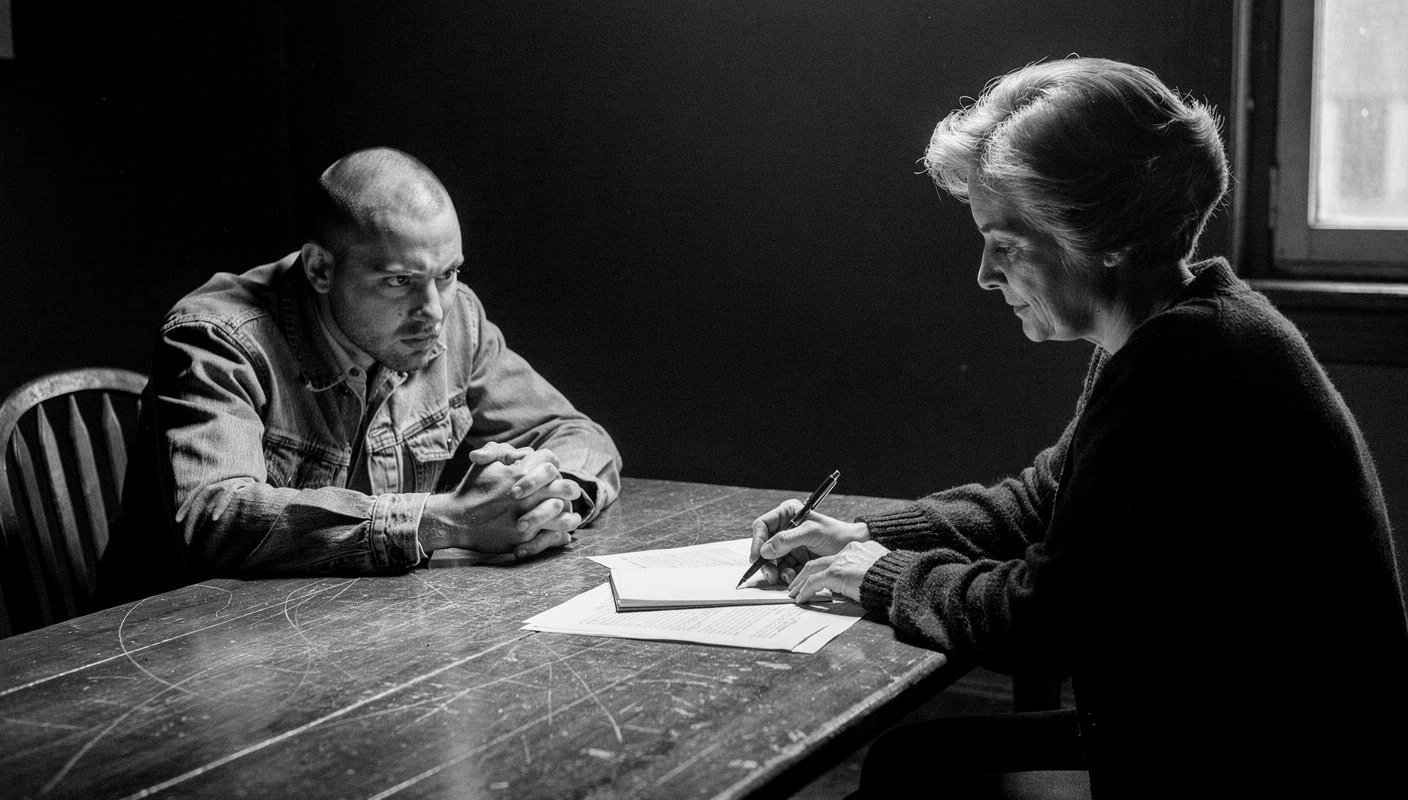
When a team member believes that disagreeing will cost them status, they stay quiet. Not because they lack an opinion, but because the social calculation says silence is safer. They nod in the meeting and vent in the corridor afterward. Which means that the team is making decisions on incomplete, curated information, and no one around the table knows it.
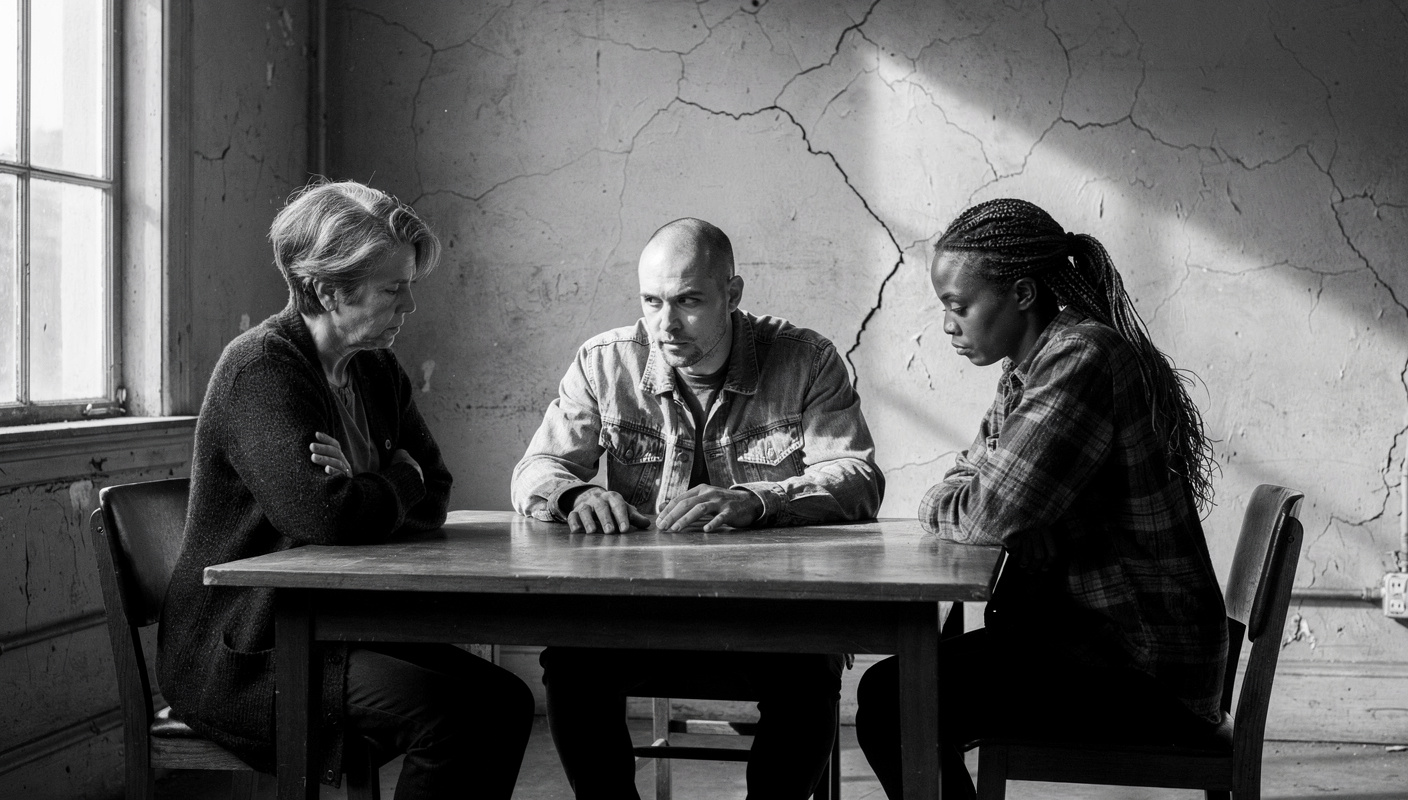
The moment safety enters the picture, that calculation shifts. People begin to share the idea they were not sure was welcome. They raise the concern they held back last week. They admit the mistake before it compounds. Which means the team suddenly has access to the full truth of its situation, not just the version people felt comfortable voicing.
This matters enormously for collective performance. Synergy is not the sum of individual contributions. It is what happens when those contributions interact: when one person's concern sharpens another's thinking, when a challenge improves a plan, when an admission allows the group to correct course early. That interaction only happens when people speak. And people only speak fully when they feel safe to do so.
There is a subtler layer here that most teams never reach. Psychological safety does not just affect what people say. It affects how they listen. When you are not managing your own exposure, you have more attention available for the person speaking. You hear the idea rather than scanning it for threat. That shift in listening quality changes the entire texture of a team conversation.
I cover the foundational mechanics of this communication climate in depth in Say It Right Every Time, where the C.O.R.E. Framework treats psychological safety as a prerequisite for the kind of honest dialogue that actually moves a team forward.
For a complete picture of what psychological safety is and how it drives collective performance, the article What Is Psychological Safety and How It Drives Team Synergy is the right starting point.
Bring it together in plain language: safety changes the data a team has access to, improves the quality of listening, and enables the honest exchange that produces genuine synergy. Remove the safety, and the mechanism breaks at every level.
What Psychological Safety Looks Like in Real Teams
Here is where this mechanism becomes visible in everyday communication.
The team that stops improving. A product team had skilled people and a structured review process. Every sprint retrospective ran on time and produced action items. But after six months, the same problems kept appearing. The truth was that no one ever challenged the team lead's assumptions. She was not aggressive, but she was confident, and her confidence had become a wall. People praised what worked and skipped what did not. Without the safety to disagree, the team's feedback loop had become a formality. The process existed; the honesty did not.
The one honest voice. A small operations team had one member, a quiet man three years into the role, who consistently named problems no one else would. His colleagues assumed he was blunt. His manager eventually realised he was simply the only one in the room who felt safe enough to be honest. The others had learned, through a handful of early experiences, that candour carried a cost. One person's safety does not create team synergy. But his honesty did keep the team from two significant errors that year, which says something important about what the rest of the group's silence was costing.
The breakthrough after a leader's admission. A leadership team in a mid-sized firm had been polite and functional for two years. Then the director stood up in a team session and said plainly that a decision she had pushed for had been wrong, and that she should have listened when two people had pushed back. The room changed that afternoon. Over the following month, the quality and candour of every conversation in that team shifted. Her vulnerability did not weaken her authority. It built the safety that her team had been missing.
In each of these situations, the surface behaviour was different. The root mechanism was the same.
Why Most Teams Miss the Connection
If this insight is so important, why do so few teams act on it clearly?
Safety is invisible until it is absent. Most teams do not notice the absence of psychological safety because people are still showing up and contributing. What they cannot see is what is not being said: the concern held back, the idea not raised, the mistake not admitted. The team looks functional, so no one questions the communication climate underneath it. If you want to understand why avoiding difficult conversations quietly destroys team synergy, the silence itself is the evidence.
Leaders confuse activity with openness. When a team is busy and meetings are full of talk, it is easy to assume that communication is working. But volume is not the same as candour. I have sat in rooms where everyone spoke and no one said anything true. The busyness masked the absence of safety, and the leader never thought to look below the surface noise.
One correction is enough to close a team down. It does not take a hostile manager or a toxic culture to destroy psychological safety. Sometimes it takes one sharp response to someone who raised an unpopular idea. One dismissal of a concern in front of peers. The team notices, adjusts, and self-censors. The leader often has no idea it happened. This is why emotional intelligence in team synergy matters so much: the ability to read the room is what helps a leader catch these moments before they calcify.
Awareness is the beginning. But awareness without application changes nothing.
What Psychological Safety Means for How You Communicate
Understanding this changes what you do in three specific ways.
Respond to honesty with consistency. Every time someone takes a risk and speaks the truth, your response either confirms safety or undermines it. If they raise a concern and you listen and engage, they will do it again. If you dismiss or redirect, they will not. The single most powerful tool you have for building a psychologically safe team is what you do in the ten seconds after someone says something difficult. Make a practice of responding to candour with curiosity rather than correction.
Stop waiting for the right structure. Many teams believe that psychological safety will follow from the right feedback process or the right meeting format. It does not work that way. Structure does not create safety; behaviour does. How you give feedback is itself a signal about whether honesty is welcome. Before you add another process, look at how you respond to the last three honest things someone on your team said to you.
Name the climate you want, then earn it. Safety cannot be declared into existence. But naming it matters. When a leader says plainly, "I want to hear disagreement early, not agreement now and problems later," they set an expectation. Then they must earn it through repeated behaviour. The empathy bridges described in team communication research are practical tools for this: small, consistent signals that the other person's perspective is genuinely welcome, not just tolerated.
These are not new behaviours. They are the same behaviours, grounded in a deeper understanding of why they work.
Key Insights and Next Steps
Psychological safety is the mechanism that converts a group of capable people into a team that actually functions at its potential. That is the central insight, and it changes everything downstream.
- Honest communication is not a skill gap. It is a safety gap. When people are not speaking up, the first question is not "what training do they need?" but "what are they afraid of?"
- A single dismissal can close a team down for months. One correction in front of peers can be enough. Safety is fragile in the wrong environment and strong only with consistent care.
- Synergy is what happens when full information flows freely. You cannot have genuine collective performance without the candour that psychological safety makes possible.
- Building safety is leader behaviour, not leader policy. What you do after someone speaks honestly is the only thing that matters.
- Safety and accountability are not opposites. The most psychologically safe teams hold each other to high standards because they trust the conversation that comes with it.
To go deeper on the daily habits that sustain an honest team, How Feedback Loops Boost Team Synergy shows how consistent exchange builds trust over time. If your team is recovering from a period of low trust, How to Rebuild Team Synergy After Conflict or Organizational Change offers a practical path forward. And for the full framework on building this kind of communication climate, Say It Right Every Time breaks it down step by step.
This much I know for certain: no amount of talent, process, or strategy will produce real psychological safety team synergy until people feel safe enough to tell each other the truth.
Frequently Asked Questions (FAQ)
What is psychological safety in a team?
Psychological safety in a team is the shared belief that members can speak up, share ideas, disagree, or admit mistakes without fear of embarrassment or punishment. It is the communication climate that makes candid, productive interaction possible rather than performative or guarded.
How does psychological safety enable team synergy?
Psychological safety enables team synergy by removing the social risk that keeps people silent. When members trust they will not be penalised for honesty, they share real information, challenge poor decisions, and build on each other's thinking. That open exchange is what turns a group into a high-performing team.
Why is psychological safety important for honest communication?
Without psychological safety, people filter what they say to protect themselves. They agree publicly and disagree privately. Honest communication requires the confidence that telling the truth will not damage your standing, and psychological safety is what creates that confidence inside a team.
How do you build psychological safety in a team?
You build psychological safety in a team through consistent leader behaviour: responding to mistakes with curiosity rather than blame, rewarding dissent when it is reasoned, and following through when someone speaks up. Safety is not declared; it is earned through repeated interactions that prove honesty is safe.
What happens to team synergy without psychological safety?
Without psychological safety, team synergy collapses into compliance. Members perform agreement, suppress concerns, and avoid the difficult conversations that drive real progress. The group may look functional on the surface while quietly accumulating unspoken tensions that eventually surface as conflict, disengagement, or failure.
Can psychological safety be rebuilt after trust breaks down?
Yes, but it requires deliberate effort and consistency over time. A single moment of blame or dismissal can erode months of safety. Rebuilding it means naming what went wrong, changing the specific behaviours that caused it, and demonstrating through repeated action that the environment has genuinely shifted.