
In Short
The rehearsal trap blocks team synergy when members perfect conversations privately but consistently fail to have them in the real moment.
- Teams caught in the trap produce rehearsed-sounding exchanges that resolve nothing.
- Meetings feel productive but leave the hardest topics untouched every time.
- The pattern deepens silently until synergy becomes structurally impossible.
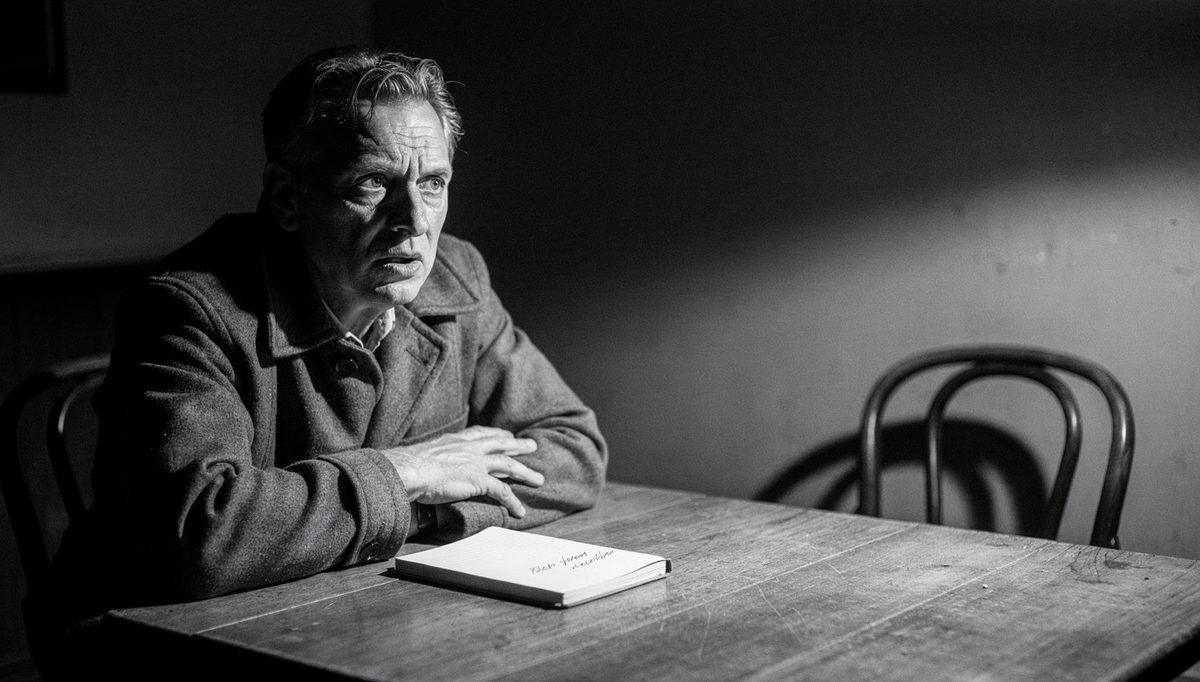
The rehearsal trap is the cycle where a team member, or an entire team, rehearses a difficult conversation so thoroughly in their own head that the mental repetition replaces the real exchange. It prevents synergy-building conversations from ever actually happening.
Your colleague has been preparing for weeks. She knows exactly what she wants to say. She has run through every version of the conversation in her mind, anticipated every response, crafted every reply. Then the moment comes, and she says: "Just wanted to check in." The real conversation stays locked inside her head, where it has always lived.
The rehearsal trap is one of the most common reasons team synergy stalls, and most teams never see it coming. It does not look like avoidance. It looks like preparation, professionalism, even thoughtfulness. That is why it is so hard to catch. By the time you notice the pattern, months of unspoken tension have already shaped how the team works together.
In this article, you will learn to recognize six specific rehearsal trap signs and what to do about each one. For context on why unspoken conversations carry such a steep collective cost, Why Avoiding Difficult Conversations Is the Hidden Enemy of Team Synergy gives you the full picture.
Why Synergy-Killing Patterns Are So Hard to Detect
The rehearsal trap does not announce itself. It grows quietly inside the daily rhythms of a functioning team, disguised as consideration, tact, and professionalism.
Here is why it so often goes undetected until the damage is done:
- It feels responsible. Preparing for a difficult conversation seems like the right thing to do. Nobody flags it as a problem when a team member says they are "thinking about how to raise this." Preparation and avoidance look identical from the outside.
- Everyone around you is doing it. When the whole team normalizes rehearsing-but-not-speaking, the pattern becomes the culture. There is no external signal that anything is wrong because everyone shares the same blind spot.
- Short-term discomfort disappears. Each time a person decides to "wait for the right moment," the anxiety of the conversation drops temporarily. That relief reinforces the pattern, making it more likely they will wait again next time.
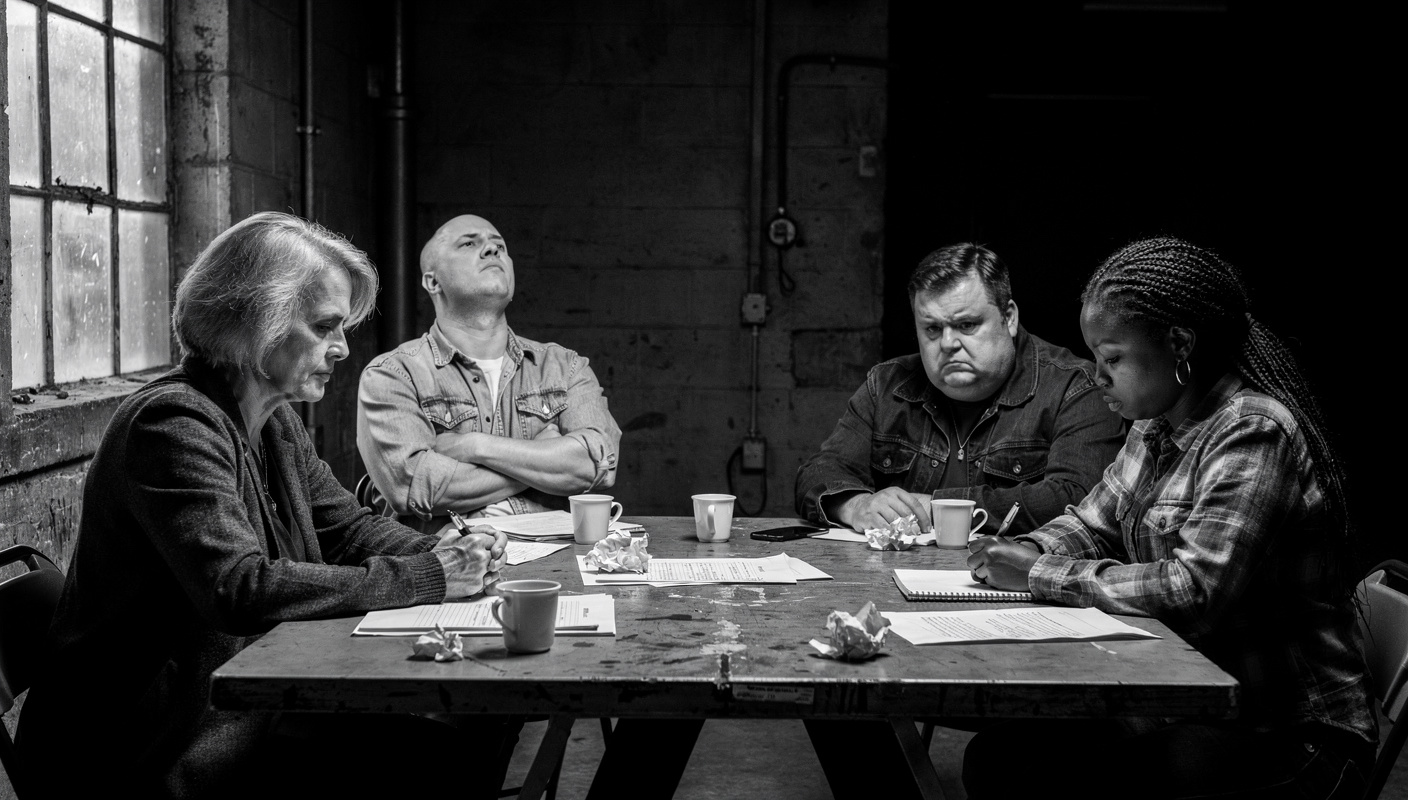
- Meetings appear to function. Teams caught in the rehearsal trap can hold perfectly structured, agenda-driven meetings where nothing real is ever said. The output looks like progress. The underlying issues remain completely untouched.
- The cost is invisible until it is very large. Unspoken conversations do not produce a single, obvious crisis. They produce synergy debt, a slow accumulation of unresolved tension that quietly stalls the team's ability to perform together.
The first step is knowing what to look for. That is what this article gives you.
"The Conversation You're Avoiding Is the One You Need to Have."
"The Conversation You're Avoiding
Is the One You Need to Have."
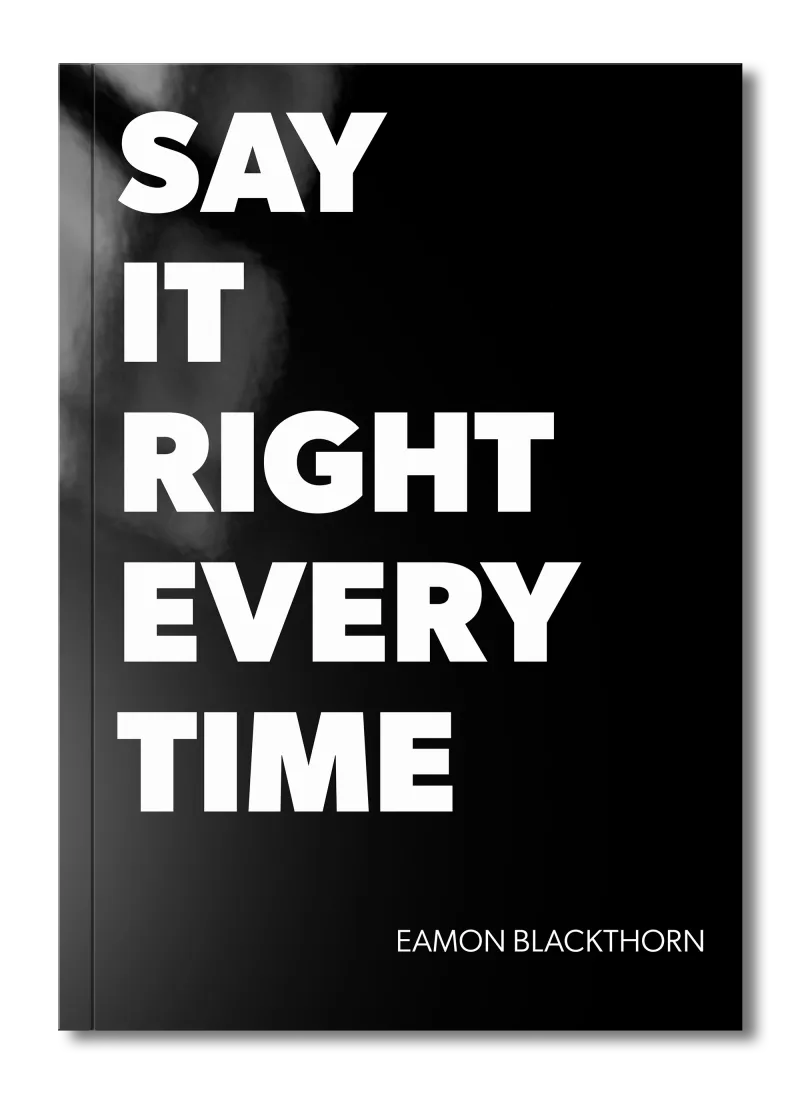
Stop rehearsing conversations you'll never have. Say It Right Every Time gives you 115 word-for-word scripts and 16 proven frameworks to speak with confidence in every conversation that matters.
Sign 1: Conversations That Sound Like Prepared Statements
What it looks like: When a difficult topic finally surfaces, the person raising it sounds rehearsed. Their words are too polished, their pacing too controlled. There is no hesitation, no natural searching for language. It sounds like a memo being read aloud.
Why it happens: In Say It Right Every Time, I describe the rehearsal trap as "the endless cycle of practicing a difficult conversation perfectly in your head, only to find yourself tongue tied and fumbling when the real moment arrives." Ironically, when someone rehearses so heavily that they bypass the fumbling entirely, the result is equally disconnected: the words come out, but the human exchange does not happen. The other person feels spoken at, not spoken to.
Why it matters: Synergy-building conversations require genuine back-and-forth. A prepared speech closes that space. The listener becomes passive, and the real issues, the ones that were not in the script, never get aired.
What to do about it: After your next team meeting, ask one specific question: "Was that a conversation or a presentation?" If the answer is presentation, introduce a norm where people are expected to pause, invite response, and stay genuinely open to being surprised by what comes back.
Eamon's note: I have watched this one dismantle teams that were otherwise exceptional, because a prepared statement tells the other person that their response was never really the point.
Sign 2: Topics That Reappear Without Ever Resolving
What it looks like: The same issue surfaces in every third meeting. It gets acknowledged, occasionally debated, and then quietly set aside. Nobody formally closes it. Nobody formally escalates it. It just persists, cycling through the agenda like furniture.
Why it happens: When team members rehearse their position on a topic without ever making themselves vulnerable to genuine challenge, the conversation stays circular. Everyone has their lines. Nobody changes. The topic remains open because the real conversation has never been had.
Why it matters: Recurring unresolved topics are a direct indicator that your team's collective problem-solving is broken. This is precisely the kind of pattern that builds conflict avoidance loops that block synergy. Left unaddressed, it teaches the team that bringing up problems is performative rather than productive.
What to do about it: Name the pattern directly at your next meeting. Say: "We have discussed this four times without a decision. Today we need to either resolve it or agree it cannot be resolved here, and escalate it." Give the topic a deadline. Ambiguity keeps the rehearsal trap in place.
Eamon's note: If you can predict exactly what everyone is going to say before they say it, the conversation died a long time ago.
Sign 3: One-on-One Conversations That Are Immediately Paraphrased in Group Settings
What it looks like: A team member has a real, direct exchange with a colleague privately, then in the next team meeting they offer a sanitized summary of it. "Sarah and I had a chat and we are broadly aligned." What was actually said, the disagreement, the friction, the genuine concern, disappears completely.
Why it happens: The private conversation broke through the rehearsal trap. The person said something real. Then, facing the group, the trap reasserts itself. The idea of repeating that level of candour in front of an audience triggers enough social anxiety to produce a smoothed-out, risk-free version instead.
Why it matters: This is where team synergy gets hollowed out. The productive exchange happened privately but never contributed to the collective intelligence of the team. Psychological safety is the condition that makes it possible to be as honest in the group as you are in private.
What to do about it: If you lead the team, model it yourself. The next time you summarize a private exchange in a group setting, include the friction. Say: "Sarah and I disagreed about this, and here is what each of us argued." Show the team that candour survives the transition from private to public.
Eamon's note: The gap between what people say privately and what they say publicly is one of the most honest measures of where a team's synergy actually stands.
Sign 4: Silence After Genuine Questions
What it looks like: Someone asks a direct, open question in a team meeting. "Does anyone think this approach is wrong?" A long pause follows. Then two or three people give responses that are technically answers but reveal nothing. "I think there are different ways to look at it." "It probably depends on context."
Why it happens: Here is the sign I find most surprising when I name it, and it is genuinely counterintuitive. The silence is not emptiness. It is full. Every person in that room has a real answer. The problem is that nobody prepared for this question. They rehearsed their own points. They did not rehearse genuine vulnerability. When an open question arrives unrehearsed, the amygdala takes over. As I explain in Chapter 4 of Say It Right Every Time, "the part of your brain responsible for rational thought and complex language, the prefrontal cortex, gets hijacked by the part of your brain responsible for survival, the amygdala." The result is a hedge.
Why it matters: When open questions produce hedged answers, the team stops asking open questions. Honest inquiry, the engine of real synergy, shuts down.
What to do about it: After a question lands and produces only hedging, name it gently. "That sounded like a careful answer. I am asking for your actual opinion." Give people explicit permission to say something imperfect.
Eamon's note: A team that cannot answer an honest question honestly is a team that has practiced safety instead of courage.
Sign 5: Feedback That Is Consistently Offered After the Fact
What it looks like: The decision gets made in the meeting. Then, in the corridor, over email, or in a separate side conversation, someone offers the insight they should have shared in the room. "Actually, I was thinking, there might be a problem with that approach." The timing ensures it has almost no impact.
Why it happens: The feedback existed before the meeting. The person prepared it, considered it, even refined it. But delivering it in the room felt too exposed. So they waited until the stakes dropped, then offered it in a form that required nothing of them. This is the rehearsal trap at its most costly: the person did the work, but mistimed the delivery so that the team received no benefit from it. Understanding how feedback loops shape team synergy helps clarify why timing is everything here.
Why it matters: After-the-fact feedback does not build synergy. It builds quiet frustration. The person giving it feels unheard. The team senses that critical voices are always one step behind the decision.
What to do about it: Create a specific, named slot at the end of every meeting: "Before we close, what did we not say that needed to be said?" Making the offer explicit reduces the social cost of speaking. Over time, it migrates the feedback into the room where it belongs.
Eamon's note: After the decision is made is not feedback. It is commentary, and it costs the team twice.
Sign 6: The Agenda Stays Full But the Real Work Stays Undone
What it looks like: Meetings run on time. Action items get assigned. Tick boxes get ticked. And yet, three months in, the team's most important challenges remain exactly where they were. The structural problems, the interpersonal friction, the unspoken strategic disagreements, have never appeared on any agenda.
Why it happens: A full agenda is an excellent hiding place for the rehearsal trap. When there is always something else to cover, no one has to account for the thing they never raised. Busyness becomes a shared agreement not to go to difficult places. This is closely related to the broader accumulation of synergy debt that stalls teams from inside.
Why it matters: Teams that never do the real work in meetings are not saving time. They are spending it on the wrong things while the most important conversations stay locked inside individual heads.
What to do about it: Remove one standing agenda item from your next meeting and replace it with a single question about the thing nobody has been saying. Keep the space uncomfortable for a minute. Something worth saying will surface. For a practical approach to starting these conversations, How to Start a Difficult Conversation That's Blocking Your Team's Synergy gives you the exact language.
Eamon's note: I have learned the hard way that a productive meeting and a useful meeting are two entirely different things.
The Pattern Behind These Rehearsal Trap Signs
These signs rarely appear in isolation. Where you find one, you usually find three. That is because they all draw from the same source.
The single most common root cause is what I call, in Chapter 1 of Say It Right Every Time, the core tension at the heart of all difficult communication: "There is a massive gap between knowing what you should do and actually being able to do it under pressure." Teams do not stay stuck because they lack awareness or intention. They stay stuck because nobody has given them the practical tools to close that gap. When you combine good intentions with no reliable method, you get rehearsal. Endless, private, unproductive rehearsal.
A second pattern worth naming is the social mirroring effect. When one team member defaults to rehearsed-but-safe communication, it signals to others that this is the norm. Over time, the whole team adjusts its behaviour to match. What started as one person's coping mechanism becomes the team's operating culture.
A third pattern is the mistaken belief that preparation equals readiness. In my experience, the most heavily prepared people are often the least ready, because preparation gives you lines, not responses. A real conversation is dynamic and unpredictable. As I put it in Chapter 4 of Say It Right Every Time: "A real conversation is not a monologue. It is a dynamic, unpredictable exchange with another human being." No amount of private rehearsal prepares you for what another human actually says next. Only practice in real exchanges does that. Building the psychological safety that enables honest communication is what makes those real exchanges possible.
Fix the root and most of the symptoms resolve.
Your Diagnostic Checklist
Use this checklist to assess where you or your team currently stand.
- Team members frequently say they need more time before raising a concern.
- The same topics recur in meetings without ever reaching a decision.
- Feedback arrives after decisions are made rather than during discussion.
- Direct questions in meetings produce vague or hedging answers.
- Private conversations contain more candour than group discussions do.
- Meetings have full agendas but leave the most important issues unaddressed.
- Team members sound rehearsed when raising sensitive topics.
- Nobody challenges a direction until after the meeting has ended.
- Side conversations following meetings are more revealing than the meetings themselves.
- Team members describe themselves as "waiting for the right moment" regularly.
If you checked 3 or fewer, your team has a reasonably clear floor; address the specific items that did come up. If you checked 4 to 6, the rehearsal trap is active and beginning to cost you; prioritize the highest-impact items immediately. If you checked 7 or more, the pattern is structural and requires deliberate intervention now, not next quarter.
How to Start Fixing This
Diagnosis without action is just worry. Here is where to begin.
Name the trap openly. Bring the concept of the rehearsal trap into a team conversation. Not as an accusation, but as a shared observation. Say: "I have noticed we tend to prepare a lot privately but rarely say the hard thing in the room. I want us to change that." Naming the pattern is the first move toward breaking it.
Give people exact language. One reason teams stay stuck is that good intentions do not come with scripts. In Say It Right Every Time, I built the entire book on the principle that "you do not need more theory, you need the exact words to say." Introduce word-for-word scripts for your most common difficult conversations. Practice them out loud, not just in your head.
Create structured space for real feedback. Do not rely on people volunteering candour unprompted. Build it into the meeting structure with a specific closing question: "What did we not say today that needed to be said?" Make it a ritual. Rituals reduce the social risk of honesty.
Shorten the distance between preparation and delivery. When a team member signals that they are preparing to raise something, set a deadline. "Bring it to Thursday's meeting." Remove the option to keep waiting. Urgency is the enemy of the rehearsal trap.
For the full process of applying these principles across your team's conversations, the C.O.R.E. framework and the 60-Day Transformation Plan outlined in Say It Right Every Time give you the structured system to build lasting team communication habits.
Summary
You can now see what most teams miss entirely: the difference between a team that is busy and a team that is actually communicating.
- The rehearsal trap is not a personal failing; it is a biological and cultural pattern that every team must actively counter.
- Most rehearsal trap signs look professional and responsible from the outside, which is exactly what makes them so damaging.
- The root cause is the gap between knowing what to say and having the practical tools to say it under real pressure.
- Synergy-building conversations require genuine exchange, not polished delivery.
- The repair starts with naming the pattern, providing real language, and building structures that make honesty the path of least resistance.
- The checklist above gives you a clear picture of where your team stands today.
For more on the conditions and patterns that shape how teams communicate under pressure, explore Why Avoiding Difficult Conversations Is the Hidden Enemy of Team Synergy, How Psychological Safety Enables Honest Communication and Sustains Team Synergy, and What Is Psychological Safety and How It Drives Team Synergy.
Recognizing the rehearsal trap signs is the moment your team's real work on synergy can finally begin.
Frequently Asked Questions (FAQ)
What are rehearsal trap signs in a team?
Rehearsal trap signs are patterns where team members over-prepare conversations privately but then deflect, soften, or avoid them when the real moment arrives. Common signs include scripted-sounding exchanges, topics that never get resolved, and meetings where nothing of substance is actually said.
How does the rehearsal trap damage team synergy?
The rehearsal trap prevents the honest, direct exchanges that build real team synergy. When people rehearse instead of connecting, conversations stay shallow, trust erodes slowly, and the team loses its ability to solve problems together. The gap between what is prepared and what is said compounds over time.
Can rehearsal trap signs appear in high-performing teams?
Yes, and that is what makes them dangerous. High-performing teams often have the strongest rehearsal patterns because members care deeply about how they come across. The trap is especially common in teams with high standards and low psychological safety, where the cost of getting a conversation wrong feels too high.
What causes the rehearsal trap in workplace teams?
The rehearsal trap is caused by a gap between knowing what to say and being able to say it under pressure. When the brain perceives a conversation as high-stakes, the amygdala can hijack the rational thinking needed for clear communication. Teams normalize this avoidance without recognizing it as a structural problem.
How do you fix rehearsal trap signs before they destroy team synergy?
Start by naming the pattern openly in a team setting. Then replace abstract preparation with practical word-for-word scripts for common difficult conversations. Rehearsal trap signs fade when team members trust that they have the exact language to navigate real exchanges, not just the intent to have them.
How is the rehearsal trap different from normal conversation preparation?
Normal preparation clarifies your thinking. The rehearsal trap is circular and compulsive. You replay the conversation endlessly, refining your lines, but the act of rehearsing replaces the act of speaking. The conversation feels complete in your head, which reduces the urgency to have it in reality.