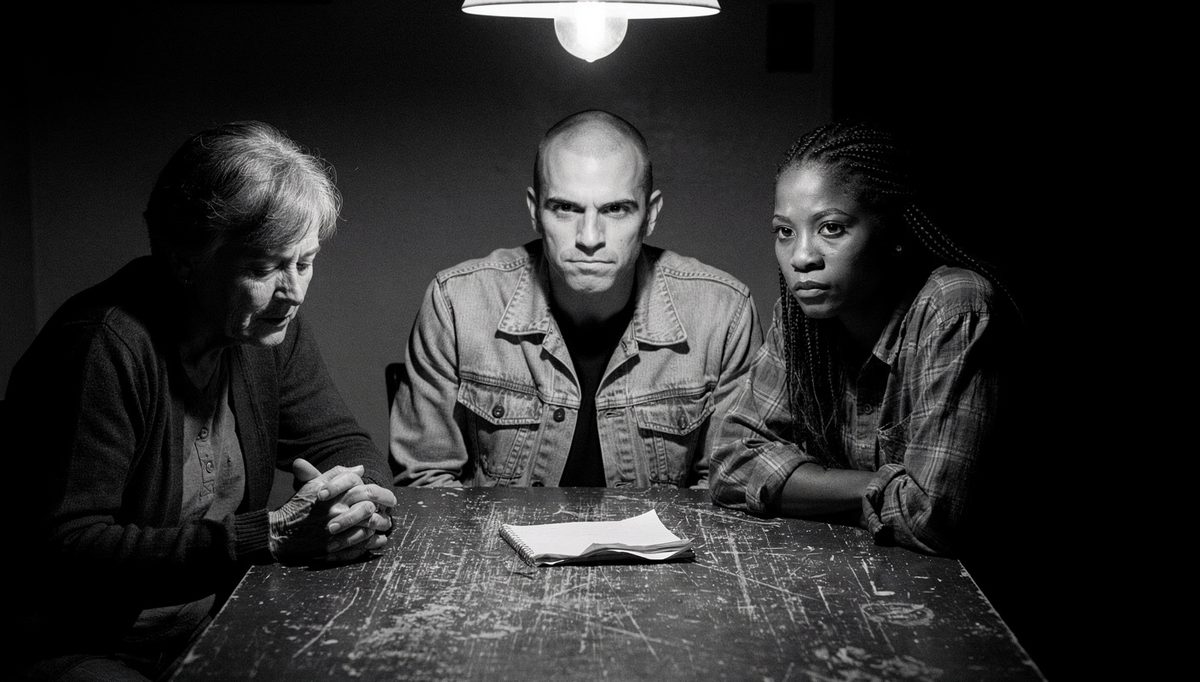

In Short
A conflict avoidance loop quietly destroys team synergy by making unhealthy silence look like cooperation.
- Meetings end without real disagreement, even when real disagreement exists.
- Problems get discussed in hallways and never in the room where they need to be solved.
- Polite, empty feedback replaces the honest challenge that drives collective progress.
A conflict avoidance loop is a repeating team pattern in which members consistently sidestep disagreement to preserve surface harmony. Unresolved tension accumulates beneath polite behaviour, quietly eroding the trust and honest communication that genuine team synergy depends on.
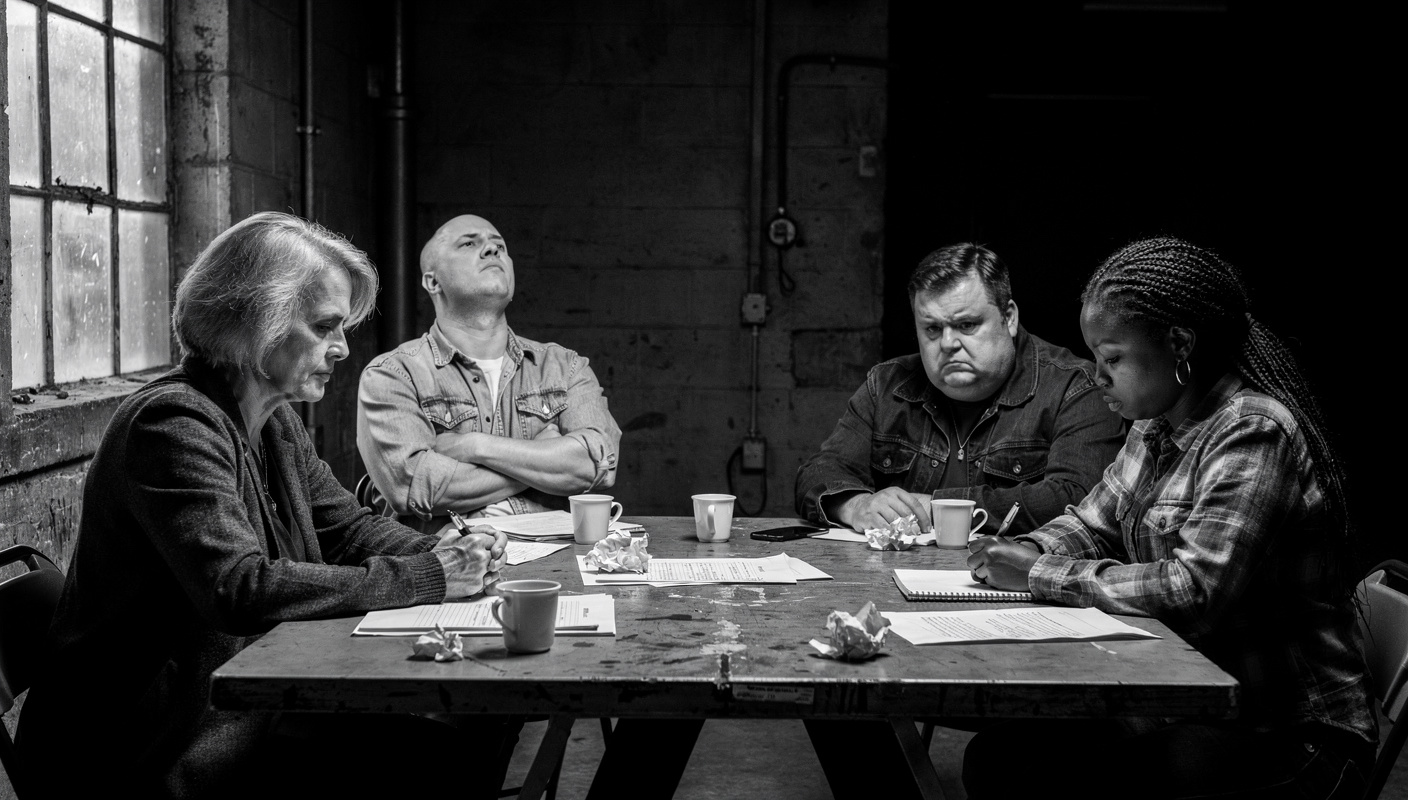
Your last team meeting felt productive. Everyone agreed on the plan. Nobody raised a concern. You left the room thinking things were moving well, only to hear two days later that three people have serious reservations they never voiced out loud.
That gap between what is said in the room and what is felt outside it is the first sign of a conflict avoidance loop. The problem is that most teams do not recognise the pattern until the damage runs deep. Avoidance does not announce itself. It hides inside good manners, efficient meetings, and a general sense that everything is fine.
Most leaders miss the warning signs because they look like positive indicators: calm discussions, fast decisions, no drama. Only later, when deadlines slip or trust quietly collapses, does the pattern become visible. By then, several months of suppressed tension have already taken root.
In this article, you will learn to recognise six specific signs that your team is stuck in a conflict avoidance loop and what to do about each one. If you want to go deeper on why avoidance starts in the first place, Why Avoiding Difficult Conversations Is the Hidden Enemy of Team Synergy covers the psychology behind it in full.
Why Team Synergy Problems Are Easy to Miss
Conflict avoidance does not feel like a problem when you are inside it. It feels like professionalism. It feels like maturity. Everyone is being respectful, meetings are civil, and no one is shouting. That is exactly why it spreads unchecked.
Here are five reasons the pattern goes undetected for so long:
- It develops slowly. A single avoided conversation does not destroy a team. Avoidance builds over weeks and months, one sidestepped moment at a time, until suppression becomes the team's default setting.
- It mimics good behaviour. Holding your tongue can look like emotional intelligence. Agreeing quickly can look like alignment. The surface behaviour and the healthy version are nearly indistinguishable from the outside.
- Leaders reinforce it accidentally. A manager who smooths tension to keep meetings on track is training the team that tension is unwelcome. The intention is efficiency; the result is silence.
- Everyone normalises it together. When the whole team avoids conflict, no single person stands out as the problem. The norm becomes invisible because it is shared.
- The costs appear elsewhere. When avoidance damages team synergy, the symptoms show up as missed deadlines, low energy, or staff turnover, not as conflict. The root cause gets misdiagnosed.
The first step is knowing what to look for. That is what this article gives you.
"The Conversation You're Avoiding Is the One You Need to Have."
"The Conversation You're Avoiding
Is the One You Need to Have."
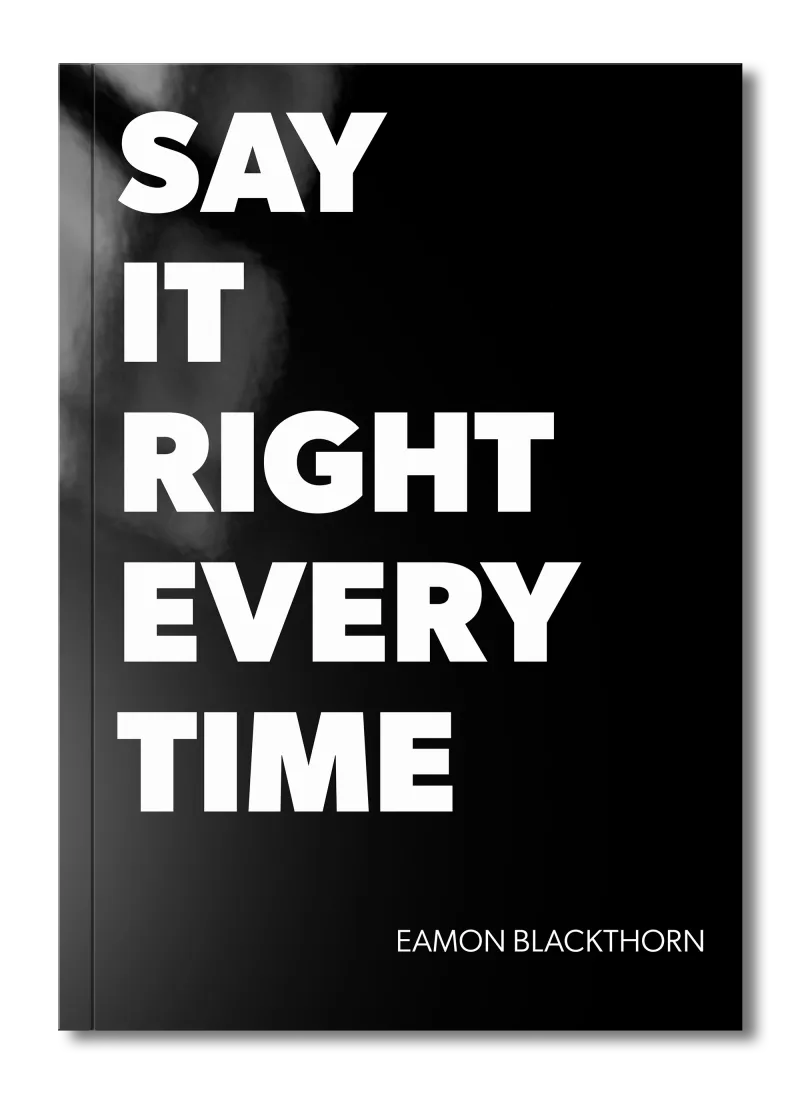
Stop rehearsing conversations you'll never have. Say It Right Every Time gives you 115 word-for-word scripts and 16 proven frameworks to speak with confidence in every conversation that matters.
Sign 1: Meetings End Without Any Real Pushback
What it looks like: Every agenda item closes with a nod. Nobody asks a hard question or challenges an assumption. Decisions get made in ten minutes that probably deserve thirty. The meeting is efficient, and something about that efficiency feels wrong.
Why it happens: At some point, the team learned that pushback creates discomfort. Maybe a challenge was received badly. Maybe the leader moved on too quickly. The lesson, learned unconsciously, is that disagreement costs more than silence.
Why it matters: Decisions made without genuine challenge are fragile. The flaws that nobody named in the room surface later, in implementation, when the cost of fixing them is much higher.
What to do about it: Reserve the last five minutes of every team meeting for a single question: "What have we not said yet?" Do not move to close until someone answers. Over time, this creates a structural invitation for honest input that does not require individual courage.
Eamon's note: I have watched this one destroy teams that had every other thing right.
Sign 2: The Real Conversations Happen Outside the Room
What it looks like: After a meeting, two people talk in the corridor and say what they actually think. Decisions made formally get quietly relitigated over coffee. You hear the honest version of the conversation only after the official one has already ended.
Why it happens: People need to process disagreement somewhere. If the team meeting is not safe enough for honest challenge, the honesty moves sideways. The corridor becomes the real decision-making space. For a full picture of how this pattern develops, How to Recognize When Conversation Avoidance Is Killing Your Team's Synergy maps the progression in detail.
Why it matters: When real decisions are made informally, the formal process becomes a performance. Trust erodes because people sense the gap between the official story and the actual one.
What to do about it: When you hear the corridor version of a conversation, bring it back into the room. Say: "I heard a concern about this after the meeting. Let us give it proper time now." You are not punishing the informality; you are redirecting the honesty to where it belongs.
Eamon's note: The corridor conversation is the team's honest voice. Your job is to move that voice back into the room.
Sign 3: Feedback Is Polite, Vague, and Useless
What it looks like: When someone shares work or an idea, the response is warm and encouraging. "Looks good." "Really solid." "Nice work." Nobody names a specific improvement. Nobody asks a hard question. The feedback loop produces heat but no light.
Why it happens: Honest feedback requires trust that the recipient will not respond defensively. When that trust is absent, or when past attempts at honest feedback went badly, people retreat into praise as a form of self-protection.
Why it matters: Without specific, honest feedback, people cannot improve. More importantly for team synergy, the feedback process becomes hollow. Everyone knows it. Respect quietly drains away because people sense they are being managed rather than engaged.
What to do about it: Introduce a simple two-part feedback norm: one specific observation about what worked, followed by one specific question about what could be stronger. The question format, "What would happen if we changed X?" is less threatening than direct criticism, and it invites real thinking. I cover the structure for delivering feedback that is both honest and respected in Say It Right Every Time, including exact language you can use the first time.
Eamon's note: Empty praise is not kindness. It is a signal that honest connection has broken down.
Sign 4: Accountability Disappears After Commitments Are Made
What it looks like: Someone agrees to deliver something by Thursday. Thursday comes. Nothing is delivered. Nobody says a word. The missed commitment is absorbed quietly into the team's ongoing tolerance, and the same pattern repeats the following week.
Why it happens: Holding someone to account requires a direct conversation. If the team has learned to avoid direct conversations, accountability collapses as a natural consequence. The avoidance that started in conflict resolution spreads into everyday expectations.
Why it matters: This one is counterintuitive. You might think low accountability is a management problem, not a communication one. But in most cases I have seen, it is a symptom of a team that has stopped trusting direct speech. When nobody will say "you said you would do this," the entire framework of team synergy weakens at its foundation.
What to do about it: Make commitments visible and public. Write them down at the end of every meeting with names attached. A simple shared document does this. When a commitment is missed, address it calmly and directly in the next meeting. Not as blame; as information. "This did not happen. What do we need to change so it does?"
Eamon's note: The moment a team stops holding each other to account, it has stopped trusting each other with the truth.
Sign 5: The Leader Smooths Tension Before It Can Be Examined
What it looks like: Two people start to disagree in a meeting and the leader steps in immediately. "I think we all want the same thing here." "Let us take this offline." "Good points on both sides." The tension dissolves before anything real can be learned from it.
Why it happens: Leaders often see conflict as a threat to momentum. The instinct to smooth it over is not malicious; it is protective. But the effect is to train the team that tension is unsafe and should be removed quickly rather than explored carefully. For a practical guide on handling these moments without losing the team, How to De-escalate Team Conflict Without Destroying Synergy gives a clear method.
Why it matters: Productive disagreement is where the team's best thinking lives. When the leader extinguishes it too quickly, the team loses access to that thinking. Decisions become shallower. Innovation dries up. Team synergy, the kind that produces results greater than the sum of parts, requires that tension be held open long enough to be useful.
What to do about it: When tension surfaces in a meeting, try pausing rather than resolving. Say: "This feels important. Let us give it two more minutes before we move on." You are not escalating the conflict; you are giving it enough air to become useful.
Eamon's note: I learned this one by being the leader who smoothed everything, and then wondering why my team stopped bringing me real problems.
Sign 6: Everyone Claims to Agree, but Nothing Changes
What it looks like: The team reaches a decision. Everyone nods. The decision is documented. Two weeks later, nothing has shifted. When you revisit the decision, everyone still agrees with it in theory. Somehow the agreement never converts to action.
Why it happens: This is perhaps the most deceptive sign on this list. The agreement was never real. People nodded because it was easier than objecting. They had private reservations they never voiced. Without genuine buy-in, commitment is shallow and action does not follow. How to Start a Difficult Conversation That's Blocking Your Team's Synergy offers a practical framework for surfaces these hidden reservations before a decision is locked in.
Why it matters: False consensus is more dangerous than open disagreement. Open disagreement can be addressed. False consensus hides the real problem while creating the illusion that it has been solved.
What to do about it: Before closing any significant decision, ask each person directly: "On a scale of one to ten, how confident are you in this plan?" Anyone who answers below seven owes the group a specific reason. This creates a structured invitation for honest dissent that does not require anyone to volunteer vulnerability unprompted.
Eamon's note: A room full of nods does not mean a room full of believers. Learn to tell the difference.
The Pattern Behind These Signs
These signs rarely appear in isolation. Where you find one, you usually find several others running quietly alongside it.
The single root cause beneath most conflict avoidance loops is a belief that honest disagreement is a threat to the relationship. Team members have learned, through experience or observation, that surfacing tension costs more than absorbing it. So they absorb it, every time, until absorbing becomes automatic.
This belief is rarely examined directly. It operates below the surface of day-to-day interaction, expressed through small choices: the question not asked, the objection swallowed, the feedback softened into irrelevance. Building genuine psychological safety is the structural answer to this root cause.
Two secondary patterns are worth naming. First, avoidance tends to start at the top. When a leader is uncomfortable with tension, the team learns quickly to match that discomfort. The leader's tolerance for honest challenge sets the ceiling for the entire group. Second, avoidance compounds. Each avoided conversation makes the next one harder. The longer the loop runs, the more accumulated tension sits beneath the surface, and the more frightening any direct conversation feels.
Fix the root belief and most of the symptoms resolve. The team needs evidence, repeated and specific, that honest challenge is welcomed, not punished.
Your Diagnostic Checklist
Use this checklist to assess where you or your team currently stand.
- Team meetings regularly end without any member raising a concern or objection.
- Decisions are revisited informally after meetings end, in hallways or private messages.
- Feedback between team members is consistently positive and contains no specific improvement suggestions.
- Missed commitments are not addressed directly in subsequent meetings.
- The leader regularly intervenes to smooth tension before it is fully explored.
- Team members agree publicly on decisions that they privately question.
- There is one topic or person that the team never addresses directly, even when relevant.
- New ideas are approved quickly with little genuine scrutiny.
- When conflict does surface, it is routed to private conversations rather than the team setting.
- At least one team member regularly vents frustration outside the team context instead of inside it.
Scoring guide: If you checked three or fewer, the foundation is reasonably sound, though any checked item still deserves attention. If you checked four to six, the avoidance pattern is active and will compound without direct intervention. If you checked seven or more, the loop is well established and needs immediate, deliberate repair.
How to Start Fixing This
Diagnosis without action is just worry. The checklist above tells you what is happening. What follows tells you what to do first.
Name the pattern openly. In your next team session, say plainly: "I have noticed we tend to agree quickly and avoid challenge. I want to change that, because I think we are leaving our best thinking on the table." You are not accusing anyone. You are changing the norm.
Introduce structured dissent. Before any significant decision is closed, ask: "What is the strongest argument against this plan?" Rotate who answers the question. You are building the muscle of productive disagreement without requiring individual courage to initiate it. For a practical tool to open these conversations safely, How to Deliver a Neutral Problem Statement That Stops Team Conflict Before It Destroys Synergy is a good next step.
Reward honest challenge visibly. When someone raises a difficult question or an uncomfortable truth, acknowledge it directly in the room. "That is exactly the kind of challenge we need." You are training the team through positive reinforcement, not through policy.
Follow up on what you promised to change. In two weeks, return to the topic. Show the team that naming the problem led to something real. Credibility in this work is earned through consistency, not declaration. After a period of sustained avoidance, How to Rebuild Team Synergy After Conflict or Organizational Change gives a fuller roadmap for the recovery phase.
Summary
You can now see what you may not have been able to name before: the quiet, cooperative-looking patterns that signal a team managing tension rather than resolving it.
- A conflict avoidance loop hides inside good manners and efficient meetings.
- The signs are behavioural and observable, not about feelings or intentions.
- False consensus is more dangerous than open disagreement because it is invisible.
- The root cause is a team belief that honest challenge threatens the relationship.
- Leaders set the ceiling for honest challenge through their own response to tension.
- Breaking the loop requires changing the norm, not just encouraging better behaviour.
The subject runs deep. For the psychological foundations beneath avoidance, start with Why Avoiding Difficult Conversations Is the Hidden Enemy of Team Synergy. For rebuilding after the damage has been done, How to Rebuild Team Synergy After Conflict or Organizational Change will give you the structure you need.
A team that can say the hard thing, in the room, with respect and without fear: that is where genuine conflict avoidance loop ends and real team synergy begins.
Frequently Asked Questions (FAQ)
What is a conflict avoidance loop in a team?
A conflict avoidance loop is a repeating pattern where team members consistently sidestep disagreement to preserve surface harmony. Over time, unresolved tension accumulates beneath polite behaviour, quietly strangling the trust and honest communication that genuine team synergy depends on.
How does a conflict avoidance loop block team synergy?
It blocks synergy by replacing honest collaboration with managed politeness. Teams stop surfacing real problems, stop challenging each other's thinking, and stop holding each other accountable. The result is shallow agreement instead of the productive friction that drives collective performance forward.
What are the signs your team is in a conflict avoidance loop?
Key signs include meetings that end without any real disagreement, decisions that nobody owns, team members venting outside meetings instead of inside them, overly polite feedback that contains no substance, and a leader who consistently smooths tension before it can be examined.
How do you break a conflict avoidance loop without damaging the team?
Start by naming the pattern openly without blaming individuals. Introduce structured moments where disagreement is expected, not suppressed. Build psychological safety gradually so people trust that honest challenge will be met with respect, not punishment. Change the norm before expecting behaviour to follow.
Can conflict avoidance ever look like team harmony?
Yes, and that is what makes it so dangerous. Surface harmony, where everyone agrees quickly and meetings feel smooth, is often a mask for deeper tension. Real team synergy includes occasional friction, pushback, and honest challenge. The absence of all conflict is usually a warning sign, not a strength.
How long does it take a conflict avoidance loop to damage team synergy?
Damage accumulates faster than most leaders expect. A team can develop a deeply entrenched avoidance pattern within three to six months of repeated suppressed conflict. The longer the loop runs, the harder it becomes to restore the trust and candour that real synergy requires.