
In Short
Conversation avoidance kills team synergy gradually and silently, long before anyone names it as the problem.
- Meetings that produce agreement but not honest decisions
- Problems that resurface repeatedly without ever being resolved
- A team that has stopped volunteering ideas or pushback
Conversation avoidance synergy describes the gradual erosion of a team's collective performance when members consistently dodge honest, difficult, or uncomfortable exchanges. Over time, the unspoken accumulates, trust weakens, and the shared energy that once made the team greater than the sum of its parts quietly drains away.
Your team looked fine on paper. Deadlines met, no open conflict, everyone polite in meetings. Then someone left, or a project collapsed without warning, and you discovered the real story had been building for months beneath the surface. Conversation avoidance had been quietly doing its work.
The difficulty is that most teams do not recognize the damage while it is happening. The signs look like other things: professionalism, efficiency, keeping the peace. By the time the cost to team synergy becomes undeniable, the pattern is deep and the trust is thin. If you want to understand why avoiding difficult conversations is the hidden enemy of collective performance, the underlying forces are worth examining closely. You can explore that in depth in Why Avoiding Difficult Conversations Is the Hidden Enemy of Team Synergy.
In this article, you will learn to recognize six specific signs that conversation avoidance is killing your team's synergy, and what to do about each one.
Why Team Synergy Problems Are Easy to Miss
The trouble with conversation avoidance is that it wears the face of maturity. A team that keeps things calm and avoids outbursts looks, from the outside, like a team that communicates well. The damage hides behind good manners.
These problems also develop slowly, like a crack in a wall that takes years to reach the foundation. There is rarely a single moment you can point to.
Here is why most teams miss it until the damage is done:
- The signs mimic professionalism. When people stop challenging ideas in meetings, it can look like respect or focus. It takes time to notice that what you are watching is actually withdrawal, not engagement.
- Everyone adapts to the new normal. Once a team stops having honest exchanges, the silence becomes the baseline. New members learn the unwritten rule quickly: do not raise the difficult thing. The pattern becomes invisible because it becomes expected.
- Results can mask the rot. A team delivering good numbers does not look broken. Success creates confidence that everything is fine, even as the trust and candour that produced that success slowly erode underneath.
- The avoided conversations are rarely dramatic. Nobody is shouting. Nobody storms out. The damage comes from the small things not said: the feedback not given, the concern not raised, the disagreement softened into agreement.
- Leaders are often the last to know. If the culture of avoidance has developed around a leader, the people most likely to recognize it are the least likely to say so.
The first step is knowing what to look for. That is what this article gives you.
"The Conversation You're Avoiding Is the One You Need to Have."
"The Conversation You're Avoiding
Is the One You Need to Have."
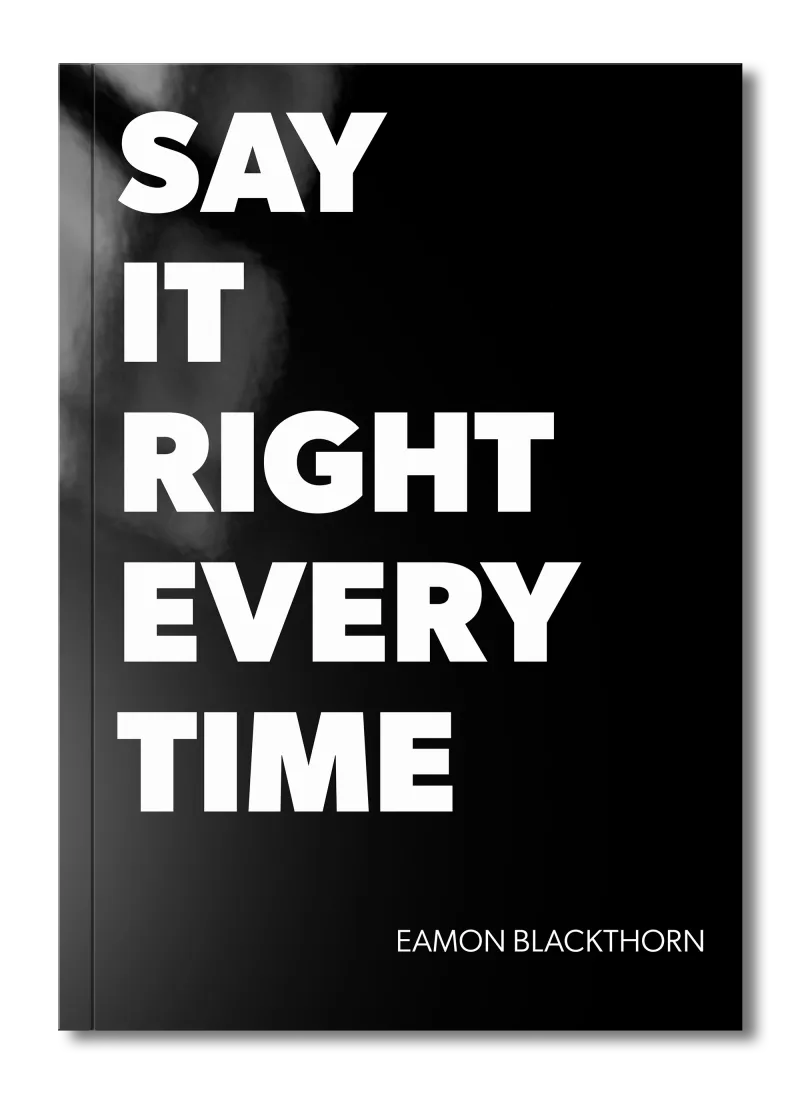
Stop rehearsing conversations you'll never have. Say It Right Every Time gives you 115 word-for-word scripts and 16 proven frameworks to speak with confidence in every conversation that matters.
Sign 1: Meetings That End Without Real Decisions
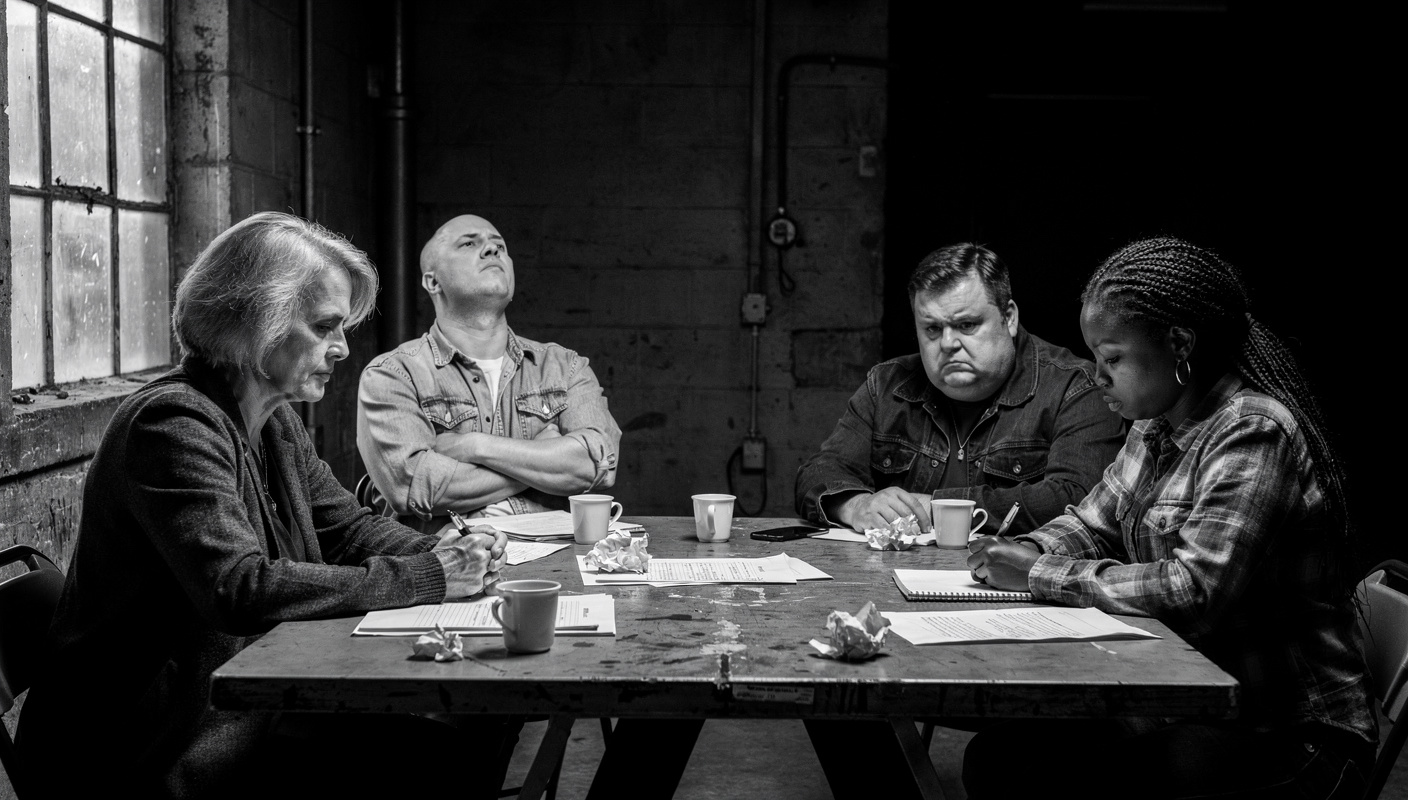
What it looks like: The meeting runs its full time, everyone nods, and the agenda items are marked done. But within hours, team members are in hallways or on message threads re-litigating what was just supposedly settled. Nothing actually got decided; it only got agreed upon out loud.
Why it happens: When a team has learned that disagreement in a group setting is uncomfortable or unwelcome, people approve what is in front of them rather than challenge it. The real thinking happens privately, after the meeting is safely over.
Why it matters: Decisions made without honest input collapse under pressure. The team does not move forward; it circles. Momentum, which is the engine of real synergy, dies.
What to do about it: At the close of every meeting, ask one direct question: "Does anyone have a concern we have not voiced?" Then wait. The silence itself is data. If the same people stay quiet every time, address that privately before the next session.
Eamon's note: I have watched this one destroy teams that had every other thing right, because they spent more energy managing the appearance of alignment than building the real thing.
Sign 2: Problems That Keep Resurfacing
What it looks like: The same issue comes up in meeting after meeting, quarter after quarter. It gets discussed, occasionally gets an action item, and then reappears unchanged three months later. The team has developed a tolerance for unresolved problems.
Why it happens: Resolving a problem often requires someone to say something uncomfortable, to name a cause that points to a person or a decision. If the team has an implicit agreement to avoid that discomfort, problems get managed but never solved.
Why it matters: Recurring problems drain energy and breed cynicism. When your team stops believing that raising an issue will lead to resolution, they stop raising issues. That silence is the beginning of the end of synergy. For more on how this pattern accumulates into a deeper structural problem, see How Conversation Avoidance Creates Hidden Synergy Debt in High-Performing Teams.
What to do about it: When a recurring issue comes up again, pause before the usual discussion begins. Say directly: "We have been here before. This time, let us talk about what we have been avoiding saying." That reframe changes the conversation.
Eamon's note: A problem that keeps coming back is not a stubborn problem; it is a conversation the team has not been willing to finish.
Sign 3: Agreement in the Room, Dissent in the Corridor
What it looks like: Everyone agrees in the meeting. Within the hour, two people are venting to each other in private about the decision just made. The real opinions are being shared everywhere except where they can do any good.
Why it happens: People learn very quickly where it is safe to speak and where it is not. If past honesty was met with defensiveness, dismissal, or social cost, they adapt. The corridor becomes the safe space, and the meeting room becomes a performance.
Why it matters: A team that agrees publicly but disagrees privately has no synergy. It has a surface and an undercurrent pulling in opposite directions. That tension will express itself eventually, usually at the worst possible moment.
What to do about it: Create a structured space for dissent before decisions are final. Ask each person to state one reservation or risk before the group moves on. This normalizes critical thinking and removes the social risk of being the lone voice. I cover specific scripts for this exact situation in Say It Right Every Time, including how to invite honest pushback without triggering defensiveness. You can explore the full approach at Say It Right Every Time.
Eamon's note: The conversations happening after the meeting are the real meeting; your job is to make it safe to have them in the room.
Sign 4: Feedback That Only Ever Flows One Way
What it looks like: The leader gives feedback to the team, but almost no feedback travels upward or sideways. Performance reviews happen, but candid peer input is absent. People are careful and vague when asked what they think of how things are going.
Why it happens: In most teams, honest feedback carries real social risk. Giving a colleague or a manager direct, honest feedback requires trust that the relationship can hold it. When that trust is thin or untested, people default to safe, positive responses that protect everyone and help no one. For a practical system to change this, How Feedback Loops Boost Team Synergy lays out exactly how to build feedback into everyday team practice.
Why it matters: A team that cannot exchange honest feedback cannot improve together. The collective capability stays flat, and the specific strengths and friction points that a team needs to understand about itself remain invisible.
What to do about it: Start small and make it structural. After each significant piece of work, build in a five-minute exchange: what worked, what did not, what would you do differently. Keep it focused on the work, not the people, and do it consistently until it becomes normal.
Eamon's note: Feedback that only flows downward is not a feedback culture; it is a correction culture, and they produce very different teams.
Sign 5: The Team Has Stopped Volunteering Ideas
What it looks like: In early meetings, people offered suggestions, challenged directions, and brought energy to problem-solving. Now you ask for input and get polite silence or the same two voices. The creative engine of the team has gone quiet.
Why it happens: This one surprises people when they first hear it, but it is true: idea generation shuts down when people have learned that their contributions do not land safely. If past ideas were dismissed without real engagement, or if the people who challenged received subtle pushback, the team learns to conserve. Safety precedes creativity every time.
Why it matters: Synergy is not just about people working side by side; it is about people building on each other's thinking. When that stops, you have a team in name only. If you want to understand the broader signs of this breakdown, Signs Your Team Lacks Synergy and How to Fix It gives you a full diagnostic.
What to do about it: Before your next team discussion, use a round-robin structure where every person offers one thought before open discussion begins. This removes the social calculus of speaking first and signals clearly that all input matters. Do it consistently for four weeks and watch what changes.
Eamon's note: When a team goes quiet, they are not out of ideas; they have run out of confidence that ideas are welcome.
Sign 6: Conflict That Never Quite Gets Resolved
What it looks like: Two people had a friction point six months ago. It was never fully addressed, and now there is a permanent low-grade tension between them that everyone in the team can feel. Work-arounds have formed around the relationship. People know not to put those two in the same workstream.
Why it happens: Addressing interpersonal conflict requires direct conversation about something uncomfortable. When a team's culture treats discomfort as something to avoid, conflict gets managed rather than resolved. The edges get smoothed, but the break underneath stays broken. This avoidance loop is worth examining directly in How to Recognize When Your Team Is Stuck in a Conflict Avoidance Loop That Blocks Synergy.
Why it matters: Unresolved conflict is a tax on every interaction the team has. It consumes energy that should go toward the work. Over time, the work-arounds become permanent structures, and the team's capacity quietly shrinks around the unspoken rupture.
What to do about it: Address it directly and privately first. Name what you have observed, not what you assume was felt. "I have noticed tension since that project. I want to understand your perspective on what happened." That opening, calm and specific, gives the other person room to speak honestly rather than defend.
Eamon's note: Unresolved conflict does not stay contained; it spreads, until the whole team is quietly organizing itself around it.
The Pattern Behind These Signs
These signs rarely appear in isolation. When you see one of them clearly, look for the others. They tend to travel together.
The single most common root cause beneath all six is the absence of psychological safety: the shared belief that honest speech will not be punished. When a team does not trust that candour is safe, every form of real communication contracts. Meetings become performances. Feedback becomes flattery. Conflict becomes silence. The collective capability of the team compresses to a fraction of what it could be.
Two secondary patterns are worth naming. The first is a leadership model that prioritizes harmony over honesty. When a leader consistently resolves tension by smoothing it over rather than working through it, the team learns what is expected and complies. The standard for what gets said in meetings is set at the top.
The second pattern is history. Teams that have experienced a moment where honesty was punished, where someone was dismissed, embarrassed, or sidelined for speaking plainly, carry that memory. It shapes every subsequent exchange, often without anyone consciously naming it. Rebuilding after moments like that is possible, but it requires direct acknowledgement. See How to Rebuild Team Synergy After Conflict or Organizational Change for a practical approach to that repair process.
Fix the root and most of the symptoms resolve.
Your Diagnostic Checklist
Use this checklist to assess where you or your team currently stand.
- Meetings regularly produce agreement, but the same issues resurface within days.
- The same unresolved problems reappear on the agenda quarter after quarter.
- Team members discuss concerns privately but rarely raise them in group settings.
- Feedback in your team flows primarily in one direction, from leader to team.
- The volume of new ideas and voluntary contributions has noticeably declined.
- At least one interpersonal friction point is shaping how work gets assigned.
- When you ask for honest input, the same one or two people respond while others stay quiet.
- Decisions made in meetings are revisited in private channels shortly after.
- Team members are consistently careful and vague when asked how things are going.
- Someone who once challenged and contributed has become visibly withdrawn.
If you checked 3 or fewer, the foundation is sound, but do not ignore the items you flagged. If you checked 4 to 6, address the highest-impact items first and move with intention. If you checked 7 or more, this pattern needs immediate attention before the damage compounds further.
How to Start Fixing Conversation Avoidance in Your Team
Diagnosis without action is just worry. Here is where to begin.
Name the pattern directly. In your next team session, say clearly that honest conversation has been missing and that you want to change it. Do not dress it up. The naming itself is the first repair act, because it breaks the normalization.
Build one structured dialogue practice. Choose a single recurring moment, end of sprint, post-project review, weekly check-in, and make honest reflection part of the format. Keep it brief and consistent. Consistency is what creates trust that the space is real.
Address the highest-risk relationship. If there is an unresolved interpersonal rupture in your team, do not wait for it to heal on its own. Schedule a private conversation using a direct, non-accusatory opening. Name what you observed, ask what the other person experienced, and listen without interrupting.
Model the behaviour you need. Volunteer your own uncertainty, your own mistakes, your own concerns in team settings. A leader or peer who speaks honestly first makes it safer for everyone else to follow. For a complete set of scripts to use in each of these situations, How to Give Feedback That Strengthens Team Synergy Instead of Breaking It gives you a practical framework to apply immediately.
For the full process of rebuilding a team's capacity for honest exchange, see Why Avoiding Difficult Conversations Is the Hidden Enemy of Team Synergy.
Summary
You can now see what most people miss until it is too late: conversation avoidance does not announce itself. It builds quietly, sign by sign, until the team's shared capacity to perform together has been hollowed out.
- Polite agreement in meetings is not the same as real alignment.
- Recurring problems are almost always avoided conversations in disguise.
- The corridor is where the real meeting happens when the room is not safe.
- A team that has stopped volunteering ideas has learned that ideas are not welcome.
- Unresolved conflict shapes the team's structure long after the original moment has passed.
- Psychological safety is not a soft concept; it is the ground everything else grows from.
The tools to build that ground are in How Feedback Loops Boost Team Synergy and Signs Your Team Lacks Synergy and How to Fix It. Both give you specific practices you can apply this week.
Building real conversation avoidance synergy awareness in your team is not a one-time fix. It is a daily practice of choosing honesty over comfort, one exchange at a time. Start with one conversation you have been avoiding. That is the only place this ever begins.
Frequently Asked Questions (FAQ)
What is conversation avoidance synergy and why does it matter?
Conversation avoidance synergy describes what happens when a team's collective performance erodes because members consistently dodge difficult or honest exchanges. It matters because the damage is invisible at first, accumulating quietly until trust breaks, decisions stall, and the team can no longer operate at its potential.
How do you recognize conversation avoidance killing your team synergy?
Look for meetings that end without real decisions, team members who agree publicly but disengage privately, and problems that resurface repeatedly without resolution. These patterns signal that honest dialogue has been replaced by surface-level agreement, which gradually hollows out a team's ability to perform together.
What are the most common signs of conversation avoidance in a team?
The most common signs are overly polite meetings, issues raised outside formal settings but never in them, and a team that stops volunteering ideas. Each sign reflects a shared decision to avoid discomfort, and each one chips quietly away at the collective energy and trust that make synergy possible.
Can conversation avoidance destroy a high-performing team?
Yes. High-performing teams are especially vulnerable because their success can mask the early signs of avoidance. Members assume things are fine because results look good, while unspoken tensions accumulate beneath the surface. By the time performance drops visibly, the trust damage is already significant and harder to repair.
How long does it take for conversation avoidance to affect team synergy?
The effects begin almost immediately but rarely become visible for weeks or months. Small avoided conversations compound over time. A team that avoids one difficult exchange tends to avoid the next, and the pattern becomes normalized. What started as a single uncomfortable moment eventually becomes a culture of silence.
What is the first step to fix conversation avoidance in a team?
Name the pattern directly. Before any process or tool will work, the team needs to hear someone say clearly that honest conversation has been missing. That naming act breaks the normalization. From there, you can introduce structured dialogue practices and rebuild the expectation that candid exchange is both safe and required.