
In Short
Team synergy breaks down quietly, and most teams do not notice until the cost is already high.
- Meetings where no one challenges anything signal a team that has stopped trusting itself.
- Members working in isolation is not efficiency; it is a warning sign.
- When individuals claim credit alone, collective ownership has already begun to erode.
Team synergy signs are observable behaviors that indicate a group has lost its ability to function as a unified whole, where collective output exceeds individual contribution. Recognising these signals early is what separates teams that recover from teams that quietly fall apart.
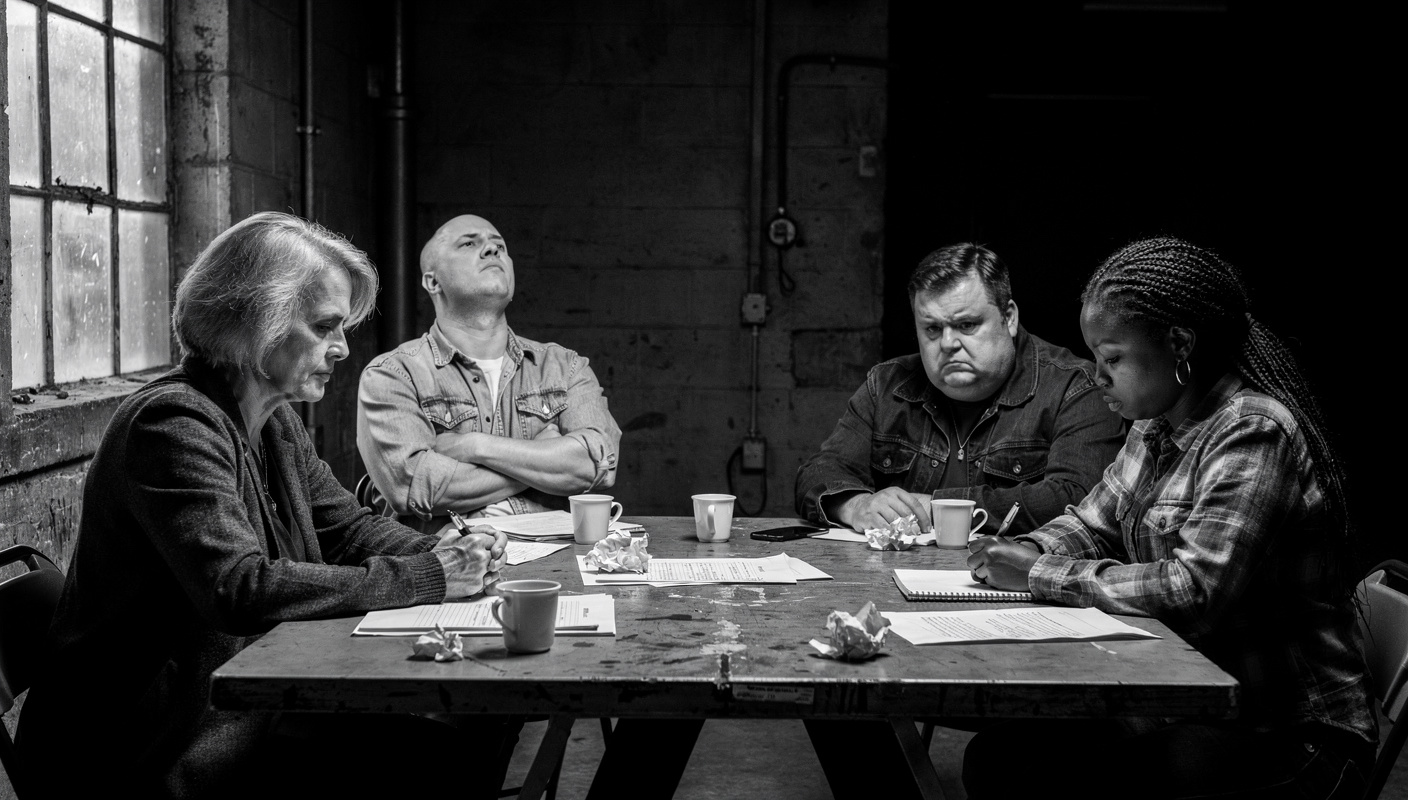
You thought the team was working. The deliverables were landing on time, the meetings were civil, and no one had stormed out or resigned. Then one day you realised the group had not produced anything genuinely surprising in months. Everyone was doing their job. No one was doing it together.
That is how team synergy erodes. Not with a crash, but with a slow withdrawal. The warning signs are easy to miss because they tend to look like other things: professionalism, focus, maturity. A quiet meeting reads as efficiency. Individuals handling their own work looks like self-sufficiency. Polite agreement feels like cohesion. It is not.
By the time most leaders or team members notice something is wrong, the patterns have been in place for a long time. Trust has thinned. Habits have hardened. The gap between what the team could produce collectively and what it is actually producing has grown wide.
In this article, you will learn to recognise six specific team synergy signs, understand why each one happens, and know what to do about it. If you want to understand the concept at its foundation first, What Is Team Synergy and Why It Matters is a good place to start.
Why Team Synergy Problems Are Easy to Miss
The reason these signs go undetected is not carelessness. It is that broken synergy and functional independence look almost identical from the outside. A team of capable professionals managing their own work without stepping on each other's toes looks fine. It is only when you look for what is absent, not what is present, that the problem becomes visible.
Here is why the signs slip past even attentive leaders and teammates:
- Everything still gets done. When individual contributors are skilled, output continues even after collective trust has collapsed. The team delivers, so no one looks deeper at how.
- The change happens gradually. Synergy does not vanish overnight. It fades by degrees, each small withdrawal so minor that no single moment feels like a turning point.
- The team has normalised the distance. Once a team adjusts its expectations downward, the new lower standard becomes the baseline. Nobody remembers what genuine collaboration felt like.
- Conflict avoidance looks like harmony. A room where no one disagrees feels pleasant. It takes experience to know that real collaboration produces friction, and the absence of friction often means people have stopped caring enough to push back.
- Leaders are the last to know. People adjust their behavior around authority. What a manager sees in a meeting is often a carefully managed version of what actually happens when they leave the room.
The first step is knowing what to look for. That is what this article gives you.
"The Conversation You're Avoiding Is the One You Need to Have."
"The Conversation You're Avoiding
Is the One You Need to Have."
Stop rehearsing conversations you'll never have. Say It Right Every Time gives you 115 word-for-word scripts and 16 proven frameworks to speak with confidence in every conversation that matters.
Sign 1: Meetings Where Nobody Challenges Anything
What it looks like: Proposals go forward without questions. Ideas land in silence followed by nods. Nobody pushes back, nobody asks for the thinking behind a decision, and the meeting ends faster than it should. It feels productive. It is not.
Why it happens: People stop challenging when they have learned it is not worth it. Either past challenges were dismissed, or the person who raised them was made to feel difficult. The team has quietly concluded that agreement is safer than honesty.
Why it matters: A team that does not challenge its own ideas will repeat its own mistakes. The absence of productive friction is the absence of collective thinking, and that gap compounds over time.
What to do about it: In your next meeting, assign someone to argue against the leading proposal before any decision is made. Rotate this role each session. It gives people permission to question without it feeling like personal opposition. Track whether the quality of decisions improves within a month.
Eamon's note: I have sat in rooms like this and mistaken the quiet for confidence, and I paid for that mistake more than once.
Sign 2: Members Working Around Each Other Instead of With Each Other
What it looks like: People complete their portion of a project and hand it off without conversation. There are no overlapping discussions, no real-time adjustments based on what someone else is discovering. The work happens in parallel tracks that never genuinely meet.
Why it happens: Often this traces back to unclear roles, which I explore in depth in What Is Role Clarity and Why It Is the Foundation of Sustainable Team Synergy. When boundaries are fuzzy, people retreat into their own lane to avoid overlap and conflict.
Why it matters: The collective insight that defines genuine synergy only emerges when people actively exchange what they are learning. Isolated work produces isolated results.
What to do about it: Build a brief weekly overlap conversation into the team's rhythm. Not a status update. A genuine exchange: what are you learning, what are you stuck on, what do you need from someone else? Fifteen minutes, structured, consistent. Watch whether it changes the texture of the final work within three weeks.
Eamon's note: The strongest teams I have ever worked with spent as much time talking about work as doing it, and the doing was better for it.
Sign 3: Credit Flows to Individuals, Not to the Group
What it looks like: When something goes well, one person's name gets attached to it. In updates to leadership, in emails, in how the story gets told afterward. The team's contribution becomes a backdrop for someone's individual performance.
Why it happens: This pattern often starts at the top. If the reward system, formally or informally, recognises individuals rather than collective outcomes, people will naturally position themselves accordingly. The system shapes the behavior.
Why it matters: When individuals compete for credit rather than share it, they stop sharing information, effort, and risk. Collective ownership dissolves, and with it goes the psychological safety that makes genuine collaboration possible.
What to do about it: Change how you narrate success. When you report a win, name the team before you name any individual. When you write an update, describe what the group built together. This is not performative; it is the signal that retrains the culture. Do it consistently for thirty days and watch whether people begin to do the same.
Eamon's note: The most talented people I have worked with were the quickest to say "we." That was not modesty; it was wisdom.
Sign 4: Feedback Only Travels Downward
What it looks like: Information about performance, problems, and progress moves in one direction: from those with authority to those without it. Peers do not give each other direct, honest feedback. Junior members do not raise concerns upward. Feedback is sparse, formal, and usually attached to an annual review.
Why it happens: This develops when honest peer feedback has been experienced as risky. Someone raised a concern once and it damaged a relationship. Someone gave a colleague direct input and it was taken as aggression. The lesson learned was: keep quiet and stay safe. For the full picture of how this harms collective performance, How Feedback Loops Boost Team Synergy is worth your time.
Why it matters: A team without genuine feedback loops cannot self-correct. Problems that could be caught early calcify into permanent habits.
What to do about it: Introduce a simple peer reflection practice after any significant piece of work: one thing that worked well collectively, one thing the team would do differently. Keep it brief and blameless. The goal is to make feedback a normal act, not a rare event.
Eamon's note: The teams that taught me the most were the ones where anyone could tell anyone the truth, and nobody took it personally.
Sign 5: The Same Conflicts Surface Again and Again
What it looks like: You have had this conversation before. The same tension between the same people, or about the same type of decision, keeps returning. It gets managed in the moment, then reappears weeks later in a slightly different form. Nothing ever fully resolves.
Why it happens: Recurring conflict is almost always a symptom of an unaddressed structural issue: overlapping responsibilities, a decision-making process nobody trusts, or a values difference that was never openly named. Treating the symptom without the root is why it returns. Understanding how to address this at the structural level is exactly what How to Rebuild Team Synergy After Conflict or Organizational Change covers directly.
Why it matters: Unresolved recurring conflict drains trust with every cycle. Each repetition makes people more defended and less willing to invest in the group.
What to do about it: After the next instance of the recurring conflict, pause before moving on. Ask the group directly: what is the underlying disagreement that keeps producing this? Name the structural issue, not the interpersonal friction. Then decide collectively how to resolve the structure, not just the incident.
Eamon's note: This is the one I most often see leaders handle with patience when they should be handling it with honesty.
Sign 6: New Information Stops Moving Across the Team
What it looks like: One person learns something important, and three weeks later, half the team still does not know it. Decisions get made based on outdated information because the person who had the update assumed someone else would share it, or did not think to. Knowledge lives in pockets.
Why it happens: This is a counterintuitive sign, but it is one of the most telling. When teams lose synergy, people stop thinking of their knowledge as a shared resource. Information becomes individual property, sometimes unconsciously, sometimes as a way of maintaining relevance. This pattern is explored further in Common Mistakes That Destroy Workplace Synergy.
Why it matters: A team operating on fragmented information cannot coordinate well. Decisions made from partial pictures produce results nobody fully owns or understands.
What to do about it: Designate a simple, low-friction channel for real-time updates. Not another meeting. A brief written note, a shared log, a standing two-minute check-in at the end of the day. The tool matters less than the habit. Set an expectation that anything a member learns that could affect someone else gets shared the same day.
Eamon's note: I learned this one from watching a team fall apart over a decision that three people already had the information to prevent.
The Pattern Behind These Team Synergy Signs
These signs rarely appear in isolation. Where you find one, you will usually find two or three others already taking root nearby. That is because most of them share a common source.
Here is the truth of it: the single most common root cause of eroded team synergy is the absence of psychological safety combined with a reward system that values individual performance over collective outcomes. When people do not feel safe to speak honestly and when the incentives point toward personal achievement, every one of the signs above follows naturally. Silence in meetings, isolated working, credit-claiming, withheld information: these are all rational responses to an unsafe environment.
There are secondary patterns worth naming too. Unclear roles create the conditions for avoidance and overlap, pushing people into their own lanes. When nobody is certain where their responsibility ends and someone else's begins, withdrawal is the path of least resistance.
A third pattern is leadership that manages upward rather than inward. When leaders spend their energy presenting the team well to the organisation above them and not enough time attending to the dynamics within the team, the internal trust structure is left to chance.
Fix the root and most of the symptoms resolve. Address psychological safety, align the incentives toward collective achievement, and clarify who owns what. The signs documented above will begin to fade.
Your Diagnostic Checklist for Team Synergy Signs
Use this checklist to assess where you or your team currently stand.
- Team meetings regularly end without anyone having challenged a key assumption or proposal.
- Members complete their portions of shared work without meaningful conversation across boundaries.
- Successes are routinely attributed to individual contributors rather than the group as a whole.
- Honest peer-to-peer feedback is rare or absent outside of formal review processes.
- The same conflicts or tensions resurface repeatedly without full resolution.
- New information or learning from one member frequently fails to reach others in time to be useful.
- People rarely volunteer for tasks outside their defined lane, even when they have relevant knowledge.
- There is low participation or silence from certain team members in group settings consistently.
- Decisions are regularly made without the input of people who will be most affected by them.
- There is no consistent practice of reflecting collectively on what the team could do better.
Scoring: If you checked three or fewer items, the foundation is reasonably sound, though the items you checked still deserve attention. If you checked four to six, prioritise the highest-impact items first and address them within thirty days. If you checked seven or more, this needs immediate and direct attention; the patterns are already established and will not resolve on their own.
How to Start Fixing Team Synergy Problems
Diagnosis without action is just worry. Here is where to begin.
Name what you are seeing. Bring the most visible sign to the team directly and without blame. "I have noticed we are not challenging each other's thinking in meetings. I want to change that." Naming it gives the group permission to take it seriously.
Rebuild feedback as a daily habit. Start with one brief peer reflection after each significant piece of work. Keep it structured: one strength, one improvement. This practice, if you want to understand how to run it well, is covered in detail in How to Give Feedback That Strengthens Team Synergy Instead of Breaking It.
Change how you reward outcomes. For the next four weeks, make a deliberate point of recognising collective achievement in every communication to the wider organisation. Track whether the team's internal behavior shifts in response.
Clarify one role boundary per week. Pick the most contested or ambiguous boundary on the team and resolve it explicitly. Who owns this decision? Who contributes but does not hold the call? Make it clear and write it down.
Create one shared information habit. Agree on a simple method for real-time knowledge sharing. One brief daily or weekly note covering what each member is learning and what they need from others. For how leaders can build the broader culture around this, How Leaders Foster a Culture of Team Synergy takes it further.
For a complete repair process after major breakdown, see How to Rebuild Team Synergy After Conflict or Organizational Change.
Summary
You can now see what you may have been explaining away before. The quiet meetings, the parallel working, the recycled conflicts: these are not just personality differences or bad days. They are team synergy signs that tell a coherent story about what has broken down and why.
- Silence in meetings is not agreement; it is the erosion of trust.
- Isolated working is not efficiency; it is disconnection from shared purpose.
- Recurring conflict points to a structural problem, not an interpersonal one.
- Credit claimed individually signals that collective ownership has already weakened.
- Feedback that only travels downward leaves a team unable to learn from itself.
- Fragmented information is a symptom of a group that has stopped thinking as a unit.
For the full picture of how teams lose and rebuild this quality of collective working, these articles will take you further: What Is Team Synergy and Why It Matters, Common Mistakes That Destroy Workplace Synergy, and How Leaders Foster a Culture of Team Synergy.
Building team synergy is a practice, not a gift, and the teams that sustain it are the ones with the courage to name what is breaking before it breaks completely.
Frequently Asked Questions (FAQ)
What are the main signs of poor team synergy?
The clearest team synergy signs include members working in isolation, meetings where no one challenges anything, credit being claimed individually rather than collectively, and key decisions being made without the people who have to carry them out. These signals rarely appear loudly; they build quietly over time.
How do you know if your team has lost synergy?
You notice team synergy has eroded when coordination requires constant follow-up, people stop raising concerns in group settings, and output feels like a collection of individual work rather than a shared result. The team still functions, but the energy of genuine collective effort is gone.
Can team synergy be rebuilt once it breaks down?
Yes, team synergy can be rebuilt, but it takes deliberate action rather than time alone. Start by naming what broke down openly, restoring role clarity, and creating consistent feedback practices. Small wins shared collectively rebuild trust faster than any single intervention.
What causes a team to lose its synergy?
The most common cause of lost team synergy is unclear roles, which forces people into either overstepping or disengaging. Add in a culture where honest feedback is avoided and where individual recognition outweighs collective achievement, and the conditions for poor synergy are almost guaranteed.
How long does it take to fix team synergy problems?
Most team synergy problems show early improvement within four to six weeks of consistent, targeted action. Full restoration of trust and collective momentum typically takes three to six months. The speed depends on how long the breakdown went unaddressed and how directly leadership engages with the root causes.
Are team synergy signs different from general communication problems?
They overlap but are distinct. General communication problems affect clarity between individuals. Team synergy signs point to something deeper: the loss of collective identity, shared purpose, and interdependence. A team can communicate clearly and still lack synergy if members are not genuinely working toward a shared outcome.