
In Short
Most teams are not destroyed by dramatic conflict, they are quietly dismantled by small, repeated mistakes that nobody stops to name.
- Allowing one voice to dominate while others go silent
- Skipping honest feedback in favour of surface-level agreement
- Leaving responsibilities vague so that nobody fully owns anything
Workplace synergy mistakes are recurring behaviours and communication failures that gradually erode the collective power of a team. They are not dramatic acts of sabotage. They are small choices, repeated often enough, that strip a group of its ability to think, decide, and act as one.
You thought the team was fine. Meetings ran on time. Nobody was complaining. Then a key project fell apart, two of your strongest people stopped talking directly to each other, and you realised something had been breaking down for months without anyone saying a word.
That is how workplace synergy mistakes work. They do not arrive loudly. They settle in slowly, disguised as normal working life, until the damage is deep enough to feel. By the time most teams notice the problem, they have already lost months of momentum and a significant amount of trust.
In this article, you will learn to recognise six specific mistakes that destroy team synergy, and you will find a clear, concrete action to correct each one. For a closer look at what these problems look like from the outside, Signs Your Team Lacks Synergy and How to Fix It is worth reading alongside this one.
Why Team Synergy Problems Are Easy to Miss
These mistakes are hard to catch because they wear the clothes of reasonable behaviour. Avoiding a tense conversation looks like professionalism. Letting the most confident person lead looks like efficiency. Nodding along in a meeting looks like agreement. None of it signals a problem until the pattern has repeated enough times to cause real harm.
There are several reasons these mistakes go undetected for so long:
- The problems develop gradually. No single meeting or conversation creates a breakdown. The damage accumulates across weeks and months, which makes it nearly impossible to point to a moment when things went wrong.
- Everyone around you has normalised the behaviour. If the whole team avoids direct feedback, avoidance becomes the culture. Nobody flags it because nobody remembers what the alternative looked like.
- The early signs look like minor friction. A quiet meeting, a vague handoff, a decision nobody fully owns, these feel like small inefficiencies, not warning signals of deeper collapse.
- People confuse politeness with cooperation. Teams that never argue openly often believe they are functioning well. In reality, they may be suppressing the honest exchange that makes real collaboration possible.
- Leaders often see what they want to see. When a team appears calm and busy, it is easy to assume things are working. The silence that follows avoided conflict is easy to mistake for contentment.
The first step is knowing what to look for. That is what this article gives you.
"The Conversation You're Avoiding Is the One You Need to Have."
"The Conversation You're Avoiding
Is the One You Need to Have."
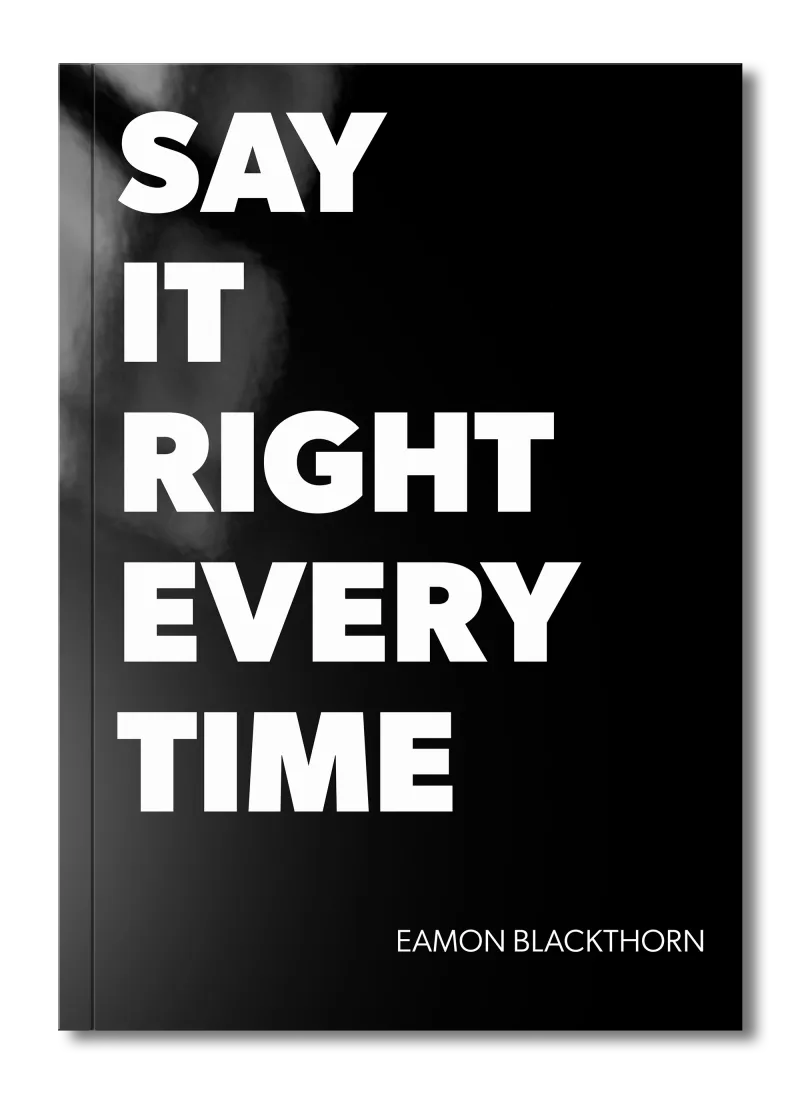
Stop rehearsing conversations you'll never have. Say It Right Every Time gives you 115 word-for-word scripts and 16 proven frameworks to speak with confidence in every conversation that matters.
Mistake 1: Allowing One Voice to Consistently Dominate
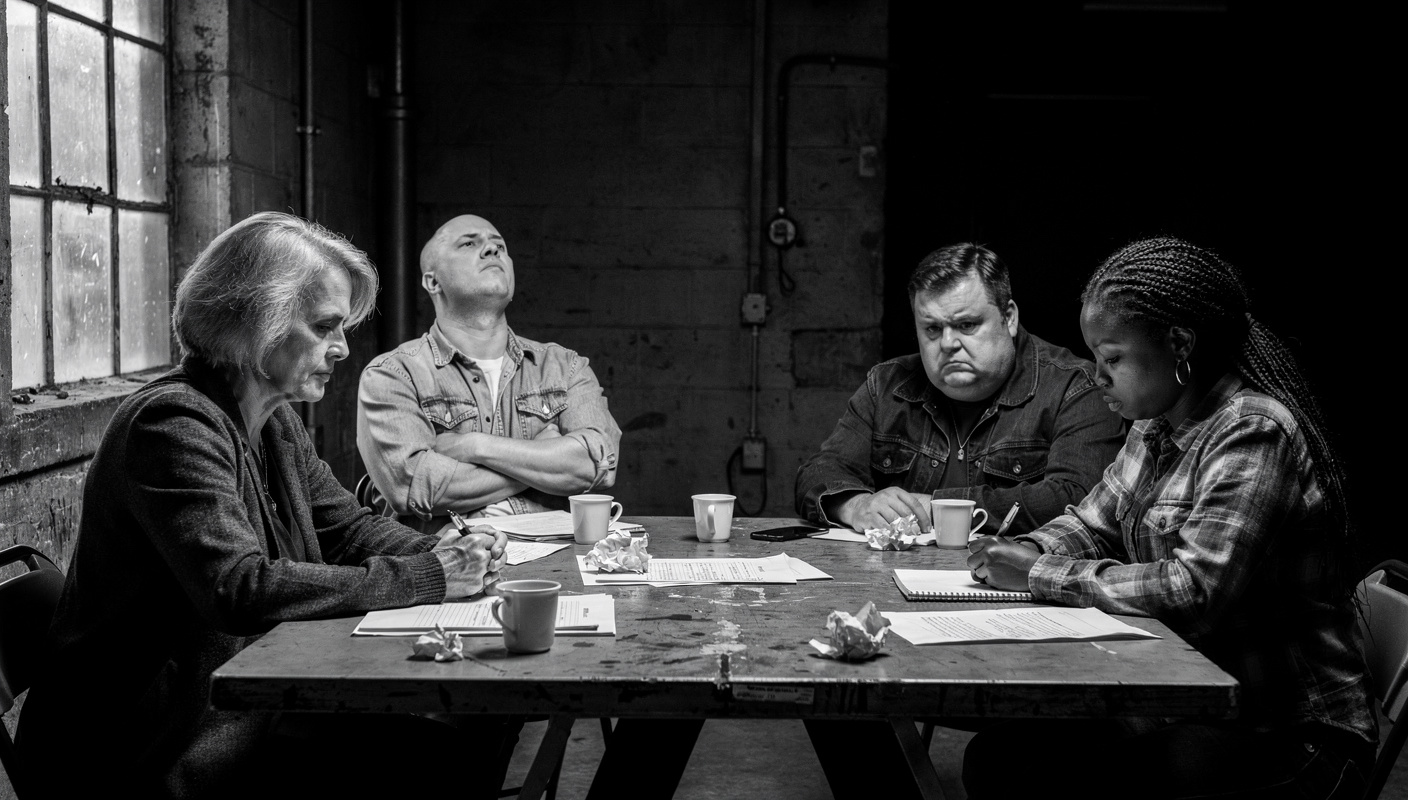
What it looks like: One person speaks first, speaks longest, and speaks most often in every group conversation. Others wait for that person to finish before offering a tentative agreement or staying silent entirely. The team appears cohesive from the outside, but only one perspective is actually shaping decisions.
Why it happens: The dominant voice is often the most senior, the most confident, or the most passionate person in the room. Nobody challenges them because it feels confrontational, and over time the rest of the team learns that their input is not genuinely needed.
Why it matters: A team where one person does all the thinking is not a team. It is one person with an audience. The collective intelligence that makes true synergy possible never gets accessed.
What to do about it: Before your next group discussion, ask each person to write down their perspective independently before anyone speaks. Then invite contributions in reverse seniority order, starting with the quietest voices. This simple structure gives the room permission to think before the dominant voice sets the tone.
Eamon's note: I have watched this one destroy teams that had every other thing right.
Mistake 2: Treating Vague Responsibility as Shared Ownership
What it looks like: Tasks are assigned to "the team" or "everyone" without a named owner. In meetings, people nod when asked if something will get done. Later, it does not get done, and nobody is certain whose job it was. This cycle repeats.
Why it happens: Leaders often frame vague ownership as a sign of trust and collective responsibility. It feels collaborative. In practice, when everyone owns something, nobody does.
Why it matters: Ambiguous responsibility is one of the fastest ways to erode accountability and, with it, trust. What Is Role Clarity and Why It Is the Foundation of Sustainable Team Synergy explores this more fully, but the short version is simple: unnamed ownership becomes no ownership.
What to do about it: End every meeting with a written list of decisions made. For each decision, record one name as the owner, and a specific date for completion. No exceptions. Shared accountability works only when individual accountability is established first.
Eamon's note: Vague responsibility is not kindness. It is the kindest-sounding way to set your team up to fail.
Mistake 3: Mistaking the Absence of Conflict for the Presence of Alignment
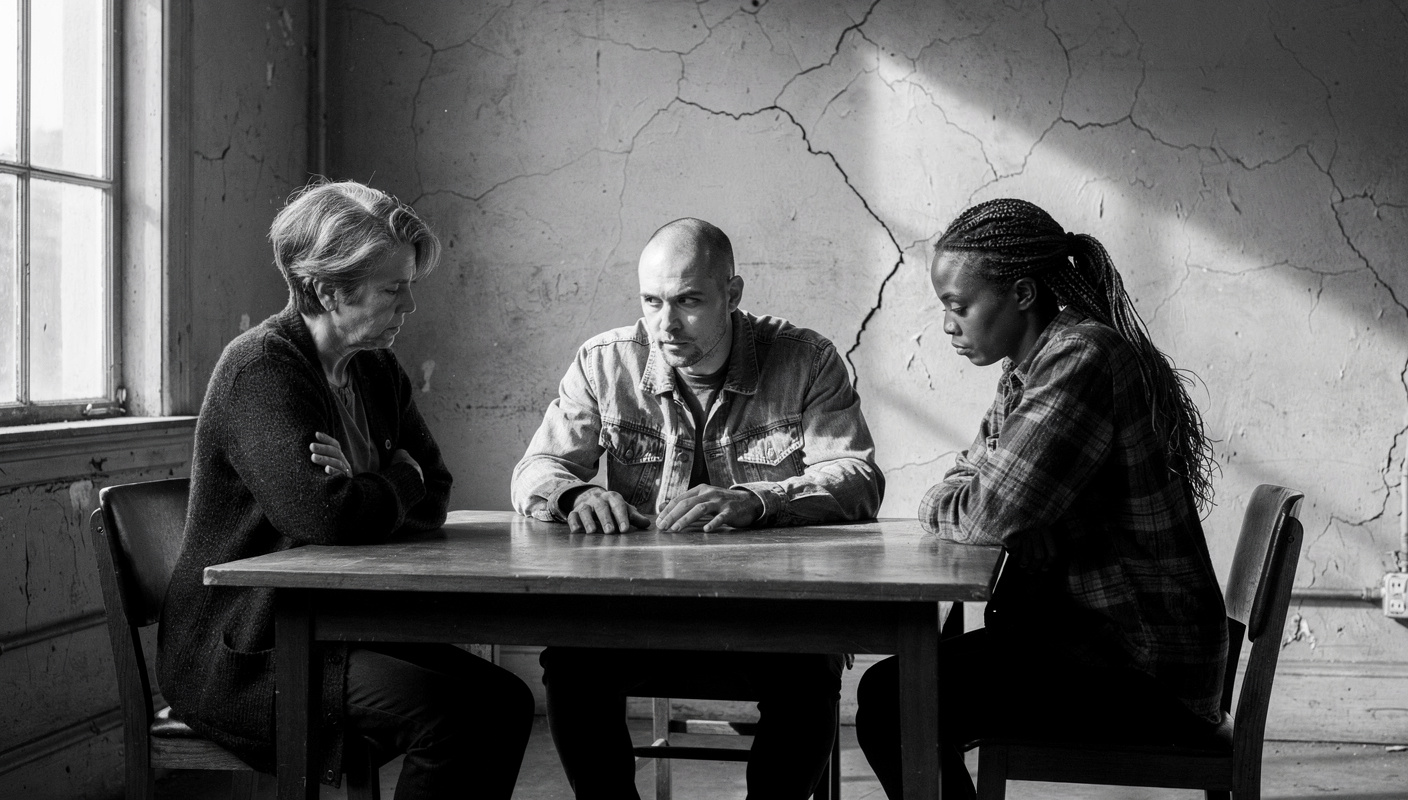
What it looks like: The team agrees quickly, meetings end early, and there is very little pushback on any decision. Leaders interpret this as evidence that the team is working well together. In reality, people have learned that disagreement is not safe, so they keep their reservations to themselves.
Why it happens: At some point, someone who pushed back was dismissed, embarrassed, or ignored. The rest of the team noted this and adjusted their behaviour accordingly. The silence that followed was not peace. It was self-protection.
Why it matters: This is the counterintuitive mistake on this list. A team that never disagrees is not a high-functioning team. It is a team that has stopped thinking honestly together. Poor decisions go unchallenged and bad ideas gain momentum because nobody feels safe to stop them.
What to do about it: Build structured challenge into your process. Try a brief "steelman the opposition" round before any significant decision, where one person is asked to argue seriously against the proposed direction. Make it a method, not a confrontation, and you give people permission to think critically without personal risk. For more on this, Why Avoiding Difficult Conversations Is the Hidden Enemy of Team Synergy gets to the heart of it.
Eamon's note: The quietest teams I have ever worked with were not the most aligned. They were the most afraid.
Mistake 4: Giving Feedback Only When Something Goes Wrong
What it looks like: Feedback is rare, delivered in bursts, and almost always triggered by a problem. Team members go weeks or months without hearing how their work lands. When feedback does arrive, it carries the weight of accumulated frustration, so it stings more than it should.
Why it happens: Most people find feedback uncomfortable to give, so they save it for moments when they can no longer avoid it. This feels efficient. It is actually corrosive. Common Communication Mistakes That Quietly Destroy Team Synergy covers the specific language patterns that make this worse.
Why it matters: Without regular, honest feedback, people cannot calibrate their effort or their approach. They work in the dark and make avoidable mistakes. The connection between performance and recognition breaks down entirely.
What to do about it: Introduce a short, consistent feedback rhythm. A five-minute weekly check-in between team members, focused on one thing working well and one thing to adjust, builds the habit without the pressure of a formal review. The goal is to make feedback feel like a normal conversation, not a verdict.
Eamon's note: Feedback withheld is not kindness. It is a debt that collects interest.
Mistake 5: Resolving Conflict at the Surface Without Addressing the Root
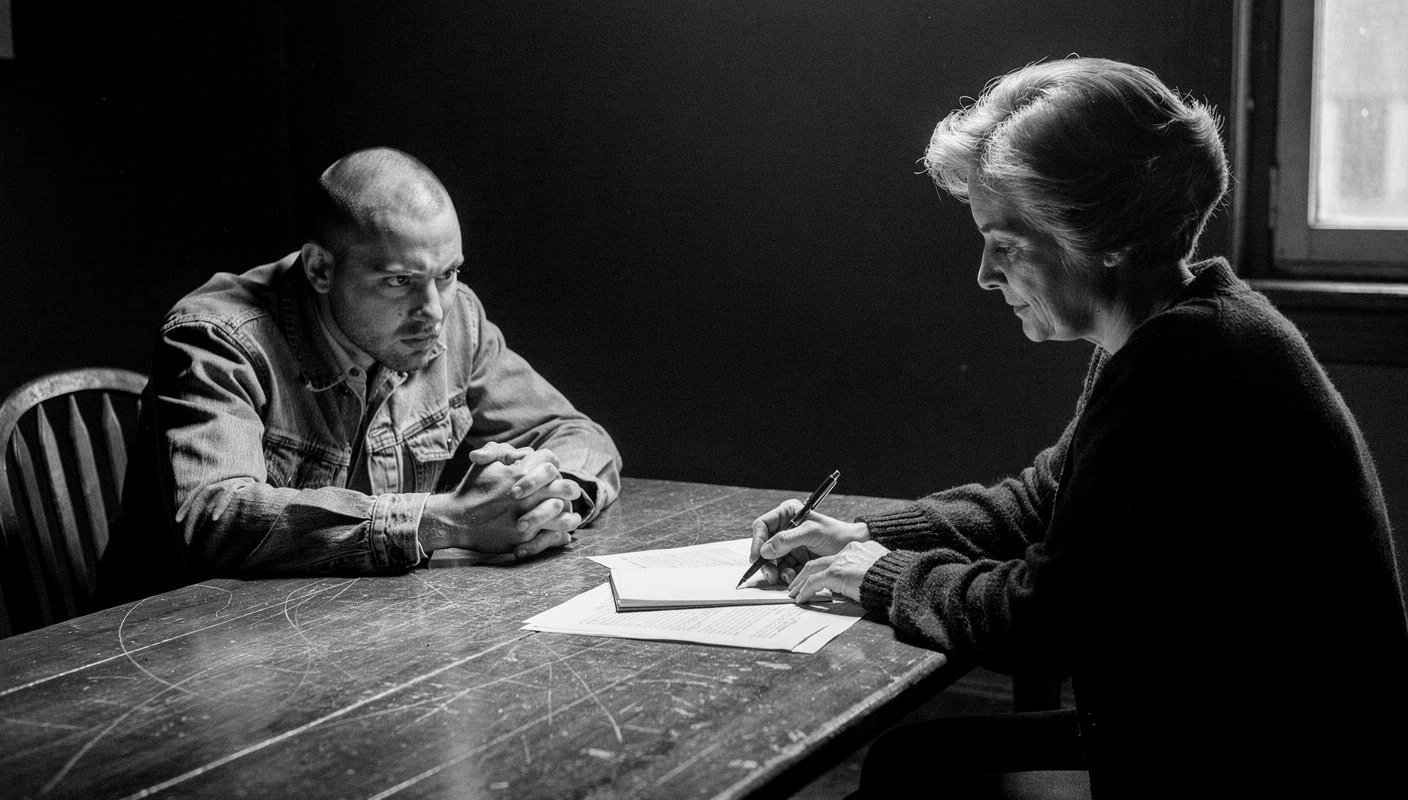
What it looks like: Two colleagues have a falling-out. A manager steps in, smooths things over, and declares the matter resolved. People return to work. Within a month, the same tension resurfaces in a different form, often more entrenched than before.
Why it happens: Surface resolution feels like progress. It stops the visible discomfort and lets everyone move forward. But when the underlying need or grievance is not named and addressed, it does not disappear. It waits.
Why it matters: Unresolved conflict poisons collaboration slowly. It creates informal alliances, withheld information, and guarded communication, all of which chip away at the collective effort that synergy requires. How Unmet Needs Drive Team Conflict and What to Say to Restore Synergy gives you a precise framework for getting beneath the surface.
What to do about it: After any significant conflict, schedule a follow-up conversation two weeks later. Ask simply: "Is this fully resolved for you, or is there something we did not get to?" This single question reopens space for honest repair without requiring a formal process.
Eamon's note: A conflict that is managed is not the same as a conflict that is healed.
Mistake 6: Neglecting the Team After Significant Change
What it looks like: A restructure happens, a key person leaves, or the team's goals shift significantly. Leadership focuses on the operational transition. The human side of the change, the disrupted trust, the new uncertainties, the altered relationships, receives no attention at all.
Why it happens: Change management focuses almost entirely on process and structure. The relational fabric of a team is harder to see and harder to measure, so it gets skipped. Leaders assume the team will adapt naturally. Sometimes they do. Often, they do not.
Why it matters: Team synergy is built on interpersonal trust and shared understanding. Both of those are disrupted by significant change. A team that is not actively supported through transition will drift, and the drift is much harder to reverse than people expect. How to Rebuild Team Synergy After Conflict or Organizational Change maps out the full repair process.
What to do about it: After any significant change, hold a structured team conversation within the first two weeks. Ask three questions: What are we uncertain about? What do we need from each other right now? What should we stop, start, or keep doing? These questions make the invisible visible before it becomes damaging. If a conversation has already gone badly wrong during this period, How to Recover Team Synergy After a Conversation Goes Catastrophically Wrong gives you a clear path back.
Eamon's note: Transitions do not break teams. Silence during transitions does.
The Pattern Behind These Workplace Synergy Mistakes
These mistakes rarely appear in isolation. When you find one, look for the others. They tend to travel together, and they share a common root.
The single most consistent cause I have seen across decades is this: teams confuse comfort with health. Avoiding a hard conversation feels respectful. Letting one person lead feels efficient. Nodding in agreement feels kind. Every one of these choices prioritises short-term ease over long-term collective strength. The team remains comfortable. The synergy slowly starves.
There is a second pattern worth naming. Many of these mistakes stem from the absence of clear structure, not the absence of good intentions. Most people on most teams genuinely want to collaborate well. But wanting is not enough without a system that makes honest communication the default rather than the exception.
A third pattern is the creeping normalisation of low standards. When feedback stops, it stops feeling expected. When conflict goes unresolved, avoidance becomes the culture. When one voice dominates, silence becomes the norm. Each lowered standard makes the next one easier to accept. Reversing this requires naming the standard explicitly and holding to it with consistent practice.
Fix the root and most of the symptoms resolve.
Your Diagnostic Checklist
Use this checklist to assess where you or your team currently stand.
- One or two people do most of the talking in group conversations, while others stay quiet.
- Tasks are regularly assigned to "the team" without a specific named owner.
- Meetings end with general agreement but without a written record of who owns what.
- Your team rarely pushes back on decisions, even complex or risky ones.
- Feedback is delivered mainly when something has already gone wrong.
- After conflicts are resolved, the same tensions resurface within weeks.
- Team members have informal alliances that affect how information is shared.
- A significant change occurred in the last six months with no structured team conversation to address it.
- People agree in meetings but express reservations privately afterward.
- There is no regular rhythm for honest, two-way feedback between team members.
Scoring guide: If you checked three or fewer, your team's foundation is reasonably sound. Focus on the items you did check and address them one at a time. If you checked four to six, the risk is real and growing; prioritise the highest-impact items first and move quickly. If you checked seven or more, this needs immediate and direct attention before the damage becomes harder to reverse.
How to Start Fixing Workplace Synergy Mistakes
Diagnosis without action is just worry. Here are four specific things you can do this week.
Name one mistake openly. Choose the mistake from this list that most closely matches what you see, and name it in your next team meeting without blame or dramatic language. Simply say: "I think we have fallen into a pattern of [specific behaviour], and I want us to change it." Naming the problem specifically is the single most powerful first move.
Create a decision record habit. At the end of every meeting this week, spend three minutes writing down what was decided and who owns each item. This is not bureaucracy. It is the minimum structure required for shared accountability to exist.
Ask for one honest disagreement. Before your next significant team decision, invite someone to argue seriously against the direction being proposed. Choose someone thoughtful, frame it as a method rather than a challenge, and listen without defending. This builds the muscle of honest collective thinking.
Schedule a follow-up on the last conflict. If your team has had a significant falling-out in the past three months, reach out to the people involved and ask simply whether it feels genuinely resolved. Make the conversation brief and curious, not formal. What you learn will tell you whether the repair was real or only surface-deep.
For the full process of rebuilding after these patterns have taken hold, How to Rebuild Team Synergy After Conflict or Organizational Change gives you a structured path forward.
Summary
You can now see what most people miss: the mistakes that damage team synergy are not dramatic. They are quiet, repeated, and often disguised as reasonable behaviour.
- Dominant voices silence collective intelligence without anyone intending harm.
- Vague ownership masquerades as trust while accountability disappears.
- Surface-level harmony is not the same as genuine alignment.
- Feedback withheld is not kindness; it is a slow withdrawal of connection.
- Unresolved conflict does not dissolve; it relocates and deepens.
- Transitions without intentional support leave teams to drift in silence.
The good news is that none of these mistakes are permanent. Each one has a specific correction, and each correction is within reach. Building strong workplace synergy is not a gift some teams have and others lack. It is a practice, made up of small deliberate choices, made consistently over time.
Start with one mistake. Name it. Correct it. Then move to the next.
Frequently Asked Questions (FAQ)
What are the most common workplace synergy mistakes teams make?
The most common workplace synergy mistakes include avoiding difficult conversations, leaving roles undefined, and withholding honest feedback. These errors compound quietly over time, and most teams do not recognize them until productivity and trust have already taken serious damage.
How do workplace synergy mistakes affect team performance?
Workplace synergy mistakes erode trust, slow decision-making, and reduce collective output. When team members stop communicating honestly or working toward shared goals, the group loses its cohesive power. Individual effort remains, but the amplifying effect of true collaboration disappears entirely.
Can a team recover from workplace synergy mistakes?
Yes, but recovery requires naming the mistakes clearly and addressing root causes rather than symptoms. Teams that recover quickly are those where at least one person has the courage to name what is going wrong. Repair is possible at almost any stage if the will is there.
How do you spot workplace synergy mistakes before they cause serious damage?
Watch for repeated misunderstandings, low participation in meetings, and decisions that nobody fully owns. These early signals indicate that collaboration is breaking down beneath the surface. Catching workplace synergy mistakes early gives you far more options for repair than waiting until resentment sets in.
Why do smart teams make workplace synergy mistakes?
Smart teams make these mistakes because the errors rarely look like mistakes in the moment. Avoiding a hard conversation feels diplomatic. Letting a strong performer dominate feels efficient. The damage is only visible in hindsight, which is why knowing the patterns in advance matters so much.
What is the fastest way to fix workplace synergy mistakes?
Name the specific mistake openly, without blame, and propose one concrete change. Broad conversations about team culture rarely produce results. Targeting one precise behavior, agreeing on a different approach, and following through within a week creates momentum that broader interventions rarely match.