
In Short
Your body communicates threat or safety in a conflict faster than any word you choose, and the other person's nervous system responds to that signal before reason gets a chance.
- Open posture and controlled breath lower perceived threat and create space for resolution.
- Closed, forward, or rigid body language triggers defensive responses even when your words are calm.
- Reading and adjusting your own physical state is the first act of skilled conflict resolution.
Physical expression conflict describes the way a person's posture, gestures, eye contact, and proximity either escalate or de-escalate tension during a disagreement. The body sends signals of threat or safety that the nervous system registers faster than spoken language.
Why Body Language Shapes Conflict Before Words Do
I have watched people destroy a carefully prepared conversation in under three seconds. Not with what they said. With how they stood when they said it.
Most people understand, at least in theory, that body language matters in communication. They know crossed arms can seem defensive, that eye contact builds trust, that slouching looks disinterested. This surface awareness is useful as far as it goes. But it stops short of the real question: why does physical expression carry such disproportionate power during conflict specifically?
The surface understanding treats body language as a kind of accessory to speech. Adjust your posture to match your words. Nod while you listen. Soften your face when you deliver hard news. This is true, and it is worth doing. But it misses the mechanism underneath.
The deeper truth is that physical expression in conflict operates through a completely different channel than language. Words go through comprehension. Posture, gesture, and proximity go straight through the threat-detection system. In a calm conversation, both channels carry roughly equal weight. In conflict, the body's signal drowns out the verbal one almost entirely.
Understanding the root changes how you respond to the surface. You stop asking "what should I say?" first, and start asking "what is my body already saying?"
"The Conversation You're Avoiding Is the One You Need to Have."
"The Conversation You're Avoiding
Is the One You Need to Have."
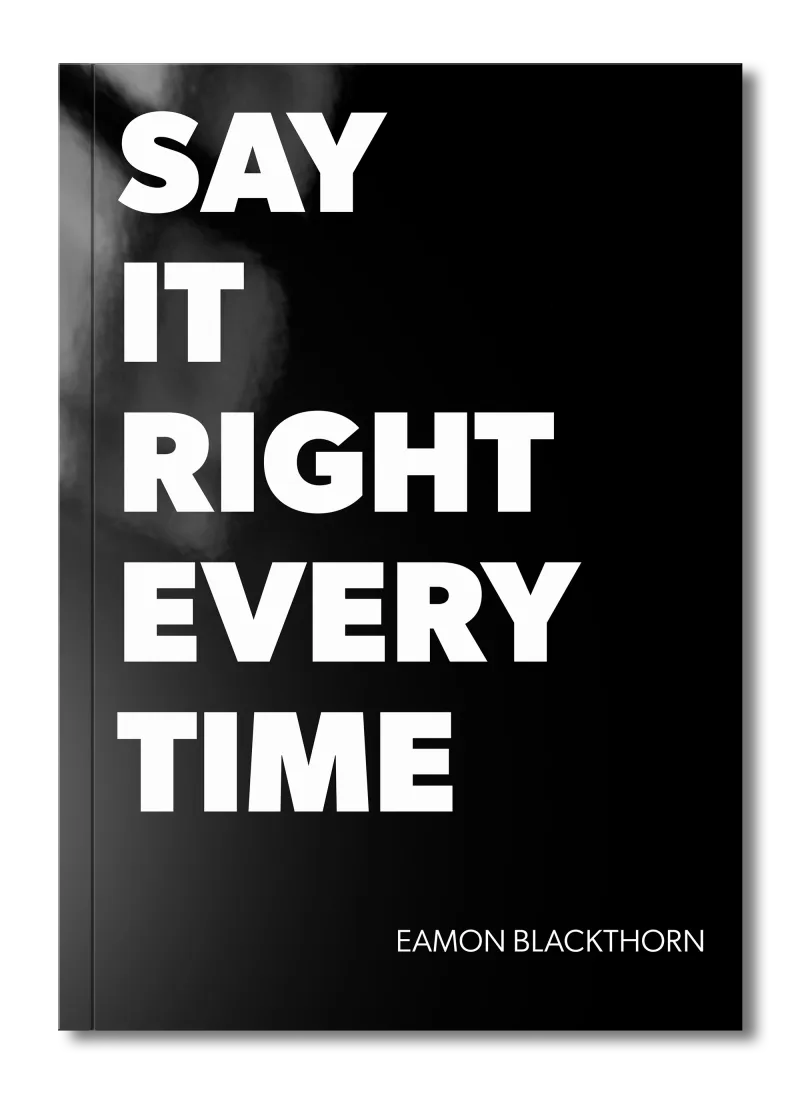
Stop rehearsing conversations you'll never have. Say It Right Every Time gives you 115 word-for-word scripts and 16 proven frameworks to speak with confidence in every conversation that matters.
Physical Expression Conflict: The Core Mechanism Explained
Here is the truth of it: human beings are wired to scan for threat before they scan for meaning. In a heated exchange, the other person's nervous system reads your body before their brain processes your words. This is not a flaw in how people communicate. It is a survival mechanism that predates language by millions of years.
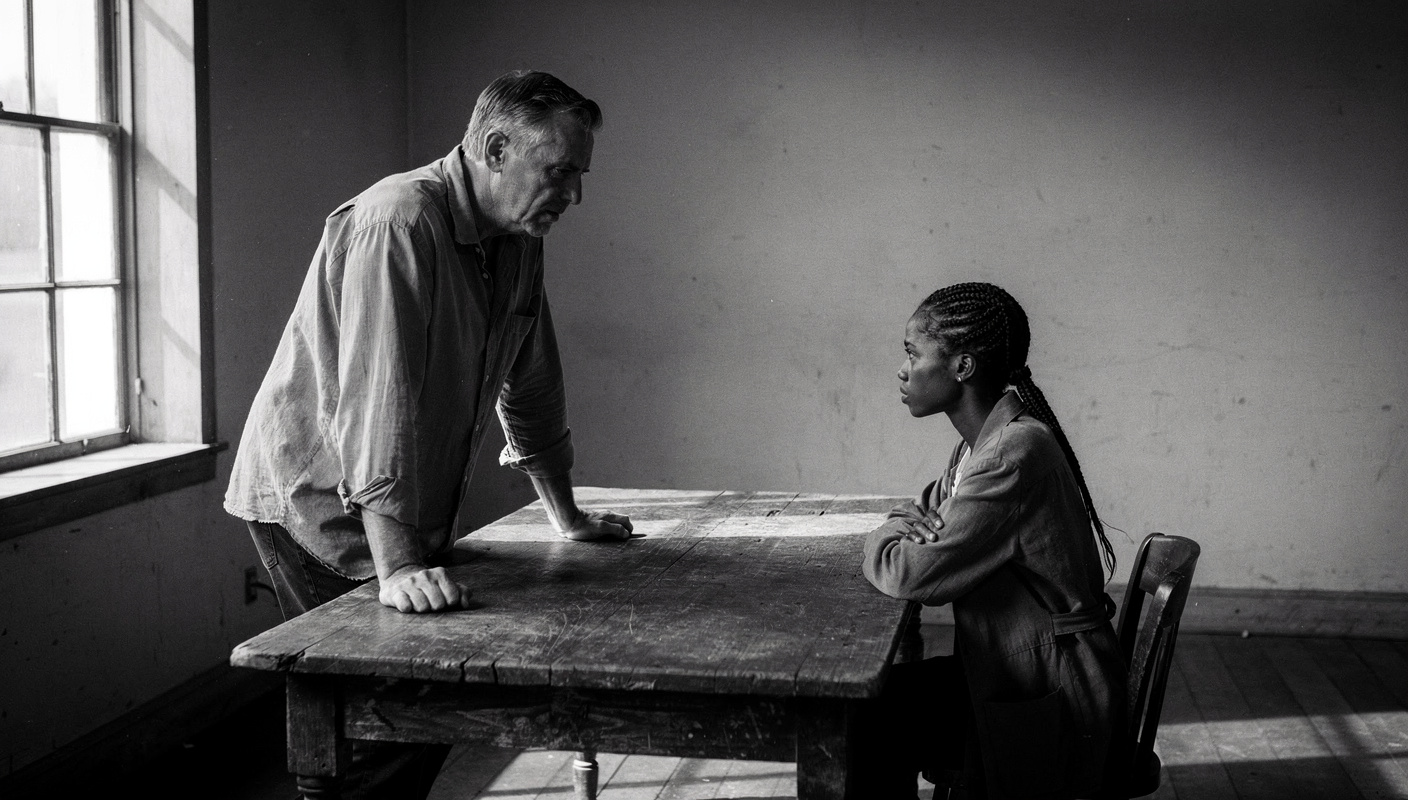
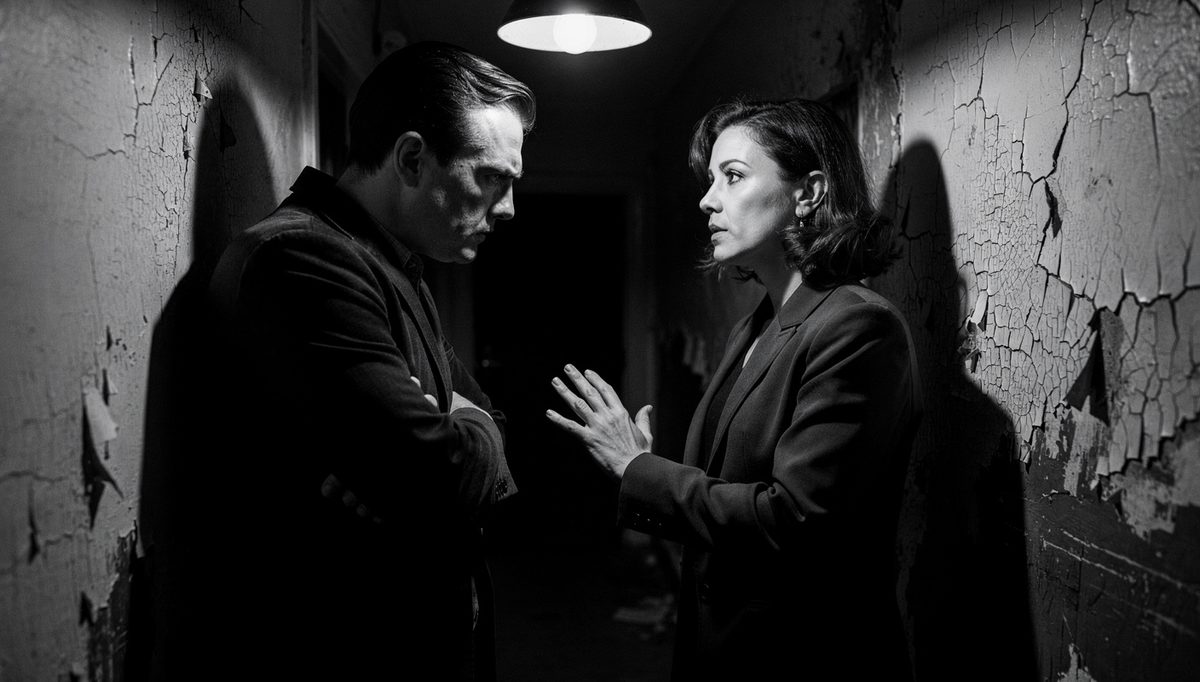
When you step forward during a tense moment, your jaw tight and your shoulders squared, the person across from you does not consciously think "this person seems aggressive." Their body simply responds: breath shortens, muscles tighten, the brain narrows its focus to threat management. This is why people who are genuinely trying to resolve a conflict can make it worse without understanding how. The words are right. The body is wrong.
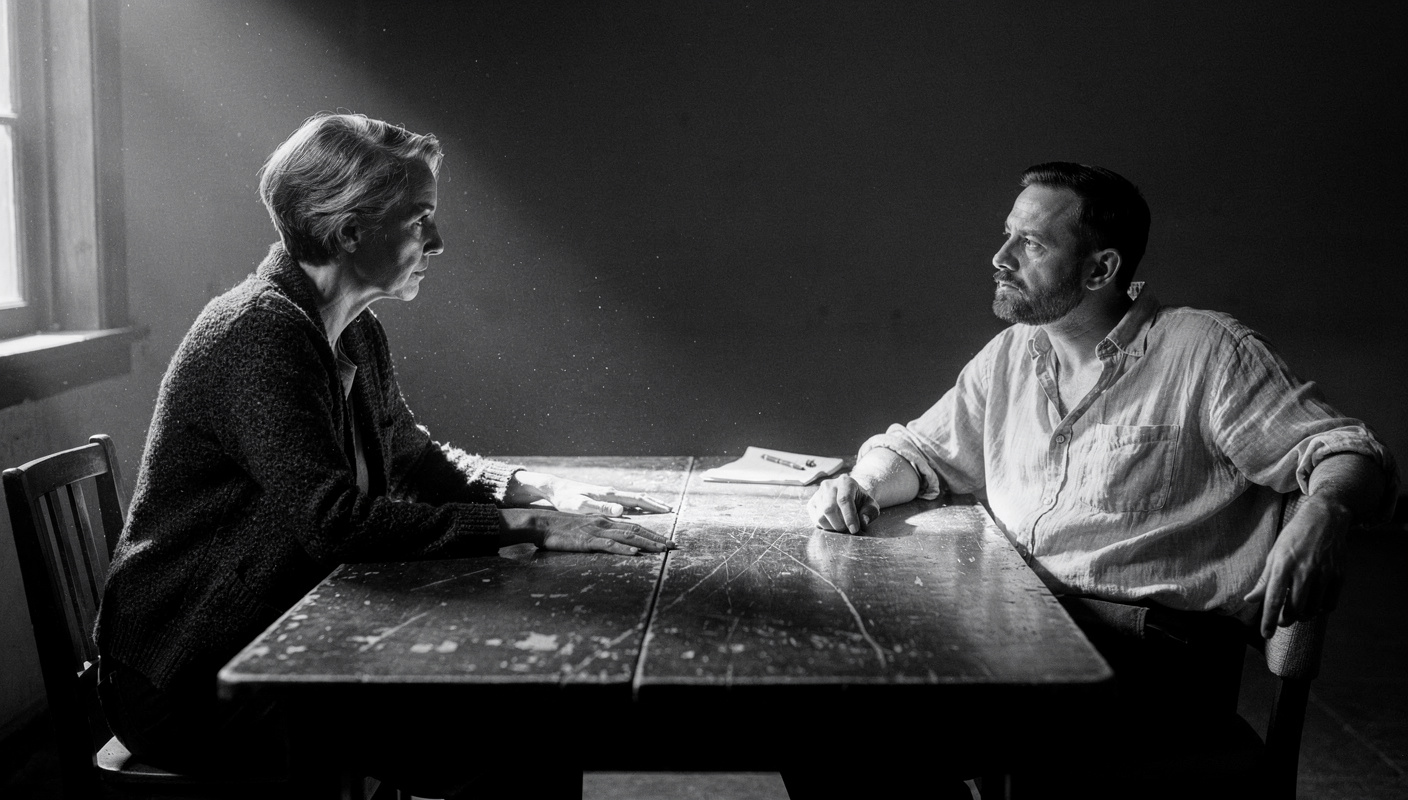
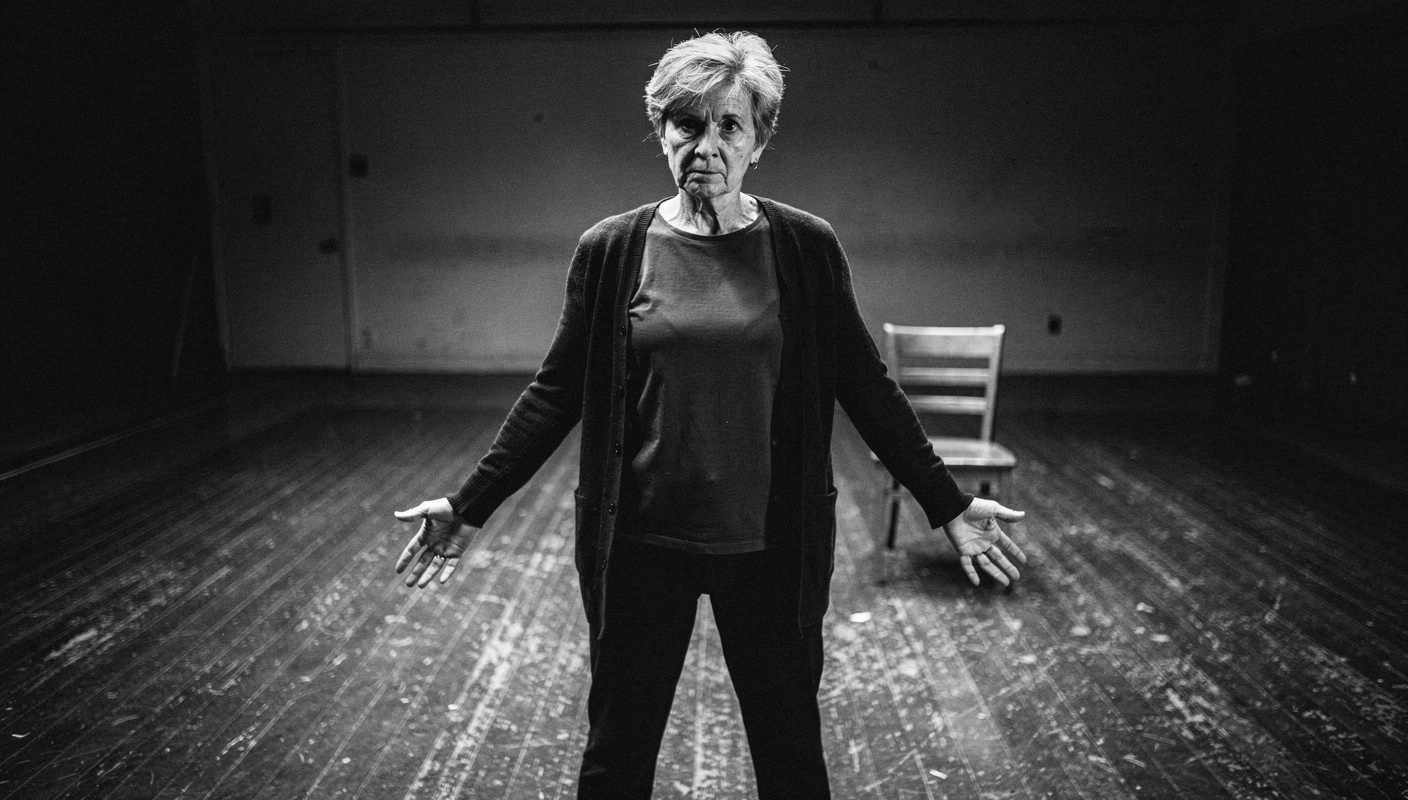
Open body language, which means a relaxed posture, a slight backward lean, visible and unhurried breath, and hands held loosely at your sides, sends the opposite signal. It tells the other person's nervous system that the environment is safe enough to think, to reason, and to hear. Which means that in practice, your posture sets the conditions for resolution before you have said a single word.
Eye contact is more complex than most people realise. Steady, soft eye contact communicates respect and attention. A hard, fixed stare communicates challenge or dominance. The difference is subtle but the effect is not. A stare narrows. Soft attention opens. This is why you see people in difficult conversations look away and then return their gaze; they are instinctively managing the intensity of the signal they are sending.
Proximity operates on the same principle. Moving toward someone during a conflict increases the physical sense of threat, even when the intention is to connect. Moving back, even half a step, reduces perceived dominance immediately. It is one of the fastest de-escalation tools available. That is why trained negotiators often speak of creating physical space as an act of communication, not retreat.
Mirroring is the fourth mechanism. When you subtly match the other person's posture and rhythm, their nervous system reads you as aligned rather than opposed. This is not manipulation; it is the body's natural language of rapport. Done consciously and with genuine intent, it creates a physical sense of being on the same side even when the conversation is difficult.
The mechanism, taken together, is this: physical expression in conflict either amplifies threat or communicates safety, and the signal travels faster and deeper than words. Master the signal, and you fundamentally change what resolution becomes possible.
What Physical Expression in Conflict Looks Like in Real Situations
Here is where this mechanism becomes visible in everyday communication.
A team leader I knew called a one-on-one to address a colleague's late deliverables. She had prepared her words carefully: measured, clear, and direct. But she delivered them standing, leaning slightly over the desk, arms crossed at the forearm. The colleague went quiet almost immediately, gave short answers, and left looking cornered. The conversation produced no resolution. The words were reasonable. The body announced a verdict before the conversation began. When she repeated the conversation two days later, sitting down and turned slightly open toward the colleague, the same words landed entirely differently. The colleague spoke more, offered context, and they agreed on a clear path forward. Nothing changed but her physical expression.
In a heated project dispute between two peers, one person began pointing, index finger extended, each time she made her argument. She was not aware she was doing it. The other person's responses grew shorter and more clipped with each point made. What began as a disagreement about process became a standoff about respect, driven entirely by a gesture the first person had no idea she was using. When a third party asked her to sit down and rest her hands on the table, the pointing stopped. The conversation shifted within minutes. The gesture was the conflict. The words were secondary.
A manager walked into a staff grievance meeting already behind schedule. His posture said it: shoulders up, jaw tight, one foot turned toward the door. Before he spoke a word, three people in the room had already decided he did not care. He said all the right things and none of them landed. The body had told the real story, and everyone in the room had read it.
In each of these situations, the surface behavior was different. The root mechanism was the same.
Why Most People Miss the Physical Signals in Conflict
If this insight is this important, why do so few people see it clearly?
We focus on what we are going to say, not how we are holding ourselves. In any difficult conversation, most of your mental energy goes toward words: what to say, how to phrase it, what to do if it goes wrong. The body is left to its own devices, and under stress, those devices default to defensive postures that signal threat. You can learn to handle conflict during meetings far more effectively once you shift even a fraction of that attention to your physical state before you speak.
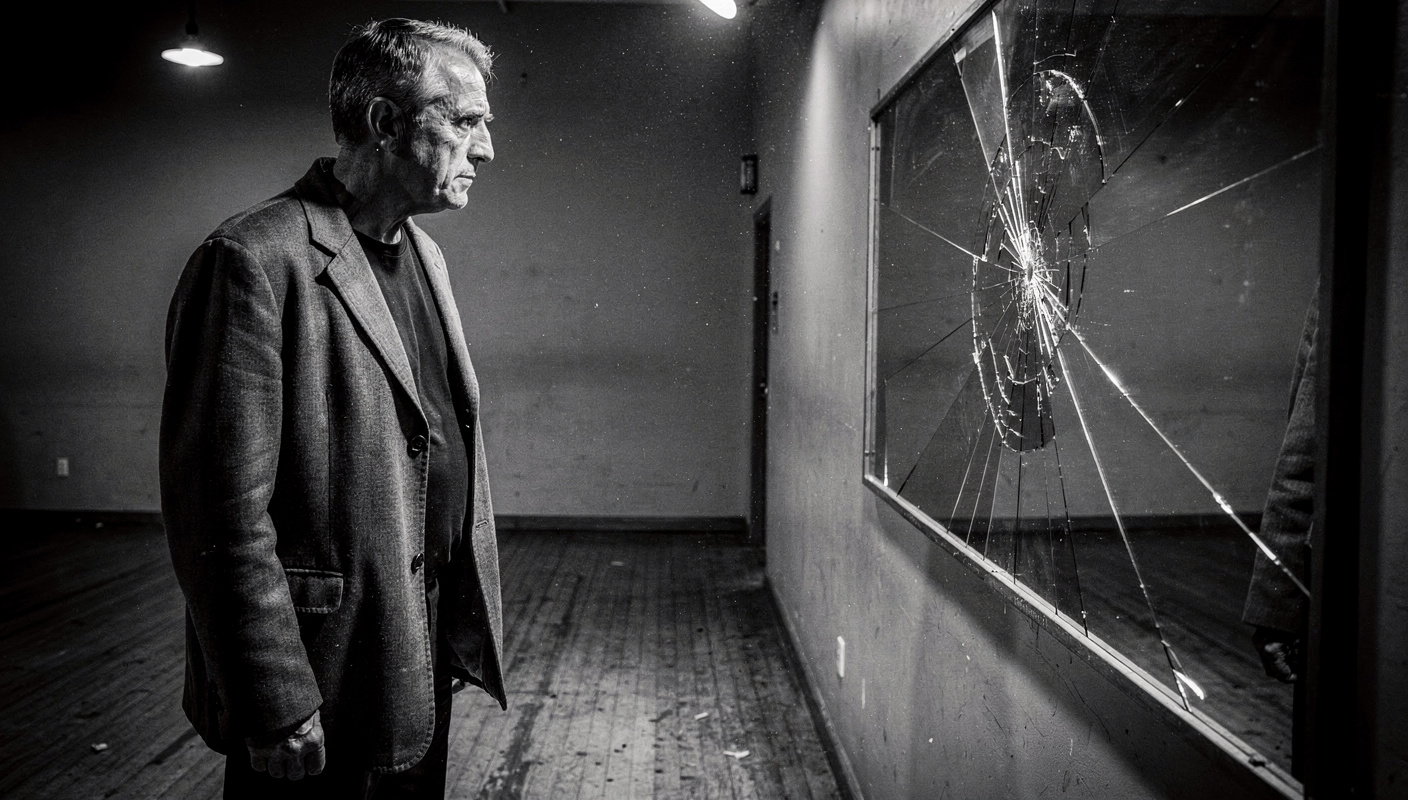
Stress bypasses self-awareness automatically. When you are in a genuine conflict, your own nervous system is activated. Your body tightens, your breath shortens, your posture closes. This happens before conscious thought. If you have not practiced noticing these shifts in low-stakes moments, you will not notice them in high-stakes ones. Most people only discover what their body was doing after the conversation has already gone wrong. This is closely connected to what happens during an amygdala hijack in high-pressure moments, where the thinking brain is temporarily outpaced by the threat-response system.
We judge other people's body language far more readily than our own. People are quick to notice when someone else crosses their arms, looks away, or points a finger. They rarely observe the same signals in themselves. This asymmetry keeps people focused outward, managing the other person's physical signals, while their own posture quietly escalates the very tension they are trying to resolve.
Body language training focuses on reading, not regulating. Most instruction on nonverbal communication teaches you to interpret what you see in others. Almost none of it teaches you to manage what your own body is doing in real time, particularly under stress. Reading is useful. Regulation is the skill that changes outcomes.
Awareness is the beginning. But awareness without application changes nothing.
What Physical Expression Awareness Means for How You Communicate
Understanding this changes what you do in three specific ways.
Prepare your body, not just your words. Before any difficult conversation, take sixty seconds to check your physical state. Are your shoulders up? Is your jaw tight? Is your breath shallow? Adjust these before you walk in. Psychological safety in teams begins with the physical environment one person creates for another. Your posture is the first signal of that safety or the absence of it.
Use position and space as a tool. Sitting side by side, or at an angle, removes the confrontational dynamic that face-to-face standing creates. If you are already in a heated exchange, step back slightly, sit down, or turn your body to a less directly opposed angle. These are not retreats. They are physical statements that the conversation is still open. For team-level tension, the principles behind de-escalating team conflict depend heavily on this kind of spatial and postural management.
Regulate your breath to regulate the room. A slow, visible exhale before you respond is one of the most underestimated tools in conflict resolution. It slows your own physiological arousal, and it signals to the other person that you are not in threat mode. People match the energy in the room without realising it. If your breath is controlled, theirs is more likely to follow. This physical regulation is also foundational to emotional intelligence in feedback conversations, where your physical state shapes how the other person receives even a carefully worded message.
Watch your gestures under pressure. Pointing, jabbing, standing over someone, or turning away while speaking are all gestures that send threat signals regardless of your words. Practice keeping your hands relaxed and visible. Use an open palm rather than an extended finger when emphasising a point. These specific gestures apply directly in high-stakes situations, including advanced feedback conversations where physical signals can undermine even the most carefully crafted message.
These are not new behaviors. They are the same behaviors, grounded in a deeper understanding of why they work.
Key Insights and Next Steps
Your body is always communicating in conflict, and the question is whether that communication is working for you or against you.
- Physical expression in conflict reaches the other person's nervous system before your words reach their reasoning mind.
- Open posture, controlled breath, and non-threatening proximity are not soft skills; they are precision tools that determine whether resolution becomes possible.
- You cannot regulate another person's physical response to conflict directly, but you can change your own physical signals and alter the conditions of the entire conversation.
- Most people have never been taught to observe their own body during conflict, which means their physical expression defaults to whatever stress produces.
- The fastest intervention in any escalating exchange is often a physical one: a step back, a breath released, a hand placed open and still.
- Practicing these adjustments in low-stakes conversations builds the muscle memory to access them when the pressure is real.
If you want to understand how signs of amygdala hijack show up in team dynamics, that context will deepen your understanding of why physical signals carry such weight in conflict. The body's threat response and physical expression are not separate problems. They are the same problem seen from different angles.
Physical expression conflict is not a niche skill. It is the foundation beneath every conversation where the stakes are high and the emotions are real. Master your body in those moments, and you give your words a genuine chance to land.
Frequently Asked Questions (FAQ)
What is physical expression conflict and why does it matter?
Physical expression conflict refers to the role your body language plays in escalating or resolving tension during disagreements. Your posture, gestures, and facial expressions communicate threat or safety faster than words. Getting this wrong can undo every careful thing you say.
How does body language escalate conflict?
Body language escalates conflict when it signals threat or dominance to another person's nervous system. Crossed arms, a forward lean, rigid posture, or a hard stare can all trigger a defensive response, even when your words are calm. The body speaks before the mind has a chance to reason.
What body language de-escalates tension in a conflict?
Open posture, a slight backward lean, relaxed shoulders, and steady but soft eye contact all signal safety rather than threat. Slowing your breath visibly also lowers the physical temperature of an interaction. These signals tell the other person's nervous system that they are not in danger.
Can physical expression in conflict resolution be learned and practiced?
Yes. Physical expression in conflict resolution is a skill, not a personality trait. You can practice specific postures, gestures, and breathing patterns in low-stakes situations until they become reliable under pressure. Most people improve significantly within weeks of deliberate, consistent practice.
Why do people use aggressive body language without realising it?
Stress causes the body to shift into a threat posture automatically. You may think you are staying calm while your jaw tightens, your shoulders rise, and you lean forward without realising it. Most people have never been taught to observe their own physical state during conflict.
How does proximity affect conflict escalation?
Standing too close to someone during a heated exchange sends a dominance signal their body reads before their mind does. Moving even half a step back reduces perceived threat significantly. Physical distance is one of the fastest tools available for de-escalating a conversation that is beginning to heat up.