
In Short
Physical expression examples across business, leadership, and everyday life show that what your body communicates often matters more than the words you choose.
- Stillness and open posture consistently signal authority and trust before a word is spoken.
- Closed or inconsistent body language undermines credibility, even when the words are right.
- Small, deliberate physical shifts change how others respond in real and measurable ways.
Physical expression refers to the nonverbal signals your body sends through posture, gesture, movement, facial expression, and proximity. These cues shape how others perceive your confidence, intent, and emotional state, often more powerfully than spoken language.
Introduction
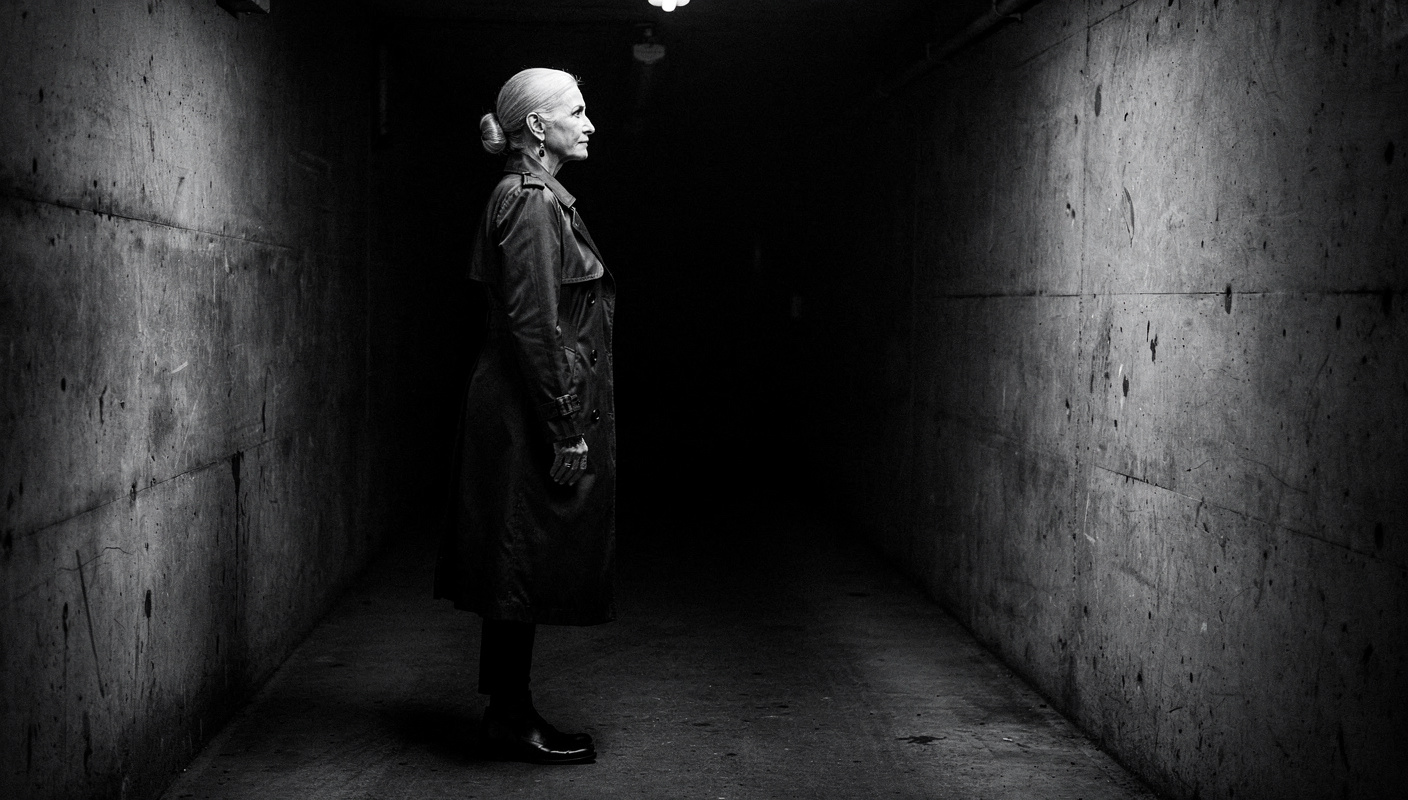
I watched a senior manager lose a promotion she deserved, not because of anything she said, but because of what her body said while she was saying it. She had the answers. She had the record. She walked in hunched, arms folded, eyes dropping to the table every time a hard question landed. The panel read retreat. They offered the role to someone with half her experience who stood straight and held their gaze.
Physical expression examples like that one teach you something no definition can. They show the gap between knowing a concept and recognising it in a room. A definition tells you that nonverbal cues matter. A real scenario shows you exactly what it costs when they go wrong, and what it earns when they go right.
Understanding body language in the abstract is useful. Seeing it at work, with real tension and real consequences, is what makes it stick. What follows are five examples that show exactly what physical expression looks like when it works, and when it does not. If you want the full framework for building these habits deliberately, the how-to article on physical expression is a natural companion to what you will find here.
"The Conversation You're Avoiding Is the One You Need to Have."
"The Conversation You're Avoiding
Is the One You Need to Have."
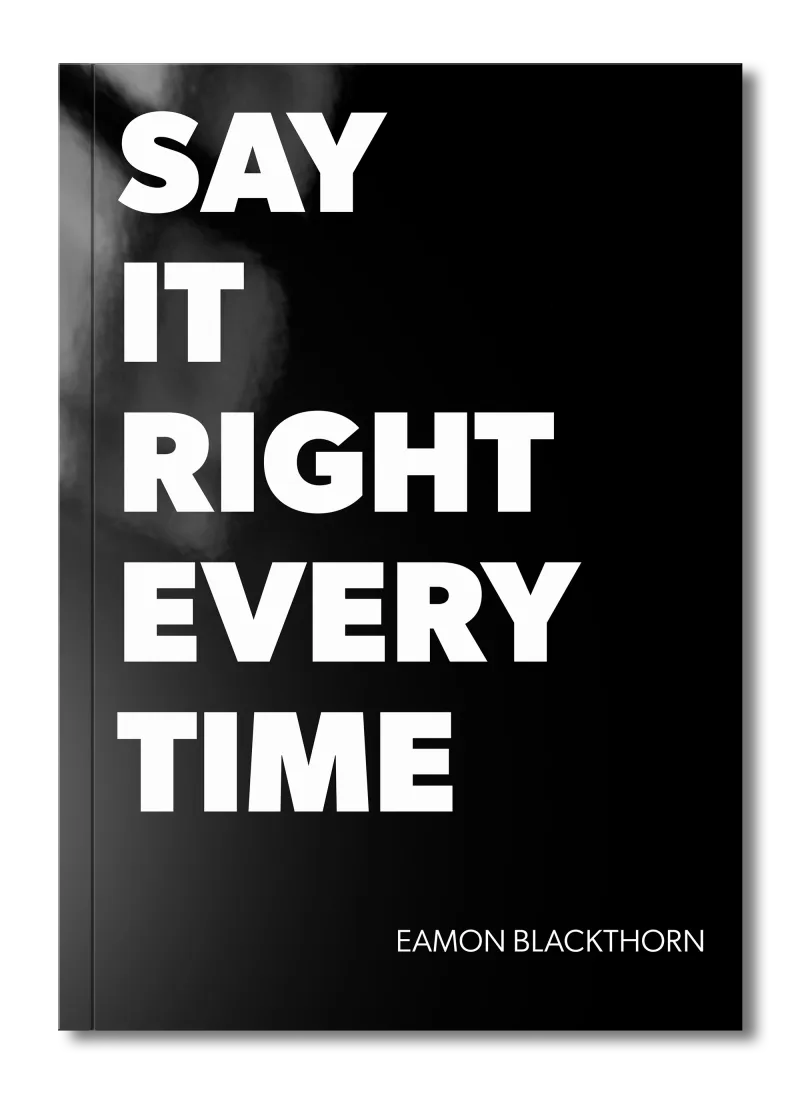
Stop rehearsing conversations you'll never have. Say It Right Every Time gives you 115 word-for-word scripts and 16 proven frameworks to speak with confidence in every conversation that matters.
What to Look for in These Physical Expression Scenarios
Before we go into the examples, here is what to watch for. These are the signals that tell you whether physical expression is helping or hurting.
- Posture and the direction of the torso. An open torso, turned toward the person you are speaking with, signals engagement and respect. A turned or hunched torso tells the other person you are somewhere else, even if your words say you are present.
- The quality of stillness. Confident communicators are still in a particular way. Not rigid, but settled. Fidgeting, shifting weight, or filling space with unnecessary movement leaks nervous energy and reads as uncertainty.
- Eye contact and where the gaze goes under pressure. Steady eye contact holds connection. Eyes that drop to the floor or scan the room at the moment of tension signal discomfort, and people notice immediately.
- Whether the body matches the words. Congruence is everything. When someone says they are confident but their shoulders are raised and their jaw is tight, the body wins. Inconsistency between verbal and physical signals destroys credibility fast.
- Proximity and how space is used. Leaning in shows engagement. Pulling back creates distance. How you use the physical space between yourself and another person communicates as much as any sentence you speak.
Keep these in mind as you read each example.
Example 1: The Negotiation That Was Lost Before It Started
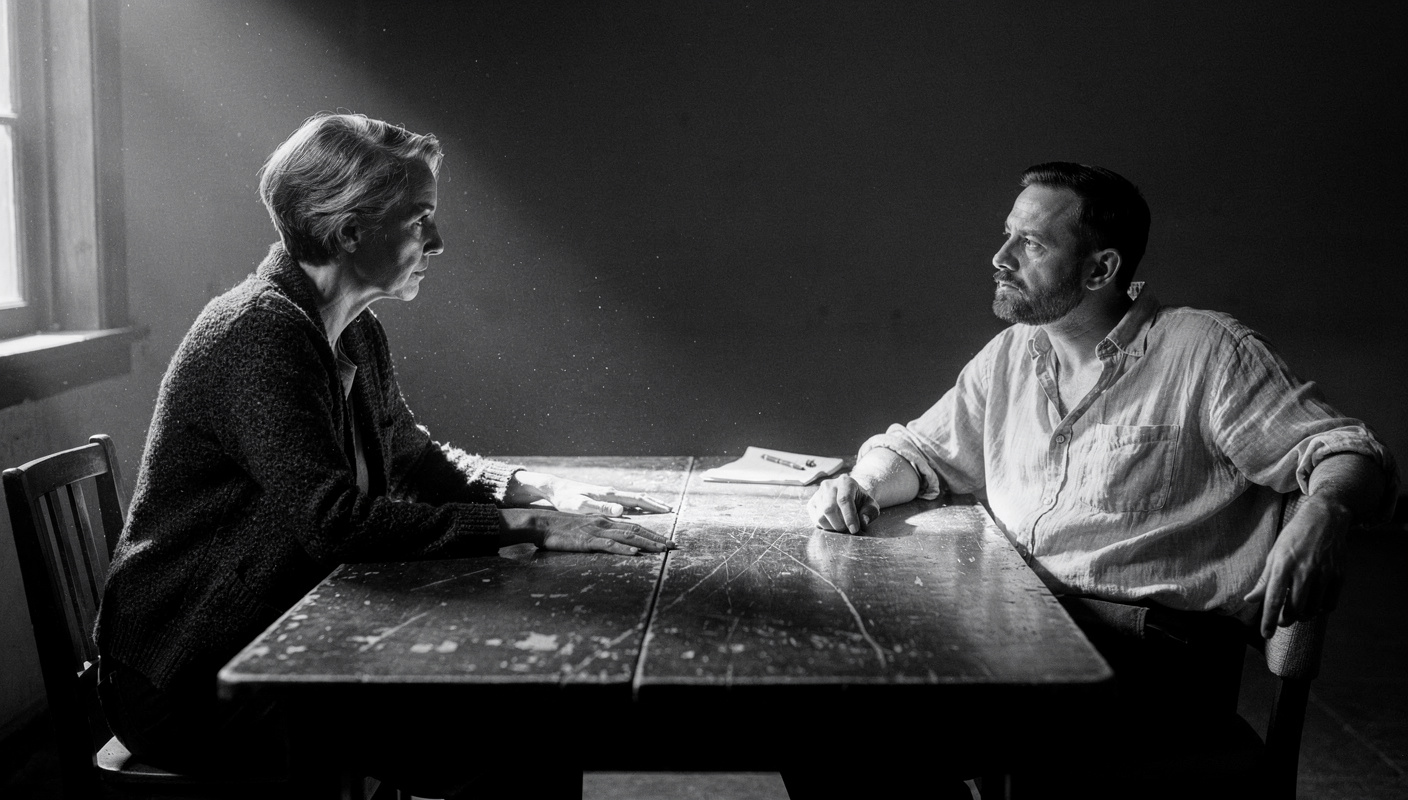
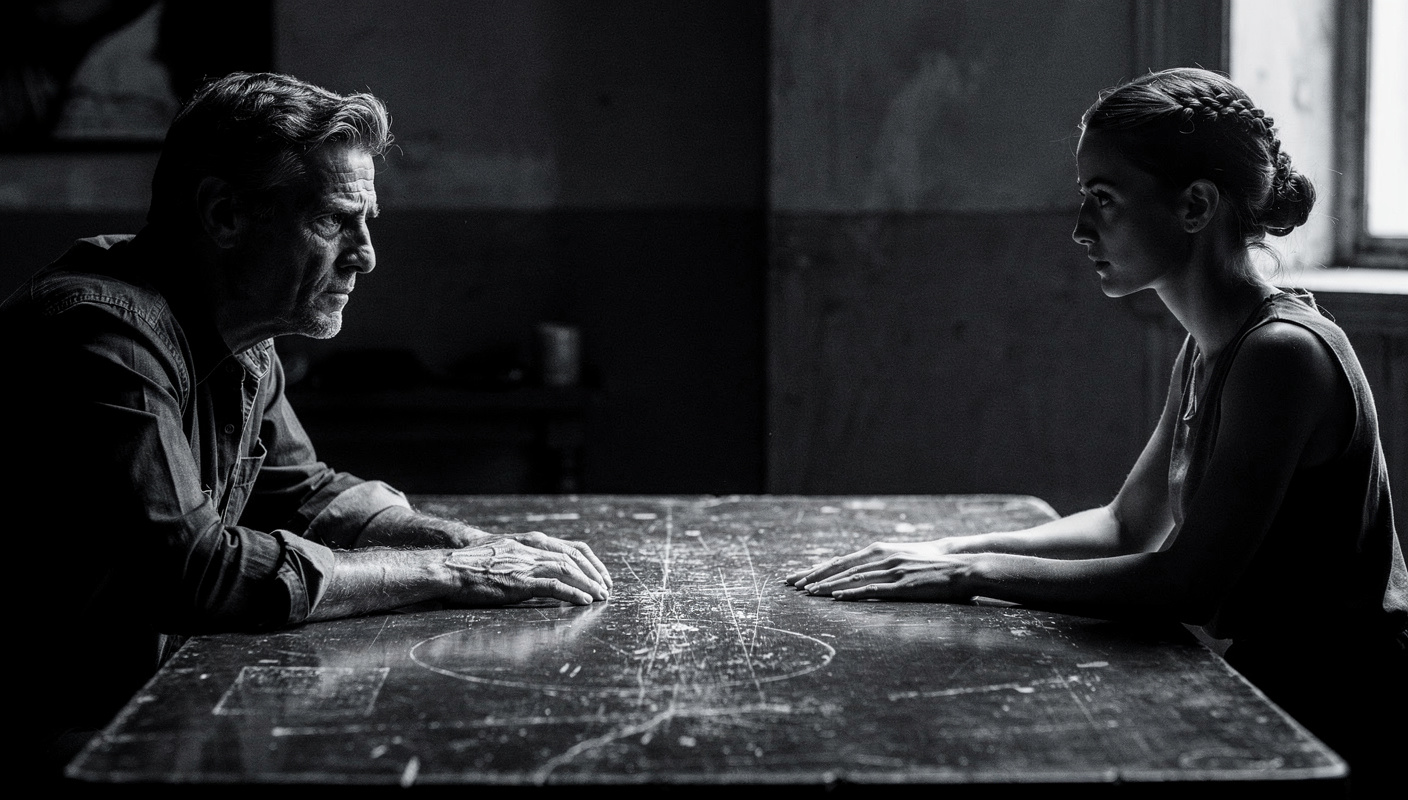
A sales director at a mid-size firm was preparing to renegotiate a major supplier contract. The numbers were in his favour. His argument was solid, and his team had prepared a clear case. He walked into the meeting room first, chose a seat in the middle of one side of the table, and immediately opened his laptop.
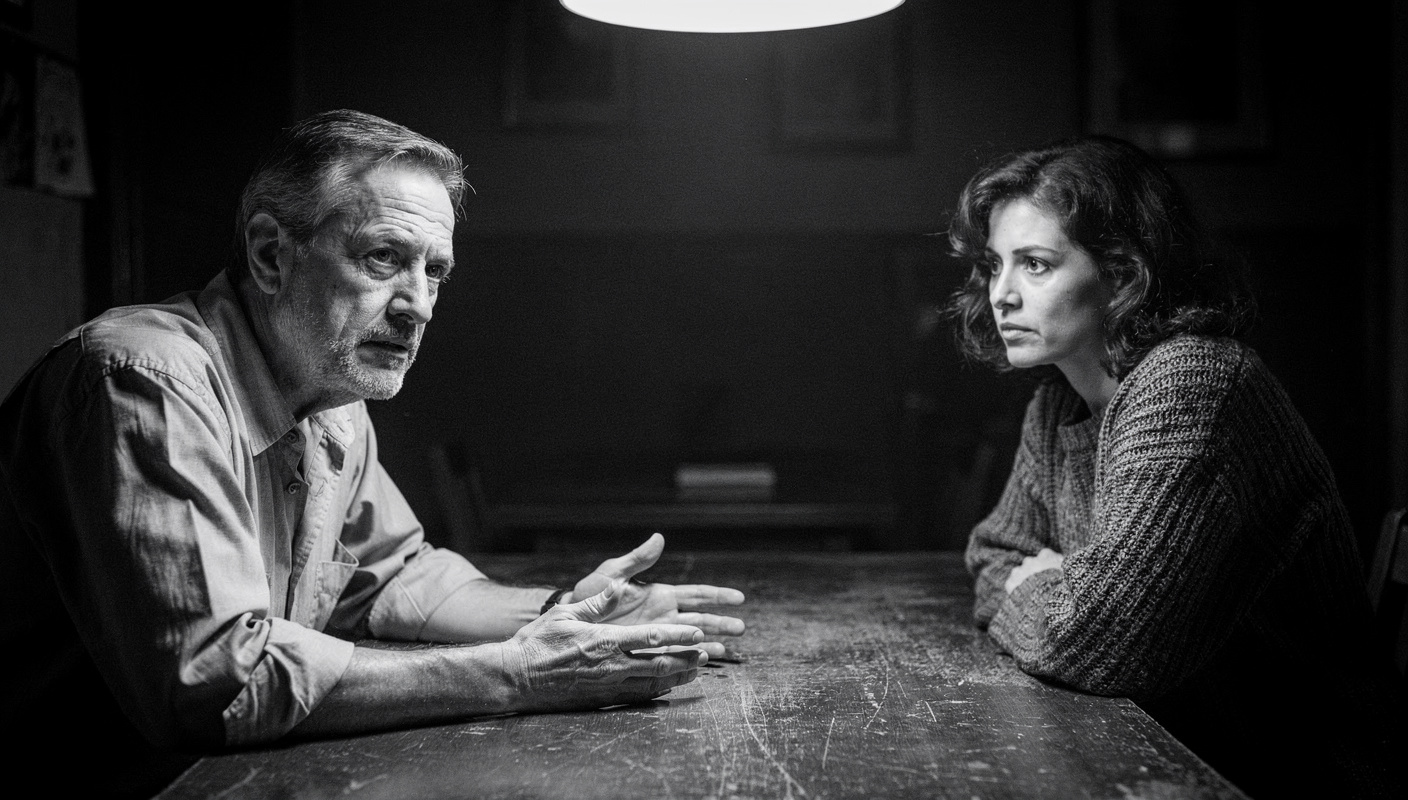
When the supplier's representative arrived, the director did not stand. He looked up briefly, gave a small wave, and went back to his screen. When the meeting began, he leaned back in his chair, arms loosely crossed, occasionally glancing at notes. When a difficult clause came up, he looked down, shuffled papers, and spoke to the table rather than to the person across from it.
The supplier held the original terms. Afterward, a colleague who had observed the meeting said the supplier's representative had looked relaxed the entire time. The director had communicated, through every physical cue available, that he was uncertain and hoping not to fight.
Here is the truth of it: the body signals intention long before the words do. A negotiation is read in the first thirty seconds, not the first thirty minutes. Posture, gaze, and stillness set the terms. The words that follow either confirm or contradict what the body has already declared.
That is what happens when physical expression is absent.
Example 2: A Leader Who Changed a Room by Changing Her Stance
A department head was called in to address a team that had just learned their project was being restructured. Morale was low. Several team members had already requested transfers. She had ten minutes before the all-hands meeting began. She used them to stand in a quiet corridor, breathe slowly, and consciously drop her shoulders, plant her feet, and relax her jaw.
She walked in without notes. She stood at the front of the room rather than sitting. She made slow, deliberate eye contact with each person before she spoke. When she spoke, her hands were open at her sides, not gripping a lectern or folded across her chest. She did not fill silence with nervous sounds. She held the pauses.
Three people who had planned to request transfers changed their minds within a week. One later said it was not what she had said that persuaded them. It was that she had looked like someone who believed the situation was manageable. Her body had made that argument before her words had a chance to.
Presence is not something you are born with. It is something you prepare. When you settle your body, you settle the room. This connects directly to how leaders can model effective feedback behavior: the physical signal always precedes and shapes the verbal one.
That is what physical expression looks like when it works.
Example 3: The Job Interview Derailed by Nervous Hands
A strong candidate with an impressive record was interviewing for a senior communications role. On paper, she was the obvious choice. In the room, she sat slightly forward in her chair, which was fine; but her hands never stopped moving. She stacked and unstacked papers. She touched her face when she paused to think. She clicked a pen twice, caught herself, and then set it down only to pick it up again.
The panel later agreed her answers had been well-structured. One interviewer noted she had answered every question correctly but had never once looked settled. Another said the constant hand movement had made it hard to focus on what she was saying. A third admitted, somewhat reluctantly, that she had not seemed confident, even though her words were confident.
She did not get the role. This is one of the costliest patterns I have witnessed in professional settings: a person whose verbal communication is excellent but whose physical habits undermine every word. The eyes and hands of your audience follow your body, not your argument. When the body is restless, the message becomes restless too.
For anyone exploring emotional intelligence in feedback conversations, this example is a clear reminder that self-awareness extends to physical habits, not just emotional responses.
That is what happens when physical expression works against you.
Example 4: The Team Briefing That Rebuilt Trust
A project manager had recently taken over a struggling team. His predecessor had been dismissive and had run every briefing from behind a laptop screen. The new manager made one visible change in his first week: he closed his computer before anyone walked in, stood up when people entered the room, and sat at the table rather than at the head of it.
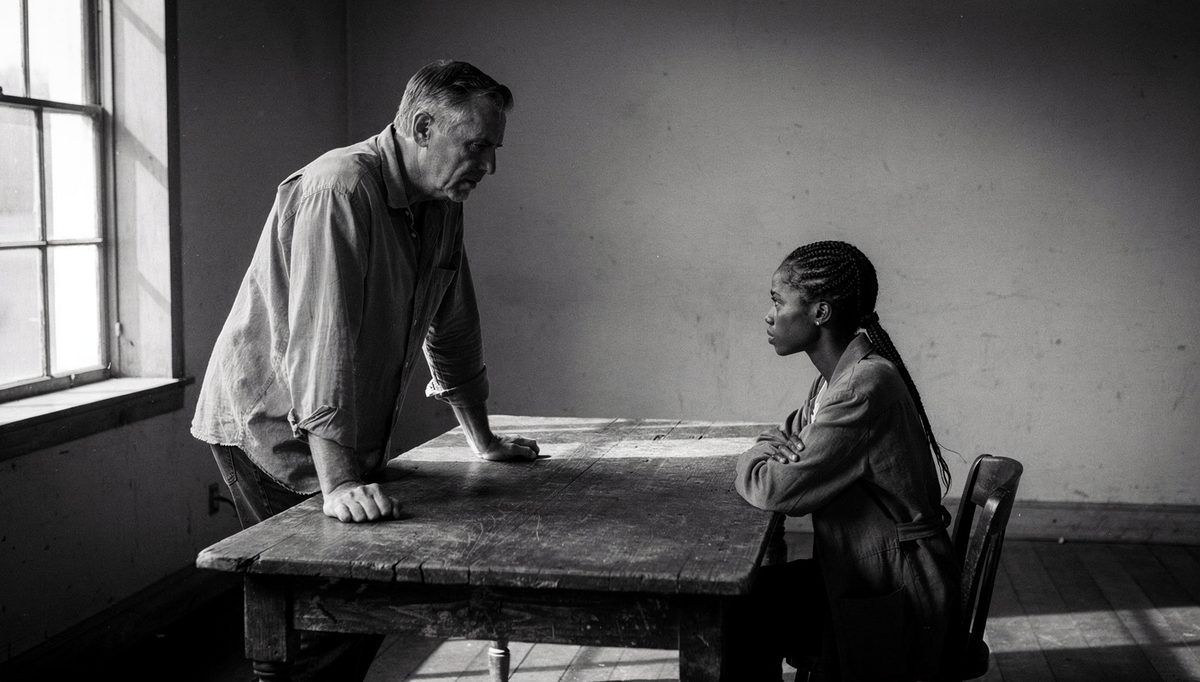
In briefings, he turned his chair to face whoever was speaking. He nodded slowly, not as a performance, but as a signal that he was tracking what was said. When someone raised a problem, he leaned slightly forward and kept his hands still on the table. When he spoke, he made eye contact with several people in the room, not just the person who had raised the point.
Within a month, the number of issues raised in briefings had doubled. Not because more had gone wrong, but because people had started trusting that raising something would be received without dismissal. The physical habits had communicated safety, and safety had unlocked honesty.
The role of emotional intelligence in team synergy covers the emotional dimension of this dynamic in depth. What this example shows is the physical gateway to that emotional safety. You cannot build connection through words alone when your body is telling people to keep their distance.
That is what physical expression looks like when it works.
Example 5: The Apology That Made Things Worse
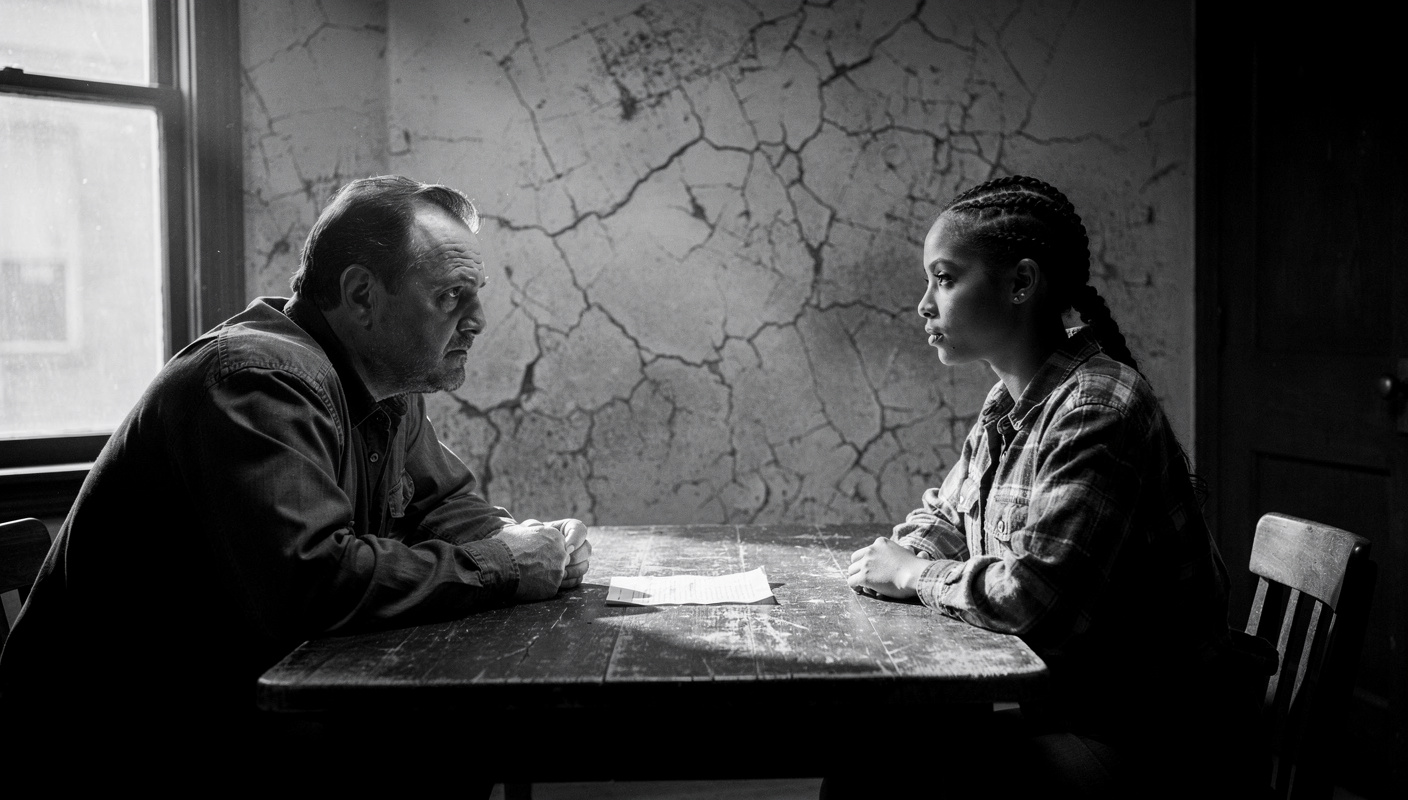
A senior colleague had publicly dismissed a junior team member's idea during a meeting. The dismissal was sharp enough that several people noticed. The following day, the senior colleague stopped by the junior's desk to apologise. The junior looked up. The senior remained standing, hands in pockets, weight shifted back onto one foot, delivering the words in the direction of the junior's monitor rather than the junior's face.
The words themselves were appropriate. "I was too quick to dismiss that. I should have listened better." But the body said something else entirely. The distance, the averted gaze, the weight already shifted toward the exit before the sentence was finished: every physical signal communicated that this was a box being ticked, not a genuine repair.
The junior nodded and said thank you. She did not raise another idea in a group setting for three months. The apology had been delivered. The relationship had not been repaired. The words had tried to build a bridge while the body had quietly burned it. This is one of the clearest physical expression examples of how intent and impact can split completely apart.
Understanding how to handle conflict during meetings is valuable, but the repair work after conflict lives or dies on physical honesty.
That is what happens when physical expression contradicts the words.
The Patterns Across All These Physical Expression Examples
Looking across these examples, several patterns emerge. They are consistent enough that I no longer consider them coincidences.
The body speaks first. In every scenario, the physical signals landed before the words had a chance to. The negotiator lost ground before he spoke a sentence. The leader rebuilt trust before she said a word. Posture, gaze, and stillness set the context into which words then fall.
Stillness reads as strength. Across the examples where something went right, there is a common thread: the person was physically settled. Not stiff, not performed, but still. Stillness communicates that you are not afraid of the moment. Movement and fidgeting communicate the opposite, regardless of the words that accompany them.
Incongruence destroys credibility instantly. When the body and the words deliver different messages, people trust the body. Every time. The candidate whose words were confident but whose hands were restless is a clear case. The apology that moved away before it was finished is another. Congruence between physical and verbal communication is not a bonus; it is the foundation.
Physical habits can be changed deliberately. The leader who paused in the corridor and reset her posture before walking in is the most instructive example in this set. Physical expression is not fixed personality. It is a system of habits, and habits respond to practice. Real-world case studies on team synergy show the same principle at organisational scale: culture shifts when the people inside it change their daily behaviours.
These patterns are not coincidences. They are the mechanics of physical expression at work.
What These Physical Expression Examples Mean for You
Reading examples is only useful if you can apply what you observe. Here is where to direct your attention after reading these scenarios.
- Do you know what your body does when you are under pressure? Most people do not. The candidate with the restless hands almost certainly did not know she was doing it. Start by observing yourself in low-stakes conversations before you work on the high-stakes ones.
- Does your posture match your intent when you walk into a room? Think of the negotiator who arrived first and immediately signalled retreat. How you enter a space and what you do in the first thirty seconds shapes how people read everything that follows.
- Do the people around you seem to relax or tighten when you are in a briefing or difficult conversation? The project manager's team opened up because his body told them it was safe. If people on your team stay closed, your physical signals may be part of why.
- When you apologise or give difficult feedback, where is your body pointed? The weight already shifted toward the exit is one of the most common physical signals that an apology is not genuine. Be honest about where your body is going even when your words are trying to stay.
- After a conversation that did not go well, do you review what you said, or what you did physically? Most people replay their words. Start replaying their posture, their eye contact, and their stillness. That is often where the real answer sits.
The role of communication in meeting success is a strong next step if you want to apply these observations directly to group settings. And if you are thinking about how to give feedback that actually lands, how to give feedback that strengthens team synergy addresses the full picture, physical signals included.
Physical expression examples like these are not just interesting stories. They are a mirror. Look into them honestly, and you will see something useful about yourself.
Frequently Asked Questions (FAQ)
What are physical expression examples in communication?
Physical expression examples include posture shifts that signal confidence or discomfort, eye contact that builds or breaks trust, and gestures that reinforce or contradict spoken words. These nonverbal cues are often more honest than speech and shape how others perceive and respond to you in real time.
How does physical expression affect business outcomes?
Physical expression directly influences how colleagues, clients, and leaders perceive your confidence and competence. A closed posture in a negotiation can signal weakness before you speak. An open, still stance signals authority and calm, shaping the other person's response from the very first moment of contact.
Can physical expression examples be learned and practised?
Yes. Physical expression is a skill, not a personality trait. You can practise specific postures, gestures, and levels of stillness until they become natural. Awareness is the first step: notice what your body does under pressure, then rehearse the habits you want to replace those defaults with.
What does closed body language signal in a conversation?
Closed body language, such as crossed arms, a turned torso, or a lowered gaze, signals disengagement, discomfort, or defensiveness. Even when unintentional, these cues tell the other person you are not fully present, which erodes trust and often ends productive dialogue before it has a chance to begin.
Why do physical expression examples matter more than words?
People read physical cues faster and more instinctively than they process words. When your body contradicts your speech, most listeners trust what they see, not what they hear. Consistent, congruent physical expression is what makes your words land with the weight they deserve.
How can I improve my physical expression in high-pressure situations?
Start by identifying your default tension pattern: do you hunch, fidget, or look away when stressed? Then rehearse a single replacement habit, such as planting your feet, dropping your shoulders, and holding eye contact for two full seconds before speaking. Repetition under low-pressure conditions builds the habit for high-pressure ones.