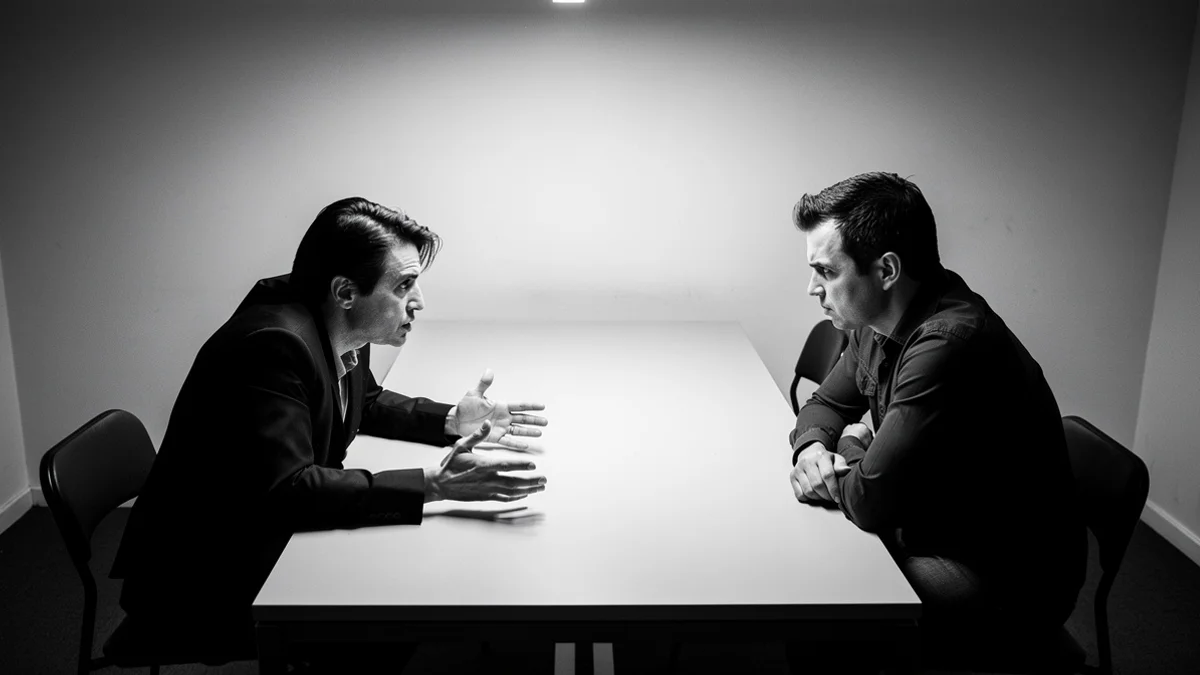

What Happened
MasterClass just launched a conflict communication course taught by Amanda Ripley, an investigative journalist who spent twenty years studying how people fight and why it goes wrong. The timing is pointed: American businesses are hemorrhaging nearly three billion dollars every single day because employees either escalate conflicts badly or bury them entirely. More than half of workers admit they deal with toxic situations by pretending those situations do not exist.
The Communication Angle
That last number is the one worth staring at. Fifty-three percent of employees go silent when things get bad. They do not resolve the conflict. They archive it. And archived conflict does not disappear. It compounds interest, quietly, until one day it explodes in a performance review, a resignation letter, or a relationship that simply stops working.
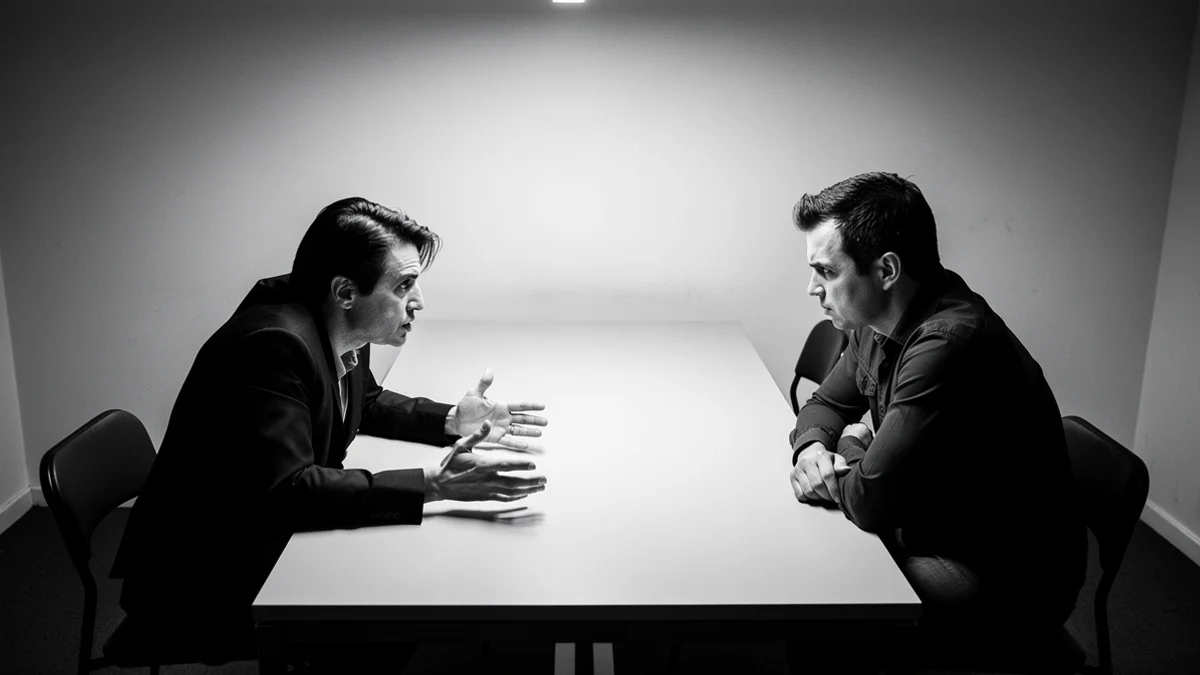
The reason people go silent is almost never cowardice. It is a broken mental model. Most people treat conflict as a binary: fight or flee. You either confront the problem aggressively and risk the relationship, or you swallow it and protect the peace. That is a false choice, and it is the core communication failure this course is designed to fix.
What Ripley is teaching, based on what her research consistently shows, is that conflict handled well is not the opposite of connection. It is the path to it. The professionals who learn this stop treating difficult conversations as grenades and start treating them as diagnostic tools. You use the friction to find out what actually matters to the other person, what they are protecting, and what they genuinely need. Once you know that, the conversation changes shape entirely.
Here is the specific technique that separates people who navigate conflict well from people who just survive it: they slow down the moment before the first hard sentence. They do not lead with their grievance. They lead with a question. Not a rhetorical trap, but a real one. "Help me understand what you were trying to accomplish." That one sentence disarms defensiveness and opens a channel. It signals that you are there to solve something, not to score points. The $2.7 billion daily loss figure exists largely because people skip this step. They go straight to their position, the other person defends theirs, and now you have a standoff where a conversation used to be.
The deeper principle here is one I have seen play out in boardrooms, marriages, and newsrooms alike: people do not resist solutions. They resist feeling unheard. If you make someone feel genuinely understood before you make your case, their resistance drops. Not always immediately, but reliably. Ripley is bringing two decades of field reporting to prove what communication specialists have known for years. That is a combination worth paying attention to.
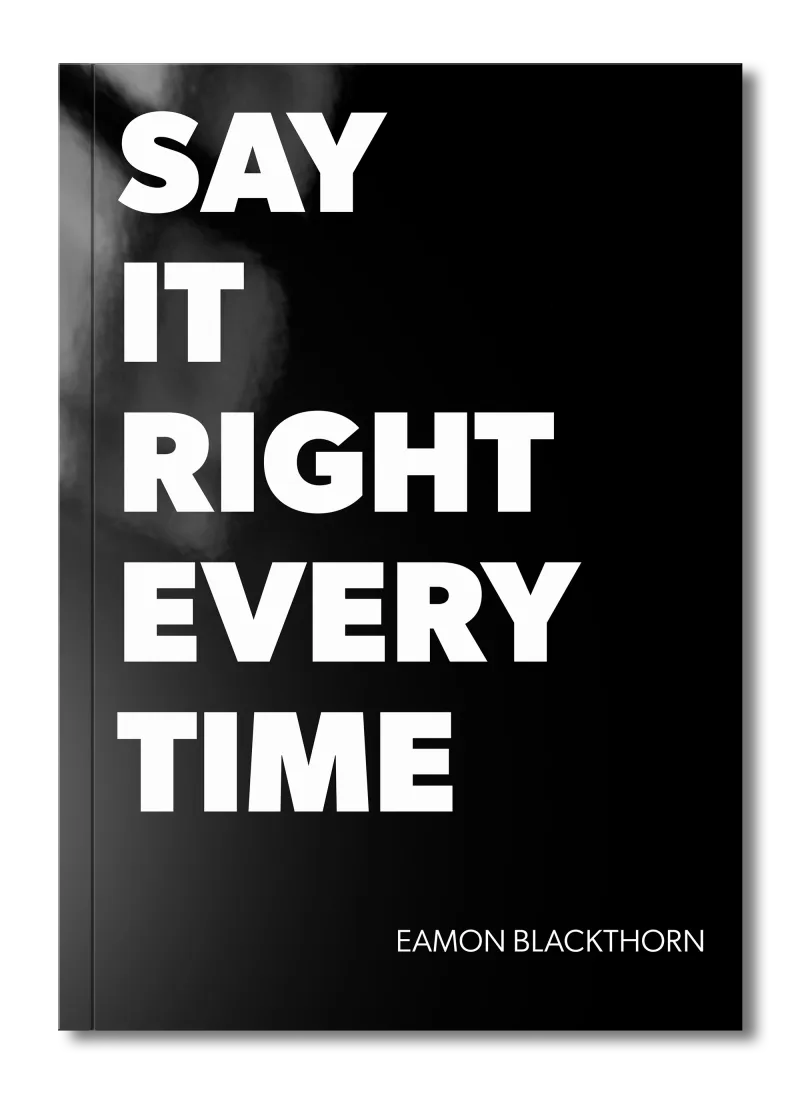
This is exactly the kind of scenario I break down in Say It Right Every Time. The chapter on high-stakes openings gives you a framework for designing the first thirty seconds of a hard conversation, because that window determines whether the other person stays open or shuts down. What you say second matters. What you say first decides everything.
Never Be Lost
for Words Again
Get word‑for‑word scripts for the conversations that shape your life, from job interviews and negotiations to difficult talks with family and partners, so you always know exactly what to say and how to say it.
Never Be Lost
for Words Again
Get word‑for‑word scripts for the conversations that shape your life, from job interviews and negotiations to difficult talks with family and partners, so you always know exactly what to say and how to say it.
Key Takeaway
Before your next difficult conversation, write down two things: the specific outcome you actually need (not want, need) and the one question you will ask before you say anything else. Lead with the question. Your outcome becomes reachable only after the other person feels heard. This is not strategy. This is how trust gets built in real time.