
In Short
Most enterprise teams cannot measure team synergy accurately because the real warning signs look like ordinary business problems until the damage is already done.
- Decisions slow down without anyone naming the real reason why.
- Information stays inside sub-teams instead of flowing across the whole group.
- High performers quietly disengage while the team's surface output stays steady.
Team synergy metrics are observable, measurable indicators of how well a team functions as a coordinated, interdependent unit. They go beyond output numbers to capture the quality of collaboration, communication flow, and collective decision-making that determine whether a team produces more together than its members could produce alone.
You ran the numbers. Productivity looked steady. Attendance was fine. No one was fighting. And then, three months later, your best cross-functional project collapsed mid-delivery and no one could explain exactly when it started going wrong.
That is the gap team synergy metrics are designed to close. The problem is that most enterprise organizations measure outputs but not the conditions that create them. By the time a team's collective performance visibly drops, the synergy that held it together has been eroding for weeks, sometimes longer. The warning signs were there. Nobody had a system to read them.
In this article, you will learn to recognize seven specific diagnostic signs of declining team synergy and what to do about each one. For the broader context on how synergy affects output, Measuring the Impact of Team Synergy on Productivity is worth reading alongside this.
Why Team Synergy Problems Are Hard to Detect in Enterprise Settings
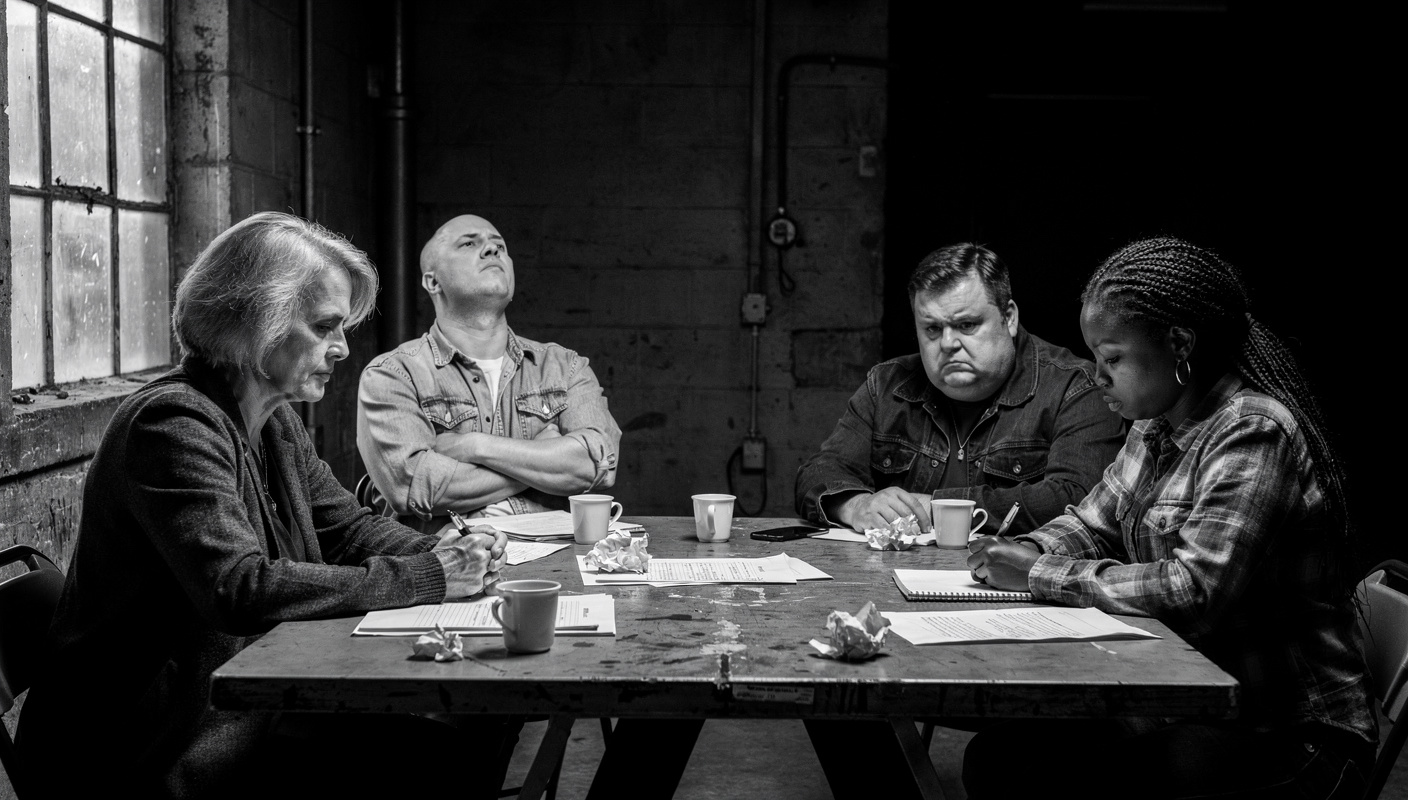
Here is the truth of it: team synergy does not collapse overnight. It thins, the way ice thins in early spring, until one ordinary day it cannot hold weight anymore. In large organizations, that gradual thinning is especially easy to miss because enterprise structures create noise that masks the signal.
Several factors make these problems hard to catch early:
- Teams are measured on outputs, not processes. When a team delivers on time, leadership assumes everything is fine. But a team can hit its quarterly target while its internal communication is already fracturing, simply because individuals are compensating through overwork.
- Problems get labeled as something else. Declining synergy often looks like a planning issue, a resource issue, or a personality conflict. The systemic cause stays hidden while teams address the symptom.
- Enterprise size creates distance. In larger organizations, leaders rarely see the daily texture of how teams actually communicate. They see reports and meeting outcomes, not the quality of the conversations that produced them.
- High performers mask the damage. When synergy weakens, your strongest people often compensate quietly. Output holds steady, but those individuals are carrying weight they should not have to carry alone.
- Normalization happens fast. Once a dysfunctional pattern runs for more than a few weeks, teams stop noticing it. Slow decisions feel normal. Siloed information feels normal. The baseline shifts without anyone approving the change.
The first step is knowing what to look for. That is what this article gives you.
"The Conversation You're Avoiding Is the One You Need to Have."
"The Conversation You're Avoiding
Is the One You Need to Have."
Stop rehearsing conversations you'll never have. Say It Right Every Time gives you 115 word-for-word scripts and 16 proven frameworks to speak with confidence in every conversation that matters.
Sign 1: Decisions Are Taking Longer Than the Complexity Warrants
What it looks like: Straightforward decisions, the kind your team used to make in a single meeting, now require multiple rounds, escalation to senior leadership, or informal lobbying before anyone commits. People hedge. Meetings end without conclusions. Follow-up emails replace the decisions that should have been made in the room.
Why it happens: Decision slowdown in teams with eroding synergy is almost always rooted in trust deficit. When people do not trust that their input is genuinely considered, they stop committing to group decisions. When sub-teams stop sharing information freely, decision-makers lack the context they need. The process drags not from complexity but from disconnection.
Why it matters: Slow decisions in enterprise environments have compounding costs. Projects fall behind, opportunities close, and the frustration of repeated indecision drives your best people to disengage.
What to do about it: Map your last five team decisions. Note how many meetings each required and who actually made the final call. If the pattern shows escalation or repeated deferrals, introduce a decision framework that assigns clear ownership before each meeting begins. One practical tool: assign a named decision-maker for every agenda item, not a consensus requirement.
Eamon's note: I have watched this one destroy teams that had every other thing right, because nobody wanted to name the real reason decisions were stalling.
Sign 2: Information Stays Inside Sub-Teams
What it looks like: You discover, mid-project, that one part of your team has been sitting on information that would have changed how another part approached the work. Nobody hid it deliberately. It simply never occurred to them to share it. Silos form not from secrecy but from habit.
Why it happens: In enterprise organizations, sub-teams develop their own communication rhythms and internal shorthand. Over time, cross-team information sharing requires deliberate effort, and when synergy weakens, that effort stops happening. People optimize for their immediate group, not the collective.
Why it matters: How Feedback Loops Boost Team Synergy makes this point clearly: without consistent information flow across a team, feedback loops break and the team loses its ability to self-correct. Siloed information is not just inefficiency. It is a structural warning sign.
What to do about it: Introduce a brief weekly information-sharing protocol. Each sub-team nominates one item, one piece of knowledge or progress update, that the rest of the team needs. Keep it under ten minutes. The discipline of sharing creates the habit of sharing.
Eamon's note: The most dangerous silos I have ever seen were built by good people who were simply too busy to look up.
Sign 3: Fewer Voices Speak in Group Settings
What it looks like: Your team meetings have the same ten people in the room, but four of them consistently say nothing. The same three or four voices dominate every discussion. When you ask for input, you get silence or one-word agreements. It looks like efficiency. It is not.
Why it happens: This sign connects directly to psychological safety. When people do not feel that speaking up is safe, they stop. What Is Psychological Safety and How It Drives Team Synergy examines this mechanism in depth. In enterprise teams, safety erodes gradually, often through small moments of dismissal or interruption that go unaddressed.
Why it matters: A team that draws on only a fraction of its collective intelligence is not operating at synergy. It is operating at the capacity of its loudest members.
What to do about it: Before your next three meetings, send a specific preparation question to every attendee. Ask for their answer in writing before the meeting starts. This equalizes participation by creating input before the room dynamics can suppress it.
Eamon's note: I have sat in rooms where the most important insight went unspoken because the person who held it had learned, over time, that speaking cost more than staying quiet.
Sign 4: Collaboration Is Polite But Not Productive
What it looks like: This is the counterintuitive one. The team is agreeable. Meetings are pleasant. Nobody argues. And yet the work that comes out of those meetings is mediocre, because real collaboration, the kind that generates something better than any individual could produce, requires friction. Comfortable agreement is often a sign that people have stopped engaging seriously with each other's ideas.
Why it happens: Superficial harmony develops when people prioritize relationship preservation over honest engagement. In enterprise settings, this often follows a period of conflict that ended badly or leadership pressure to "stay positive." People learn to agree because disagreeing feels risky.
Why it matters: Advanced Communication Strategies for Sustaining Team Synergy in Complex Organizations distinguishes between productive tension and destructive conflict. A team without productive tension is not synergizing. It is coasting.
What to do about it: Assign a rotating "challenger" role in your key meetings. That person's job is to ask the one question nobody else is asking. Rotate the role so it does not attach to one personality. The practice normalizes honest challenge as a team value, not an individual habit.
Eamon's note: Politeness is not the same as trust, and I learned that distinction later than I should have.
Sign 5: High Performers Stop Volunteering
What it looks like: Your strongest team members used to bring ideas to the table before they were asked. Now they do their work, deliver what is required, and little more. They are present but not invested. Nobody has complained about them. But something has changed, and it is quiet enough that most leaders miss it entirely.
Why it happens: High performers disengage from teams when they sense that their extra effort does not change outcomes. When team synergy weakens and decisions become slow, political, or opaque, capable people rationally reduce their discretionary effort. Why invest more when the system cannot absorb it?
Why it matters: Discretionary effort, the work people do beyond their minimum requirement, is where collective performance actually lives. Lose it, and your team's output floor and ceiling converge.
What to do about it: Have a direct, private conversation with two or three of your strongest contributors. Ask one question: "What is one thing that is making it harder for you to do your best work right now?" Then listen without defending. The answers will tell you more than any survey.
Eamon's note: I lost a brilliant colleague from a team I was running because I noticed the silence too late to do anything about it.
Sign 6: Role Boundaries Are Blurring in Harmful Ways
What it looks like: Work is being duplicated by people who did not know someone else was already doing it. Or decisions are being made by people who should not be making them, because the person who should is unavailable or unclear on their own authority. The team is busy, but effort is being wasted on tasks nobody assigned and nobody claimed.
Why it happens: What Is Role Clarity and Why It Is the Foundation of Sustainable Team Synergy explains this root cause in full. When roles are unclear, people fill gaps with good intentions and create chaos with the effort. In enterprise organizations, this accelerates during growth phases, restructures, and leadership changes.
Why it matters: Blurred roles destroy accountability. When nobody is sure who owns what, nobody is sure who to hold responsible, and responsibility without clarity is just blame waiting to happen.
What to do about it: Run a responsibility mapping session. List the team's ten most important recurring tasks and have each member privately identify who they believe owns each one. Compare the answers. Where they diverge, clarity is missing. Start repairing there.
Eamon's note: I have never seen a team with serious role confusion that did not also have serious trust problems, they grow together.
Sign 7: Standups and Check-Ins Have Become Performances
What it looks like: Your daily standups run on time, follow the format, and produce nothing. People report what they did yesterday and what they plan to do today without genuine coordination happening. Nobody flags a real blocker. Nobody asks for help. The ritual continues, but the substance has gone.
Why it happens: When team synergy weakens, people stop using coordination rituals for coordination. They use them for reporting, because reporting feels safe and coordination requires vulnerability. How to Use Daily Standup Meetings to Actively Build Team Synergy Over Time addresses this problem directly and gives a practical system for restoring the purpose of these meetings.
Why it matters: Standups exist to create shared awareness and surface problems before they compound. When they become theater, the team loses its best early-warning system.
What to do about it: Change one question in your standup format. Replace "What will you do today?" with "What do you need from someone else today?" That single shift reorients the meeting from individual reporting to collective coordination.
Eamon's note: The day a standup stops producing real answers is the day synergy started slipping, but most leaders notice it months later.
The Pattern Behind These Signs
These signs rarely appear in isolation. I have never diagnosed a team that had only one of them. They cluster because they share a root.
The single most common root cause I have seen in enterprise teams is the gradual erosion of psychological safety combined with structural ambiguity. These two forces work together. When people are unclear about their roles and uncertain that honesty will be received well, they default to self-protection. They share less, decide slowly, agree superficially, and withdraw their discretionary effort. Every one of the seven signs in this article is a downstream expression of that combination.
A second pattern worth naming is leadership distance. In large organizations, team leaders are often managing upward as much as leading downward. The daily texture of team communication falls outside their line of sight, and by the time the metrics surface a problem, the team has already adapted to dysfunction.
A third pattern is change without repair. Enterprise teams go through restructures, leadership transitions, and scope changes at high frequency. Each change creates small tears in the team's relational fabric. Without deliberate repair, those tears accumulate. The team that looked cohesive after the last restructure is actually carrying unresolved tension from three transitions ago.
Fix the root and most of the symptoms resolve. Fix only the symptoms and the root keeps generating new ones.
Your Diagnostic Checklist
Use this checklist to assess where your team currently stands.
- Decisions that should take one meeting regularly require two or more.
- Sub-teams discover information gaps mid-project that earlier sharing would have prevented.
- Fewer than 70% of meeting attendees contribute verbally in a typical session.
- Team meetings are consistently agreeable but produce little genuinely new thinking.
- One or more high performers has reduced visible initiative in the past 90 days.
- Two or more people on the team are unclear about who owns a key recurring responsibility.
- Standups or check-ins run on schedule but surface no real blockers or coordination requests.
- Information about a project failure, or near-miss, reached leadership through informal channels rather than team discussion.
- A significant team change occurred in the past six months with no structured adjustment period.
- Feedback between team members, especially critical feedback, is rare or delivered only through formal channels.
- Cross-functional collaboration requires escalation more often than direct peer-to-peer coordination.
- The team has not explicitly discussed how it wants to work together in the past quarter.
If you checked 3 or fewer, the foundation is sound but stay alert to the items you flagged. If you checked 4 to 7, address the two highest-impact items in the next 30 days. If you checked 8 or more, this needs immediate, structured attention before the pattern becomes self-reinforcing.
How to Start Fixing This
Diagnosis without action is just worry. Here is where to begin.
Run the responsibility mapping exercise. Take the top ten recurring tasks your team owns and ask every member, privately, to name who they believe is responsible for each. Compare the results in a team session. Where answers diverge, open a direct conversation about ownership. Do this in the next two weeks.
Change one standup question. Replace your current "What will you do today?" prompt with "What do you need from someone else?" Run it for three weeks before evaluating. You will know it is working when people start actually asking each other for things, and delivering on those requests.
Have two direct conversations with high performers. Ask each one the question from Sign 5: "What is making it harder to do your best work right now?" Take notes. Do not defend. Report back to them within one week on what you heard and what you intend to do about it. How to Give Feedback That Strengthens Team Synergy Instead of Breaking It gives you the framework for those conversations.
Schedule a quarterly synergy review. Set a 60-minute session once per quarter where the team evaluates how it is working together, not just what it has produced. Use the checklist in this article as your starting structure. For deeper frameworks on sustaining this practice, see Advanced Communication Strategies for Sustaining Team Synergy in Complex Organizations.
Summary
You can now see seven specific signs of declining team synergy that most enterprise leaders miss entirely because they look like ordinary operational problems.
- Slow decisions, silent meetings, and polite but empty collaboration are diagnostic data, not personality issues.
- High performers who stop volunteering are giving you a signal worth taking seriously before they give you their resignation.
- Role confusion and performative standups are structural failures, not individual failings.
- The root is almost always a combination of eroding safety and structural ambiguity, and both are repairable.
- Measurement matters: if you are not tracking team synergy metrics consistently, you are flying without instruments.
For the psychological foundations of what you have read here, What Is Psychological Safety and How It Drives Team Synergy and What Is Role Clarity and Why It Is the Foundation of Sustainable Team Synergy will give you the deeper picture. How Feedback Loops Boost Team Synergy shows you the repair mechanism in detail.
Building team synergy is a practice, not a gift, and the teams that sustain it are the ones willing to measure it honestly.
Frequently Asked Questions (FAQ)
What are team synergy metrics and why do they matter?
Team synergy metrics are observable, measurable indicators of how well a team functions as a coordinated, interdependent unit rather than a collection of individuals. They matter because synergy problems rarely announce themselves. They erode quietly, and by the time performance drops, the root cause is often weeks or months old.
How do you measure team synergy in a large enterprise organization?
You measure team synergy through behavioral indicators: decision speed, information-sharing frequency, cross-functional coordination quality, and how quickly conflicts surface and resolve. Surveys and performance scores alone miss these signals. Behavioral observation and structured diagnostics give you a far clearer and more actionable picture.
What are the early signs of declining team synergy metrics?
Early signs include slower decision-making, reduced voluntary information sharing, increased duplication of work across sub-teams, and meetings where fewer people speak. These signs often look like busyness or process issues, which is exactly why they go undiagnosed until the damage is already embedded in team behavior.
How often should enterprise teams evaluate team synergy?
Enterprise teams should run a structured synergy diagnostic at least once per quarter, and after any major change: a restructure, a new leader, a project failure, or a rapid growth phase. Waiting for annual reviews means you are measuring a problem that is already six months old and far harder to repair.
Can team synergy metrics be used to compare teams across an organization?
Yes, but carefully. Metrics are most useful as a baseline within a single team tracked over time, not as a ranking system between teams. Context matters enormously. A team under unusual external pressure will score differently from a stable team, and punishing that difference destroys the trust the metrics are meant to protect.
What is the difference between team performance metrics and team synergy metrics?
Performance metrics measure output: what a team produced and whether it met targets. Team synergy metrics measure process: how the team is working together to produce that output. A team can hit its numbers while synergy quietly collapses, which is precisely why both types of measurement matter in enterprise environments.