
In Short
Grounded eye contact is the single most powerful nonverbal signal of leadership authority, but for women it carries a specific risk: hold your gaze too hard and you trigger the Aggression Penalty; look away too often and you lose credibility entirely.
- Stillness in your gaze signals that you are not rattled, not seeking approval, and not backing down.
- The goal is not prolonged staring. It is a calm, rhythmic, anchored visual presence.
- With a clear process, you can develop this skill in real time, under real pressure.
Grounded eye contact is a sustained, composed gaze that communicates presence and authority without aggression or dominance. It involves deliberate visual engagement, relaxed facial muscles, and a steady rhythm of focus that signals confidence and composure in professional conversations.
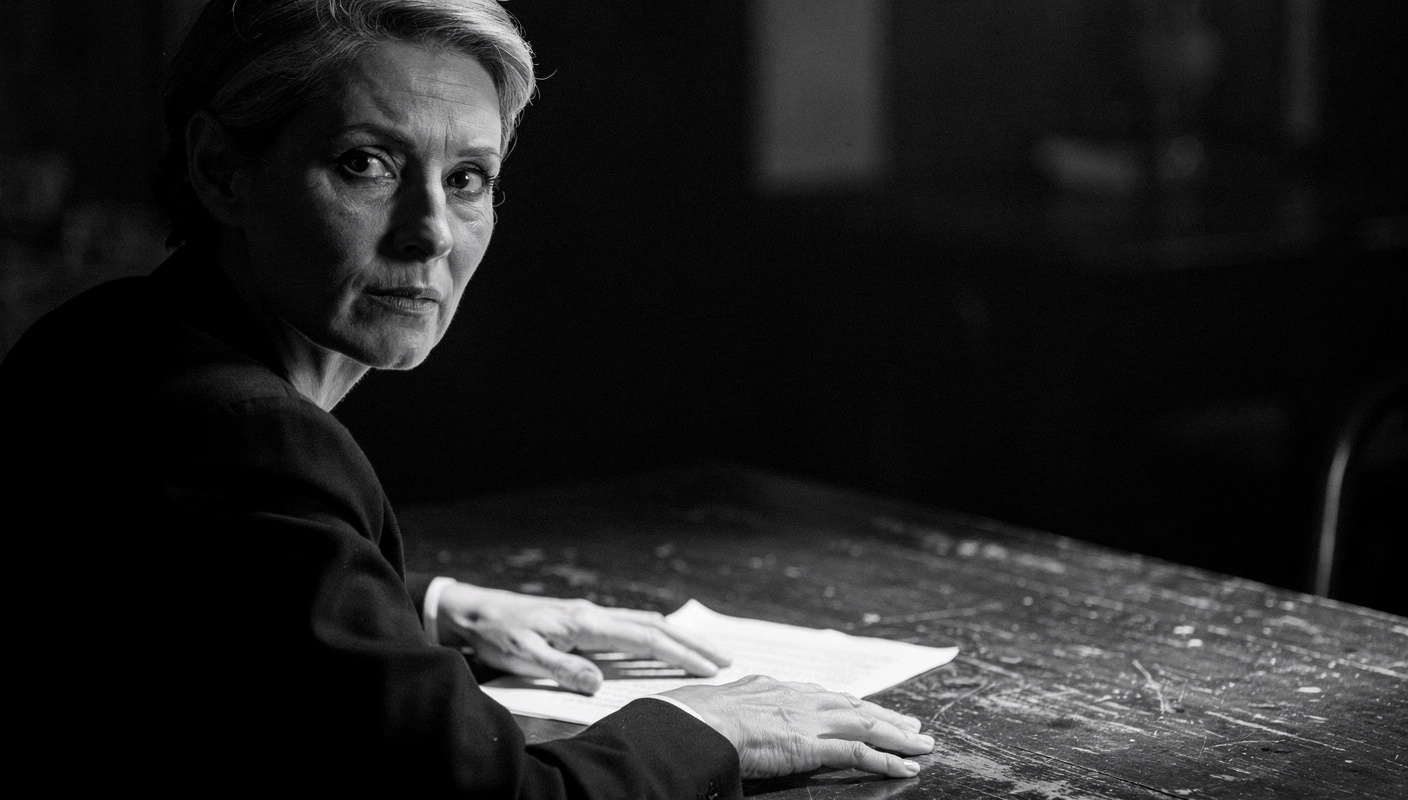
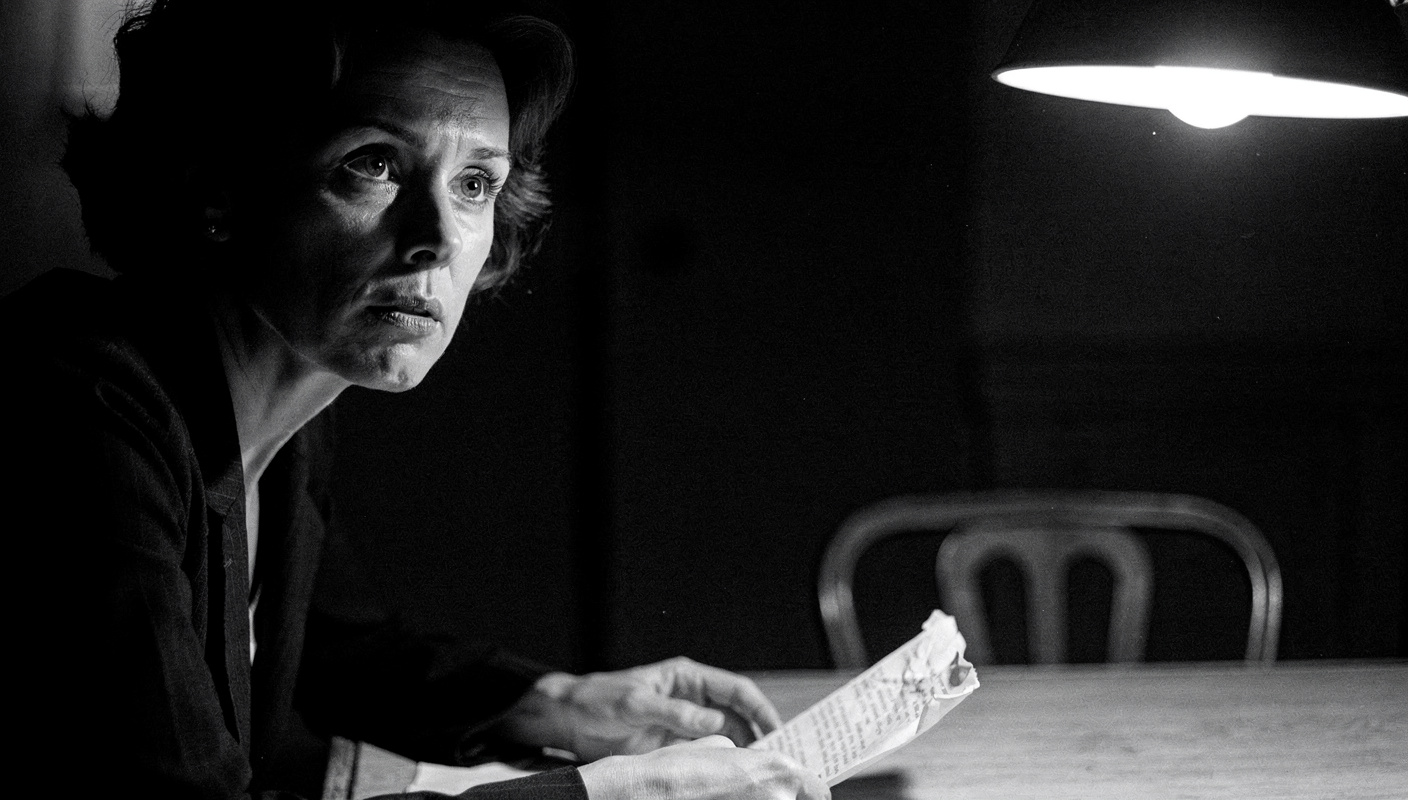
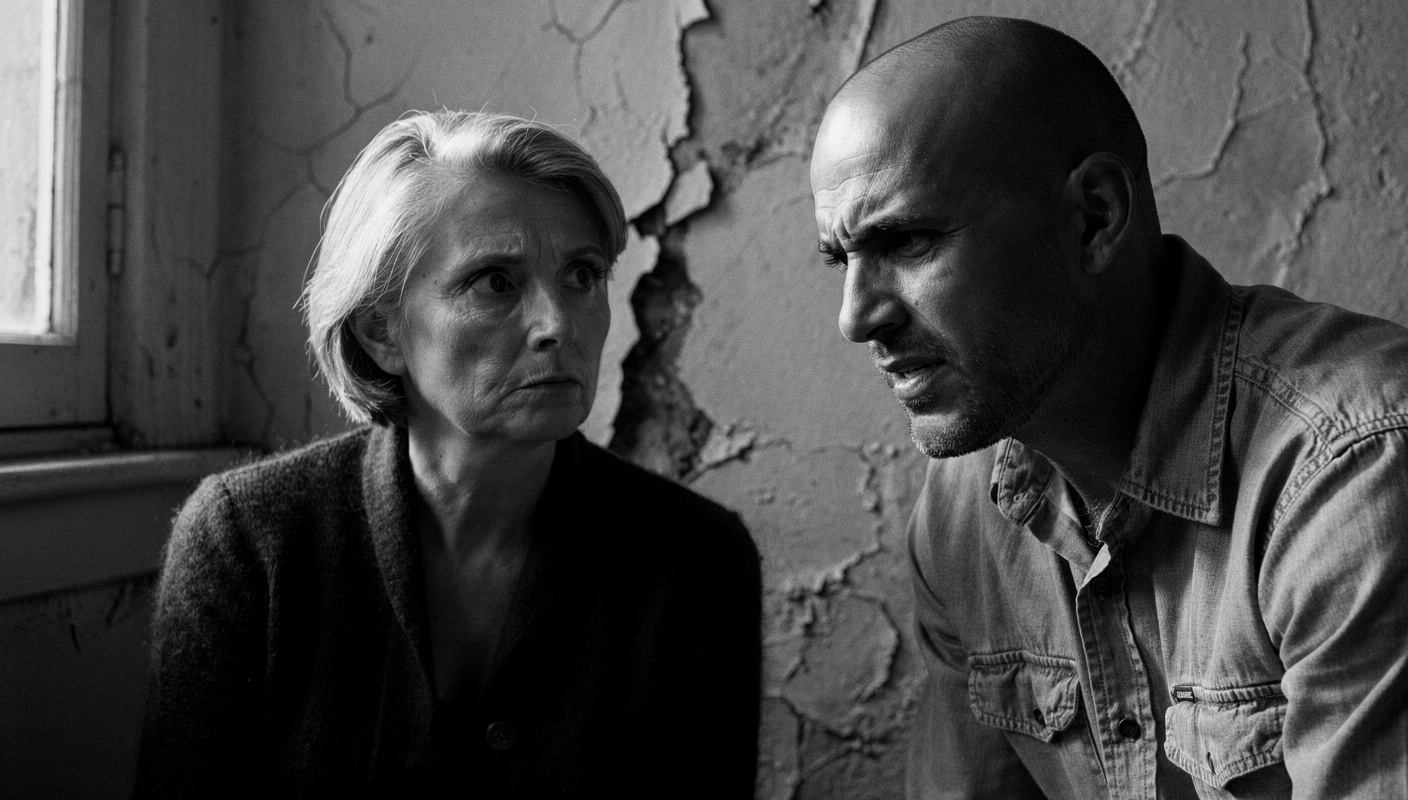
She walked out of the boardroom having said every right word. Her argument was solid. Her data was clear. But she had spent most of the presentation looking at her slides, her notes, and the floor. The room had quietly decided she was not sure of herself. She was, in fact, completely sure. But her gaze had told a different story.
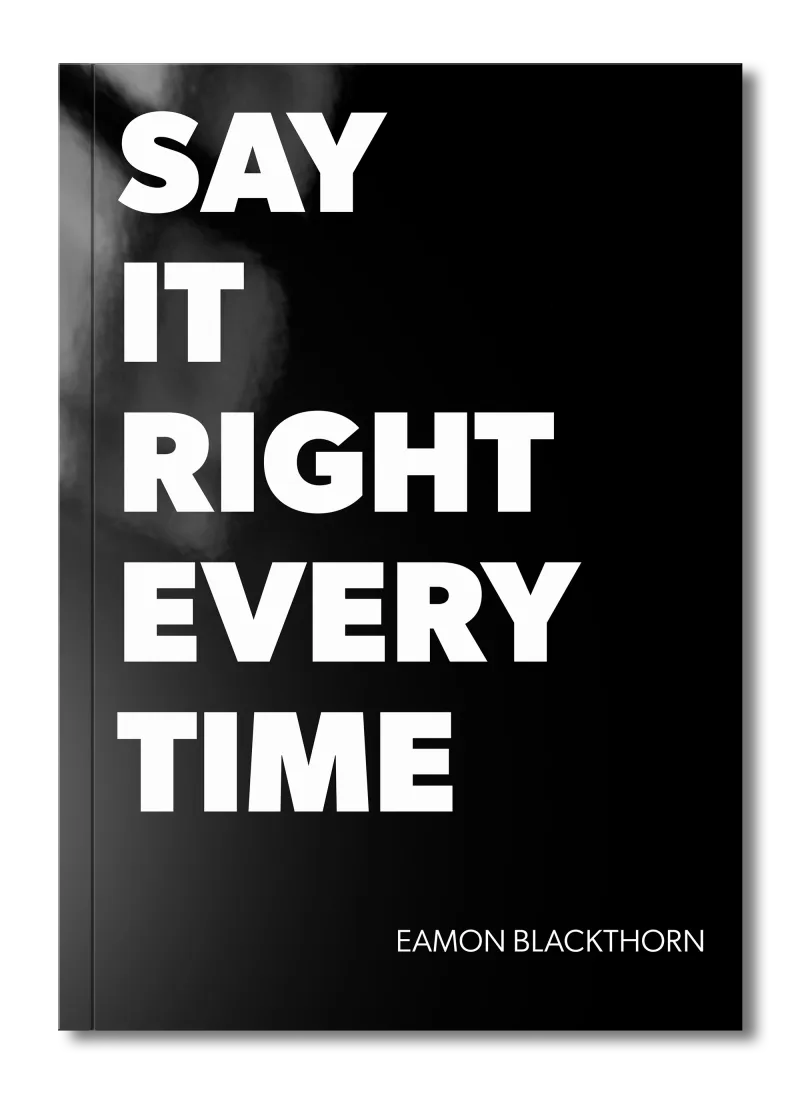
Grounded eye contact is not about staring someone down. It is about holding your visual ground. Most professionals know this matters. Few know how to actually do it, especially under pressure, especially when the room is pushing back. For women, the stakes are higher still: too little eye contact and you read as uncertain; too much, held too hard, and you trigger the Aggression Penalty that I describe in Chapter 11 of Say It Right Every Time For Women. The confidence tightrope is real, and this article gives you a method to walk it with precision.
After reading this, you will have a six-step process you can prepare and rehearse before your next difficult conversation, and a clear tool to use in the moment.
Why Holding Your Gaze Is Genuinely Harder Than It Sounds
People will tell you to "just make more eye contact." They say it as if it is a simple matter of deciding. It is not.
When a conversation carries real stakes, your body responds to the other person's gaze as a low-level threat. The instinct is to look away, to break contact, to find a neutral point on the wall. This is not weakness. It is physiology. Sustained eye contact in a tense moment activates the same systems that manage dominance and submission in social animals, and humans are not exempt from that biology.
The problem for leaders is that looking away under pressure reads precisely as submission, regardless of what your words say. Your nonverbal communication in tense situations always speaks louder than your verbal content. Your body tells the room whether you believe yourself. And when your gaze drops at the moment your authority is challenged, the room notices.
For women, there is an additional layer. I call it the Perception Gap in Say It Right Every Time For Women: the very behaviours that signal confidence and authority in men can trigger discomfort or resistance when women use them. Direct, sustained eye contact is a prime example. Hold it with warmth and it lands as strength. Hold it with tension and it reads as aggression, even when no aggression was intended. Navigating this is not about shrinking. It is about precision.
"The Conversation You're Avoiding Is the One You Need to Have."
"The Conversation You're Avoiding
Is the One You Need to Have."
Stop rehearsing conversations you'll never have. Say It Right Every Time gives you 115 word-for-word scripts and 16 proven frameworks to speak with confidence in every conversation that matters.
What Needs to Be True Before You Begin
The process below will not take root on unstable ground. Two things need to be in place first.
The first is physical composure. If your jaw is tight, your shoulders are raised, and your breathing is shallow, your eyes will carry that tension. A locked gaze on an anxious face reads as hostility, not authority. Before a high-stakes conversation, you need at least thirty seconds to reset: one slow breath, shoulders dropped, jaw unclenched. This is not a luxury. It is the foundation everything else rests on.
The second is a decision about your intention. Ask yourself: what am I here to do in this conversation? Not what you want to win, but what you are here to accomplish. A gaze that comes from settled intention looks different from a gaze driven by anxiety or defensiveness. The eyes, as I have watched across decades, are an extraordinarily honest signal of what is actually happening inside. Settle your intention before you try to settle your gaze. For a structured way to approach this, the M.A.S.T.E.R. framework in Chapter 11 of Say It Right Every Time For Women covers the full mental preparation phase, including how to visualise not just success but the moments of bias or friction you are likely to encounter.
The Six Steps to Grounded Eye Contact
Step 1: Set Your Anchor Point Before the Conversation Starts
Choose your anchor point in advance. In a face-to-face conversation, this is the triangle formed by the other person's eyes and the bridge of their nose. Looking at this small zone feels like direct eye contact to them without requiring you to focus on one single eye, which can feel unnatural and produce a slight staring quality. In a group setting, your anchor rotates: you hold the gaze of whoever is speaking, then move to one other person as you make a key point. Practice finding this triangle in low-stakes conversations first. It should feel like landing on a specific point, not scanning the face.
Step 2: Apply Soft Focus Under Pressure
When a conversation escalates or a challenge lands, the temptation is to either break your gaze or harden it. Both read poorly. The technique I recommend is soft focus: rather than focusing sharply on the other person's eyes, you allow your gaze to rest on the anchor triangle while relaxing the muscles around your own eyes. This produces a calm, held gaze that does not carry the tension of a hard stare. It is the visual equivalent of a slow breath. Soft focus is the core of what I call Grounded Stillness in Say It Right Every Time For Women, the quality of an anchored presence that signals authority without aggression. A woman who holds the room with Grounded Stillness is not trying to dominate; she is simply not moving.
Step 3: Establish Your Eye Contact Rhythm
There is a rhythm to credible eye contact, and it can be learned. Hold eye contact for four to five seconds. Then allow a brief, natural break: a downward glance toward the table or your notes, never sideways, which reads as dismissal. Return to the anchor point. This rhythm, when practised, becomes automatic. It also prevents the gaze from becoming a fixed stare, which triggers the Aggression Penalty. The break must feel deliberate and calm, not anxious. Think of it as a full stop in a sentence, not a retreat.
Script this for yourself before a difficult meeting: "I will hold, break down, return. Hold, break down, return." Rehearse it the way you rehearse words.
Step 4: Hold the Gaze When You Are Challenged
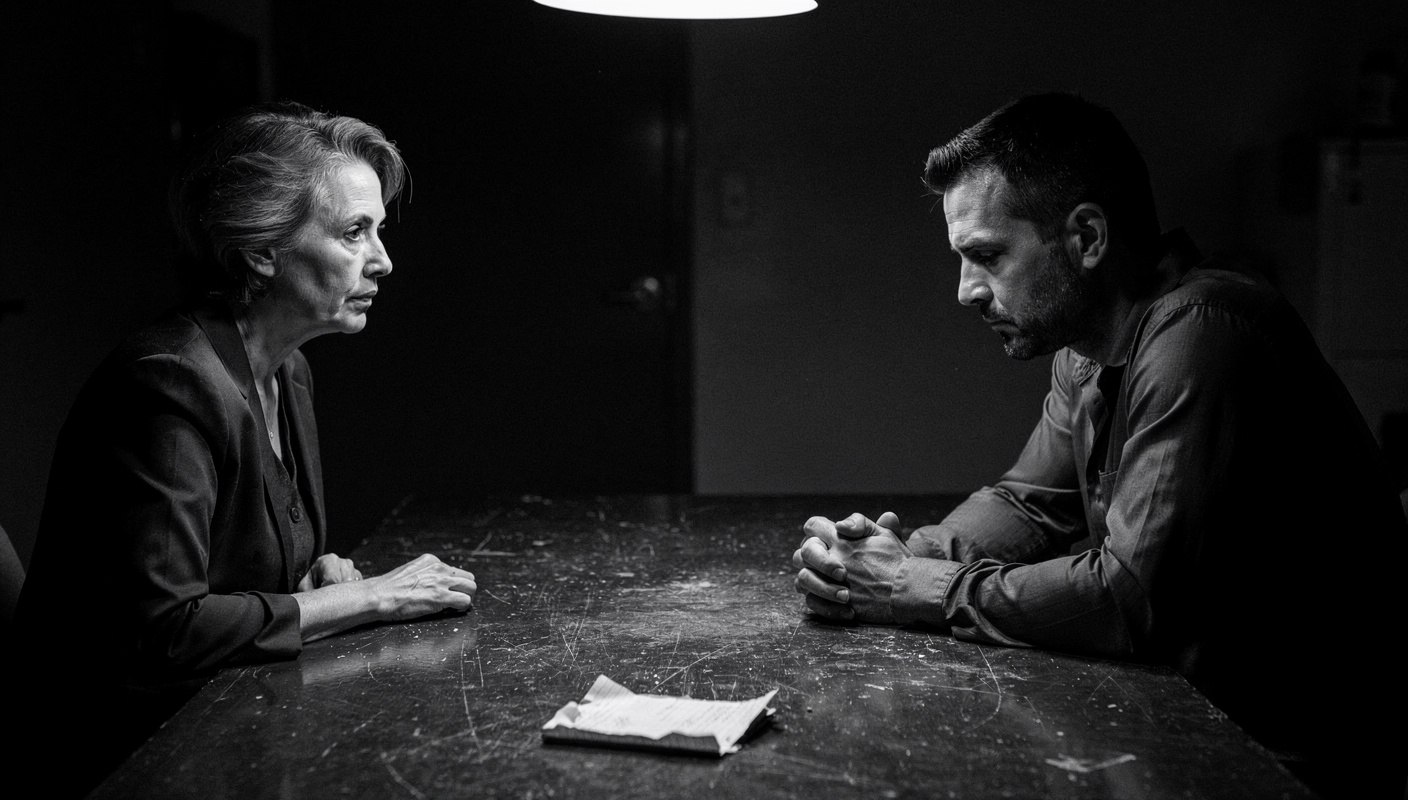
This is where most people fail. When someone questions your data, dismisses your proposal, or interrupts your point, the automatic response is a break in eye contact followed by a rapid search for words. The room reads this as being rattled.
The practice is to do the opposite: when challenged, hold. Pause for a full two or three seconds before responding, while keeping your gaze steady on the anchor point. This is the 3-second pause that stops tension from escalating in the moment it matters most, and combining it with held eye contact amplifies its power significantly. You are communicating, without words, that you are not shaken. That alone changes the dynamic of what follows.
Step 5: Match Your Facial Expression to Your Gaze
A steady gaze paired with a tense or defensive expression creates contradiction, and the room reads the contradiction, not the gaze. The face must carry the same composure as the eyes. This means: a slightly relaxed jaw, brow muscles not furrowed, the corners of the mouth neutral rather than pressed together. You are not smiling. You are composed.
Practice this in a mirror. Hold your gaze at the reflection while deliberately relaxing each part of your face in turn. Notice how quickly tension creeps back into the brow or jaw when you are concentrating. The goal is to make facial composure a habit, not something you have to consciously reach for in the moment. Your leadership voice and your facial composure must work together; one without the other undercuts both.
Step 6: Adjust Your Gaze When the Stakes Change
Grounded eye contact is not a fixed setting. It adapts. In a moment of genuine listening, your gaze softens and you lean slightly in: this signals that you are processing, not just waiting to speak. In a moment when you are being tested or dismissed, you hold longer and your posture stills. In a moment when you are delivering difficult news, you hold warm and steady, without looking away at the hard parts.
This adaptability is what separates grounded presence from performance. When your gaze shifts because the moment calls for it, and not because anxiety pushed it, the room trusts you. Signs that your leadership voice is driven by anxiety rather than intention often show first in the eyes, well before they show in your words.
The Aggression Penalty: Where Women Must Calibrate Differently
Here is the truth of it. The calibration of eye contact is not gender-neutral, and pretending otherwise does not serve you.
I watched a talented senior manager spend three months practising sustained, direct eye contact after reading every piece of advice about "leadership presence." She became noticeably more confident. She also began to be described, in feedback, as "intimidating" and "hard to approach." Nothing about her words had changed. Nothing about her decisions had changed. The gaze had shifted the perception entirely.
This is the Aggression Penalty at work. In Say It Right Every Time For Women, I describe it as the cost women pay when their confidence crosses an invisible line that is drawn lower for them than for their male counterparts. Direct eye contact in men reads as authority. The same quality of direct eye contact in women, without the softening elements I described in Steps 2 and 3, can read as aggression, coldness, or challenge. This is not fair. It is real.
The adjustment is not to look away more. The adjustment is in the quality of the gaze: soft focus rather than hard focus, a brief nod during listening, the slight relaxation of the brow. These small calibrations preserve full authority while removing the friction that triggers a biased reading. The Perception Gap does not disappear; you simply stop feeding it. Understanding how the amygdala hijack escalates tension in high-pressure moments helps you see why the other person's reaction to your gaze is often faster than their rational mind.
Grounded Eye Contact on Video Calls
The rules shift significantly on a screen, and most people are unaware of how much.
When you look at the other person's face on your video call screen, you appear to the other person to be looking slightly downward. Camera position and screen position are almost never aligned. To the person on the other end, this reads as a lack of engagement or, worse, as avoidance. How leaders stay visible in virtual workspaces is a challenge that starts with this single adjustment: look at the lens, not the face.
Position your camera at eye level. When you want to signal authority or sincerity, look directly at the lens for four to five seconds. You will not be able to see the other person's reaction in those moments, and that is the cost of the technique. The trade-off is worth it. Reserve the lens-look for your key moments: when you are making a decision, when you are pushing back on something, or when you want the other person to know you are fully present with what they just said.
The soft focus technique from Step 2 transfers directly. Relax your eyes while looking at the lens. A hard, unblinking stare at a camera produces an unsettling image on the other person's screen. A calm, slightly softened focus looks like genuine presence.
What Goes Wrong and How to Correct It
These are the three patterns I see most consistently, and I have made most of them myself.
The mistake: Breaking eye contact at the exact moment the challenge lands.
Why it happens: The instinct to look down or away is a stress response, not a choice.
What to do instead: Build a conditioned response through practice. In low-stakes conversations, deliberately hold your gaze for one second longer than feels comfortable when someone pushes back. Condition the behaviour before you need it under pressure.
The mistake: Maintaining rigid, unblinking eye contact to "prove" confidence.
Why it happens: People overcompensate after being told their eye contact is weak.
What to do instead: Return to the rhythm in Step 3. Breaks are part of the system. A break that is calm and deliberate reads as composure, not weakness.
The mistake: Holding eye contact with one person in a group while ignoring others.
Why it happens: Focus narrows under pressure, and people default to the most senior person in the room.
What to do instead: Before the meeting, identify two or three additional anchor points in the room. When you make a key statement, hold one person's gaze for the first half of the sentence and a different person's gaze for the second half. This distributes authority and signals that you are leading the whole room, not seeking approval from one person.
Your Grounded Eye Contact Preparation Checklist
Use this before any high-stakes conversation: a performance review, a negotiation, a difficult team announcement, or a moment when your authority may be tested.
- Thirty seconds before the conversation, take one slow breath and drop your shoulders.
- Set your intention: what are you here to accomplish, not win?
- Identify your anchor point: the triangle of eyes and nose bridge, or the camera lens on a video call.
- Remind yourself of the rhythm: hold four to five seconds, break downward, return.
- Relax your jaw and brow muscles. Check that your expression matches the composure you intend to project.
- Commit to holding the gaze for the full count when you are challenged, before you respond.
- After the conversation, note one moment when your gaze held and one moment it did not. Adjust for next time.
This checklist takes less than two minutes. The practice it reinforces, repeated across weeks and months, becomes automatic. That is the definition of mastery: the skill no longer requires effort because you have built it into your physical habits.
The Long Practice
In my experience, the gaze is the last thing to lie. Words can be shaped. Posture can be managed. But the eyes, in a moment of real pressure, tell the room what you actually believe about yourself.
The work described here is not cosmetic. It is not about learning to look more impressive. It is about developing a physical capacity for stillness under pressure that, over time, genuinely changes how you experience those moments from the inside. When you are no longer spending mental energy managing your gaze, that energy goes toward the conversation itself. That is when your thinking sharpens, your responses clarify, and your authority becomes self-evident.
Chapter 11 of Say It Right Every Time For Women covers the full Companion Architecture approach for navigating the Perception Gap in moments exactly like these, including the M.A.S.T.E.R. preparation framework that takes you through every element of high-stakes readiness. The gaze work you have here is the starting point.
Grounded eye contact is not the whole of leadership presence. But it is the signal the room reads first, before you have said a word. Start there. Practice it in the conversations that do not matter yet, so that when the conversation that does matter arrives, your eyes have already learned what steady looks like.
Frequently Asked Questions (FAQ)
What is grounded eye contact?
Grounded eye contact is a calm, steady gaze that communicates authority and presence without aggression or intimidation. It involves sustained, relaxed visual engagement that signals confidence and composure in high-stakes professional conversations, particularly for women navigating leadership roles.
How long should eye contact last in a professional conversation?
In professional conversations, hold eye contact for roughly four to five seconds before softening your gaze briefly, then returning. This rhythm feels natural and engaged without crossing into staring. Vary the duration slightly so your gaze does not feel mechanical or confrontational.
Why does eye contact feel so difficult under pressure?
Under pressure, the body triggers a threat response that makes sustained eye contact feel exposing. Many people break their gaze to reduce their own discomfort, but this reads as uncertainty to the other person. The difficulty is physiological, and it responds well to deliberate practice.
What is Grounded Stillness in eye contact?
Grounded Stillness is a concept from Chapter 11 of Say It Right Every Time For Women. It describes the quality of a calm, anchored gaze that reads as authority without aggression. It combines facial composure, relaxed brow muscles, and a steady visual focus to signal confidence without dominance.
How do women avoid the aggression penalty when using direct eye contact?
Women can avoid the Aggression Penalty by softening their gaze slightly through soft focus, pairing eye contact with a brief nod or calm exhale, and varying the rhythm of their gaze. The goal is to feel steady and present rather than hard and fixed.
Does grounded eye contact work differently on video calls?
Yes. On video calls, true eye contact requires looking at the camera lens, not the screen. Most people look at the other person's face on screen, which reads as a downward gaze to them. Position your camera at eye level and look directly at the lens when you want to signal authority.