
In Short
Eye contact breaks down in a second language because your brain has too much to handle at once, and gaze is the first thing it drops. This is not a confidence failure. It is a processing failure, and it is entirely fixable once you understand the mechanism driving it.
- Your working memory manages language, grammar, and social signals simultaneously, and it has a hard limit.
- Gaze aversion is your brain's automatic response to reduce incoming information while it searches for words.
- You can rebuild consistent, respectful eye contact without sacrificing fluency by separating when you look from when you process.
Eye contact cognitive load is the mental competition that occurs when sustaining direct gaze with another person consumes attentional resources that a second-language speaker urgently needs for language processing, word retrieval, and grammatical self-monitoring, often causing involuntary gaze aversion mid-sentence.
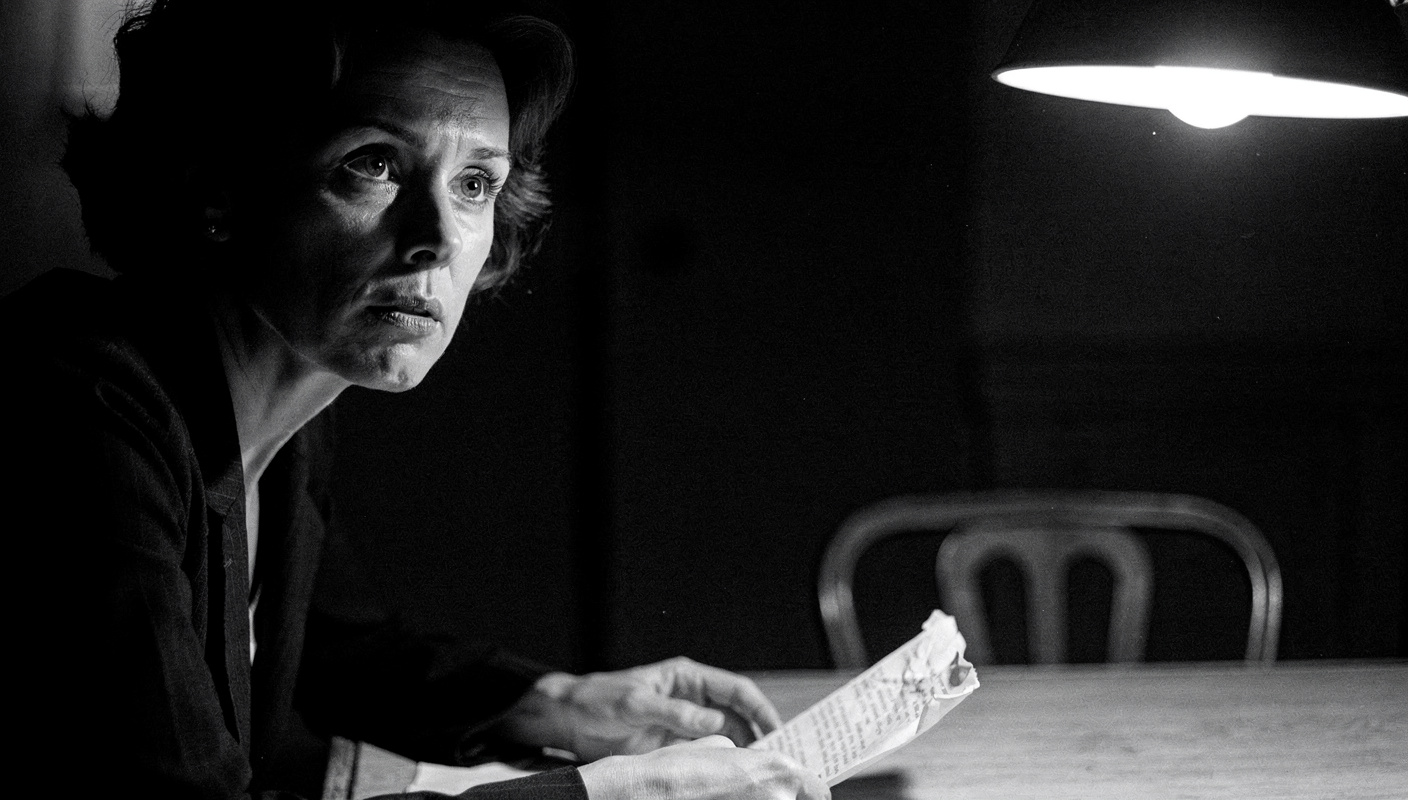
There is a pattern I have seen in meeting rooms across four decades of working with people communicating across languages. A perfectly capable professional begins to speak in their second language. Their ideas are clear. Their preparation is solid. But within a sentence or two, their eyes drift away, somewhere toward the floor or the middle distance, and they do not come back until the sentence is finished. The listener, without realising it, starts to trust them a little less. The speaker, without understanding why, feels like they have failed.
Eye contact cognitive load is at the heart of this. Not shyness. Not dishonesty. Not poor social skills. The breakdown happens in the brain, well before it reaches the face. If you want to fix it, you have to understand what is actually happening underneath.
What the Brain Is Actually Managing When You Speak a Second Language
Speaking your first language uses very little conscious effort. Your brain retrieves words, monitors grammar, and reads the room more or less automatically. Those processes run in the background while you stay present with the person in front of you.
In a second language, none of that is automatic. Every sentence requires your working memory to translate an idea, search for the right vocabulary, check grammatical structure, monitor pronunciation, and adjust tone, all at once. That is a remarkable amount of simultaneous processing for a single cognitive system to carry.
Here is where eye contact enters the picture. Holding direct gaze with another person is not a passive act. Your brain is continuously reading their facial expressions, interpreting their reactions, and adjusting what you are saying based on what you see. That is additional incoming information arriving at exactly the moment your working memory is already full.
Something has to give. And what gives is almost always the gaze. Your brain averts your eyes not because you are nervous, but because reducing visual input is the fastest way it knows to free up processing space. The eyes go dark so the words can keep coming.
This is why eye contact cognitive load is not a social problem. It is a resource allocation problem. Understanding that distinction changes how you approach the repair.
"The Conversation You're Avoiding Is the One You Need to Have."
"The Conversation You're Avoiding
Is the One You Need to Have."
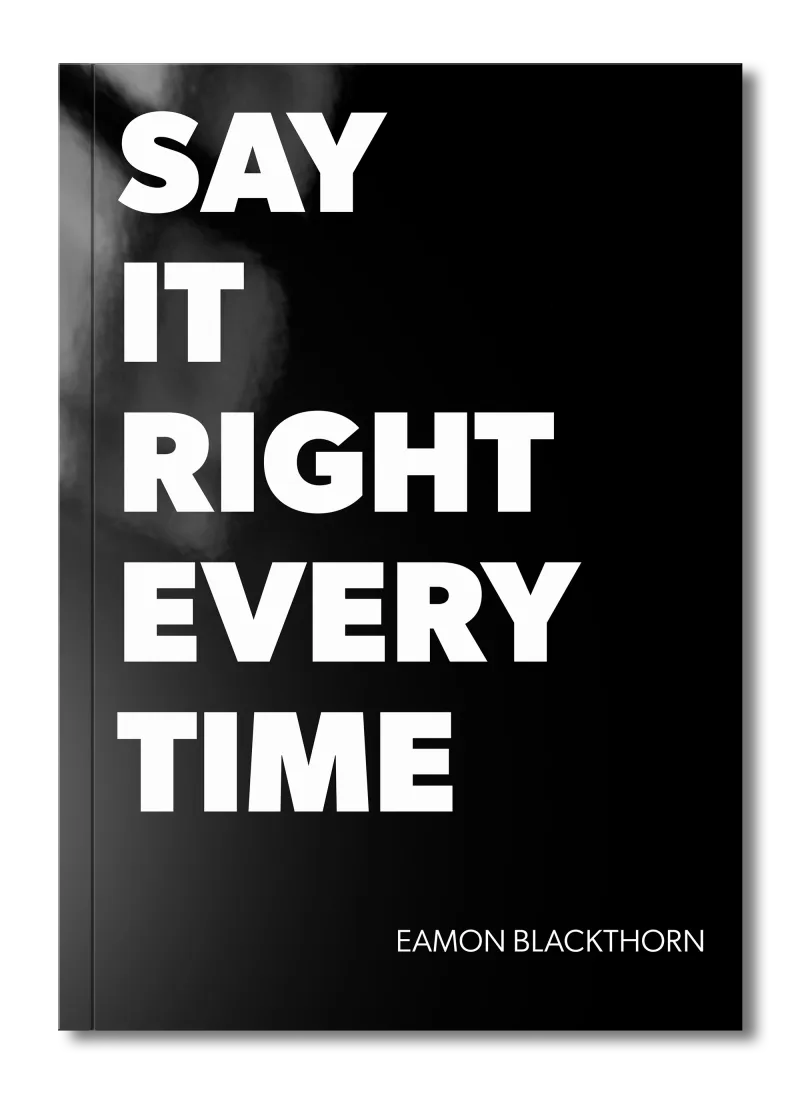
Stop rehearsing conversations you'll never have. Say It Right Every Time gives you 115 word-for-word scripts and 16 proven frameworks to speak with confidence in every conversation that matters.
Why Listeners Misread What They See
The person watching you does not see a brain under strain. They see someone who will not look at them.
Most listeners have absorbed, consciously or not, the cultural assumption that good eye contact signals honesty, competence, and presence. When your gaze drifts away mid-sentence, they register that drift as disengagement or uncertainty. In high-stakes situations like presentations, negotiations, or tense discussions, this misreading can quietly cost you credibility before you have finished speaking.
This is the painful irony for second-language speakers. The harder you are working, the less it looks like it. Your cognitive effort is invisible. Your gaze aversion is not.
I have watched this play out at every level, from entry-level professionals to senior managers. A person whose first-language counterpart would be considered sharp and well-prepared is perceived as hesitant simply because their eyes drifted at the wrong moment. That perception is unfair. It is also real, and worth taking seriously. Nonverbal communication in tense situations carries extra weight precisely because listeners are already primed to read the smallest signals as information.
The Three Moments Where Eye Contact Breaks Down Most Visibly
Understanding the mechanism is one thing. Seeing exactly where it collapses in real conversations helps you know where to direct your practice.
The word retrieval gap. You are mid-sentence and the word you need in your second language does not come immediately. Your eyes drop. You find the word, you deliver it, and you look up again. This is the most common pattern and the most forgivable in low-stakes settings. In formal ones, it reads as fragility.
The grammatical correction moment. You hear yourself construct a sentence and sense, mid-delivery, that the grammar is wrong. You pause internally to self-correct. That inward focus pulls your gaze with it. The listener notices a flicker of something and often cannot name what it was.
The beginning of a complex idea. You know what you want to say, but the second-language scaffolding for a nuanced point does not come pre-assembled. The moment of constructing that scaffolding in real time is the highest cognitive load moment of any exchange, and it almost always pulls the eyes away first.
In meetings where every participant needs to be heard, second-language speakers carry an added burden. They are processing more, contributing visibly less, and often misread as disengaged when they are in fact working harder than anyone else in the room.
Eye Contact Cognitive Load: A Practical Method for Managing the Gap
The good news is that you do not need to solve this by becoming perfectly fluent before you can hold a gaze. The method I have used with people over many years is simpler than that, and it works precisely because it works with the brain's limits rather than against them.
Separate the looking from the processing. Most second-language speakers try to maintain eye contact throughout, which means they are fighting the brain's natural resource-saving reflex. Instead, build a deliberate rhythm: hold eye contact for three to four seconds while speaking, then shift your gaze briefly to a neutral point, such as your notes, the table, or a point slightly to the side, while you retrieve your next thought, then return your eyes to the listener as you begin to deliver again.
This looks nothing like nervous gaze aversion. A calm, deliberate shift downward or sideways reads to the listener as a thinking pause. It signals confidence, not avoidance. Contrast that with a darting, uncontrolled drift, which does the opposite.
Use the pause as a tool. A confident pause with a brief gaze shift is one of the most powerful signals in spoken communication. It tells the listener that what comes next matters. It gives you a moment to retrieve language without the visual input of their face competing for your attention. It is not a weakness; it is a method.
Anchor your return. The moment you begin your next sentence, bring your eyes back. This is the practice point that matters most. The return of gaze, timed to the delivery of content, is what the listener reads as presence and credibility. It signals: I have my thought, and I am bringing it directly to you.
In meetings where dominant voices can crowd out careful speakers, this gaze return is also a claiming signal. It holds the floor and communicates readiness in a way that words alone cannot.
Why Practising This Separately from Language Study Matters
Most people treat eye contact as a byproduct of fluency. They assume that when their language improves, their gaze will sort itself out. Sometimes it does. Often it does not, because the habit of gaze aversion becomes ingrained long before fluency arrives.
The more direct method is to practise eye contact as its own skill, in low-cognitive-load conversations first. Choose situations where the subject is easy, familiar, and low-stakes. In those conversations, deliberately practise the rhythm of holding, shifting, and returning your gaze. When the language processing demands are light, you can give more attention to the gaze pattern itself, which lets it become habitual.
As the habit takes root, it begins to compete less with your language processing. It moves from conscious effort toward something closer to automatic. That is the goal: not perfect, sustained eye contact throughout every sentence, but a consistent, natural rhythm that your listener reads as engaged and trustworthy.
The role communication plays in meeting success depends heavily on these small nonverbal signals. And the strength you build in low-stakes practice is what holds up when the stakes are high.
When the Pressure Rises: Conflict, Tension, and the Second-Language Gaze
There is one situation where eye contact cognitive load becomes especially acute, and that is when the conversation itself is difficult. Conflict, disagreement, and confrontation all add emotional processing to the existing linguistic processing. Your working memory is now handling language retrieval, grammar monitoring, emotional regulation, and interpersonal tension at the same time.
In those moments, gaze aversion becomes almost involuntary. And in those exact moments, it is most likely to be misread. A listener who is already feeling friction with you will read your averted eyes as confirmation of whatever they already suspect, evasion, guilt, indifference.
This does not mean you need to force sustained eye contact during conflict. It means you need to be especially deliberate about the return. When tension rises in a discussion, your eyes drifting away briefly is understandable. Bringing them back, calmly and directly, as you deliver your point is what matters. That return communicates that you are present, that you are not retreating, and that you respect the person enough to face them.
For anyone navigating conflict during meetings, or working to de-escalate arguments in a group setting, this principle holds. The gaze return is a signal of courage and steadiness in moments where those qualities are most needed.
When the choice between in-person and digital conversation becomes relevant, the channel you use shapes everything about how nonverbal signals land. In person, your gaze is vivid. On screen, it is complicated by the camera position, which is worth understanding separately.
Giving Yourself the Right to Take Time
Here is the truth of it. You are doing something hard. Speaking a second language in professional settings, under time pressure, in front of colleagues who do not fully understand what that effort costs, is genuinely demanding. The fact that your eyes drift when your brain is stretched is not a character flaw. It is evidence of real cognitive work happening in real time.
But listeners do not see that automatically. You have to help them see it, not by explaining yourself, but by managing the signals your face and eyes send. The pause, the deliberate shift, the confident return of gaze: these are the tools that translate your internal effort into external credibility.
This much I know for certain. When second-language speakers understand that eye contact cognitive load is a brain architecture problem, not a confidence problem, something shifts in how they approach it. They stop trying to force sustained gaze and start building a rhythm instead. And rhythm, practised with patience and repeated in real conversations, becomes the foundation of the trust their words alone cannot yet fully carry.
Frequently Asked Questions (FAQ)
What is eye contact cognitive load?
Eye contact cognitive load refers to the mental strain that occurs when holding another person's gaze competes with the mental effort of speaking, particularly in a second language. When the brain has too much to process at once, gaze is one of the first things it sacrifices.
Why do second language speakers avoid eye contact during conversation?
Second language speakers often avoid eye contact because their working memory is fully occupied with translating, choosing vocabulary, monitoring grammar, and controlling pronunciation. Holding a gaze on top of all that tips the brain into overload, so it instinctively looks away to reduce input.
Does avoiding eye contact make you seem less credible?
To listeners who do not understand cognitive overload, yes. Listeners often read gaze aversion as dishonesty, disinterest, or low confidence. This is an unfair but real perception, which is why learning to manage eye contact during language processing matters for professional credibility.
How can you maintain eye contact when speaking a second language?
Use deliberate gaze anchoring: hold eye contact for three to four seconds, then shift to a neutral point while you process your next thought, then return. This looks natural to the listener and gives your working memory the brief relief it needs to function well.
How does pausing help with eye contact in a second language?
A confident pause, accompanied by brief gaze aversion downward or to the side, signals to the listener that you are thinking, not struggling. It separates the processing moment from the speaking moment, which lets you re-establish eye contact when you are ready to deliver your next sentence.
Can you practise eye contact separately from language fluency?
Yes, and this is one of the most effective methods. Practise holding eye contact in low-stakes conversations in your second language, where the content is easy. As gaze becomes habitual, it demands less conscious effort and competes less with your language processing.