
In Short
Toxic traits in the workplace rarely feel urgent until the damage is already expensive to repair.
- Good performers quietly disengage long before they resign.
- Behaviour that gets excused once becomes the new baseline.
- The conversation you avoid today costs far more than the one you have now.
Toxic traits workplace patterns are persistent, corrosive behaviours that erode trust, morale, and psychological safety over time. Unlike isolated conflict, they recur consistently, target others deliberately or habitually, and cause compounding harm to individuals and team culture if left unaddressed.
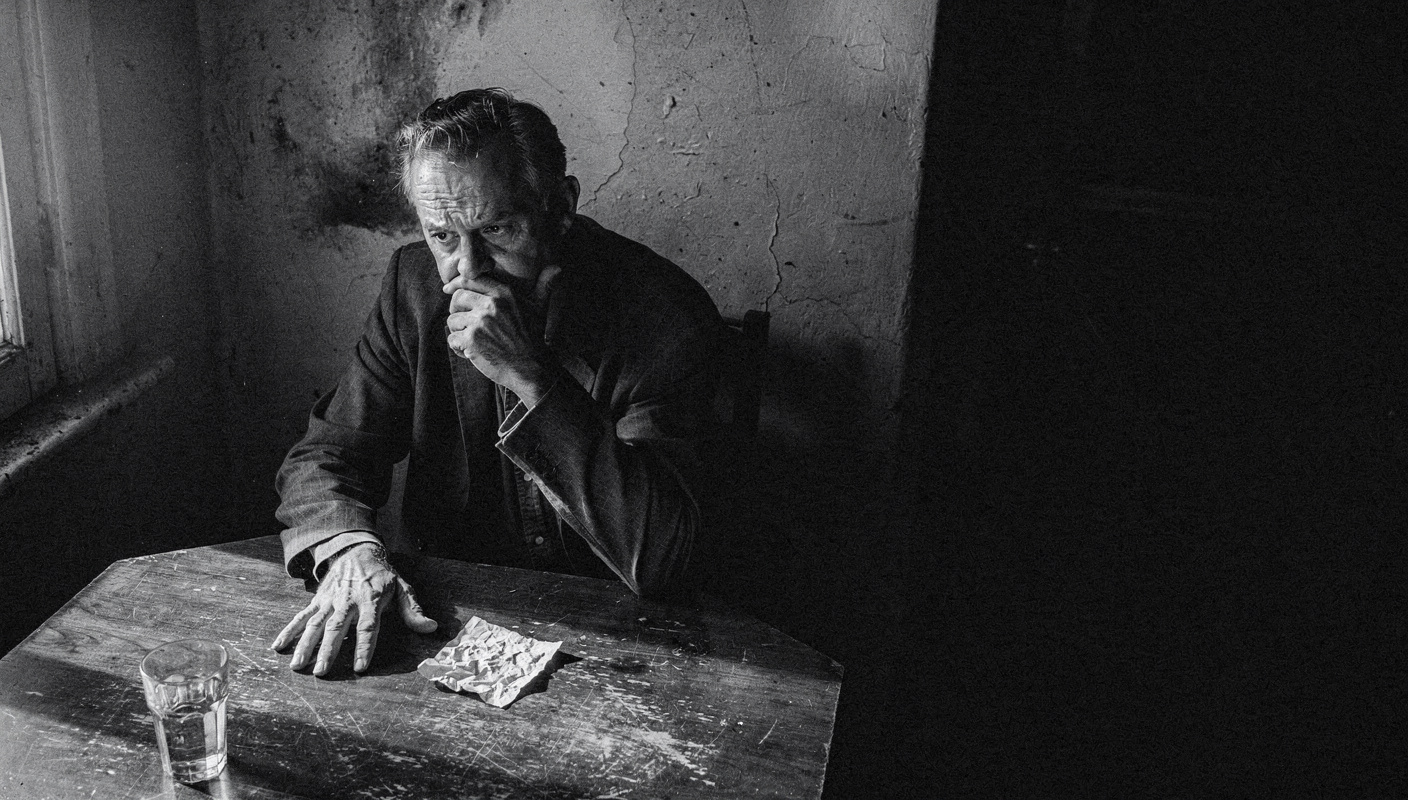
A manager I knew spent eighteen months explaining away a colleague's behaviour. "He's under pressure." "She doesn't mean it that way." "It will settle down once the project ends." It never settled down. By the time he finally named what was happening, three of his best people had transferred out and one had left the organisation entirely. The toxic traits had been visible early. The willingness to see them clearly had not.
This is not a rare story. It is one of the most common patterns I have encountered across six decades of working with teams, managers, and organisations of every shape. Destructive behavioural patterns are easy to rationalise, especially when they arrive gradually and the person displaying them has genuine strengths. But the cost of watching and waiting is almost always greater than the cost of addressing them directly and early.
Here is what this article will give you: the specific signs that toxic traits are taking hold, the single root cause that drives most of them, a diagnostic tool you can use today, and the first concrete move you need to make.
Why Toxic Behaviour Is So Easy to Excuse at First
Toxic traits rarely arrive as fully formed monsters. They arrive as personality quirks, as stress responses, as "just the way he is." The behaviour that will eventually hollow out your team starts small enough to dismiss.
Part of the problem is contrast. If someone is brilliant at their job or charming with clients, the corrosive side of their behaviour gets filtered through that lens. You see their value and minimise the damage. The two things feel like they belong together, as if the difficult behaviour is the price of the talent.
There is also the social cost of naming it. Saying "this person's behaviour is toxic" feels like an accusation, a declaration of war, or an admission that you have failed to manage the situation well. So you wait. You hope. You manage around it instead of addressing it directly. And the behaviour, untouched, grows roots.
"The Conversation You're Avoiding Is the One You Need to Have."
"The Conversation You're Avoiding
Is the One You Need to Have."
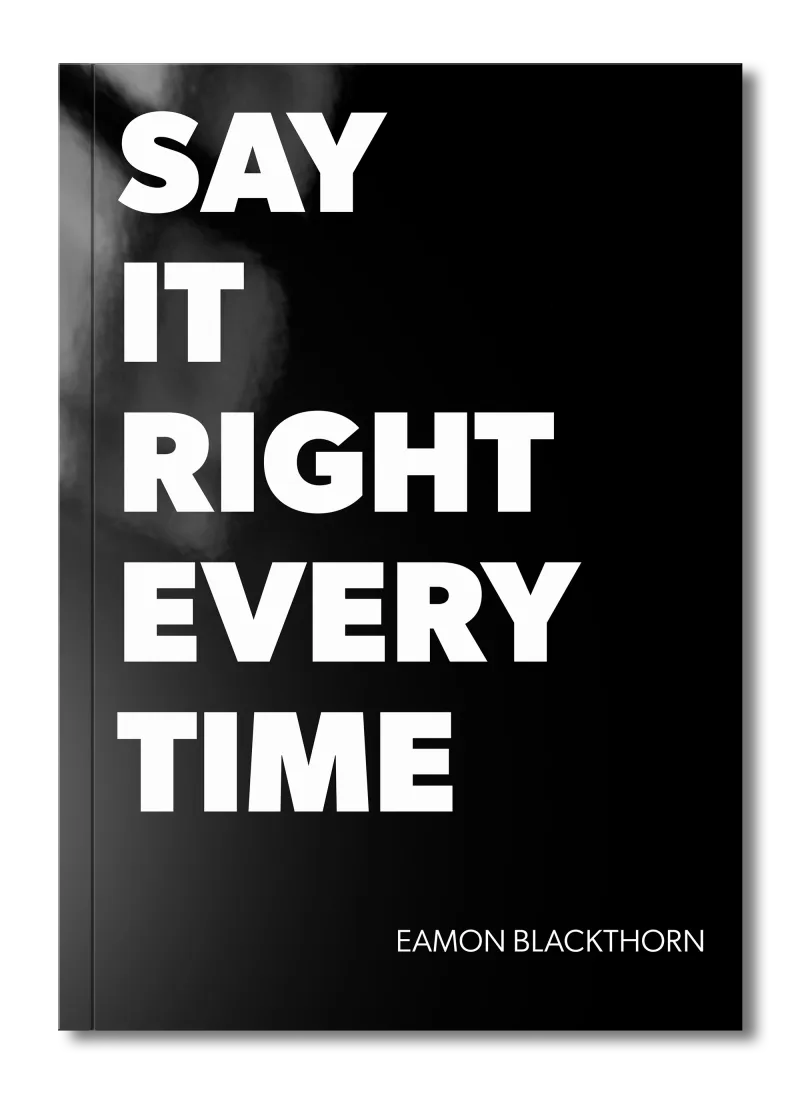
Stop rehearsing conversations you'll never have. Say It Right Every Time gives you 115 word-for-word scripts and 16 proven frameworks to speak with confidence in every conversation that matters.
Six Signs That Toxic Traits Are Already Taking Hold
Conversations About the Person Replace Conversations With the Person
What it looks like: Team members talk about a colleague's behaviour in private but never raise it directly with that person or with you. Hallway conversations, messages after meetings, quiet venting sessions.
Why it happens: When people believe that raising a concern directly will make things worse, they find indirect release valves. They are not being cowardly; they have made a reasonable calculation about risk.
Why it matters: This pattern is a reliable signal that psychological safety has already been damaged. The issue is not the private conversations; those are a symptom. The issue is the behaviour that makes direct honesty feel dangerous. You can find practical scripts for these moments in Scripts for Addressing Team Members Who Are Undermining Group Synergy.
What to do: Ask the team directly, in a one-to-one setting, whether there is anything they feel they cannot raise openly. Then listen to what they do not say as much as what they do.
I have sat in those hallway conversations myself. The relief people feel when someone finally names the pattern out loud tells you everything about how long they have been carrying it.
Credit Gets Claimed and Blame Gets Distributed
What it looks like: The person takes visible credit for shared successes and consistently positions failures as caused by external factors or other people's shortcomings.
Why it happens: Blame shifting is a self-protection strategy, often rooted in a deep fear of being seen as incompetent or inadequate. It is not always conscious.
Why it matters: Over time, this corrodes the team's willingness to take risks or be honest about mistakes. When accountability only flows downward, people learn to protect themselves the same way. The culture of blame spreads. If you are seeing blame cycles intensify, How to Use 'I' Statements in Team Conversations to Prevent Synergy-Breaking Blame Cycles gives you a concrete framework for breaking them.
What to do: Start documenting specific instances. Do not rely on general impressions. One clear example is worth more than a dozen vague concerns when you sit down to address it.
When someone always lands on their feet while everyone around them absorbs the impact, it is not luck. It is a pattern. And patterns respond to being named.
Meetings Get Quieter Every Week
What it looks like: Contributions drop. People who once challenged ideas now nod along. Questions become rarer. The room feels cautious.
Why it happens: When one person consistently dismisses, interrupts, or subtly ridicules contributions, others learn that speaking costs more than staying silent. The withdrawal is rational. It is also devastating.
Why it matters: This is one of the most counterintuitive signs on this list, because a quieter meeting can look like respect or efficiency. It rarely is. It is usually fear wearing the mask of professionalism. The connection between emotional safety and team performance is direct and measurable. Understanding what happens neurologically in these moments is illuminating: What Is the Amygdala Hijack and How It Silently Blocks Team Synergy in High-Pressure Moments explains why people shut down under pressure.
What to do: Notice who has stopped contributing and find a private moment to ask them directly: "I noticed you haven't been as vocal in our last few sessions. Is there something in the room that's making that harder?"
Helpfulness That Leaves People Feeling Smaller
What it looks like: The person offers help, feedback, or advice in ways that consistently undermine the recipient's confidence rather than building it. Corrections in front of others. "Assistance" that takes over rather than supports.
Why it happens: This is the genuinely counterintuitive one. Behaviour that looks generous on the surface can be one of the most corrosive toxic traits in a team. The person may believe they are helping. What they are doing is establishing dominance through a socially acceptable cover.
Why it matters: It is very difficult to address because the person can always say, "I was just trying to help." Victims of this pattern often doubt their own perception. They feel diminished but cannot point to anything obviously wrong. This is precisely why it must be named specifically and early.
What to do: Look at the pattern across interactions. Ask yourself whether the people this person "helps" tend to grow more capable or more dependent. That distinction tells you what you are actually dealing with.
After decades of watching this, I can tell you: real help builds the other person's strength. Anything else is about something different entirely.
Passive Resistance Dressed as Agreement
What it looks like: The person agrees in the meeting and then works against the decision outside it. Delays, omissions, quiet contradictions with other team members, and tasks done half-heartedly enough to fail without obvious blame.
Why it happens: Passive-aggressive behaviour is almost always the result of unexpressed anger or unmet needs combined with an inability or unwillingness to raise conflict directly. It is a form of protest conducted through inaction. How to Address Passive-Aggressive Behavior That's Silently Eroding Team Synergy is worth reading alongside this section.
Why it matters: This behaviour is particularly damaging because it creates the appearance of a functioning team while actively sabotaging it. You cannot fix what you cannot see clearly. By the time the pattern is obvious, considerable damage has been done.
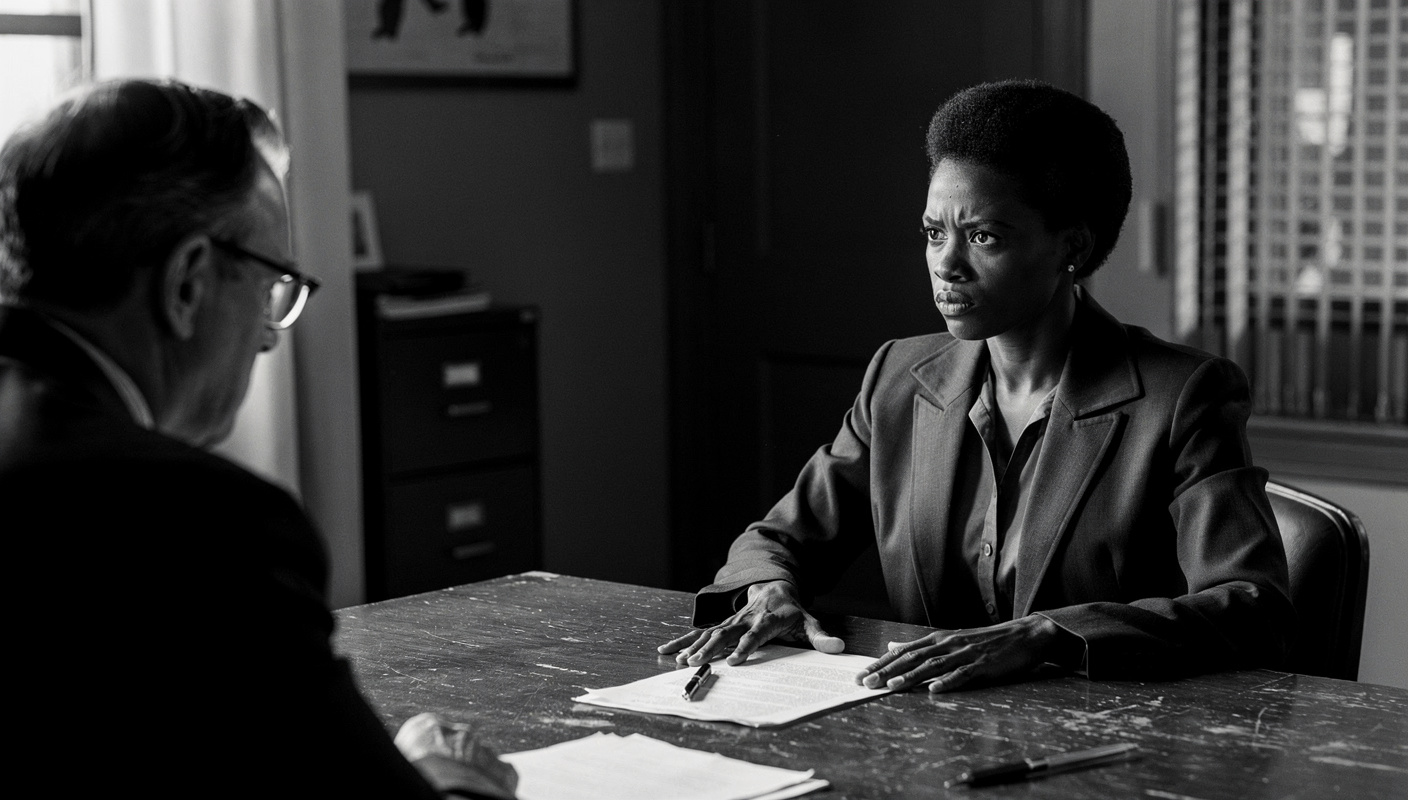
What to do: Address the gap between stated agreement and subsequent action directly. "You agreed to this approach on Tuesday. Since then I have noticed X. Help me understand what happened between those two moments."
Isolation of Specific Team Members
What it looks like: One person is consistently left out of conversations, excluded from social moments, talked over, or subtly othered by the group. The exclusion often has an author, even if it feels diffuse.
Why it happens: Exclusion is a power tool. It can be used to punish deviation from the group norm, to neutralise a perceived threat, or to assert dominance without visible confrontation.
Why it matters: The isolated person suffers directly. But the broader team also learns what happens to people who step out of line. The cost is culture-wide. Scripts for Telling a Team Member Their Behavior Is Isolating Them From the Group gives you the exact language to open this conversation.
What to do: Name the isolation specifically. "I have noticed that you are not included in certain conversations that others are part of. I want to understand that and address it."
The Single Root Cause Behind Most of These Signs
Each of the signs above can feel like a separate problem. They rarely are. Here is the truth of it: most toxic traits in the workplace have a common engine, and that engine is normalisation through silence.
The first time a behaviour occurs, it is uncomfortable. The second time, it is familiar. By the fifth time, it is simply "how things are here." Nobody decided to accept it. They just stopped challenging it, one small accommodation at a time.
Toxic traits do not survive because people approve of them. They survive because the accumulated cost of addressing them feels greater than the accumulated cost of tolerating them. That calculation is almost always wrong, but it feels correct in the moment. How Unmet Needs Drive Team Conflict and What to Say to Restore Synergy explores the underlying drivers that make this normalisation so persistent.
When normalisation breaks down and conflict finally erupts, the damage can feel irreversible. How to Recover Team Synergy After a Conversation Goes Catastrophically Wrong is a resource worth having ready for that moment.
Your Diagnostic Checklist: What Are You Actually Seeing?
Read each statement. Mark it yes or no based on what you observe in your team right now.
- People talk about a colleague's behaviour in private but not directly with that person.
- Credit and accountability are distributed unevenly by the same individual, consistently.
- Meeting contributions have noticeably decreased over the past few months.
- Someone regularly offers help or feedback that leaves the recipient visibly diminished.
- A team member agrees in meetings but consistently acts against those agreements afterward.
- One person on the team appears to be excluded from conversations or social moments.
- You have excused or explained the same behaviour from the same person more than three times.
Scoring:
- 0 to 1 yes: No clear pattern yet. Stay observant and address any single behaviour early if it recurs.
- 2 to 3 yes: Early signs of a toxic trait pattern are present. This is the right moment to act. One direct, specific conversation now costs far less than six months of compound damage.
- 4 or more yes: The pattern is established. Normalisation has taken hold. You need a clear plan for addressing it, and you need to begin this week, not next quarter.
The First Move: Name the Behaviour, Not the Person
The most common mistake when addressing toxic traits is waiting until you can build a conclusive case. You do not need a file of evidence. You need one clear, specific, observable example.
Prepare what you are going to say before you say it. Describe the behaviour: what you saw, when you saw it, and what its effect was on the team or the individual affected. Do not characterise the person. Do not use the word "toxic" in the conversation itself. Stay with the facts of the behaviour.
Then make a direct, clear request: "I need this to change, and here is what change looks like specifically." That is the frame. That is where you begin. Everything else follows from the courage to take that first step.
You will not resolve toxic traits workplace damage in a single conversation. But you will establish that the behaviour is visible, that it has consequences, and that you are willing to act. That is far more powerful than silence.
Frequently Asked Questions (FAQ)
What are toxic traits in the workplace?
Toxic traits in the workplace are persistent behavioural patterns that damage trust, morale, and performance over time. They include chronic blame shifting, subtle undermining, and manipulation. Unlike occasional bad days, toxic traits are consistent, targeted, and corrosive to the people around them.
Why are toxic traits so hard to spot early?
Toxic traits are hard to spot early because they mimic normal behaviour at first. Criticism sounds like helpfulness, withdrawal looks like professionalism, and dominance passes for confidence. The damage builds slowly, which is why most people only recognise toxic traits workplace damage after it has already spread.
How do you address toxic traits without making things worse?
Start with one specific, observable behaviour rather than labelling the person. Describe what you saw, explain its impact, and make a clear request for change. Preparing a script before the conversation helps you stay direct and calm under pressure without escalating.
Can toxic traits change if you address them early enough?
Yes. Addressed early, many toxic behavioural patterns can shift, especially when the person receives clear, consistent feedback and understands the real consequences of their behaviour. Waiting until the damage is entrenched makes change far harder and sometimes impossible.
What is the difference between a difficult person and someone with toxic traits?
A difficult person creates friction occasionally, often under pressure or stress. Someone displaying toxic traits does so consistently, targeting others, eroding trust deliberately or habitually. The key difference is pattern and impact: toxic traits cause ongoing, measurable harm to individuals and team culture.
How do toxic traits affect team performance?
Toxic traits erode psychological safety, which means people stop contributing honestly, taking risks, or raising problems early. Over time, high performers disengage or leave. Collaboration breaks down. The team loses the candour and trust that performance depends on, often without knowing exactly why.