
In Short
Fear, not ignorance, is why toxic traits go unaddressed. The conversation pre-mortem turns vague dread into a specific, workable plan by forcing you to name your worst fears, test whether they are realistic, and prepare a response before the conversation begins.
- It replaces anticipatory anxiety with concrete preparation.
- It gives you language ready for the moments that typically derail you.
- It makes starting the conversation the easiest part of the process.
A conversation pre-mortem is a structured preparation method where you identify the worst-case outcomes of a difficult conversation before it takes place, assess the likelihood of each, and build a specific response plan. It converts fear into readiness.
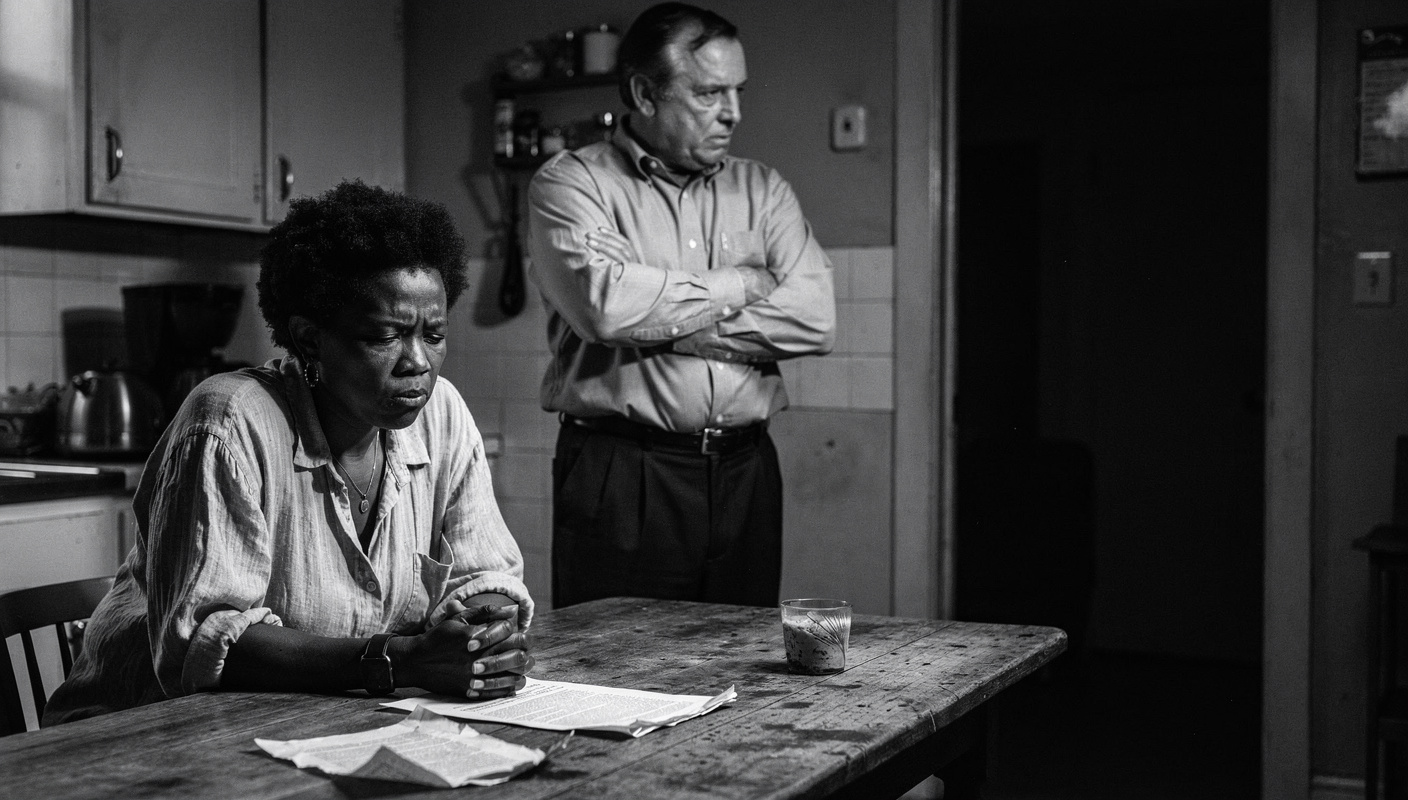
A manager I worked with spent eleven months tolerating a colleague who consistently undermined her in meetings, took credit for shared work, and dismissed her contributions in front of the team. She knew the behavior was damaging. She knew it needed to stop. But every time she planned to raise it, she imagined the conversation exploding, the colleague turning it around on her, or HR getting involved. So she waited. And the toxic traits deepened into something far harder to address.
The problem was never that she lacked courage. The problem was that she had no plan. Fear grows in a vacuum. When you cannot see past the worst-case scenario, the worst-case scenario is all you see. The conversation pre-mortem changes that. It is a preparation method drawn from the same logic surgeons use before a difficult operation: imagine what could go wrong, then prepare for it before it happens. This article will walk you through the exact steps.
Why Fear Keeps Toxic Traits in Place Longer Than They Should Be
Toxic traits, by definition, do not stay still. Chronic dismissiveness, persistent blame-shifting, subtle manipulation, constant negativity: these behaviors compound. Each week you allow them to continue is a week they become more normal, more entrenched, and harder to name without sounding dramatic.
You probably already know this. You have watched the dynamic get worse. The reason you have not acted is not laziness or weakness. It is that your brain has run the conversation a dozen times in imagination, and every version ends badly. That imagined failure feels more real than it is. The anticipation of conflict activates the same fear response as the conflict itself.
Avoiding difficult conversations does not protect the relationship; it quietly destroys it. And when the subject is toxic traits, the cost compounds silently. Understanding why this happens is worth a moment of honesty: the fear is not irrational. Confronting toxic behavior in another person is genuinely risky. They may react badly. They may deny everything. They may retaliate. The pre-mortem does not pretend those risks are not real. It helps you prepare for them so the risk no longer paralyzes you.
"The Conversation You're Avoiding Is the One You Need to Have."
"The Conversation You're Avoiding
Is the One You Need to Have."
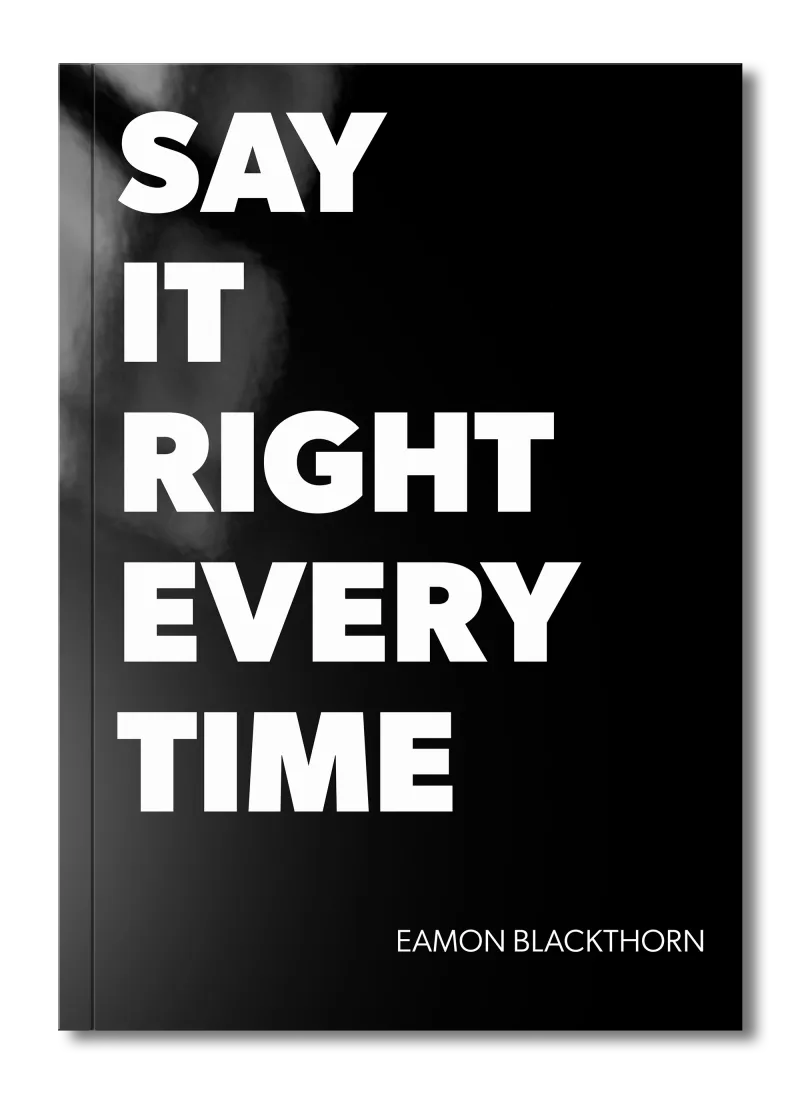
Stop rehearsing conversations you'll never have. Say It Right Every Time gives you 115 word-for-word scripts and 16 proven frameworks to speak with confidence in every conversation that matters.
What You Need to Settle Before You Begin
Before you run a pre-mortem on any conversation about toxic traits, two things must be clear.
First, you need to know exactly what behavior you are addressing. Not a general impression, not a feeling, but a specific, observable pattern. "You are toxic" is not a conversation you can have. "In our last three team meetings, you interrupted me mid-sentence and then presented the same point as your own" is. The conversation pre-mortem only works when the behavior is concrete enough to describe without judgment.
Second, you need to be honest about your own intention. If you are preparing to release months of resentment, the pre-mortem will not save you. If your genuine intention is to change the behavior and preserve a functional working relationship, the process will serve you well. That distinction matters because addressing toxic traits with blame rather than behavior is one of the most common ways these conversations collapse.
The Conversation Pre-Mortem: Six Steps That Replace Dread with Readiness
Step 1: Name the toxic trait in one clear sentence
Write it down. Not a paragraph, not a list of grievances. One sentence that describes the specific, recurring behavior. "In team settings, she assigns blame to others when a project misses its target, including projects she led."
This single sentence becomes the anchor for everything that follows. If you cannot write it in one sentence, you are not yet clear enough on what you are addressing. Do not proceed until you can.
Step 2: List every outcome you are afraid of
Write down every fear connected to having this conversation. Do not filter them for reasonableness. Write them all: they will get defensive, they will cry, they will go to HR, they will turn the team against you, they will deny it entirely and make you look paranoid.
This step matters because unnamed fears have disproportionate power. Putting them on paper shrinks them to their actual size. Most people find that once written, the fears fall into two categories: things that are genuinely possible, and things that are extremely unlikely. That distinction is the beginning of the pre-mortem.
Step 3: Assess each fear honestly
Go through your list and score each fear on two dimensions. How likely is this to happen, on a scale from one to ten? And if it does happen, how damaging is it really, on the same scale?
Most fears that feel catastrophic are either low likelihood or survivable in reality. The colleague who might go to HR: is that actually likely given the specific behavior you are raising? The denial that makes you look paranoid: have you documented enough to counter it? This step replaces emotional reasoning with clear thinking. It will not eliminate your nerves, but it will give you ground to stand on.
Step 4: Build a response plan for your top two or three fears
This is the core of the conversation pre-mortem. Take your two or three most realistic fears and write a brief response for each. Keep it simple. What will you say if they deny it happened? What will you do if they become aggressive? What is your next move if they deflect and make it about your behavior?
For example, if the fear is that they deny the behavior entirely, your prepared response might be: "I understand this may not be how you experienced it. What I know is that I have noticed this pattern on three specific occasions, and I would like us to address it together." You are not scripting the whole conversation. You are building handholds for the moments that typically send these conversations sideways. I cover this preparation approach in detail in Say It Right Every Time, which lays out the full Conversation Pre-Mortem process alongside response scripts you can adapt for exactly these moments.
Step 5: Write your opening two sentences
The hardest moment in any conversation about toxic traits is the first thirty seconds. People stall at the beginning and either over-apologize or overcorrect into aggression. Your opening two sentences should do three things: state the purpose of the conversation, name the behavior specifically, and signal your intention clearly.
A working example: "I want to talk about something I have noticed over the last few months, because it is affecting how well we work together. Specifically, I have noticed a pattern where accountability for missed targets tends to land on others rather than being shared, and I want to address that directly."
That is plain, direct, and respectful. It does not accuse. It opens the door. Practise saying it aloud until it feels natural, not performed.
Step 6: Decide your minimum acceptable outcome
Before you walk into the conversation, know what you are willing to accept as a result. Not what you hope for. What is the minimum: an acknowledgment that the behavior occurred, a commitment to change a specific action, an agreement to continue the conversation with a mediator?
Knowing your minimum outcome stops you from accepting nothing out of conflict avoidance, and stops you from holding out for a perfect resolution that may not come. It gives the conversation a floor. Anything above that floor is progress.
When the Person Is Senior to You
The pre-mortem process does not change when the person with toxic traits holds more power than you. The steps remain the same. But the risk assessment in Step 3 shifts meaningfully.
When the power imbalance is real, your fear of retaliation is not irrational. It deserves serious consideration. In that context, Step 4 must include a plan for what you do if the conversation results in negative consequences for you. That might mean speaking to HR before raising the issue directly. It might mean having a trusted witness. It might mean framing the conversation as a request for guidance rather than a direct challenge.
Patterns of passive-aggressive behavior from someone senior are particularly hard to name directly because they rarely leave visible evidence. The pre-mortem in that context must focus especially on Step 1: getting the behavior specific enough to be undeniable, not a matter of interpretation.
Three Places People Go Wrong with This Process
The mistake: Spending 80% of the preparation time on worst-case fantasies, never reaching the response plans.
Why it happens: The fear feels urgent, so you keep returning to it rather than moving past it.
What to do instead: Set a time limit on Step 2. You get ten minutes to list the fears. Then you move to Step 3, whether the list feels complete or not.
The mistake: Preparing a script so rigid that any deviation from it causes a complete freeze.
Why it happens: The preparation felt like safety, and safety felt like control.
What to do instead: Prepare your opening and your responses to specific fears. Leave the middle of the conversation open. Your job is to stay present and steer, not to recite.
The mistake: Completing the pre-mortem and then postponing the conversation anyway.
Why it happens: The preparation reduces anxiety enough to feel like action, without actually being action.
What to do instead: At the end of Step 6, set a specific date and time for the conversation. Write it down. The pre-mortem is preparation; the conversation is the work. Conversation avoidance accumulates a hidden cost that compounds far longer than people expect.
Your Pre-Mortem Preparation Checklist
Use this before any conversation where toxic traits are on the agenda.
- I have written the specific toxic behavior in one clear, observable sentence.
- I have listed every fear I have about this conversation without filtering them.
- I have scored each fear on likelihood and actual impact.
- I have written a prepared response for my two or three most realistic fears.
- I have written and practised my opening two sentences aloud.
- I have defined my minimum acceptable outcome from the conversation.
- I have set a specific date, time, and location for the conversation.
- I have chosen the right channel: face to face for serious patterns, never a message or email for the first raising of toxic behavior.
If you can check all eight boxes, you are ready. Not perfect. Ready. That is enough.
For a deeper framework to carry into the room with you, the full S.T.R.O.N.G. Method in Say It Right Every Time extends this preparation into the conversation itself, covering how to state your intention clearly, navigate to solutions, and gain a genuine commitment to change.
How to Start the Conversation Once You Are Ready
Preparation is not the same as starting. The moment before you open your mouth is the moment most people retreat into another week of silence. How you open a difficult conversation about toxic behavior determines how the next ten minutes unfold.
Read your opening two sentences from Step 5 if you need to. There is no shame in that. Your goal in the first minute is simply to say the thing you have been afraid to say, clearly and without apology. The pre-mortem has already given you the ground. Trust it.
If the conversation goes sideways, your prepared responses from Step 4 are waiting. If it goes better than expected, your minimum outcome from Step 6 gives you somewhere to land. Either way, you are no longer navigating by fear. You are navigating by preparation. For situations involving conflicts that have already fractured the working relationship, the D.E.A.L. Method provides a structured path forward once the initial conversation is done.
When the Team Is Watching
Toxic traits rarely affect only one person. In most teams, everyone has noticed the behavior before anyone has named it. That means when you finally address it, you are doing something the team needed someone to do. When toxic traits are undermining collective trust, the conversation pre-mortem still applies, but your minimum acceptable outcome in Step 6 must account for the wider group: not just your own relief, but a genuine shift in how the team functions.
Be careful not to speak for others in the room unless they have explicitly asked you to. Stick to your own experience. Let others bring their own voices if and when they are ready.
Frequently Asked Questions (FAQ)
What is a conversation pre-mortem?
A conversation pre-mortem is a structured preparation method where you map out the worst-case outcomes of a difficult conversation before it happens. You assess how likely each scenario is and build a response plan. It replaces vague dread with specific, actionable preparation.
How does the conversation pre-mortem help with toxic traits?
Toxic traits persist partly because confronting them feels too risky. The conversation pre-mortem forces you to name what you actually fear, evaluate whether those fears are realistic, and prepare a clear response. That preparation reduces the anxiety that keeps you tolerating harmful behavior.
When should I use a conversation pre-mortem before a difficult conversation?
Use it any time fear or dread is causing you to delay a necessary conversation. It is especially useful when the other person has a pattern of toxic traits, when past conversations have gone badly, or when the stakes feel high enough to trigger avoidance.
How long does a conversation pre-mortem take to complete?
For most conversations, the full pre-mortem process takes between 20 and 40 minutes. A complex situation with a long history of toxic behavior may take longer the first time. Once you have used the method a few times, the earlier steps become faster.
Can the conversation pre-mortem backfire if I over-prepare?
Over-preparation becomes a problem only when it turns into a script you refuse to deviate from. The pre-mortem is designed to reduce anxiety and build flexibility, not to give you a rigid plan. Prepare your responses, then stay present and adapt as the conversation moves.
Does the conversation pre-mortem work for remote or written conversations?
Yes. The pre-mortem process applies to any medium. For remote or written conversations, you add one extra step: choose the right channel. Toxic traits carried in writing, such as dismissive emails, require a richer medium than email to address effectively.
Toxic traits do not dissolve on their own. Neither does the fear of confronting them. But fear that has been named, examined, and prepared for loses most of its grip. The conversation pre-mortem will not make you fearless. It will make you ready. And in my experience, readiness is the only thing that ever actually moves a person from the chair to the conversation.