
In Short
Physical expression in communication is the way your body position, movement, and stillness send messages to others, shaping how they receive everything else you say.
- Your postural alignment communicates confidence, openness, or uncertainty before you speak a single word.
- Physical expression is a learnable skill, not a fixed trait.
- Small, deliberate adjustments to how you hold your body can change how others receive your message entirely.
Postural alignment communication is the practice of using the deliberate position and carriage of your body as a form of physical expression, shaping how others perceive your confidence, authority, and openness in any conversation or professional setting.
You walk into a room, say nothing, and someone decides you lack confidence. They cannot tell you why they think that. But they thought it the moment they saw you. I have watched this happen to capable, intelligent people, and it has cost them dearly.
Postural alignment is one of the most misunderstood tools in communication. Most people know their body language matters, but they treat it as an afterthought, something to fix if it goes wrong. What I have learned across sixty years of conversation, negotiation, and leadership is that your physical expression is not decoration on top of your words. It is the foundation beneath them.
In this article, you will understand exactly what postural alignment means as a form of physical expression, why it matters in every professional situation, and what it looks like when it is working. If you are also interested in how emotional awareness shapes the way teams communicate, The Role of Emotional Intelligence in Team Synergy covers that ground directly. Here, we focus on the physical dimension of how you show up.
What Physical Expression Actually Means in Practice
Physical expression is the full system of nonverbal signals your body produces during communication. Postural alignment is the structural core of that system. It refers to how you position your spine, where you place your shoulders, how you distribute your weight, and what your head and chin communicate about your state of mind.
This is not about standing to attention like a soldier. It is about finding a grounded, open position that tells the person across from you: I am present, I am clear, and I mean what I say.
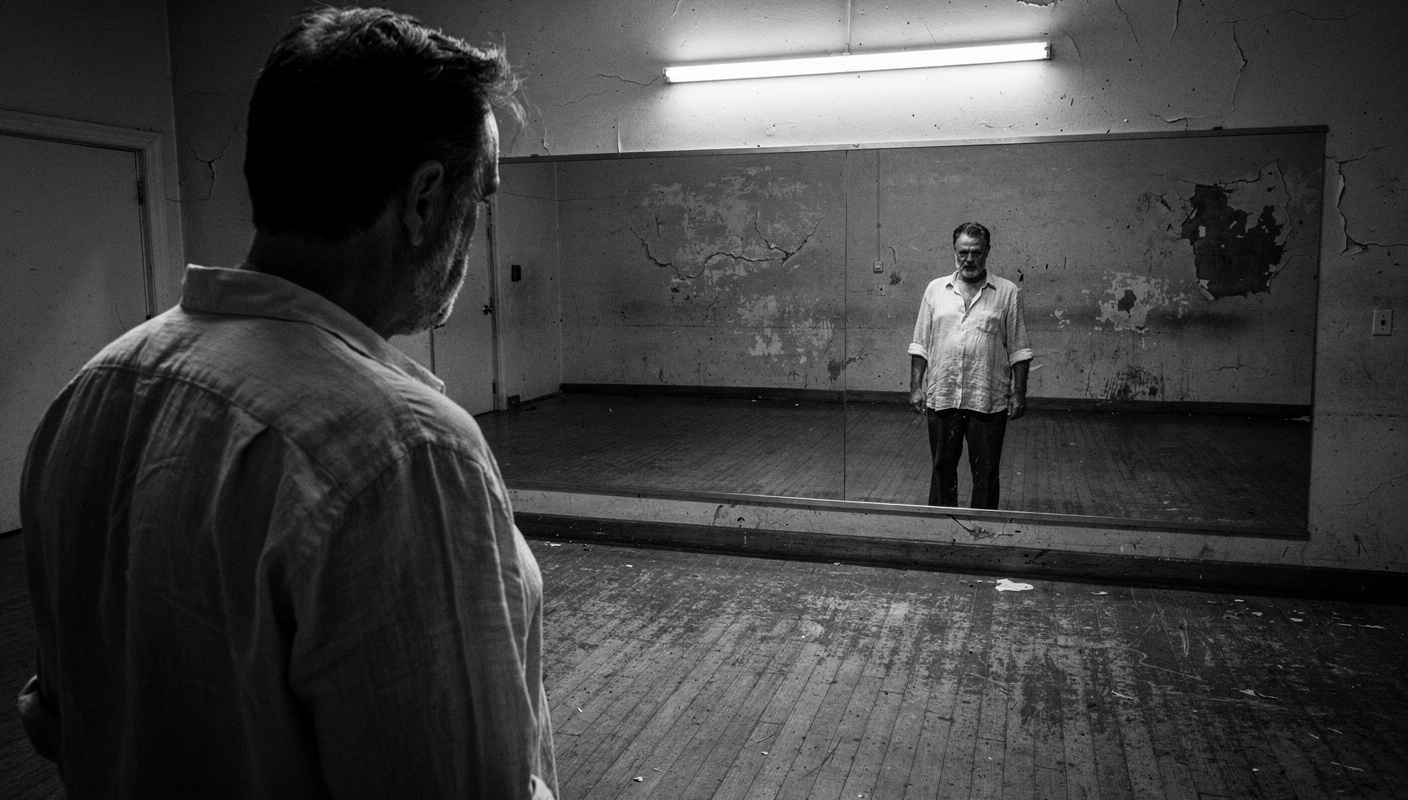
Picture a team leader standing at the front of a room to deliver difficult feedback. Her spine is long, her shoulders sit back without tension, her chin is level, and her weight rests evenly on both feet. She has not said a word yet, but the room has already registered something: this person is steady. Compare that to someone with rounded shoulders, shifting weight from foot to foot, gaze drifting to the floor. Same words, entirely different message.
Physical expression through postural alignment is the body's first statement in any exchange. Learning to control it, rather than leaving it to chance, is one of the most direct ways to strengthen how you communicate. Good communication skills require more than the right words; they require the physical authority to carry those words.
"The Conversation You're Avoiding Is the One You Need to Have."
"The Conversation You're Avoiding
Is the One You Need to Have."
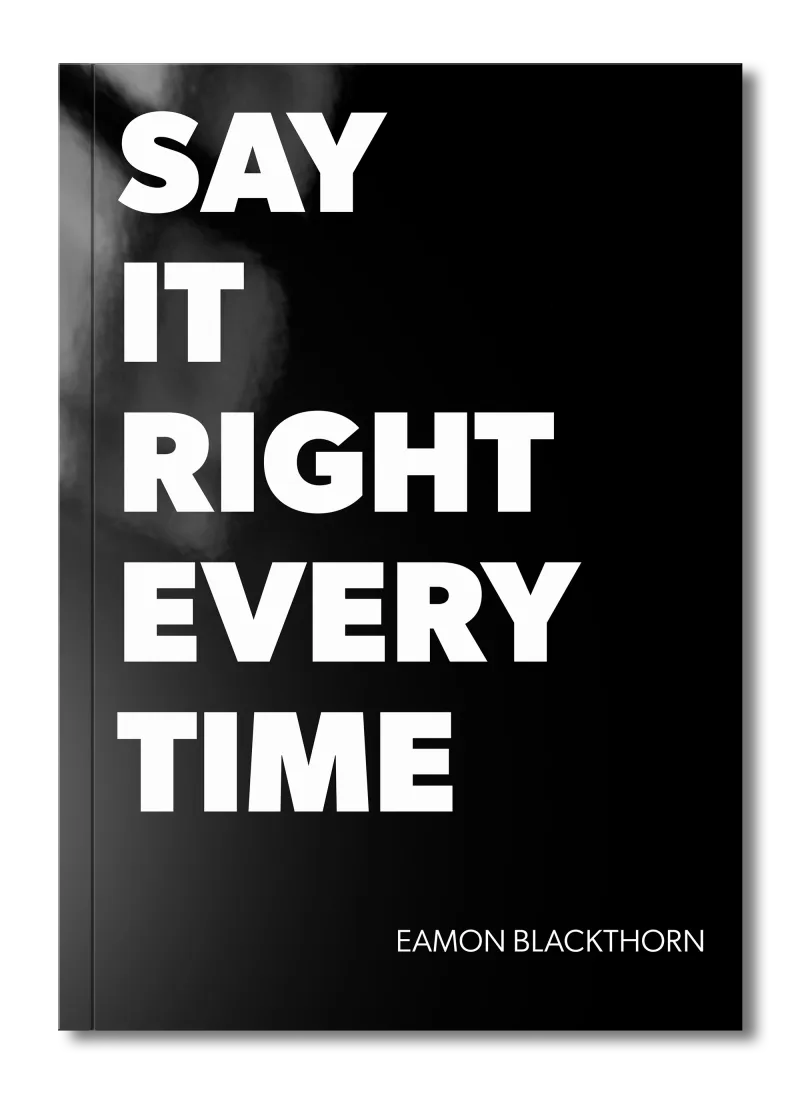
Stop rehearsing conversations you'll never have. Say It Right Every Time gives you 115 word-for-word scripts and 16 proven frameworks to speak with confidence in every conversation that matters.
Why Postural Alignment Matters in Every Conversation
Here is what most people do not realise: your body makes its argument before your mouth opens. The human mind reads physical signals with remarkable speed, and those first impressions are stubborn. What your posture communicates in the opening seconds of a conversation shapes how your words are received for the rest of it.
These are the real stakes of physical expression:
Your credibility arrives before your content. When your postural alignment signals confidence and stillness, people are far more likely to trust what you say next. When your body signals anxiety through closed posture or restless movement, your message is discounted before it lands.
Poor physical expression undermines strong words. You can have the right argument, the right tone, and the right timing, and still lose the room if your body contradicts you. Collapsed shoulders and a lowered chin communicate hesitation even when your words communicate certainty.
Openness in your posture invites openness in others. When you hold an open, grounded physical stance, the person you are speaking with tends to relax. You create the conditions for honest exchange. What Is Psychological Safety and How It Drives Team Synergy explores how environment shapes honest communication; your physical presence is a key part of that environment.
Your physical state affects your internal one. This much I know for certain from six decades of practice: when you take a grounded, aligned stance, your own thinking clears. The body and the mind are not separate systems. What you do with one, you do to the other.
Every interaction you have, every meeting, every feedback conversation, and every moment of communication in a meeting setting is shaped by what your body is already saying. The question is whether you are saying it deliberately.
The Key Characteristics of Strong Physical Expression
You know physical expression through postural alignment is working when you see a person who commands attention without demanding it.
Grounded, stable stance. The feet are hip-width apart, weight distributed evenly, the person neither swaying nor locked rigid. This communicates rootedness. It tells the room that this person is not going anywhere, and will not be easily unsettled.
Open chest and relaxed shoulders. The chest is neither collapsed inward nor thrust out defensively. Shoulders sit back and down, releasing tension rather than holding it. This posture signals that the person is not guarding themselves, which invites the other person to lower their own guard.
Level chin and forward gaze. The head is neither dropped toward the chest nor tilted sharply back. The gaze is forward and direct, without being aggressive. For example, a manager delivering feedback with a level chin reads as honest and fair; the same words with a lowered gaze read as apologetic or insecure.
Deliberate, minimal movement. The person does not pace, shift weight repeatedly, or fidget with their hands. When they gesture, it is intentional and then returns to stillness. This stillness is a form of respect; it tells the other person they have your full, undivided physical presence.
Alignment consistent with words. The body does not contradict the message. When someone says "I am confident in this decision" while hunching their shoulders and looking at the floor, the body wins every time. In strong physical expression, posture and words carry the same signal.
These five characteristics add up to a single quality: congruence. Your body and your message are telling the same story, and that coherence is the foundation of trust.
Common Misconceptions About Physical Expression
Let me clear up three things people consistently get wrong about physical expression through postural alignment.
Misconception: Good posture means standing stiffly or looking rehearsed. The truth: Stiffness is the opposite of grounded alignment. When your posture is rigid and forced, people read it as performance or anxiety, not confidence. Real physical expression is relaxed and still, not braced for inspection. The goal is ease within alignment, not a military stance.
Misconception: Your posture only matters in formal or high-stakes situations. The truth: Physical expression shapes every interaction, not just presentations or difficult conversations. The way you hold yourself while listening to a colleague, sitting in a team meeting, or standing at a coffee machine all register with the people around you. How to Give Feedback That Strengthens Team Synergy Instead of Breaking It makes clear that the conditions of a conversation are set well before any words are exchanged; your physical presence is part of that setup.
Misconception: Physical expression is something you either have or you do not. The truth: Postural alignment is a skill. It can be observed, practised, and changed. I have worked with people who spent decades communicating with closed, collapsed body language and, with deliberate practice, built a completely different physical presence. The body is not fixed. It is a tool, and tools can be mastered with consistent effort.
The short of it: physical expression is not about performance. It is about honesty, clarity, and the courage to show up fully in every conversation you have.
Postural Alignment in Real Situations
Here is what physical expression looks like when it is, and is not, present.
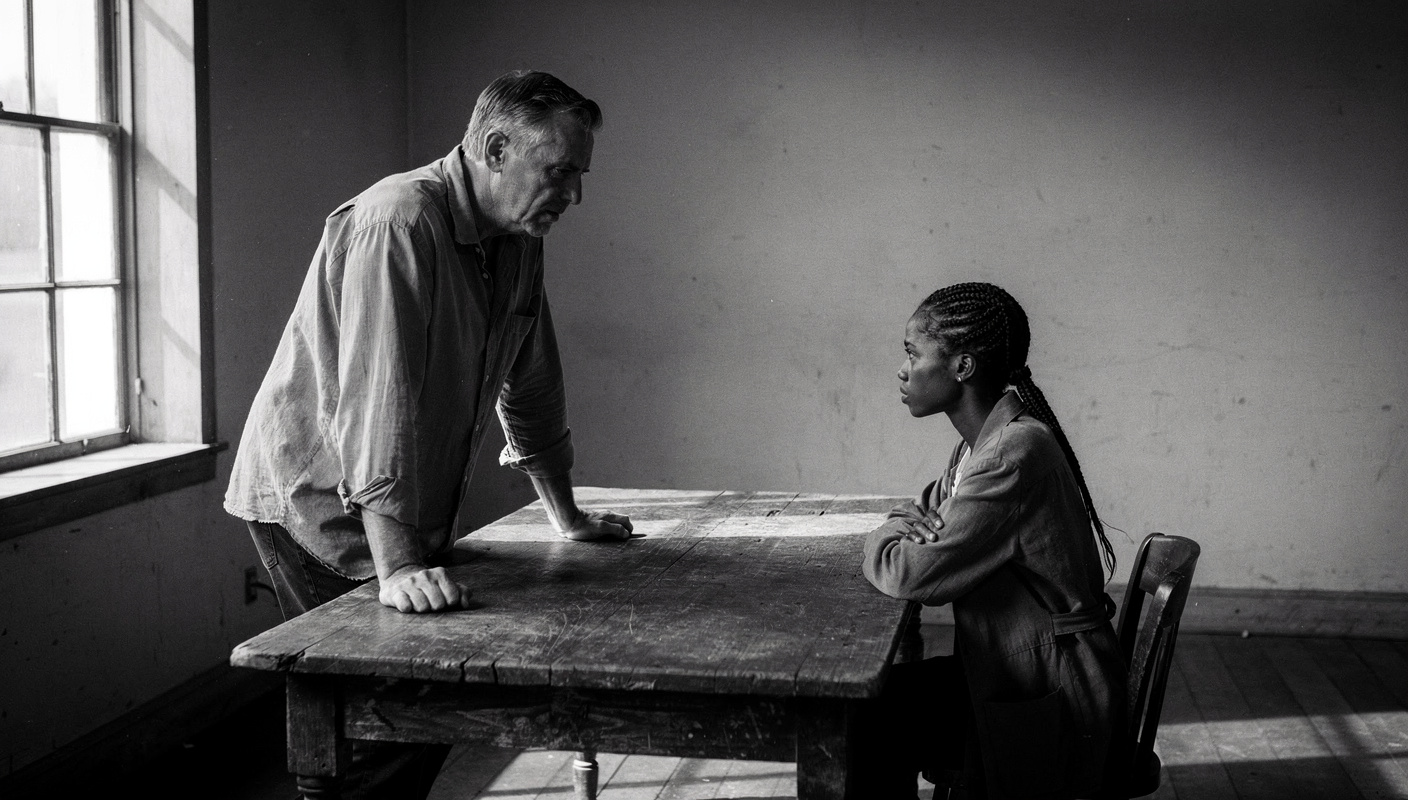
Scenario one: the workplace presentation. A project manager stands up to present a proposal to senior leadership. His shoulders are rounded, his weight shifts from foot to foot, and his gaze moves between the ceiling and his notes. He knows his material cold. But the room reads him as uncertain, and questions become pointed. His posture told a story his words could not overcome.
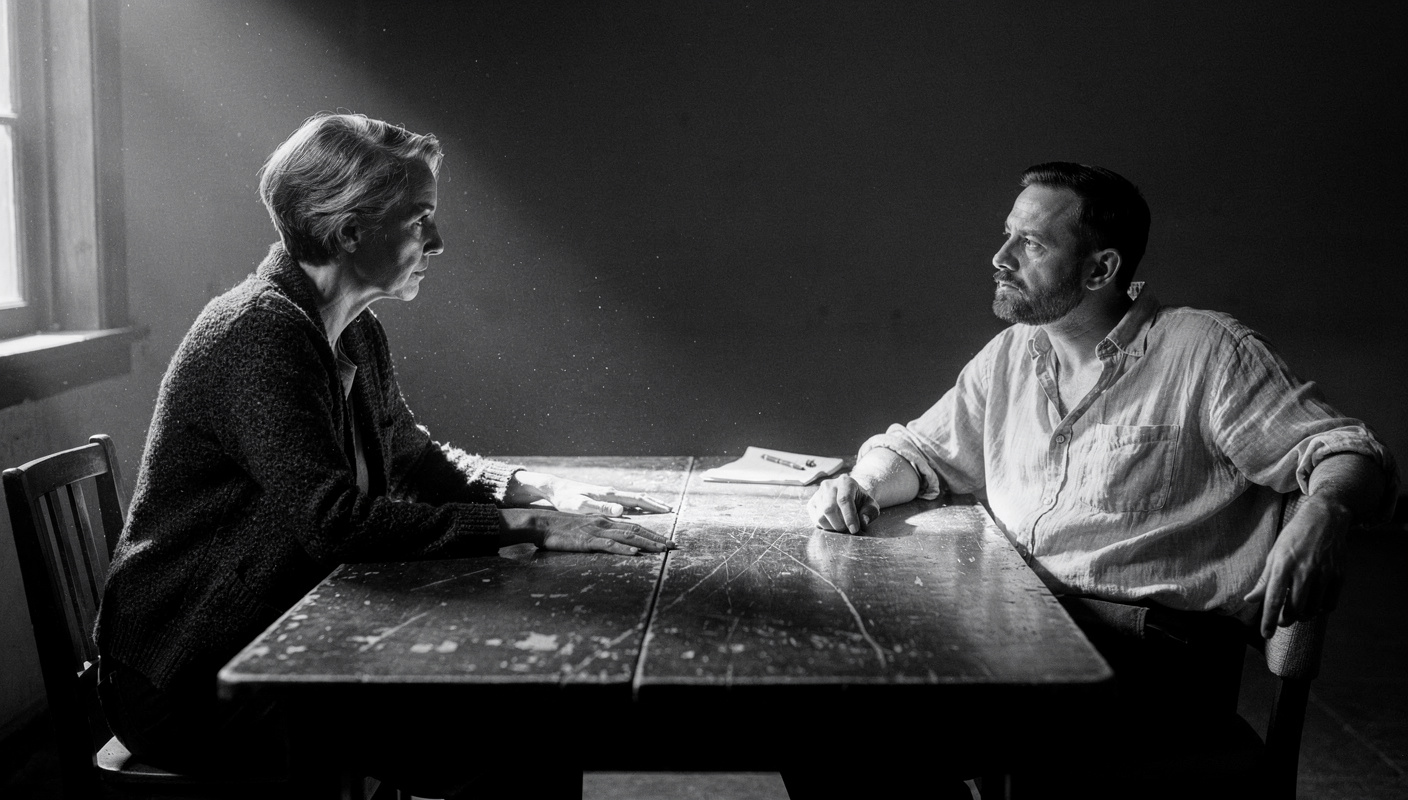
Scenario two: the team conversation. A team is working through a conflict. One member sits forward, spine straight, hands resting loosely on the table, gaze moving clearly between the people speaking. She says little. But when she does speak, people listen immediately, because her entire physical presence has been signalling calm attentiveness throughout. How Psychological Safety Enables Honest Communication and Sustains Team Synergy speaks to this dynamic; physical expression is one of the ways that safety is either built or broken in a group. Her open, grounded posture created room for others to speak honestly.
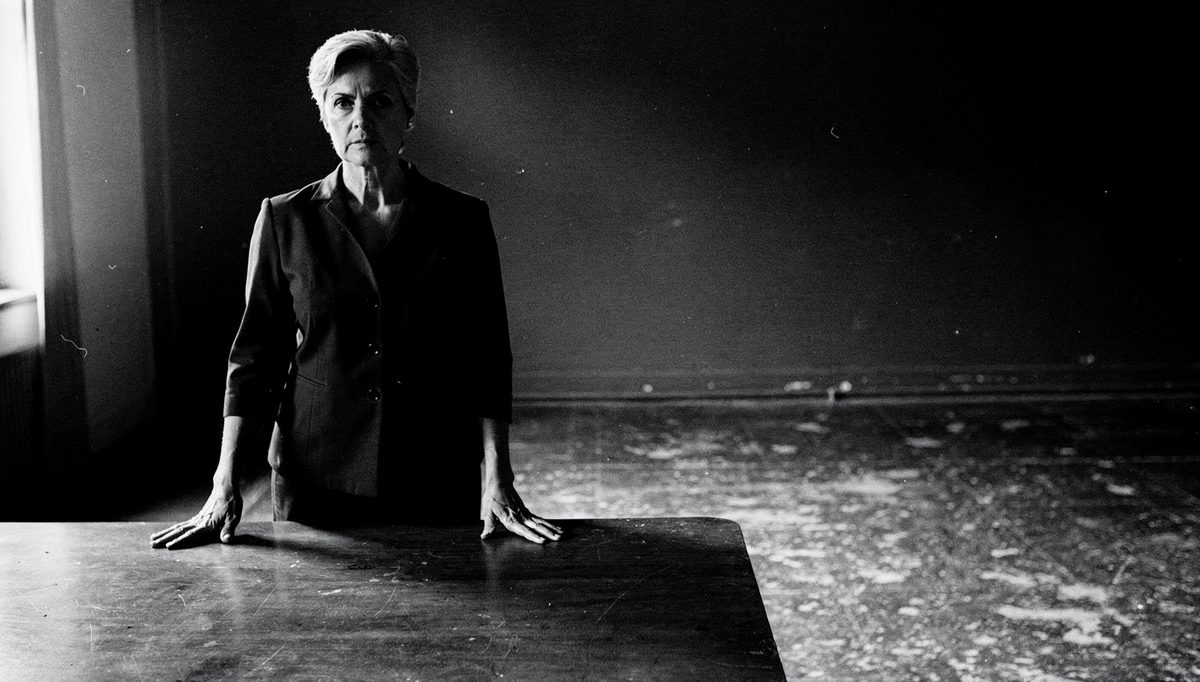
Scenario three: the leadership moment. A senior manager walks into a difficult one-to-one. She pauses just inside the door, takes a breath, and settles her weight before moving to sit. Spine long, shoulders easy, chin level. Emotional Intelligence in Feedback Conversations explores the inner work that supports these moments; here, the outer work, the physical expression itself, signals readiness and respect to the person across the table.
What these three scenarios share is this: the body made the first argument, and it shaped everything that followed.
Key Takeaways
Here is what matters most about physical expression through postural alignment.
- Your body communicates before your words do. Make sure those two things are telling the same story. Congruence between posture and message is where trust begins.
- Openness in your body creates openness in the room. A grounded, relaxed stance invites the other person to lower their defences. That matters in every conversation, from a quick catch-up to a high-stakes negotiation.
- Stillness is a form of strength. Constant movement and shifting communicate anxiety. When you learn to hold yourself with calm, deliberate presence, people feel it before they can explain it.
- Practice this in low-stakes moments first. Do not wait for a critical conversation to try a new physical stance. Build the habit in everyday interactions: standing at a counter, chatting in a corridor, sitting in a routine meeting.
- Your physical state shapes your mental one. When you take an aligned, grounded posture, your own confidence often follows. The body leads; the mind adapts.
If you want to go further, How Empathy Bridges in Team Communication Create the Conditions for Lasting Synergy explores how the way you show up physically connects to the deeper relational skills that make communication land. Postural alignment communication is not the whole story, but it is the foundation every other skill is built on.
Frequently Asked Questions (FAQ)
What is postural alignment in communication?
Postural alignment in communication is the deliberate way you position your body to send clear, confident nonverbal signals. It includes spine position, shoulder placement, head angle, and weight distribution. Together, these physical choices shape how others perceive your authority, openness, and trustworthiness before you speak.
How does postural alignment affect how others see you?
When your postural alignment is open and grounded, people tend to read you as confident and trustworthy. Collapsed or closed postures, such as hunched shoulders or a lowered chin, signal uncertainty or disengagement. These nonverbal signals register with others faster than any words you choose.
Can you improve postural alignment in communication deliberately?
Yes. Postural alignment is a physical skill you can practice and build over time. You can start by noticing your default stance in conversations, then making small adjustments: feet grounded, spine lengthened, shoulders relaxed back. Consistency matters more than perfection.
What does poor postural alignment communicate to others?
Poor postural alignment often communicates anxiety, low confidence, or disengagement, even when none of these is true. Rounded shoulders, a collapsed chest, or weight shifting constantly can undermine your message and erode the trust you are trying to build in any conversation.
Is postural alignment the same as body language?
Postural alignment is one specific element of body language, which is the broader system of nonverbal physical expression. Body language includes gesture, facial expression, and eye contact. Postural alignment refers specifically to how you position and hold your body as a foundation for all those other signals.
Why does postural alignment matter in leadership communication?
In leadership communication, your physical presence is read constantly by the people around you. Postural alignment that is grounded and open signals that you are present, stable, and trustworthy. Leaders who command rooms rarely do it through words alone; their physical expression carries the weight of their message.