
In Short
This article covers five frameworks that use the M.A.S.T.E.R. Method's Mental Preparation step to shape physical readiness before high-stakes conversations.
- The Negative Visualization Reset: prepare your body by mentally rehearsing the worst
- The Breath Anchor Protocol: use deliberate breathing to regulate physical tension
- The Posture Intention Frame: set your body's default position before you enter the room
Mental preparation physical readiness is the deliberate process of calming and directing your body before a high-stakes conversation begins. Using breath control, postural intention, and mental rehearsal, you reduce physiological stress responses so your physical presence communicates confidence and composure rather than anxiety or strain.
There is a particular kind of silence that happens the moment before a hard conversation begins. A manager I worked with years ago described it well. She had prepared everything: her points were clear, her position was fair, her intentions were good. But the moment she walked into the room, her shoulders rose, her breath shortened, and her voice came out a half-pitch higher than she intended. The words were right. Her body told a completely different story.
This is the problem that mental preparation solves, specifically for your physical expression. Most people think about what they will say before a difficult conversation. Very few think about what their body will do. And under pressure, the body has its own agenda. It tightens, withdraws, or overcompensates. None of that is accidental. It is the direct result of arriving at a high-stakes moment without physical preparation.
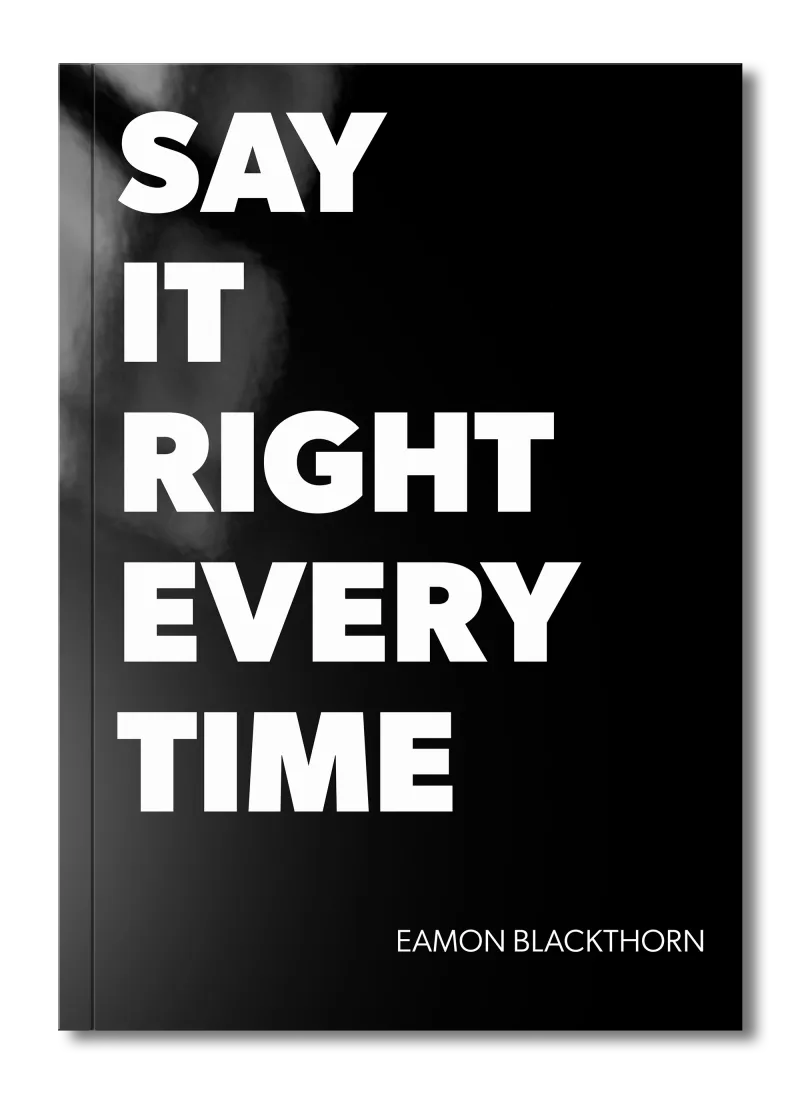
In Say It Right Every Time (Chapter 11), I introduce the M.A.S.T.E.R. Method as a six-step framework for preparing and executing difficult conversations. The M step, Mental Preparation, is the foundation. Not because mindset is abstract and inspiring, but because what you do mentally in the minutes before a conversation directly determines how your body behaves during it. Mental preparation physical readiness is not a warm-up exercise. It is the difference between walking in composed and walking in braced.
In this article, you will learn five frameworks that give you a reliable structure for physical expression before any high-stakes conversation. If you want to understand how emotional intelligence shapes nonverbal signals in team settings, that piece is worth reading alongside this one.
Why Physical Expression Under Pressure Demands Structure
Most people believe their body language is a consequence of how they feel. It is. But here is what they miss: you can shape how you feel before the conversation starts. That is exactly what structured mental preparation does. Without it, your nervous system runs the show, and nervous systems under pressure default to fight, freeze, or flight. None of those serve you in a difficult conversation.
The moments where having a physical preparation framework makes the real difference include:
- When you are about to address a colleague who became defensive in your last conversation and you can already feel your body tensing before you even enter the room.
- When you need to deliver feedback to someone senior to you and your instinct is to make yourself physically smaller, speak faster, and look away.
- When a conversation unexpectedly escalates and your breathing changes before you have consciously registered that you are stressed.
- When you have had a difficult morning before a critical meeting and your residual tension is written across your jaw, your posture, and your voice.
- When the stakes are high enough that you know the other person will be reading your body as closely as your words.
The frameworks in this article give you that structure. Use them until they become instinct.
"The Conversation You're Avoiding Is the One You Need to Have."
"The Conversation You're Avoiding
Is the One You Need to Have."
Stop rehearsing conversations you'll never have. Say It Right Every Time gives you 115 word-for-word scripts and 16 proven frameworks to speak with confidence in every conversation that matters.
Framework 1: The Negative Visualization Reset
Name and plain-language summary: The Negative Visualization Reset is a mental rehearsal tool. You deliberately picture the most difficult version of the conversation before it happens, notice your physical response, and practice returning to calm.
What it is designed for: This framework is specifically for conversations where you expect emotional intensity: conflict, confrontation, delivering difficult news, or addressing a pattern of behaviour that has been building for some time.
How it works:
Picture the worst moment. Close your eyes and mentally place yourself inside the hardest possible version of this conversation. The other person reacts badly. The silence is uncomfortable. The words land wrong. As you do this, notice exactly where tension appears in your body: jaw, chest, shoulders, hands.
Name the physical response. Do not push the tension away. Name it specifically. "My shoulders have risen. My jaw is clenched. My breath is shallow." Naming a physical response reduces its intensity. This is not theory; it is something I have tested across six decades of conversations, and it works every time I apply it.
Practice the return. Deliberately drop your shoulders, unclench your jaw, and slow your exhale. You are not pretending calm. You are rehearsing how to find your way back to it. Do this three times before entering the room.
Example in use: Before a conversation about a team member's repeated lateness, you mentally picture him becoming defensive. You feel your own chest tighten. You breathe out slowly, drop your shoulders, and reset. You do it again. By the time you walk in, you have already returned from the worst moment twice.
When to use it: Use this framework five to ten minutes before a conversation you have been dreading. It works best when you have a private space and at least three minutes of quiet.
When not to use it: Do not use this framework mid-conversation or when you are already emotionally activated. It requires a calm starting point to be effective.
A quick example in practice: A director preparing to address a senior colleague about a boundary crossed in a public meeting sits quietly before the conversation. She pictures the colleague dismissing her concern. She notices her hands want to clench. She breathes out, opens her hands deliberately, and resets her posture. She repeats the image and the reset twice more. She walks in with open hands and level shoulders, and the conversation unfolds without the physical defensiveness she feared.
Eamon's take: In Say It Right Every Time, I describe this as preparing for the storm before it arrives rather than trying to find shelter once you are already soaked. The body that has rehearsed the worst is far steadier than the body that meets it for the first time.
Framework 2: The Breath Anchor Protocol
Name and plain-language summary: The Breath Anchor Protocol is a structured breathing method used immediately before and during high-stakes conversations. It gives your nervous system a physical anchor point when pressure begins to climb.
What it is designed for: This framework addresses the physiological spike that happens when a conversation becomes tense. Racing heart, shallow breath, and a rising voice are all symptoms. The Breath Anchor interrupts that cycle at the physical level.
How it works:
Set the anchor before you enter. Four slow counts in through the nose, hold for two, six counts out through the mouth. Repeat this sequence three times before the conversation begins. This is your anchor: a specific rhythm your body will recognize when you return to it under pressure.
Use the anchor inside the conversation. When you feel tension rising during the exchange, pause deliberately. Take your anchor breath before you respond. It will appear to the other person as thoughtfulness. Inside your body, it is a full physiological reset. Your voice will be lower and steadier on the other side of it.
Return to the anchor after tension peaks. If the conversation reaches its most difficult moment and you feel your breathing has gone shallow again, the anchor is still available. One slow exhale is enough to begin the return.
Example in use: A team leader hears an accusation she was not expecting. Her instinct is to respond immediately. Instead, she pauses, exhales slowly and fully, and responds with a lower, clearer voice. The other person leans back slightly. The tension drops a degree.
When to use it: Use this in any conversation where you have experienced your voice tightening or your responses becoming faster and shorter under pressure.
When not to use it: If the conversation requires rapid back-and-forth pace, lengthy pauses may disrupt the natural rhythm. In those moments, use a single slow exhale instead of the full protocol.
A quick example in practice: A project manager faces a stakeholder who is frustrated and speaking over her. She waits for a break, takes her anchor breath, and responds with: "I hear your concern. Let me address it directly." Her voice is two tones lower than it was sixty seconds ago. The physical calm communicates authority before the content does.
Eamon's take: Breath is the one physical system you can consciously control when everything else is running on instinct. I have relied on this in conversations that could have broken badly, and the anchor has never failed me when I remembered to use it.
Framework 3: The Posture Intention Frame
Name and plain-language summary: The Posture Intention Frame is a pre-conversation ritual where you deliberately set your body's default physical position before entering the room. You choose your posture rather than letting anxiety choose it for you.
What it is designed for: This framework addresses the physical collapse that happens when people feel intimidated, uncertain, or defensive. Rounded shoulders, a lowered chin, crossed arms, and a turned torso are all instinctive self-protective postures. They signal weakness before you speak a word. This framework replaces that default with an intentional one. Understanding what psychological safety looks and feels like physically can help you recognise the signals you are sending and receiving.
How it works:
Stand upright before you enter. Outside the room, in a corridor or bathroom, stand with your feet shoulder-width apart, your weight evenly distributed, your shoulders back and down, and your chin level. Hold this for thirty seconds. This is not performance. It is a physical instruction you are giving your body.
Set a single physical intention. Choose one specific thing your body will do consistently during the conversation. Open hands resting on the table. A level chin. Stillness rather than fidgeting. One intention is enough. Trying to manage multiple physical cues simultaneously pulls your attention from the conversation itself.
Return to the intention if you drift. During the conversation, if you notice your shoulders have risen or your arms have crossed, gently reset without comment or self-criticism. A single quiet breath and a deliberate return to your intention is all it takes.
Example in use: A young manager sets his intention as "open hands on the table." Three minutes into the conversation, he notices his right hand has formed a fist. He places it flat on the table, takes a quiet breath, and continues. No one else notices the shift. His body does.
When to use it: Use this before any conversation where you have previously felt physically small, defensive, or overactive with your hands and gestures.
When not to use it: If the conversation is genuinely informal and low-stakes, applying this level of physical intention can make you seem rigid and unnatural. Save it for moments that deserve it.
A quick example in practice: A woman preparing to address a senior partner about an unfair workload distribution pauses outside the meeting room. She straightens her spine, drops her shoulders, sets her intention as a level chin and still hands, and walks in. The partner later remarks that she seemed very assured. She was. She had decided to be, before she opened the door.
Eamon's take: Your body does not know the difference between a posture you chose deliberately and one that grew from genuine confidence. Either way, it sends the same signal outward and the same message inward. Choose deliberately.
Framework 4: The Medium Match Protocol
Name and plain-language summary: The Medium Match Protocol is a decision framework for choosing the right communication channel before a difficult conversation. The medium you choose shapes your physical presence and the signals you can send and receive. I outline the Communication Medium Richness Hierarchy in Chapter 11 of Say It Right Every Time.
What it is designed for: This framework addresses the physical expression problem created by choosing the wrong medium. A text message strips all physical expression from the exchange. An email removes tone, pace, and gesture. Choosing a leaner medium than the conversation requires guarantees misreading on both sides.
How it works:
Rank the conversation's difficulty. Ask yourself: how much emotional complexity is in this exchange? High emotion, potential conflict, or significant impact on the relationship requires the richest medium available, which is in-person conversation. Lower stakes, simpler requests, or follow-ups after a resolved conversation can move to a leaner medium.
Match the medium to the difficulty. The richness hierarchy, from richest to leanest: in-person, video call, phone call, email, text message. If the conversation deserves physical presence and you have chosen email, your physical expression, which is your strongest tool, is completely absent. As I note in Say It Right Every Time, compensate for leaner mediums with extra clarity and kindness in your words.
Move conversations up the hierarchy when needed. If a difficult exchange has begun via text or email, the script I use is direct: "This feels like a conversation we should have by phone or in person. Text isn't great for this kind of thing. When can we talk?"
Example in use: A manager realizes she has been handling a recurring performance issue entirely by email. The employee's tone in replies is increasingly guarded. She moves the next exchange to an in-person meeting, where her calm posture and steady eye contact communicate something no email can: she is not punishing, she is trying to solve.
When to use it: Use this whenever you are about to send a difficult message and feel uncertain whether the written word will carry your tone correctly.
When not to use it: Not every conversation requires the richest medium. A quick factual update or a simple logistical question does not need a face-to-face meeting. Reserve the richer mediums for exchanges that carry emotional weight. You can read more about how to prepare fully for these moments using the M.A.S.T.E.R. Method.
A quick example in practice: A team lead types out a lengthy email addressing a colleague's repeated interruptions in meetings. Before sending, he pauses and considers: this person will read defensiveness into any written version of this. He schedules a ten-minute walk instead. He delivers the same content with a calm voice and easy body language. The colleague receives it entirely differently.
Eamon's take: Choosing the wrong medium is not just a logistical error. It is a physical expression failure. You remove yourself from the conversation and send words in your place. Words alone are rarely enough when the relationship is at stake.
Framework 5: The Pre-Conversation Grounding Sequence
Name and plain-language summary: The Pre-Conversation Grounding Sequence is a short physical ritual completed in the two minutes before a high-stakes exchange. It brings your attention fully into your body and out of your head, reducing the scattered, reactive energy that shows up as poor physical expression.
What it is designed for: This framework addresses the mental noise that precedes difficult conversations. Most people spend the minutes before a hard conversation rehearsing arguments, catastrophising outcomes, or cycling through resentment. That mental state is written on their body before they say a word. Grounding interrupts that cycle physically. For more on how the amygdala hijack blocks composure in high-pressure moments, that article is a useful companion to this one.
How it works:
Physical contact with a surface. Press both feet flat to the floor. Feel the ground beneath you. Place both hands flat on a table or wall. The physical pressure of contact with something solid interrupts the nervous system's upward spiral and returns your attention to the present moment and your present body.
A single spoken intention, said quietly. Before you enter the room, say one sentence aloud in a low, level voice. "I am here to understand and to be understood." "I will stay calm and direct." Any sentence that captures your intention works. Hearing your own voice at a steady, deliberate pitch begins to set your vocal default for what follows.
Take one full breath and move. After the breath, walk. Do not pause, hesitate, or second-guess. The sequence is complete. Walking in immediately after the reset anchors the grounded state to forward movement.
Example in use: A team leader preparing for a conversation about a serious interpersonal conflict presses his palms flat against the wall of the corridor, takes a slow breath, says quietly, "I am here to listen first," and walks in. His body is present before his words begin.
When to use it: Use this immediately before the most charged conversations: disciplinary discussions, emotional confrontations, apologies, or situations where building synergy through conversation requires your full, composed presence.
When not to use it: If you are genuinely calm and the conversation is straightforward, this sequence adds unnecessary formality to a normal exchange.
A quick example in practice: A woman about to have a difficult conversation with a peer who has undermined her work in front of clients presses her feet into the floor, places her hands flat on the desk beside her, says "I am here to address this clearly and without anger," and walks in. Her posture is upright, her hands are open, and she speaks first. She set the tone before she opened her mouth.
Eamon's take: Grounding is not a mystical practice. It is a physical fact. When you make contact with something solid and slow your breath, your body responds. I have never met a person who did this properly and walked in worse than they would have without it.
How to Choose the Right Framework for Your Situation
Knowing the frameworks is only half the work. Knowing which one to reach for is the other half.
| Situation | Best Framework |
|---|---|
| Dreading a confrontation and feeling physical tension in anticipation | Negative Visualization Reset |
| Voice tightening or breath shortening mid-conversation | Breath Anchor Protocol |
| History of physically shrinking or becoming defensive under pressure | Posture Intention Frame |
| Uncertain whether to address something in writing or in person | Medium Match Protocol |
| Mind racing with arguments and outcomes before you enter the room | Pre-Conversation Grounding Sequence |
| Conversation suddenly escalating beyond what you prepared for | Breath Anchor Protocol combined with Posture Intention Frame |
| Returning to a conversation that previously went badly | Negative Visualization Reset followed by Grounding Sequence |
When more than one framework could apply, choose the one that addresses your most persistent physical habit under pressure. If you consistently lose your breath, start with the Breath Anchor. If you consistently collapse your posture, start with the Posture Intention Frame. The frameworks are complementary; you do not have to choose only one for the rest of your life. But you do need to choose one for right now. When in doubt, start with the simplest framework. Complexity is not strength.
Common Mistakes When Using Physical Preparation Frameworks
Frameworks only work when you apply them with discipline, not as a ritual you perform once and then abandon the moment the pressure is real.
Applying the framework too late. Starting your breath reset in the doorway of the room, with the other person already present, gives your body almost no time to respond. These frameworks need two to five minutes of quiet to take effect. Build that buffer into your schedule.
Confusing physical preparation with emotional suppression. The goal is not to feel nothing. It is to feel what you feel without letting it drive your body in a direction you have not chosen. Suppressing emotion entirely creates a different kind of physical tension: rigidity, flatness, and a quality that reads as cold or disconnected.
Using the frameworks once and expecting permanent change. Physical defaults under pressure are built over years. Replacing them takes consistent practice. The confidence-competence loop explains this well: each successful use of a framework builds physical confidence, which makes the next use easier.
Trying to manage too many physical cues at once. Breath, posture, hands, eye contact, vocal pace: monitoring all of these simultaneously during a conversation is impossible. Choose one intention per conversation and build from there.
Skipping preparation for conversations that feel slightly easier. The conversations that feel moderate in stakes are the ones where physical habits slip back in unnoticed. Consistent preparation across all difficult exchanges is what builds reliable physical expression over time. A framework used badly is still better than no framework. But a framework used well is a genuine advantage.
How to Start Using These Frameworks Today
Do not try to master all of these at once. Pick one and practise it until it feels natural before moving to the next.
Identify your most persistent physical habit under pressure. Spend one week simply noticing: do you lose your breath, collapse your posture, clench your hands, or speed up your voice? Naming the pattern is the first practical step. You cannot address what you have not yet seen clearly.
Choose the single framework that addresses that habit. Match your habit to the framework designed for it. Practise it before low-stakes conversations first, not just the most difficult ones. This is how physical habits are built: repetition in ordinary moments creates reliability in extraordinary ones.
Apply it before every conversation that carries any weight for two weeks. Two weeks of consistent application begins to shift the physical default. It will not feel automatic yet, but it will feel less effortful. That reduction in effort is the first sign that the framework is becoming part of how you move.
Review what changed after each conversation. Spend two minutes after a difficult exchange asking: where did my body stay composed, and where did it slip? This reflection, which mirrors the R step of the M.A.S.T.E.R. Method, is what converts experience into lasting physical skill. You can explore the full M.A.S.T.E.R. Method for high-stakes team conversations to see how all six steps connect.
Frameworks are tools. The more you use them, the less you have to think about them.
Key Takeaways
Here is what to carry with you from this article.
- Mental preparation physical readiness is not abstract: it directly shapes how your body behaves the moment a conversation becomes difficult.
- The Negative Visualization Reset prepares your body for pressure by rehearsing the worst and practising the return to calm before the real moment arrives.
- The Breath Anchor Protocol gives you a physical lever you can pull mid-conversation when your nervous system begins to run ahead of your intention.
- The Posture Intention Frame replaces instinctive defensive posture with a deliberate physical choice made before you enter the room.
- The Medium Match Protocol reminds you that choosing the wrong channel removes your most powerful communication tool, which is your physical presence, from the conversation entirely.
- Consistent practice is the only path from knowing these frameworks to trusting them under pressure. As I say in Chapter 11 of Say It Right Every Time: knowing what to do and actually doing it are two different things.
If you want to deepen your understanding of how these frameworks sit within a fuller system, explore how the M.A.S.T.E.R. Method prepares teams for high-stakes synergy conversations alongside this article.
The body that walks into a hard conversation unprepared tells its own story. Make sure yours is the one you chose to tell. That is what mental preparation physical readiness makes possible, and it is worth every minute you invest in it.
Frequently Asked Questions (FAQ)
What is mental preparation physical readiness in communication?
Mental preparation physical readiness means deliberately calming and directing your body before a high-stakes conversation begins. It includes breath control, posture setting, and tension release so your nonverbal signals reflect confidence and composure rather than anxiety or defensiveness. Your body follows where your mind leads.
How does mental preparation affect body language in high-stakes conversations?
Mental preparation directly shapes body language by reducing physiological stress responses before you enter the room. When you slow your breath and ground your posture deliberately, your nervous system settles. That calm registers physically as steadier eye contact, relaxed shoulders, and a voice that carries authority rather than strain.
What is the M.A.S.T.E.R. Method mental preparation step?
The M.A.S.T.E.R. Method is a six-step framework from Say It Right Every Time. The Mental Preparation step is first. It prepares you emotionally and physically before a difficult conversation by using tools like negative visualization, breath control, and intentional posture setting to reduce reactive physical responses.
How do you use negative visualization to prepare physically for a hard conversation?
Negative visualization means mentally rehearsing what could go wrong before the conversation happens. You picture the difficult moment, notice the physical tension that rises, and practice releasing it. By the time the real conversation begins, your body has already encountered the worst and returned to calm. The shock is gone.
Why does physical expression matter before a conversation even starts?
Physical expression begins before you speak. The way you enter a room, hold your posture, and carry your breath signals readiness or fear. If your body is braced for conflict, the other person feels it. Mental preparation shapes those nonverbal signals so your presence communicates strength before a single word is spoken.
Can mental preparation frameworks actually change how you physically perform under pressure?
Yes. Repeated use of mental preparation frameworks rewires your physical defaults under pressure. Over time, controlled breathing, intentional posture, and pre-conversation grounding become automatic. What felt like conscious effort eventually becomes the way your body shows up. Practice is the only path from knowing to doing.