
In Short
This article covers five physical expression techniques that help expert communicators control subtle body signals, build trust faster, and hold their ground in high-stakes conversations.
- The Anchor and Open technique for projecting calm confidence under pressure
- The Calibrated Mirror technique for building rapid physical rapport
- The Tension Map technique for reading what others are not saying
Physical expression techniques are deliberate, practiced methods for sending and reading body signals during communication. They include postural alignment, intentional gesture, spatial positioning, and microexpression awareness, giving communicators a reliable system for conveying credibility, openness, and trust without words.
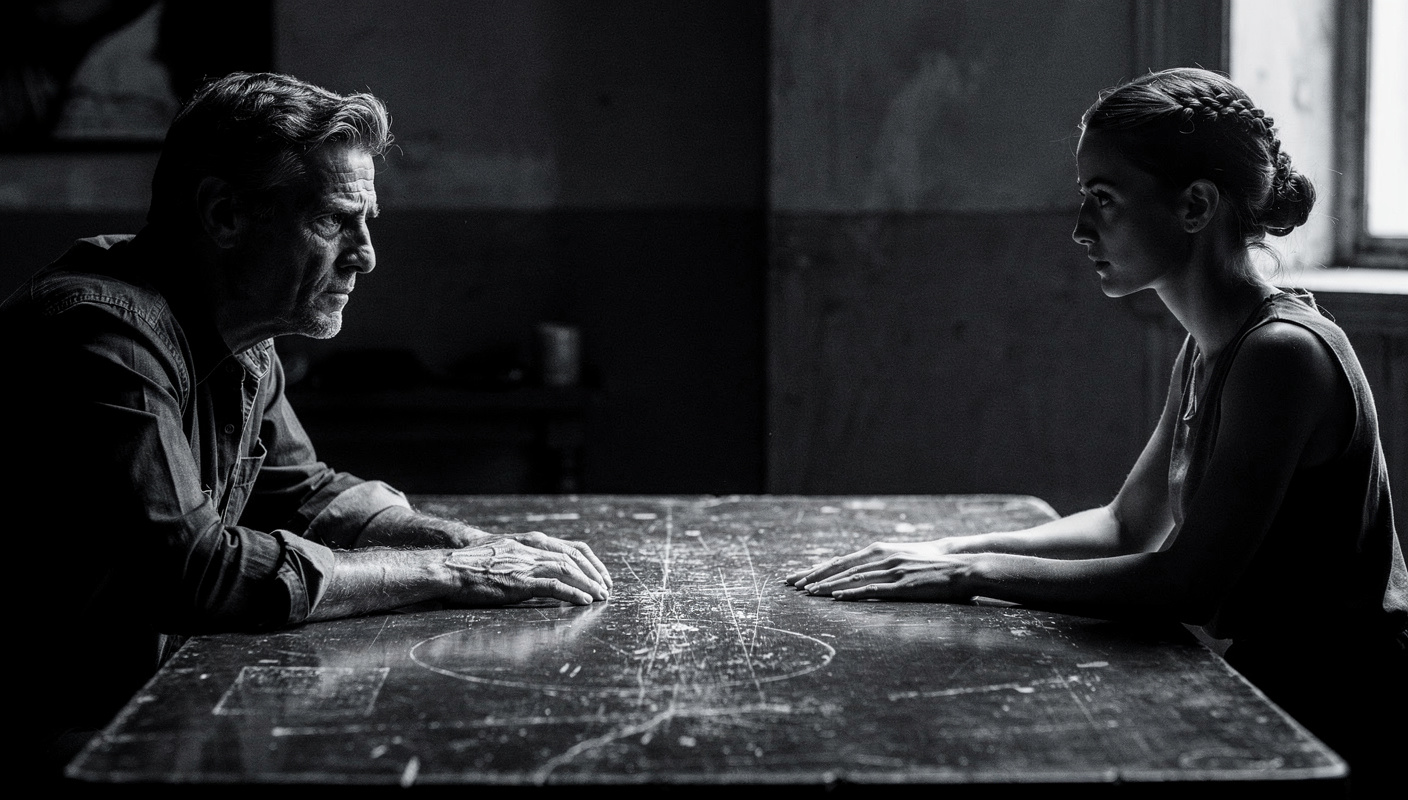
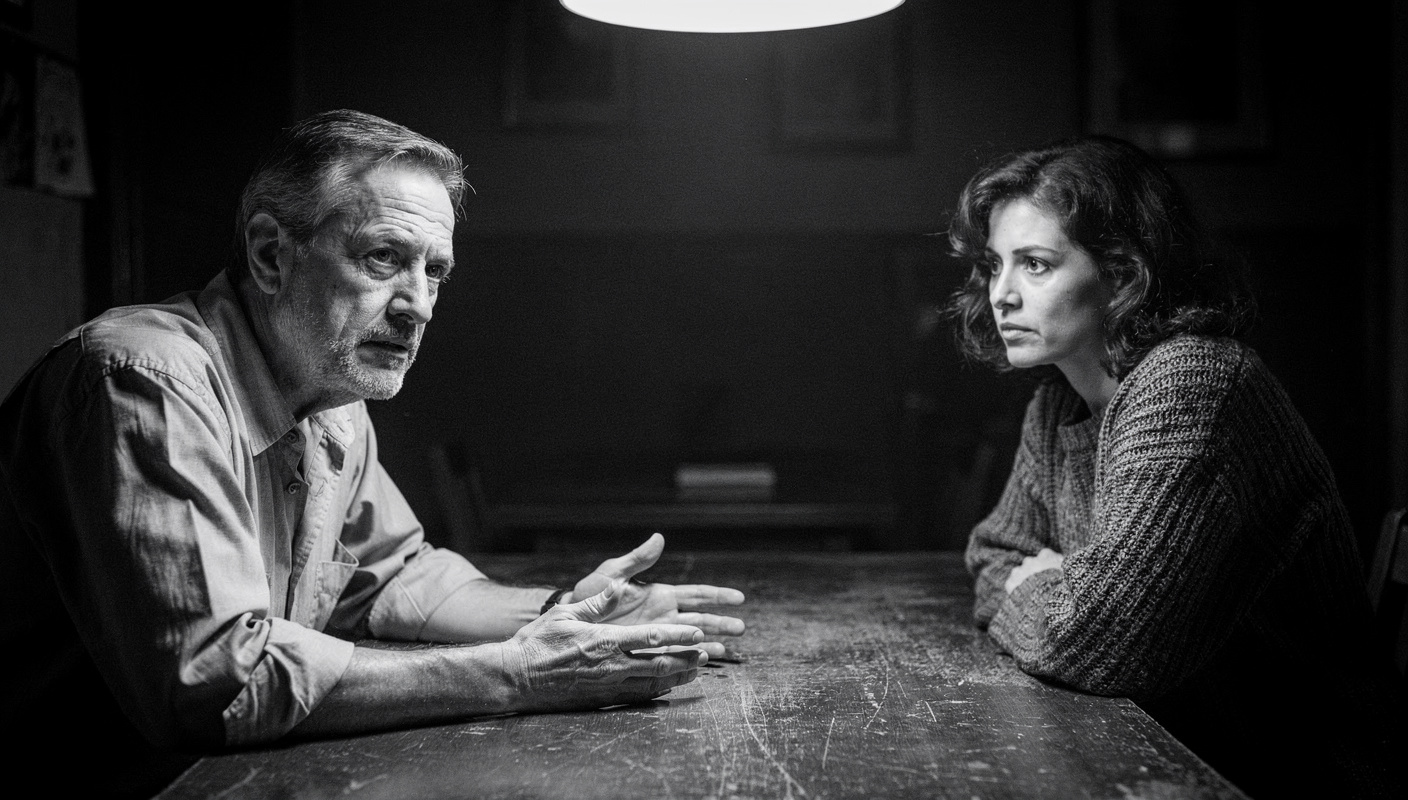
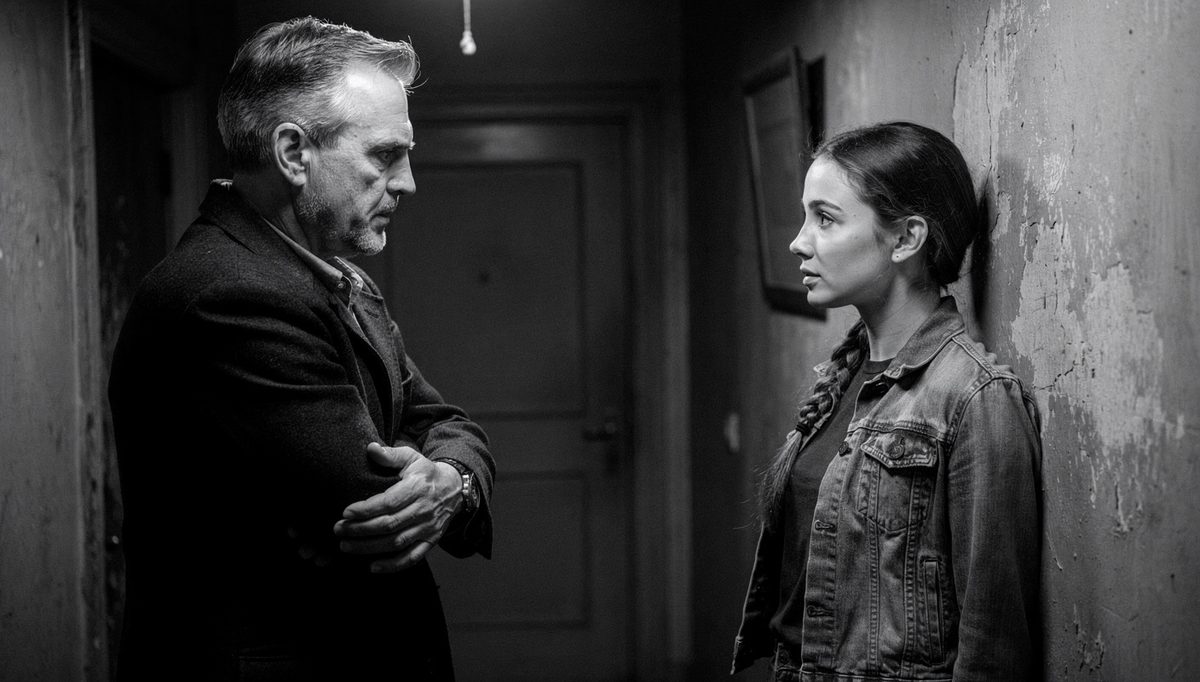
Most people walk into a difficult conversation with good intentions and no plan for what their body is going to do. I have seen a manager deliver perfectly reasoned feedback while his arms stayed locked across his chest the entire time. The words said one thing. His body said something entirely different. The other person heard the body.
Here is the truth of it: physical expression techniques are not about performing confidence. They are about learning to align what your body signals with what you actually mean. Without that alignment, even the most carefully chosen words can collapse under the weight of a tense jaw or a backward lean. When pressure rises, people stop hearing your words and start reading your signals. You need a system for both.
In this article, you will learn five physical expression techniques that give you a reliable framework for managing body signals in any communication situation. If you are also working on how your emotional state shapes your presence, The Role of Emotional Intelligence in Team Synergy is worth reading alongside this.
Why Structure Matters More Than Instinct in Nonverbal Communication
Most people believe body language is just natural. You either have presence or you do not. That is one of the most damaging myths in communication.
The truth is that under pressure, everyone defaults to their worst physical habits. Shoulders rise. Arms cross. Eye contact breaks. The brain floods with the problem at hand, and the body is left to fend for itself. A structured technique gives you something to reach for before the default kicks in.
Here are the situations where having a physical expression framework makes the difference:
- When you need to deliver critical feedback and your body is broadcasting your anxiety before you say a word, a clear physical preparation technique interrupts that pattern before it undermines you.
- When you sense someone is not saying everything they mean, a structured approach to reading tension cues gives you real information to work with rather than guesswork.
- When you are presenting an idea and the room feels skeptical, knowing how to use your spatial positioning and gesture deliberately shifts the energy without you needing to say anything new.
- When a conversation turns confrontational, a grounding technique stops your body from either freezing or escalating, and keeps you physically present and steady.
- When you are building trust with someone new, intentional physical mirroring creates rapport at a subconscious level long before words have done their work.
The frameworks in this article give you that structure. Use them until they become instinct.
"The Conversation You're Avoiding Is the One You Need to Have."
"The Conversation You're Avoiding
Is the One You Need to Have."
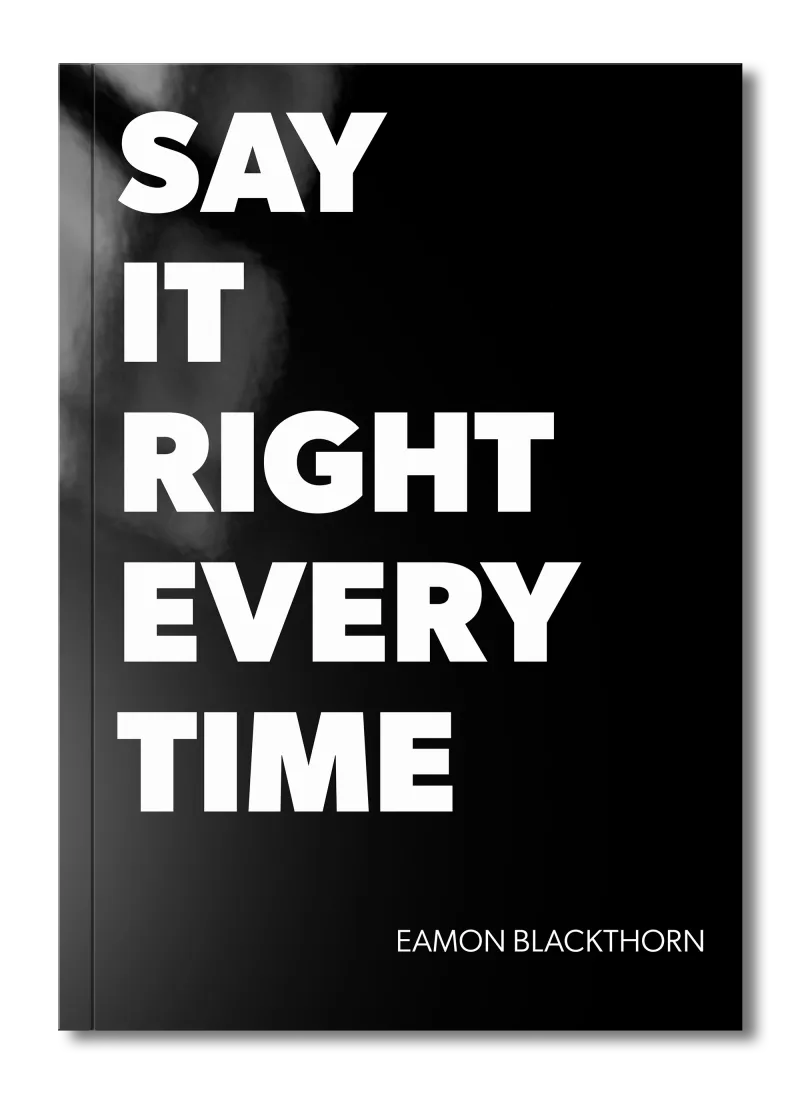
Stop rehearsing conversations you'll never have. Say It Right Every Time gives you 115 word-for-word scripts and 16 proven frameworks to speak with confidence in every conversation that matters.
Technique 1: The Anchor and Open Method
The Anchor and Open method is a physical preparation technique you apply at the start of any high-stakes conversation. It gives your body a stable, open default position that signals confidence without aggression.
What it is designed for: This technique works best at the moment just before or just as a difficult conversation begins: a performance review, a negotiation, a disagreement, or any moment where your body's stress response might otherwise take over.
How it works:
Anchor your feet. Plant both feet flat on the floor, hip-width apart. This is your physical foundation. When your base is stable, your upper body stops compensating with tension. Think of it as setting roots before a storm hits.
Open your hands. Rest your hands in your lap or loosely on the table, palms slightly upward or neutral. Visible, open hands signal that you are not hiding anything. A manager who kept his hands flat on the table during a difficult appraisal told me later that it was the first time he felt the other person actually relax.
Soften your jaw and shoulders. Consciously release tension from your jaw and let your shoulders drop. This is not about looking casual. It is about stopping the physical signals of threat before they register in the other person.
Hold a steady, soft gaze. Make eye contact without staring. A locked stare reads as aggression. A wandering gaze reads as dishonesty. Aim for natural, engaged attention.
When to use it: Use this technique in any conversation where the stakes are high and your stress response is likely to activate. It is especially powerful before you speak your first sentence.
When not to use it: Do not use this as a static pose you hold rigidly throughout a long conversation. It is a starting point, not a permanent posture.
A quick example in practice: Before a difficult conversation with a team member about missed deadlines, you arrive two minutes early, sit with your feet flat, place your hands loosely on the table, and consciously drop your shoulders. When she arrives, your body is already communicating steadiness. You have not said a word yet, and the tone is already different.
Eamon's take: I spent years starting hard conversations already braced for the fight. The Anchor and Open method taught me that how you arrive physically sets the ceiling for how well the conversation can go.
Technique 2: The Calibrated Mirror Technique
The Calibrated Mirror technique is a method for building physical rapport by subtly matching the other person's body language with a slight delay and gentle approximation.
What it is designed for: This technique works in relationship-building conversations, collaborative discussions, and situations where you need the other person to feel genuinely heard before you ask anything of them.
How it works:
Observe their baseline. Before you begin mirroring, spend the first sixty seconds simply noticing how the other person is sitting or standing, how much they gesture, and what pace they are moving at. Mirroring without this observation produces clumsy, obvious copying.
Match their energy level, not their exact position. If they are leaning forward with engaged energy, shift forward slightly. If they are sitting back with arms loose, soften your own posture. The goal is approximate resonance, not mimicry. Exact copying feels mocking. Close matching feels safe.
Use a deliberate delay. Mirror their shifts about five to ten seconds after they make them. This delay makes the mirroring subconscious rather than theatrical. The other person feels understood without knowing why.
When to use it: Use the Calibrated Mirror in one-to-one conversations where building connection matters: coaching sessions, collaborative planning, or early relationship stages with a new colleague or client.
When not to use it: Avoid this technique in confrontational conversations. Mirroring an angry or defensive person amplifies their physical state rather than calming it.
A quick example in practice: You are in a coaching session. The other person leans forward and rests their chin on their hand. About eight seconds later, you shift forward and rest your forearm on the table. They are not conscious of the shift. But something in them settles, and they open up in a way they did not in previous sessions.
Eamon's take: The Calibrated Mirror is the quietest rapport-building tool I know. It works precisely because the other person never sees it coming. For more on the emotional foundation beneath this kind of connection, read How Empathy Bridges in Team Communication Create the Conditions for Lasting Synergy.
Technique 3: The Tension Map Technique
The Tension Map technique is a structured method for reading the body language of others to identify what they are not saying. It trains you to observe clusters of signals rather than isolated gestures.
What it is designed for: This technique is essential in feedback conversations, negotiations, and any discussion where you suspect the other person's words are not telling you the full story.
How it works:
Identify the neutral baseline first. At the start of the conversation, note the person's relaxed state: where their hands rest, how they sit, their default eye contact pattern. You cannot read deviation if you do not know the baseline.
Watch for clusters, not single signals. A crossed arm alone means little. A crossed arm combined with a shifted gaze and a tightened jaw is a cluster. Clusters are the reliable signals. Single gestures are noise.
Note the timing of changes. Tension cues that appear immediately after a specific question or statement are the most meaningful. If someone's shoulders rise the moment you mention a particular topic, that timing is data.
Verify before concluding. When you notice a cluster, ask a gentle open question rather than assuming. "How are you feeling about that part?" gives the person a chance to surface what their body already told you.
When to use it: Use the Tension Map when you are managing a feedback conversation and you sense the other person is not fully engaged, or in negotiations where you need to read the room beneath the words. Pairing this with Emotional Intelligence in Feedback Conversations gives you a complete approach.
When not to use it: Do not use this technique as a way to catch people out. If your intention is interrogation rather than understanding, this tool will damage trust rather than build it.
A quick example in practice: During a feedback session, you notice the other person's answers are short and agreeable, but their jaw tightens every time you mention the team's response to their work. You note the cluster: tight jaw, brief answers, a slight backward lean. You say, "How do you feel about how the team has received that?" The real conversation begins.
Eamon's take: After decades of getting this wrong by focusing on words alone, the Tension Map gave me access to the conversation happening underneath the one I could hear.
Technique 4: The Controlled Gesture Framework
The Controlled Gesture framework is a system for using deliberate hand and arm movements to reinforce your spoken message, add emphasis, and signal structure to the listener.
What it is designed for: This framework is essential when you are presenting, leading a team conversation, or making a case for something important. Uncontrolled gesture distracts. Controlled gesture guides attention.
How it works:
Define your gesture zones. Your primary gesture zone is the space between your waist and your shoulders, in front of your body. Gestures inside this zone read as confident and controlled. Gestures above the shoulders read as agitated. Gestures below the waist read as weak or uncertain.
Use deliberate shape gestures for structure. When listing points, count on your fingers with clear, separated movements. When contrasting two ideas, use both hands, one for each side. When landing a key point, bring both hands together in a slow, intentional motion. These shapes give the listener a visual structure to follow.
Stop gesturing when you stop talking. Let your hands return to a resting position when you pause or listen. Constant movement during silence reads as nervous energy. Stillness reads as strength.
When to use it: Use the Controlled Gesture framework in any formal or semi-formal speaking situation: team briefings, presentations, persuasive conversations, or when you are laying out a complex argument.
When not to use it: Do not apply rigid gesture control in intimate one-to-one conversations. Over-structured gestures in close settings feel rehearsed and create distance rather than connection. For high-stakes one-to-one feedback situations, Advanced Feedback Techniques covers the full picture.
A quick example in practice: You are walking a team through three priorities for the quarter. As you name each one, you extend one finger at a time with a clean, deliberate movement. At the close, you bring both palms together and hold them briefly. Your hands are still while you pause and scan the room. The team follows every point. Nothing you do distracts from what you say.
Eamon's take: The first time I disciplined my hands, I felt awkward and wooden. Within three weeks, it became natural. Now I cannot imagine presenting without this structure in place.
Technique 5: The Proxemic Reset Technique
The Proxemic Reset technique is a method for consciously adjusting your physical distance and spatial orientation to shift the emotional tone of a conversation.
What it is designed for: This technique is designed for moments when a conversation has become tense, when you need to signal a change of intent, or when the physical setup of a room is working against you.
How it works:
Understand your four distance zones. Intimate space is zero to eighteen inches. Personal space is eighteen inches to four feet. Social space is four to twelve feet. Public space is beyond twelve feet. Each zone carries a different emotional register. Moving between zones changes the conversation's energy.
Use a side-by-side reset for confrontation. When a face-to-face conversation becomes adversarial, moving to a side-by-side position, both people looking at a shared object or document, removes the physical dynamic of opposition. It is harder to stay in argument mode when you are both facing the same direction. This principle connects directly to the psychological safety principles in What Is Psychological Safety and How It Drives Team Synergy.
Close distance to signal importance. When you need someone to understand that what you are saying truly matters, a slight, respectful movement forward, closing perhaps twelve inches of distance, raises the conversational weight without raising your voice.
When to use it: Use the Proxemic Reset when a conversation has stalled, turned confrontational, or when you need to shift the emotional register without changing the subject.
When not to use it: Never close physical distance without reading the other person's comfort level first. Moving too close to someone who is already uncomfortable creates threat, not connection.
A quick example in practice: A team discussion has turned into a face-to-face standoff between two people. You step beside one of them, turn slightly toward the shared whiteboard, and say, "Let's look at this together." The physical repositioning dissolves the opposition stance. The conversation becomes collaborative within minutes.
Eamon's take: Proxemics is the most overlooked tool in the room. People fight over words while the spatial setup is driving the whole emotional dynamic. This much I know for certain: change the space, and you change the conversation.
How to Choose the Right Physical Expression Technique for Your Situation
Knowing the techniques is only half the work. Knowing which one to reach for is the other half.
| Situation | Best Technique |
|---|---|
| Starting a high-stakes conversation and feeling anxious | Anchor and Open Method |
| Building trust and rapport in a one-to-one session | Calibrated Mirror Technique |
| Sensing someone is holding something back | Tension Map Technique |
| Presenting ideas to a group or team | Controlled Gesture Framework |
| A conversation that has become confrontational | Proxemic Reset Technique |
| Delivering feedback and reading the response in real time | Tension Map + Anchor and Open |
| Leading a team meeting that has lost energy | Proxemic Reset + Controlled Gesture |
Sometimes more than one technique applies. In a difficult feedback conversation, for instance, you might open with the Anchor and Open, use the Tension Map throughout, and apply a Proxemic Reset if the energy turns defensive. These techniques are designed to work together, not compete.
When in doubt, start with the simplest technique. Complexity is not strength.
Common Mistakes When Using Physical Expression Frameworks
Frameworks only work when you apply them with awareness, not as a mechanical script you run through regardless of context.
Performing rather than practicing. If you are thinking about your hands while trying to listen, you have lost the conversation. These techniques need enough practice in low-stakes situations so they become second nature before you need them under pressure.
Reading single signals in isolation. One crossed arm does not tell you anything reliable. Concluding that someone is defensive because they shifted position is lazy observation. The Tension Map requires clusters and timing, not single data points.
Mirroring too obviously. Moving in exact sync with another person does not create rapport. It signals that you are copying them, which breaks trust immediately. Calibrate the delay and match the energy, not the exact movement.
Using controlled gestures in the wrong context. Formal gesture frameworks create distance in intimate conversations. Applying the Controlled Gesture framework in a vulnerable one-to-one moment makes you seem like you are giving a presentation rather than being present with another person. See also How to Use the Empathy Bridge Before Delivering Critical Feedback for how to read the emotional context first.
Ignoring your own baseline tension. All of these techniques assume a degree of physical self-awareness. If you do not know what your body does under stress, you cannot interrupt it. Build that self-knowledge first.
A technique used imperfectly is still better than no technique. But a technique used well is a genuine advantage.
How to Start Using These Physical Expression Techniques Today
Do not try to master all five of these at once. That is a reliable way to master none of them.
Start with the Anchor and Open. This week, choose one conversation each day where you will consciously apply the anchor and open position before you speak. It takes ten seconds. It requires no special skill. It builds the habit of intentional physical preparation. Most people notice a shift in the other person's response within a few sessions.
Add the Tension Map in week two. Once you are comfortable arriving grounded, begin practicing baseline observation. In every significant conversation, spend the first sixty seconds simply noticing where the other person is physically. Do not read anything yet. Just observe. The skill of reading comes after the skill of looking.
Practice Controlled Gesture in low-stakes presentations. Find a regular team meeting or briefing where you can experiment with gesture zones and shape gestures without the pressure of high stakes. Debrief yourself afterward. What felt natural? What felt forced? Adjust and repeat.
Introduce Mirroring and Proxemics last. These two techniques require the most sensitivity and contextual judgment. Introduce them only once the first three feel genuinely automatic. Practice mirroring in conversations with people you trust before applying it where it counts. If you want to understand how this connects to broader leadership presence, How Leaders Can Use the S.T.R.O.N.G. Method to Build Synergy Through Every Conversation gives you the full frame.
Frameworks are tools. The more you use them, the less you have to think about them.
Key Takeaways
Here is what to carry with you from this article.
- Advanced physical expression techniques are learnable skills, not personality traits. Every one of them improves with deliberate, repeated practice.
- Your body broadcasts your emotional state before you say a word. The Anchor and Open method gives you a way to interrupt that broadcast and choose your signal deliberately.
- Reading others requires patience and observation of clusters, not snap judgments from single gestures. The Tension Map builds that skill systematically.
- Controlled gesture gives your words visual structure. Uncontrolled gesture competes with them.
- Physical distance is a communication tool. The Proxemic Reset gives you the ability to shift the emotional tone of a conversation by changing the space rather than the words.
- These five physical expression techniques are most powerful when they are combined thoughtfully, not applied mechanically.
For the emotional intelligence that sits beneath effective physical presence, explore Emotional Intelligence in Feedback Conversations. And if you want to understand how safety shapes what people are willing to show you physically, What Is Psychological Safety and How It Drives Team Synergy is essential reading.
Your body has been sending signals your whole life. It is time to decide which ones to send.
Frequently Asked Questions (FAQ)
What are advanced physical expression techniques?
Advanced physical expression techniques are deliberate, practiced methods for controlling and reading body signals during communication. They go beyond basic posture advice to cover microexpressions, spatial positioning, intentional gesture, and mirroring. Expert communicators use these tools to build trust and manage tension in high-stakes conversations.
How do physical expression techniques improve communication skills?
Physical expression techniques improve communication by ensuring your body reinforces your words rather than contradicting them. When your gestures, posture, and eye contact align with your message, people trust you more quickly. Over time, these techniques become instinctive and reduce the cognitive load of difficult conversations.
Can physical expression techniques be learned, or are they natural?
Physical expression techniques are absolutely learnable. Most people assume effective body language is a gift some people are born with, but that is not true. Like any communication skill, it improves with deliberate practice and honest self-observation over time.
How do you use mirroring as a physical expression technique?
Mirroring means subtly matching the other person's posture, gesture pace, and physical energy during conversation. You shift when they shift, open when they open. Done with a slight delay and gentle matching rather than exact copying, it builds subconscious rapport without drawing attention to itself.
What physical expression technique works best in high-stakes conversations?
In high-stakes conversations, the Anchor and Open technique is most reliable. Planting both feet evenly, keeping your hands visible and relaxed, and maintaining a steady gaze signals confidence without aggression. It stops your body from broadcasting the anxiety your mind is feeling.
How do I stop my body language from undermining what I say?
Start by identifying your default stress responses: crossed arms, a dropped gaze, a tight jaw, or a backward lean. Once you know your patterns, you can interrupt them before they take hold. Practicing in low-stakes situations builds the muscle memory you need when the pressure is real.