
What Happened
The president of the University of Liberia recently went public with a structured plan to resolve a backlog of institutional problems: staff grievances, crumbling infrastructure, unpaid salaries, and social security disputes. The target date to reopen the university is August 25, 2026. The announcement was framed as a solution, but the communication choices behind it tell a different story.
The Communication Angle
Let me show you two versions of this moment. The first is what the university president did. The second is what a skilled communicator would have done instead.
What they did: announced a plan. That sounds reasonable until you realize a plan is not a promise. A plan is a document. It lives in boardrooms and press releases. It does not live in the minds of frustrated staff members who have not been paid and do not trust the institution that owes them. Leading with a plan signals that you are organized. It does not signal that you understand the damage, feel the weight of it, or accept responsibility for it.
Here is what a skilled communicator does in this situation. You lead with acknowledgment, not administration. You name the specific harm before you name the solution. "Staff went without pay. Infrastructure was ignored. People were left without answers." That kind of directness costs you nothing and buys you enormous credibility. The moment you skip it and go straight to your plan, you tell the audience that you are more interested in looking competent than in actually hearing them.
The second gap is specificity. A target reopening date of August 25, 2026 is a number, not a commitment. What are the measurable milestones between now and then? Who is accountable if those milestones slip? When communicators offer a date without a framework, they create a countdown to their next credibility crisis. If August 25 passes without a reopening, the story is no longer about the grievances. It is about a promise that was broken.
The third issue is audience sequencing. In a labor dispute, your first audience is internal, not the press. Staff need to hear from you directly, personally, and specifically before they read about your plan in a newspaper. Going to the press first is a power move dressed up as transparency. Employees see through it immediately, and it poisons the goodwill you need to actually execute the plan.
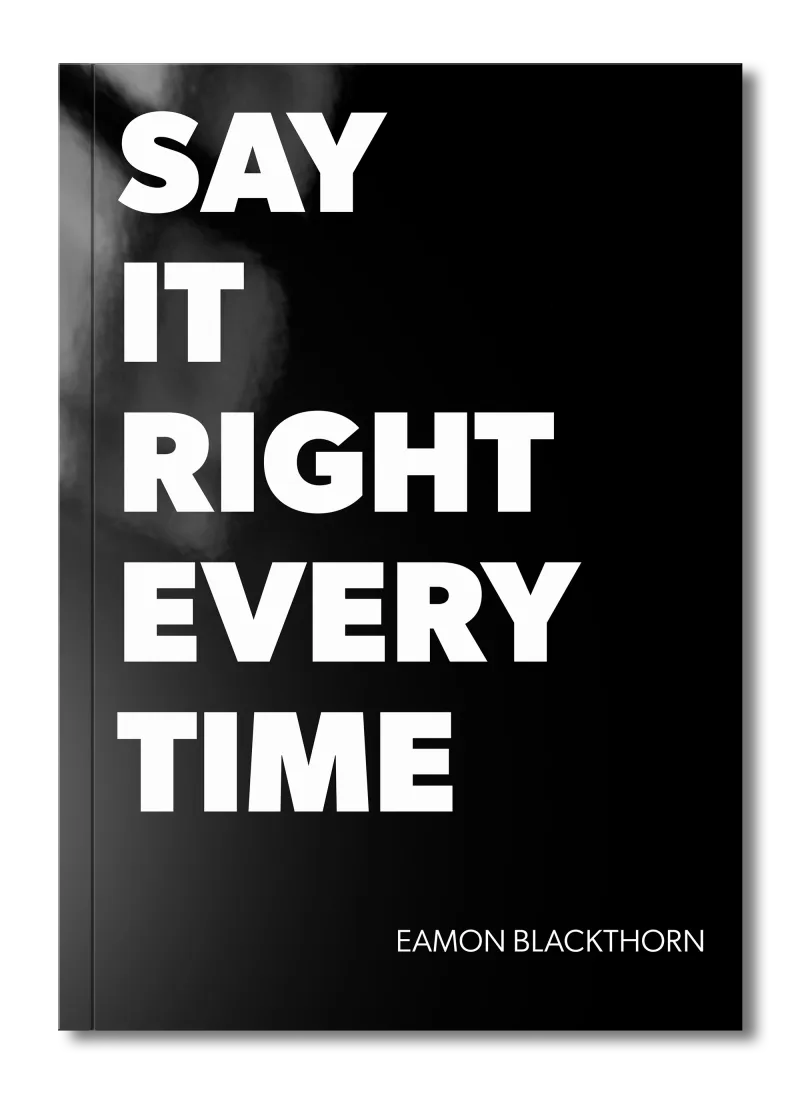
This is exactly the kind of scenario I break down in Say It Right Every Time. The chapter on high-stakes apologies gives you a framework for sequencing your message so that accountability comes before solutions, not after them. Most leaders reverse that order and wonder why their announcements land flat. The sequence is not a courtesy. It is the mechanism that makes people actually believe what you say next.
Never Be Lost
for Words Again
Get word‑for‑word scripts for the conversations that shape your life, from job interviews and negotiations to difficult talks with family and partners, so you always know exactly what to say and how to say it.
Never Be Lost
for Words Again
Get word‑for‑word scripts for the conversations that shape your life, from job interviews and negotiations to difficult talks with family and partners, so you always know exactly what to say and how to say it.
Key Takeaway
Before your next public statement on a crisis, write two sentences before you write anything else. Sentence one: what specifically went wrong and who was hurt by it. Sentence two: what you are personally taking responsibility for. If you cannot write those two sentences clearly, you are not ready to make a public statement. Get clear on the damage before you announce the repair.