

What Happened
The PR industry has been examining what separates effective crisis communication from hollow damage control in 2025. The central argument gaining traction among practitioners is that organizations which rebuild trust fastest are those treating transparency as a genuine operating principle, not a scripted response. The conversation is shifting from "what do we say?" to "what are we actually doing?" and demanding that actions precede statements.
The Communication Angle
Most organizations get crisis communication backwards. They draft the statement first, then figure out what they can actually deliver. That sequence is the problem, and it explains why so many crisis responses feel hollow even when the words sound right.
The playbook that actually works in 2025 starts with one non-negotiable rule: your first public statement must describe an action, not a sentiment. "We are sorry this happened" is a sentiment. "We have suspended the product line and appointed an independent investigator who will report publicly in 30 days" is an action. Audiences in 2025 are conditioned to detect the difference within seconds. They grew up watching corporate apologies followed by zero change. They are not fooled anymore.
The second layer that separates successful crisis responses from failed ones is timing calibration. There is a window. It opens immediately when the crisis breaks and closes hard at around 48 hours. Organizations that wait for "all the facts" before speaking lose the narrative entirely. Here is the counterintuitive truth: you can speak before you have all the answers. You cannot, however, speak after someone else has already defined you. Acknowledge what you know, name what you do not know yet, and commit to a specific date when you will update. That three-part structure holds the floor without requiring you to lie or speculate.
The third layer is the one most organizations skip entirely: the transformation commitment. This is where trust actually gets rebuilt, not in the apology phase, but in the "here is what we are changing permanently" phase. Successful crisis communicators in 2025 are treating this phase as a public accountability contract. They name the change, name the person responsible for it, and name the date it will be complete. Vague promises about "doing better" are credibility poison at this point. Specificity is the antidote.
What ties all three layers together is a shift in the fundamental purpose of crisis communication. The goal is not to make the story go away. The goal is to demonstrate that your organization is capable of honest self-assessment under pressure. Organizations that internalize that distinction come out of crises stronger. The ones chasing story management come out weaker every time.
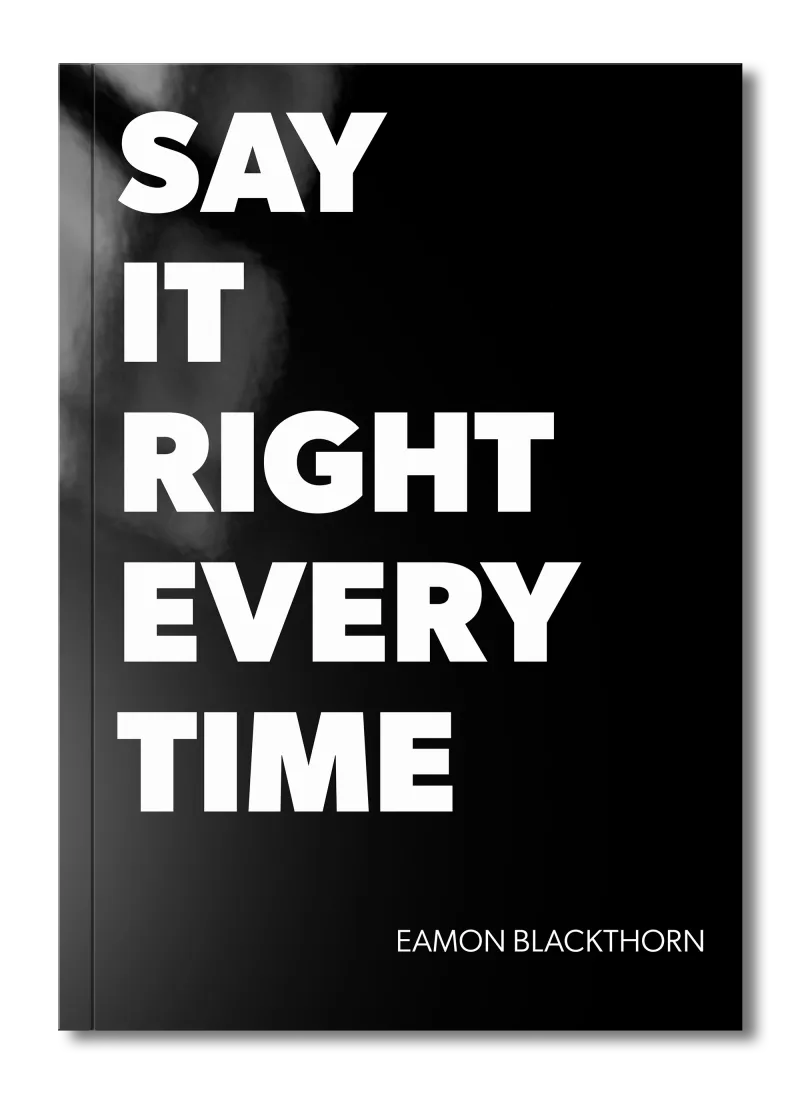
This is exactly the kind of scenario I break down in Say It Right Every Time. The chapter on high-stakes messaging gives you a framework for structuring statements that lead with credibility rather than comfort. The core idea there is that audiences under stress need precision, not warmth. When you give them both in the right order (precision first, empathy second), you get trust. When you flip that order, you get skepticism no matter how sincere you actually are.
Never Be Lost
for Words Again
Get word‑for‑word scripts for the conversations that shape your life, from job interviews and negotiations to difficult talks with family and partners, so you always know exactly what to say and how to say it.
Never Be Lost
for Words Again
Get word‑for‑word scripts for the conversations that shape your life, from job interviews and negotiations to difficult talks with family and partners, so you always know exactly what to say and how to say it.
Key Takeaway
Before your next crisis response goes out, apply this single test: read your draft and circle every sentence that describes what you feel. Then underline every sentence that describes what you will do, by when, and who owns it. If you have more circles than underlines, rewrite before you publish. Feelings are not accountability. Actions are.