

What Happened
The role of the modern CEO has shifted. Leaders are no longer just running companies. They are now expected to run something closer to a media operation, producing content, broadcasting opinions, and building audiences. The C-suite has become a stage, and executives who stay silent are not playing it safe. They are simply ceding ground to someone else.
The Communication Angle
Let's start with the real event here. This is not about LinkedIn posts or podcast appearances as nice extras. The shift described is structural. Audiences, employees, investors, and customers now expect direct access to the person at the top. Not a press release. Not a spokesperson. The actual human being with actual opinions.
Here is what this means in practice. When a CEO speaks publicly and consistently, they are doing something specific: they are collapsing the distance between the institution and the individual. People trust people. They do not trust logos. Every time a CEO publishes a clear, direct take on something real, they are making a deposit in a trust account that no marketing budget can build.
The communication technique at the center of this shift is called point-of-view messaging. This is not thought leadership, that bloated phrase that means nothing. Point-of-view messaging means picking a lane and staying in it. It means a CEO saying "here is what I believe about our industry and why" and saying it in plain language without a legal team watering it down into mush. The CEOs who are winning at this are not necessarily the most eloquent. They are the most consistent and the most direct.
Here is where most executives fail. They treat public communication as a performance review rather than a conversation. They say careful things. They avoid opinions. They protect the downside. The result is content that no one reads, remembers, or shares. The irony is that trying to offend nobody results in reaching nobody. Specificity is what earns attention. A CEO who says "remote work killed our culture and here is exactly what we did about it" will build more trust in one post than a year of quarterly earnings calls filled with "we remain cautiously optimistic."
The new media reality for executives is not about volume. It is about voice. One clear, consistent, opinionated voice, deployed regularly, in the CEO's own words, on the platforms where their audience lives. That is the entire formula.
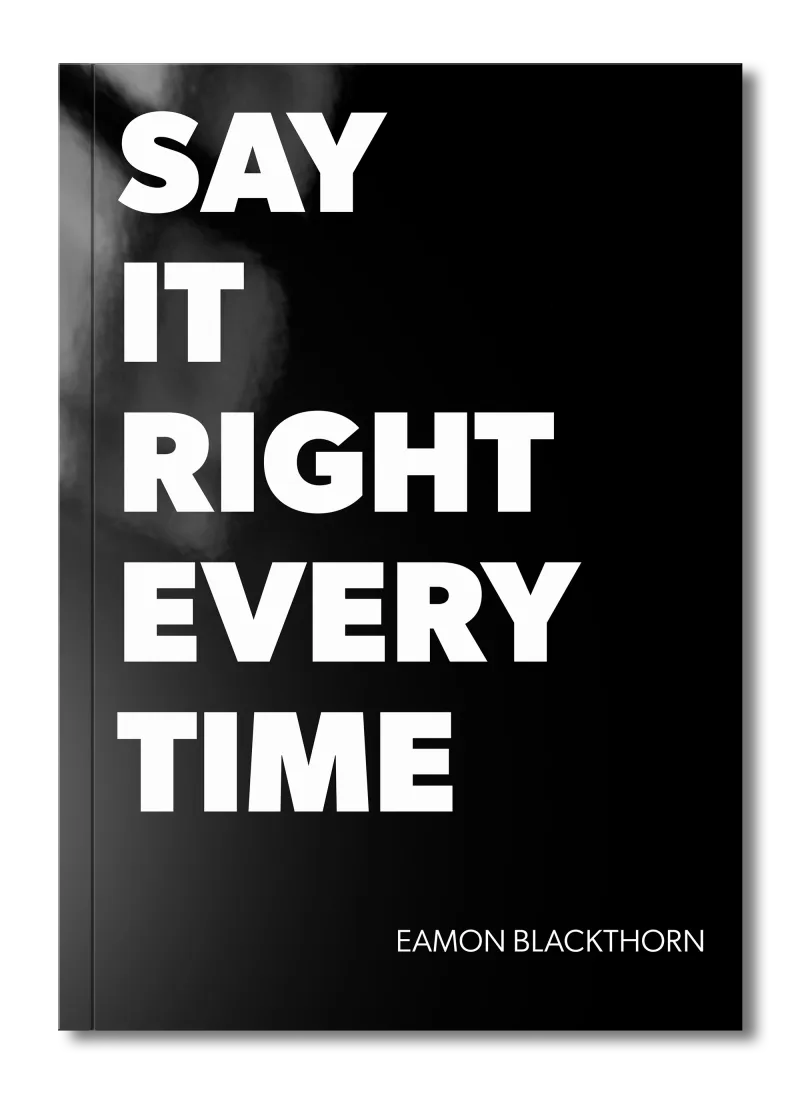
This is exactly the kind of scenario I break down in Say It Right Every Time. The chapter on owning your message gives you a framework for developing a personal communication position, the specific point of view that makes you recognizable and trusted, so that every public statement you make builds on the last one instead of starting from zero.
Never Be Lost
for Words Again
Get word‑for‑word scripts for the conversations that shape your life, from job interviews and negotiations to difficult talks with family and partners, so you always know exactly what to say and how to say it.
Never Be Lost
for Words Again
Get word‑for‑word scripts for the conversations that shape your life, from job interviews and negotiations to difficult talks with family and partners, so you always know exactly what to say and how to say it.
Key Takeaway
Pick one topic where you have a genuine, informed opinion. Write three sentences about it: what you believe, why you believe it, and what it means for your industry. Publish it this week. Do not workshop it through five rounds of edits. The roughness is proof it is real. Do this once a week for sixty days and watch what happens to how people perceive you.