

What Happened
Harvard Law School's corporate governance forum published a deep look at what separates effective board leadership from the kind that quietly destroys companies. The piece examines the dual reality facing board chairs and directors: mastering leadership communication creates outsized results, while getting it wrong carries serious institutional risk. The stakes are not abstract. Boards that communicate poorly make bad decisions and lose the room before they ever lose a vote.
The Communication Angle
Here is the core contrast worth examining: the board chair who commands a room versus the board chair who merely occupies it.
The commanding chair does something most people underestimate. They speak last during debate, not first. This is not passivity. This is power. When you speak first as the most senior person in the room, you contaminate the discussion. Everyone filters their opinion through yours. You get agreement, not thinking. The chair who holds their position until others have fully committed to their views gets honest input, and then shapes the synthesis. That is influence. Speaking first is just authority wearing a costume.
The chair who merely occupies the seat does the opposite. They open every agenda item with their own framing. They telegraph their preferences. They mistake the sound of consensus for the reality of it. What they are actually hearing is a room full of intelligent people telling them what they want to hear. That is the fastest road to a catastrophic blind spot.
The second contrast is even more practical: how these two types of leaders handle disagreement in real time. The effective board leader names conflict directly. They say, "We have two genuinely different views on this, and I want both fully on the table before we move." That sentence does three things. It legitimizes dissent, it slows the momentum toward a premature decision, and it signals that the leader is confident enough to sit with tension. That confidence is contagious. It makes the whole room better.
The ineffective leader smooths conflict over. They say things like "I think we're basically aligned" when the room is not aligned at all. This feels like leadership. It is actually conflict avoidance dressed in a blazer. The friction they bury today becomes the crisis they cannot explain next quarter.
This is exactly the kind of scenario I break down in Say It Right Every Time. The chapter on "Leading the Room Without Filling It" gives you a framework for managing group communication when your status can actually work against honest dialogue. The techniques there are built for exactly this situation: when the most dangerous thing you can do is talk too much.
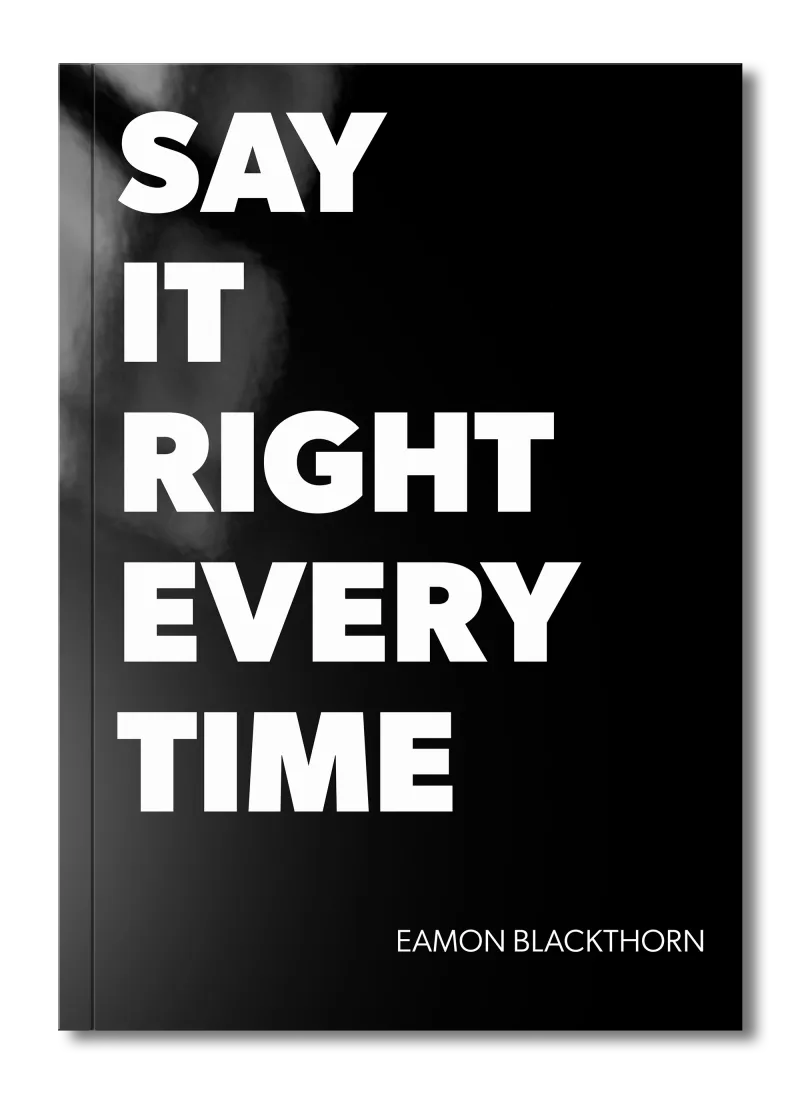
Never Be Lost
for Words Again
Get word‑for‑word scripts for the conversations that shape your life, from job interviews and negotiations to difficult talks with family and partners, so you always know exactly what to say and how to say it.
Never Be Lost
for Words Again
Get word‑for‑word scripts for the conversations that shape your life, from job interviews and negotiations to difficult talks with family and partners, so you always know exactly what to say and how to say it.
Key Takeaway
Before your next board meeting or high-stakes group discussion, write down the two or three views you expect to clash during the meeting. Then prepare one specific, neutral question for each clash point. A question that opens the disagreement rather than closing it. When the moment comes, ask the question instead of offering your opinion. You will get better information, better decisions, and a room that trusts your leadership more because you trusted them first.