
In Short
After reading this, you will be able to use the L.E.A.D. Method to restore team synergy when your team has lost confidence in your leadership.
- Listen before you explain or defend
- Name what went wrong and articulate a clear direction forward
- Define concrete next steps that your team can hold you accountable to
Restore team synergy means rebuilding the collective trust, shared direction, and collaborative energy that allow a team to work as a unified whole after a breakdown in leadership confidence has caused that cohesion to fracture.
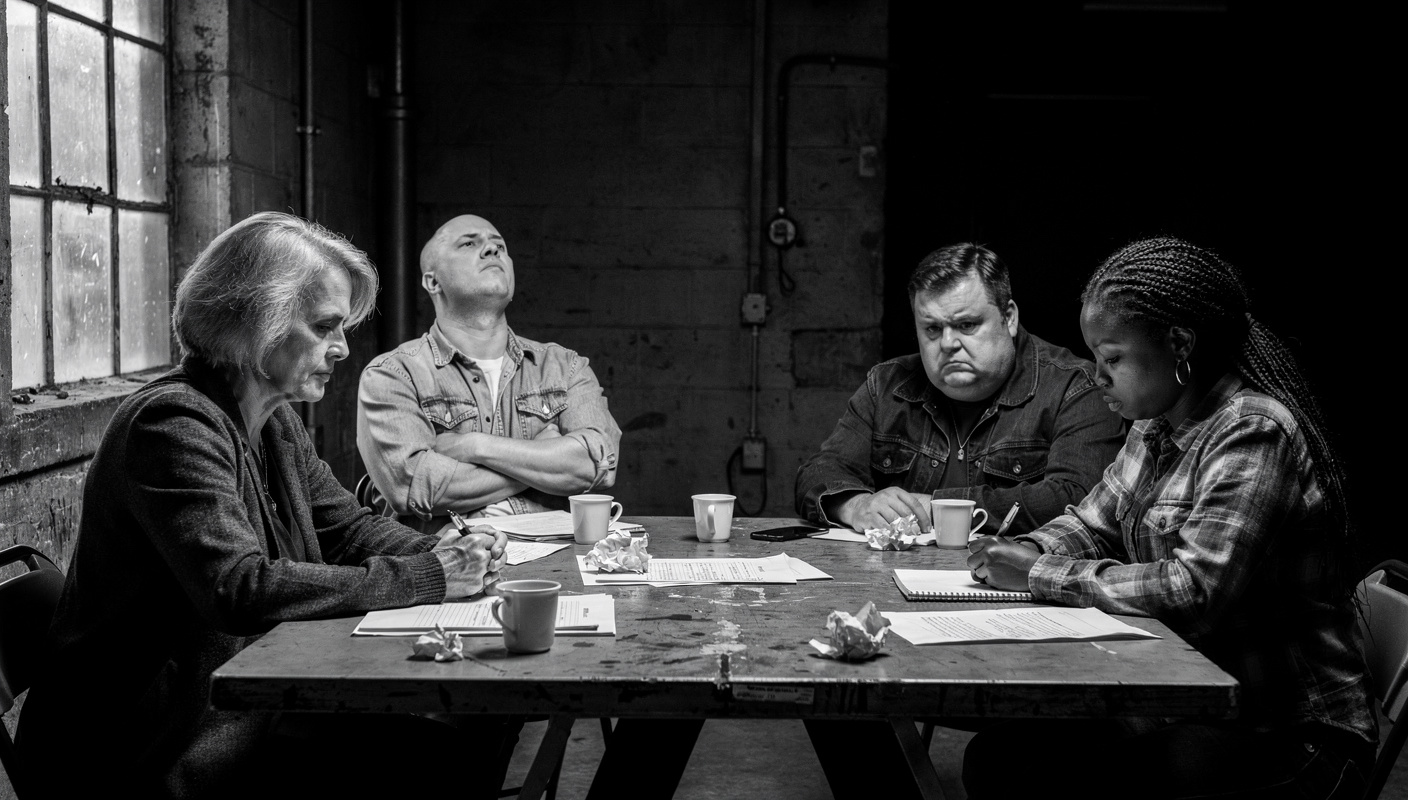
There is a particular silence that falls over a team that no longer believes in its leader. You walk into the room and the conversation stops, not from respect, but from withdrawal. People do their jobs, but they do not commit. They answer your questions, but they do not share their real concerns. The team still functions, technically. But the synergy, the sense of pulling in the same direction with genuine energy, is gone.
I have been on both sides of that silence. I have been the leader who caused it, through avoidance, through poor communication, through telling people what I hoped was true instead of what actually was. And I have spent decades learning how to come back from it.
The hardest part is not knowing what to say. The hardest part is that most leaders do not have a clear structure for that conversation. They try to fix it with enthusiasm, with vision, with promises. And their team watches all of it with crossed arms and a long memory.
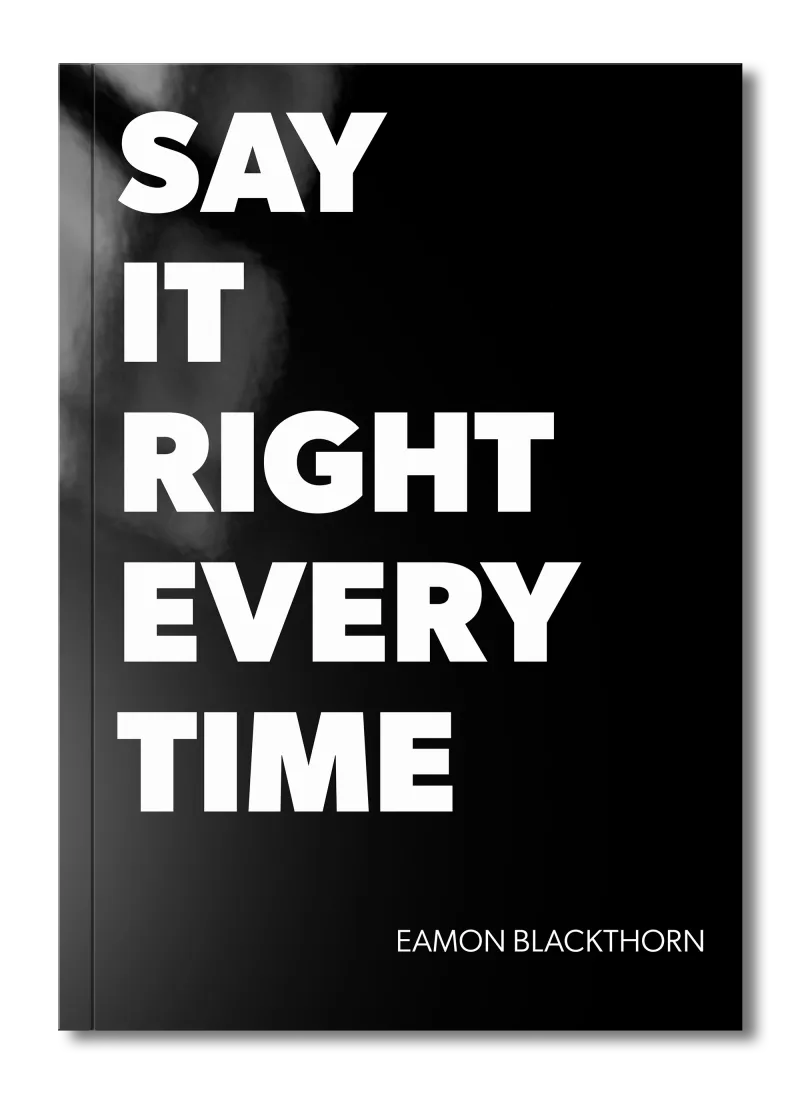
In this guide, you will get a clear, practical process to restore team synergy using a framework I call the L.E.A.D. Method, which I introduce in Chapter 7 of Say It Right Every Time. You can apply it immediately. If you want to understand what team synergy looks like when it is working well before you try to rebuild it, How Leaders Foster a Culture of Team Synergy is the place to start.
Why Restoring Team Cohesion Is Harder Than It Looks
You already know this is important. Knowing that does not make it easier.
The gap between understanding that trust is broken and actually knowing how to repair it is wider than most leaders expect. You cannot think your way through it. You need a method, and even with one, there are real forces working against you.
Your team remembers everything. The specific moment confidence broke, the exact words that were said or not said, the promise that went unkept. Your team carries a precise record of what went wrong, and they will measure every move you make against it. This is not unfair. It is how trust actually works.
Defensiveness is your first instinct, and it is fatal. When you feel accused, you want to explain. You want to give context. You want to correct the record. Every time you do that before genuinely listening, you confirm your team's worst suspicion: that you care more about being right than about them.
Synergy cannot be forced. You can command people to attend meetings. You cannot command them to collaborate with real energy. The collective momentum that defines genuine team synergy only returns when people choose to give it, and that choice belongs entirely to them.
One mixed signal undoes weeks of progress. A leader who listens well on Monday but dismisses feedback on Friday has not made progress. The team notices the Friday moment far more than the Monday one. Consistency is the only currency that works here.
Most leaders underestimate how personal this is. Losing confidence in a leader is not an abstract professional judgment. It is experienced as a betrayal. People feel let down in a very human way, and they need more than a strategy update to feel differently.
The goal is not to eliminate these difficulties. It is to build a system that works in spite of them.
"The Conversation You're Avoiding Is the One You Need to Have."
"The Conversation You're Avoiding
Is the One You Need to Have."
Stop rehearsing conversations you'll never have. Say It Right Every Time gives you 115 word-for-word scripts and 16 proven frameworks to speak with confidence in every conversation that matters.
The Foundation: What You Need Before You Start
Before you begin, there are three things that need to be clear.
Honest self-assessment first. You need to know, specifically, what caused the breakdown. Not a general sense of "things got difficult," but the actual moments and decisions that eroded your team's confidence. Without this clarity, you cannot speak honestly in the conversations ahead. Your team will know immediately if you are vague about what went wrong, and that vagueness will read as evasion.
A genuine commitment to change, not performance. The L.E.A.D. Method is not a communication technique for managing perceptions. It is a framework for real repair. If you begin this process without genuine intention to change your behaviour, your team will see through it within weeks. The method only works when what you say in the conversation matches what you actually do afterward.
Patience measured in months, not meetings. Rebuilding synergy after a confidence collapse takes time. One strong conversation does not restore trust. It begins to restore it. You need to commit to consistent follow-through long after the initial conversations are done. Leaders who expect immediate results after one honest meeting often become frustrated and revert to old patterns, which does more damage than the original breakdown.
Get these right first. The steps that follow will not work without them.
Step 1: Listen First
Listening first is not a courtesy; it is the foundational act that makes everything else in this process credible.
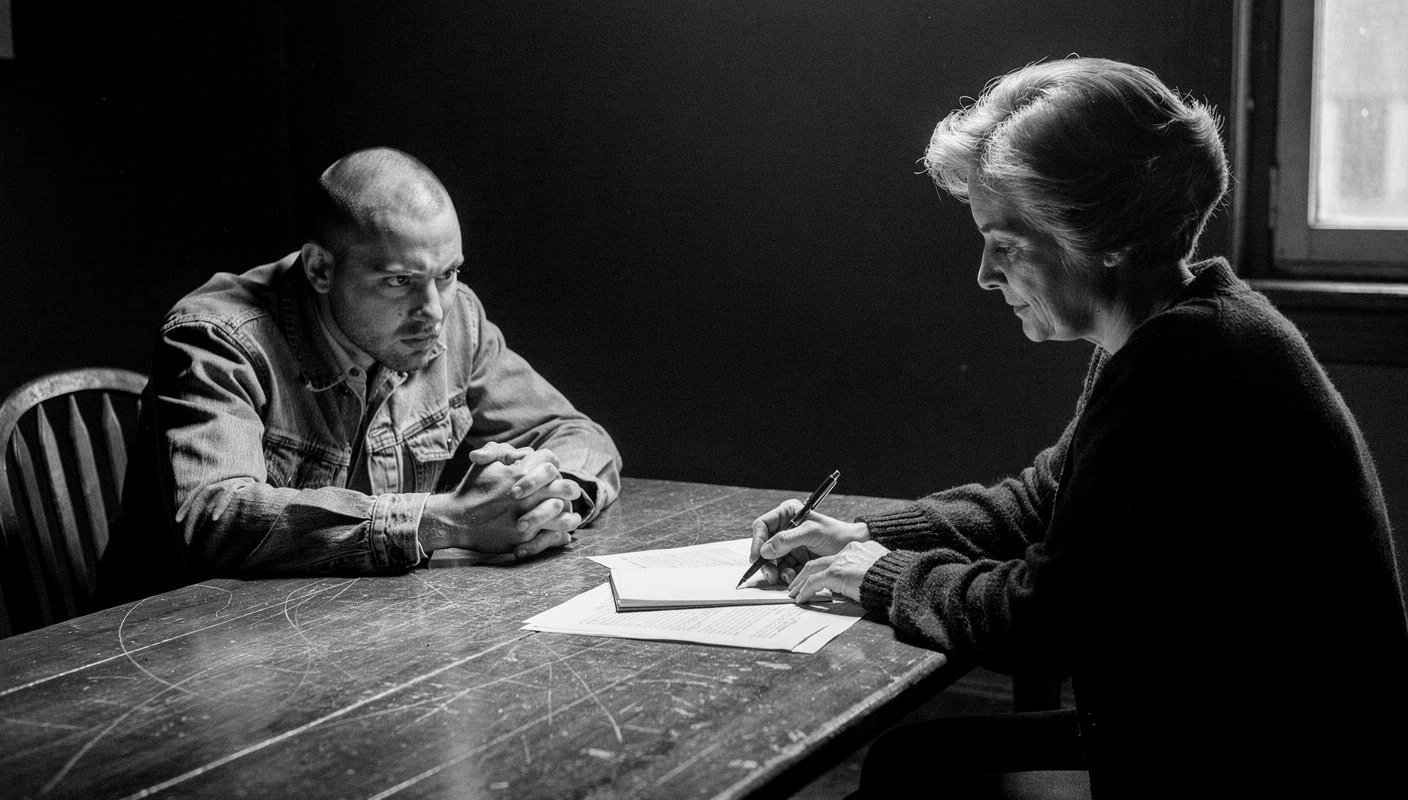
Before you offer explanations, share your vision, or propose solutions, you must create a structured space for your team to tell you what they have experienced. This is harder than it sounds, because listening without defending requires you to hold your instinct to clarify or correct. You are not gathering information to use later. You are signalling, through your full attention, that your team's experience is real and that it matters more to you than your own reputation in this moment.
In Chapter 7 of Say It Right Every Time, I describe the first step of the L.E.A.D. Method as Listen First. The principle behind it is simple: you cannot lead people who do not believe you are listening. Everything else, the vision, the plan, the next steps, falls on closed ears if this step is skipped or rushed.
- Schedule a dedicated listening session, separate from any regular team meeting, so it does not feel like an agenda item.
- Tell the team explicitly that your purpose is to hear their perspective, not to respond or defend.
- Ask one open question and then stay silent: "What has your experience been over the past few months?"
- Take notes visibly. This shows the conversation is being taken seriously and creates a record you can return to.
- At the end, summarise what you heard in their language, not your own interpretation.
Script: "I want to be honest with you. I know things have not been working well, and I know some of that is on me. I am not here today to explain myself or to pitch a new plan. I just want to hear from you, specifically, what has felt wrong. You do not have to be polite about it. I need the real picture."
After this step, your team will not yet trust you. But they will have experienced something they may not have expected: a leader willing to be uncomfortable for their sake. That is the first crack in the wall.
Step 2: Empathize
Empathy in leadership is not sympathy, and it is not softness. It is the precise, honest acknowledgement of what your team has been carrying.
After listening, you need to name what you heard. Not paraphrase it neutrally, but actually say: this was hard, this was unfair, this made your work more difficult, and I understand why you feel the way you do. Many leaders are afraid to do this because they worry it sounds like an admission of incompetence. It is actually the opposite. It takes more courage and self-awareness to say "I can see how my decisions caused real harm to this team's ability to work together" than to offer a polished explanation of why the decisions were actually correct.
The concept I return to throughout Say It Right Every Time is what I call Honesty Over Hope: telling people the truth about what happened rather than the story you wish were true. Empathy is where that principle lives in practice.
- Use the specific words and examples your team gave you in the listening session. Generic empathy lands as hollow.
- Say clearly what you now understand about the impact of specific decisions or behaviours on the team's cohesion.
- Do not qualify your acknowledgement with "but." The word "but" erases everything before it.
- If you made a promise you did not keep, name it directly and take responsibility without explanation.
- Ask: "Is there anything I have missed, or anything you need me to understand better?"
When you name their experience accurately, something shifts. People feel heard not just in words but in the leader's actual comprehension of the damage. That is what begins to soften the distance between you. As I wrote in Say It Right Every Time: "Change always involves loss. Acknowledge what your team is losing, whether it's a familiar process, a comfortable routine, or a sense of security. Give them space to grieve."
After this step, the defensive posture in the room often begins to ease. The team is not yet aligned, but they are beginning to believe you might be someone worth aligning with again.
Step 3: Articulate Your Vision
Once your team feels heard and acknowledged, they are ready to hear where you are going. Not before.
This is where many leaders get the sequence wrong. They arrive at the first conversation already loaded with the vision, the new strategy, the compelling future. They lead with it, before listening, before empathy, and the team experiences it as avoidance dressed up as inspiration. The vision only lands when trust has been partially restored by the steps before it.
The Articulate Your Vision step of the L.E.A.D. Method is about Clarity Over Comfort, another principle from Chapter 7 of Say It Right Every Time. You are not selling a future. You are being honest about the present, honest about the challenges ahead, and clear about the direction you intend to lead the team toward.
- Describe the current reality honestly before describing the future. Do not skip straight to optimism.
- Use plain, specific language. "We are going to be more collaborative" means nothing. "We are going to start every project with a shared brief that everyone contributes to" means something.
- Connect your direction to what the team said in the listening session. Show that you heard them and that what they told you has actually shaped your thinking.
- Be explicit about what will change in your own leadership behaviour, not just in team processes.
- Invite challenge: "If this does not sound right to you, I want to know now, not three months from now."
Script: "Based on what you told me, here is what I think needs to change. I have been making decisions without enough input from this group, and that has broken the sense of shared ownership that makes a team actually work. Going forward, I am committing to bring major decisions to this team before they are final. I want your challenge and your input. I cannot promise I will always do what the majority wants, but I can promise you will always know my reasoning."
After this step, your team has a direction they can evaluate. They do not yet fully believe it. But they have something specific to watch for, and watching is how trust gets rebuilt.
Step 4: Define the Next Steps
A clear vision without defined actions is just a speech, and your team has heard enough speeches.
The final step of the L.E.A.D. Method is to turn everything that has been said into concrete, visible, trackable commitments. These commitments need to be specific enough that your team can hold you accountable to them. Vague next steps, "we will communicate better," "we will work on trust," are worse than no steps at all because they signal that nothing real is going to change.
The reason this step matters so much for restoring team synergy specifically is that collective energy, the kind that makes a team more than the sum of its parts, only returns when people see consistent follow-through from their leader. One honest conversation is a beginning. Defined, kept commitments are what actually rebuild the cohesion.
- Name two or three specific changes you will make to your own behaviour, with a timeframe attached to each.
- Define at least one change to how the team works together, arrived at collaboratively in the conversation.
- Establish a follow-up meeting, scheduled before you leave the room, to review whether commitments have been kept.
- Ask each person to name one thing they need from you in the next 30 days. Write it down.
- At the follow-up meeting, begin by reporting on your own commitments before asking about theirs.
Script: "Here is what I am committing to, and I want you to hold me to these. First, I will share the reasoning behind every major decision within 24 hours of making it. Second, I will hold a 15-minute check-in with each of you individually once a week for the next 60 days. Third, I will bring the Q3 resource plan to this team before it is finalised. I have written these down. I want you to have a copy too."
After this step, your team has something they did not have before: a specific basis for deciding whether to trust you again. That is the right position to be in. How to Rebuild Team Synergy After Conflict or Organizational Change covers what to do in the weeks that follow as you work to sustain this momentum.
Step 5: Follow Through Visibly
The L.E.A.D. conversation is not the end of the process. It is the beginning of the proof.
Everything your team decides to believe about your commitment will be based on what they observe in the days and weeks after the conversation. This step is about making your follow-through visible, not just doing what you said you would do, but doing it in a way your team can actually see and acknowledge. Silence breeds uncertainty. Visible action is what closes the gap between a good conversation and restored team synergy.
- At every team meeting for the next 60 days, open with a brief update on your own commitments: what you did, what you are still working on, and any obstacles you hit.
- When you make a decision that affects the team, share your reasoning before they have to ask. Do this even when the news is difficult.
- Use the S.B.I. Method from Chapter 5, which stands for Situation, Behavior, Impact, when giving feedback to team members. It keeps feedback specific and fair, which reinforces the culture of honest communication you are trying to build.
- Publicly recognise team members when the early signs of restored collaboration appear. Name the specific behaviour, not just the outcome.
- Ask for feedback on your own leadership at the 30-day mark: "What is one thing I am doing well, and one thing I could do differently?"
Script for the 30-day check-in: "I want to ask you something directly. It has been 30 days since we had that conversation. Based on what you have seen since then, do you feel things are moving in the right direction? What have I done that has helped, and where am I still falling short? I am asking because I want the real answer, not the polite one."
After this step, your team begins to update its belief about you based on evidence rather than history. That is the shift that makes long-term synergy possible. For more on how to keep this momentum during structural change, How to Sustain Team Synergy During Leadership Transitions and Restructuring is worth reading alongside this process.
Adapting This Process for High-Conflict Team Environments
In a high-conflict team environment, the emotional temperature is already elevated before you begin, and that changes the execution of every step.
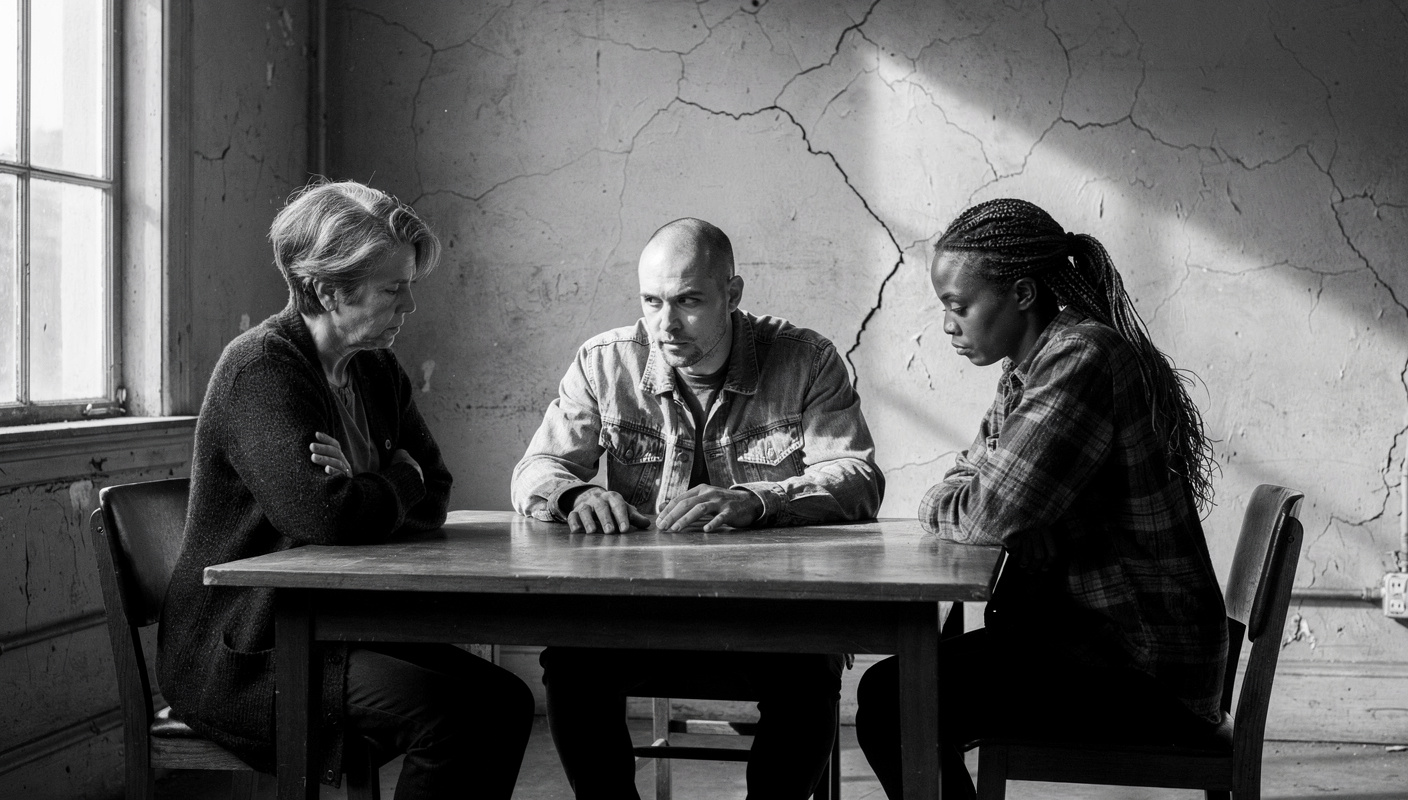
Some teams do not just have low confidence in leadership. They have active resentment, unresolved interpersonal tensions, and a pattern of communication that has normalised blame and withdrawal. The L.E.A.D. Method still works in these environments, but it requires specific adjustments.
Begin with individual conversations, not group sessions. In high-conflict teams, a group listening session can escalate rather than open dialogue. People perform for each other, old grievances surface, and the loudest voices dominate. Conduct the Listen First and Empathize steps one-on-one before bringing the team together. This protects individuals and gives you a more honest picture of what is actually happening. Signs Your Team Lacks Synergy and How to Fix It can help you diagnose the specific type of conflict you are dealing with.
Name the conflict explicitly in the group session. When you do bring the team together to Articulate Your Vision, acknowledge the interpersonal tension directly: "I know there are some difficult dynamics between people in this room, and I am not pretending otherwise." Avoiding it signals weakness. Naming it demonstrates the courage to lead through discomfort.
Use the S.B.I. structure for any confrontational moments. If someone challenges you or another team member in the group session, use the Situation, Behavior, Impact framework to keep the conversation specific and fair. Generalisations ("you always do this") destroy psychological safety. Specific, observable descriptions preserve it.
Slow down the vision step. In high-conflict environments, people are more sceptical of optimism. Spend more time in the honest current-state description before moving to direction. If What Is Role Clarity and Why It Is the Foundation of Sustainable Team Synergy is also a factor, address overlapping roles explicitly in your defined next steps.
The core process holds. Only the execution changes.
Common Mistakes to Avoid
Let me tell you about the mistakes I see most often. I have made most of them myself.
The mistake: Starting with the vision before listening.
Why it happens: Leaders are trained to lead with direction, and they confuse confidence with credibility.
What to do instead: Follow the sequence. Listen first, always. The vision has no power until trust is partially restored.
The mistake: Offering a qualified apology: "I am sorry if anyone felt that way."
Why it happens: Leaders fear that a full acknowledgement will be used against them or will signal incompetence.
What to do instead: Acknowledge specifically what happened and the impact it had. A direct, unqualified acknowledgement is the only kind that repairs anything.
The mistake: Making too many commitments in the Define Next Steps conversation.
Why it happens: Leaders want to demonstrate total responsiveness and end up overpromising in the room.
What to do instead: Name two or three commitments that you can absolutely keep. Two kept promises are worth ten broken ones.
The mistake: Treating the L.E.A.D. conversation as a one-time event.
Why it happens: The relief of having the hard conversation makes it tempting to consider the problem resolved.
What to do instead: Schedule the follow-up before you leave the room and treat Step 5 with the same rigour as the conversation itself.
The mistake: Failing to communicate the reasoning behind strategic changes that follow the repair process.
Why it happens: Leaders assume the team now trusts them enough to accept decisions without explanation.
What to do instead: Read How to Communicate a Strategic Change to Your Team in a Way That Preserves Synergy and apply that framework for every major decision that follows.
The mistake: Avoiding difficult follow-up conversations because the initial session went well.
Why it happens: The positive energy of the first conversation creates a reluctance to disrupt it with hard truths.
What to do instead: Use the How to Use the B.R.I.D.G.E. Method to Rebuild Synergy After a Team Breakdown framework alongside L.E.A.D. for ongoing repair work.
These are not character flaws. They are gaps in the system. Fix the system.
Your Practical Checklist
Use this checklist before you begin and after each cycle.
- I have identified the specific moments or decisions that caused the confidence breakdown.
- I have committed internally to genuine change, not just improved communication.
- I have scheduled a dedicated listening session, separate from regular meetings.
- I have prepared an open question and practiced staying silent after asking it.
- I have reviewed my notes from the listening session and can name specific impacts in the team's own language.
- I have acknowledged what went wrong without qualifying the apology.
- I have connected my vision to what the team told me in the listening session.
- I have named two or three specific, trackable changes to my own leadership behaviour.
- I have scheduled a follow-up meeting before leaving the initial conversation.
- I have asked each team member what they need from me in the next 30 days and written it down.
- I have a plan to make my follow-through visible, not just to do it quietly.
- I have scheduled a 30-day feedback conversation to assess whether the team sees progress.
If you cannot check most of these, that is your starting point.
Summary and Next Steps
You now have a complete process to restore team synergy when your team's confidence in your leadership has broken down. You also have a framework for understanding why most attempts to fix it fail.
- The L.E.A.D. Method, from Chapter 7 of Say It Right Every Time, gives you four sequential steps: Listen First, Empathize, Articulate Your Vision, and Define the Next Steps.
- Sequence matters more than skill. The vision only lands after listening and empathy have opened the door.
- Genuine team synergy cannot be commanded; it returns when people choose to give their energy, and that choice follows demonstrated trustworthiness.
- Visible follow-through is the fifth and most important step, because evidence is the only thing that updates a team's belief about its leader.
- High-conflict environments require individual conversations before group sessions, but the core method holds.
- Two kept promises are worth more than ten eloquent ones.
- As I wrote in Say It Right Every Time: "Your team is counting on you. Not to be perfect, but to be present."
For the broader picture of what healthy team synergy looks like once it is restored, How Leaders Foster a Culture of Team Synergy will show you what to build toward. If your team is facing structural change alongside this repair process, How to Communicate a Strategic Change to Your Team in a Way That Preserves Synergy will help you hold the progress you have made while navigating the transition. For the full framework and all the scripts referenced here, Say It Right Every Time is where they live.
Restoring team synergy after a confidence collapse is not a management exercise. It is a test of your willingness to be honest, consistent, and courageous when it costs you something, and that is exactly where real leadership begins.
Frequently Asked Questions (FAQ)
What is the L.E.A.D. Method for restoring team synergy?
The L.E.A.D. Method is a four-step leadership communication framework from Say It Right Every Time. It stands for Listen First, Empathize, Articulate Your Vision, and Define the Next Steps. It gives leaders a structured process to rebuild collective trust and restore team synergy after a confidence breakdown.
How do you restore team synergy after losing your team's trust?
To restore team synergy after a trust breakdown, start by listening without defending. Acknowledge what your team experienced, give them an honest picture of where things are going, and define clear next steps together. Consistency between your words and actions is what actually rebuilds confidence over time.
Why does team synergy collapse when leadership loses credibility?
Team synergy collapses because cohesion depends on shared direction, and shared direction depends on trust in leadership. When people stop believing their leader is honest or competent, they stop pulling together. Individual self-protection replaces collective effort, and the collaborative energy that drives synergy disappears quickly.
How long does it take to restore team synergy after a leadership crisis?
Restoring team synergy after a leadership crisis typically takes weeks to months, not days. The speed depends on how long the damage went unaddressed and how consistently the leader acts after committing to change. Visible, repeated follow-through is the only thing that compresses the timeline.
What is the first step in the L.E.A.D. Method for team synergy?
The first step is Listen First. Before offering solutions or explanations, the leader creates a structured space for the team to speak honestly. This signals that the leader values input over appearance, which is the essential first move in rebuilding the psychological safety that team synergy requires.
Can the L.E.A.D. Method work for remote teams trying to restore synergy?
Yes. The L.E.A.D. Method adapts well to remote teams, though each step requires deliberate adjustment. Listening sessions move to one-on-one video calls, empathy must be expressed more explicitly without physical cues, and defined next steps need written documentation so nothing is lost between asynchronous team members.