
In Short
This article covers one core framework, the B.R.I.D.G.E. Method, and shows you how to use all six steps to repair a relationship after you have confronted someone about their toxic traits.
- The B.R.I.D.G.E. Method: six steps from apology to follow-up, built for post-confrontation repair.
- Decision guidance: when the method works, when it does not, and how to adapt it.
- A fluency plan: how to practice the method so you can use it under pressure.
The B.R.I.D.G.E. Method is a six-step relationship repair framework, Begin with an Apology, Reaffirm the Relationship, Identify the Breakdown, Discuss New Expectations, Gain Agreement, and Establish a Follow-up, designed to rebuild trust after a damaging conflict or confrontation about toxic behavior.
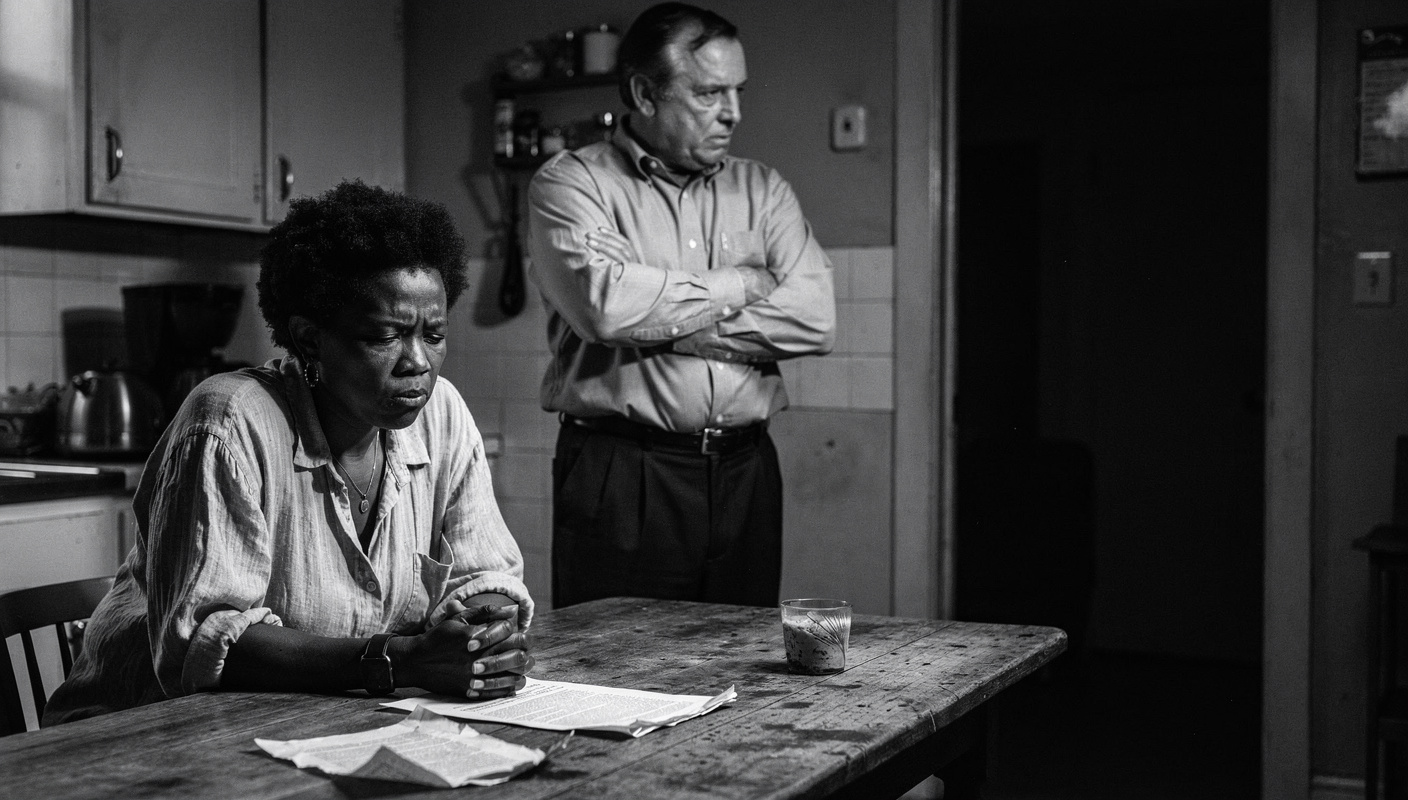
You did the hard thing. You sat down with someone whose toxic traits were damaging your working relationship, or your team, or your own wellbeing, and you said what needed to be said. Now comes the part nobody warns you about. The confrontation created space, but it also left wreckage. Defensiveness, wounded pride, awkward silences. You said your piece, and now neither of you quite knows what to do with the silence that followed. This is where most people lose the ground they fought to gain. They confronted the toxic behavior, got through it, and then had no structure for what came next.
The B.R.I.D.G.E. Method exists precisely for this moment. I introduce it in Chapter 9 of Say It Right Every Time, as a six-step repair framework built for the aftermath of difficult confrontations. The method gives you a clear path from the end of the hard conversation to the beginning of something better. Without it, even the best confrontation can unravel within days.
Why Repair Needs a Structure, Not Just Good Intentions
Good intentions dissolve under pressure. That is not a character flaw. It is simply what happens when two people are standing in the emotional wreckage of a toxic traits confrontation and trying to rebuild by instinct. One person says the wrong thing. The other person hears an old wound reopened. The conversation spirals, or worse, both people retreat into silence that calcifies into permanent distance.
Structure does not remove the emotion from repair. It gives the emotion somewhere useful to go. When you have a step to follow, you do not have to improvise under pressure. You do not have to remember every good intention you had when you were calm. You reach for the method, and the method carries you through.
I have watched too many managers confront a team member's undermining behavior, handle the confrontation well, and then destroy all the progress within 48 hours simply because they had no plan for what came next. The confrontation was only half the work. Repair is the other half. If you want a framework that addresses the conflict itself before the repair stage, the D.E.A.L. Method is worth your time. But once the confrontation has happened, what you need is B.R.I.D.G.E.
"The Conversation You're Avoiding Is the One You Need to Have."
"The Conversation You're Avoiding
Is the One You Need to Have."
Stop rehearsing conversations you'll never have. Say It Right Every Time gives you 115 word-for-word scripts and 16 proven frameworks to speak with confidence in every conversation that matters.
The B.R.I.D.G.E. Method: All Six Steps in Practice
The B.R.I.D.G.E. Method, as outlined in Chapter 9 of Say It Right Every Time, is a six-step relationship repair framework designed for use after a conflict or confrontation. I built it for the specific moment when the hard words have already been spoken and both parties need a structured path forward. Each letter names a step, and each step has a specific job to do. Skip one, and the whole structure weakens.
Here is the full method, with each step shown in use.
Step 1: B. Begin with an Apology
What it is: A genuine, specific apology for your part in the breakdown. Not a non-apology. Not "I'm sorry you felt that way." An honest acknowledgment of what you did or failed to do that contributed to the situation reaching this point.
What it is designed for: Lowering defenses. You cannot repair a relationship while both people are armored up. A real apology signals that you are not here to win; you are here to repair.
How it works:
- Name the specific behavior you are apologizing for.
- Acknowledge the impact it had, without minimizing it.
- Stop. Do not immediately pivot to what the other person did. Let the apology stand alone.
In practice: "I want to start by apologizing for the way I handled things in last week's meeting. I raised the issue in front of others rather than coming to you privately first. That was unfair to you, and I understand it would have felt like an ambush. I am sorry for that."
When to use it: Always, as your opening move in any repair conversation.
When not to use it: Do not manufacture an apology if you genuinely cannot identify your contribution. A hollow apology poisons the repair from the start. If your slate is truly clean, reframe step one as an acknowledgment of how difficult the confrontation must have been to receive.
Eamon's note: The apology is the keystone of this whole arch. Every other step depends on it holding. I have seen people rush through it in fifteen seconds to get to the "real" conversation. That is exactly backwards. The apology is the real conversation. Give it its full weight.
Step 2: R. Reaffirm the Relationship
What it is: A clear, direct statement of why this relationship matters to you and why you want to preserve it.
What it is designed for: Reminding both of you that you are not here to end something. You are here because the relationship has value worth protecting.
How it works:
- State specifically what you value about the other person or the relationship.
- Name what you stand to lose if this does not get repaired.
- Express your commitment to the process without overpromising outcomes.
In practice: "I value what we have built here. You are a strong contributor to this team, and I believe we work better together than apart. I am not here because I want this relationship to end. I am here because I want it to be better."
When to use it: Every time, immediately after the apology. This step stops the other person from concluding that the confrontation was the beginning of the end for them.
When not to use it: If the relationship is genuinely not worth preserving, do not pretend otherwise. The B.R.I.D.G.E. Method is a repair tool, not a manipulation script. Using it on a relationship you have already decided to exit is dishonest.
Eamon's note: People need to know they are not fighting for their survival before they can hear anything else. This step gives them that safety. Without it, everything you say afterward sounds like a preamble to dismissal.
Step 3: I. Identify the Breakdown
What it is: A clear, shared diagnosis of what actually broke down and why. This is where you name the toxic pattern directly, but with precision, not blame.
What it is designed for: Getting both people looking at the same problem rather than at each other. This is about separating the person from the behavior, which is a principle I return to throughout Chapter 9 of Say It Right Every Time.
How it works:
- Describe the specific behavior that caused the breakdown, not the person's character.
- Name the impact it had on the relationship, the team, or the work.
- Invite the other person to add their perspective on what contributed to the pattern.
In practice: "What I want us to look at honestly is the pattern of interrupting and dismissing ideas in team meetings. Over the last two months, this happened consistently enough that people stopped contributing. That is the breakdown I want us to address together."
When to use it: Once the apology and relationship reaffirmation have been received. Do not rush here. If the other person is still defensive, slow down and spend more time on steps one and two.
When not to use it: Do not use this step to relitigate every grievance you have stored up. Focus on the core toxic pattern that drove the confrontation. If you bring in six separate issues, the repair conversation collapses under its own weight.
Eamon's note: "Unspoken expectations are premeditated resentments." I wrote that line because I lived it. This step is your chance to make everything spoken. Be specific. Be fair. And then listen more than you talk.
Step 4: D. Discuss New Expectations
What it is: A forward-looking conversation about what different behavior looks like going forward. This is not a list of rules you hand down. It is a negotiated picture of a better working relationship.
What it is designed for: Creating a shared vision of what success looks like, so both people know what they are building toward.
How it works:
- Ask the other person what they need from you going forward.
- State clearly what you need from them.
- Together, translate those needs into specific, observable behaviors.
In practice: "Going forward, I want us to agree that disagreements happen after the meeting, not during it in front of clients. And I want you to feel that you can come to me directly if you feel I am not listening to your ideas. Can we agree to both of those?"
When to use it: After you have identified the breakdown together. Do not jump to new expectations before the diagnosis is complete. If the other person does not feel heard on the breakdown, they will not own the expectations.
When not to use it: Do not set expectations you cannot model yourself. If you ask for changed behavior that you are not willing to demonstrate, you will destroy your credibility and the repair with it.
Eamon's note: A solution that is imposed on one person is not a solution. It is a temporary ceasefire. That ceasefire will break. Build the new expectations together, or do not bother building them at all.
Step 5: G. Gain Agreement
What it is: A locked-in, explicit commitment from both parties to the new expectations. Not a vague sense of goodwill. A specific, verbal agreement with named behaviors and named accountability.
What it is designed for: Turning a good conversation into an actual commitment. Without this step, the repair conversation produces warmth but no change.
How it works:
- Summarize the new expectations you have discussed.
- Ask directly: "Can you commit to that?"
- Wait for a genuine yes, not a polite murmur.
In practice: "So we are agreed: direct concerns come to each other privately before they go anywhere else, and we check in briefly after each major team meeting to make sure we are aligned. Is that something you can commit to?"
When to use it: Always, at the end of the expectations discussion. A verbal agreement must be explicit to hold.
When not to use it: Do not push for agreement if the other person is still unsettled. A reluctant yes is not an agreement; it is a delay. If you sense resistance, return to step three and listen harder.
Eamon's note: A verbal agreement is not enough on its own. But it is the foundation everything else is built on. Do not leave this conversation without one.
Step 6: E. Establish a Follow-up
What it is: A scheduled check-in conversation, agreed in the room, to review how the new expectations are holding.
What it is designed for: Creating ongoing accountability for behavioral change. This step is what separates genuine repair from a polite conversation that changes nothing.
How it works:
- Propose a specific time for a follow-up check-in.
- Agree on what you will review: are the new expectations being met?
- Frame it as a mutual check-in, not a performance review.
In practice: "Let us agree to sit down again in two weeks, just the two of us, and honestly assess how this is going. Not to reopen old wounds, but to make sure we are both holding to what we agreed today."
When to use it: Every time, without exception. Toxic behavioral patterns do not disappear after one conversation. The follow-up is what turns a repair conversation into lasting change.
When not to use it: There is no version of this method where the follow-up is optional. If the other person resists scheduling one, that resistance is information worth paying attention to.
Eamon's note: A repaired relationship is often stronger than one that was never tested. But the repair has to be real. The follow-up is what makes it real. Agree on the date before you leave the room.
Choosing the Right Moment: When the B.R.I.D.G.E. Method Works and When It Does Not
The method is powerful. But it is not a universal solvent.
| Situation | Use B.R.I.D.G.E.? | Notes |
|---|---|---|
| Confrontation has already happened, emotions are settling | Yes | Ideal conditions. Give it 24–48 hours before initiating. |
| Both parties want to preserve the relationship | Yes | Method works best with mutual investment. |
| Toxic behavior was addressed but no repair plan followed | Yes | The method was built for exactly this gap. |
| Other person is still actively defensive | Proceed carefully | Start with steps 1 and 2 only. Do not force steps 3–6. |
| Toxic behavior is ongoing with no acknowledgment | Not yet | Use the D.E.A.L. Method to address the conflict first. |
| The relationship is not worth preserving | No | The method requires genuine intent to repair. |
| A team conversation went badly wrong | Consider first | The R.E.C.O.V.E.R. Method may be more appropriate. |
For confrontations that uncovered passive-aggressive behavior specifically, the B.R.I.D.G.E. Method needs patience at step three. Passive-aggressive patterns are rarely acknowledged openly, so the Identify the Breakdown step may require two sessions rather than one.
If the toxic traits confrontation involved a team rather than one individual, the C.O.R.E. Framework addresses the collective repair work more effectively. The B.R.I.D.G.E. Method is designed for the two-person conversation. For team-level repair after a breakdown, you may also want to read how to rebuild synergy after a team breakdown alongside this article.
The Four Mistakes That Derail Repair Conversations
Even with the right framework, people sabotage themselves. Here are the four most common failure points.
The mistake: Starting with the Identify the Breakdown step and skipping the apology entirely.
Why it happens: You are eager to fix the problem. The apology feels unnecessary when the toxic behavior was clearly not your fault.
What to do instead: Understand that your apology covers your contribution, however small. Without it, the other person hears every subsequent step as an attack.
The mistake: Treating the follow-up as optional.
Why it happens: The conversation went well. Everyone feels better. Scheduling a follow-up feels like distrust.
What to do instead: Frame the follow-up as a sign of respect, not surveillance. It shows you are taking the agreement seriously enough to check on it.
The mistake: Turning the Identify the Breakdown step into a grievance list.
Why it happens: Once you start naming what went wrong, every stored resentment wants to surface.
What to do instead: Limit this step to the core toxic pattern from the confrontation. Other issues get their own conversation. Piling on destroys the repair.
The mistake: Accepting a reluctant or vague agreement in step five.
Why it happens: You want the conversation to end on a positive note. You let "I'll try" count as a commitment.
What to do instead: Gently but directly ask for a specific yes. "I hear that you will try. Can we agree more concretely?" A reluctant commitment is not a commitment.
If the repair conversation itself starts to go wrong, do not press through. The R.E.C.O.V.E.R. Method gives you a clear process for rescuing a conversation that has derailed. And if you are struggling with how to start a difficult conversation in the first place, begin there before attempting the repair.
Building Fluency: How to Practice B.R.I.D.G.E. Before You Need It
This is what I call progressive skill-building in Chapter 12 of Say It Right Every Time: you practice a framework in low-stakes conditions so you have muscle memory when the stakes are high.
Here is a four-week plan for building real fluency with the B.R.I.D.G.E. Method.
Week 1. Write out a B.R.I.D.G.E. script for a past conflict you wish you had handled better. Do not use it. Just write it. This builds familiarity with the structure without the pressure of application.
Week 2. Practice the apology and reaffirmation steps in a low-stakes repair, a minor misunderstanding with a colleague, a dropped ball with a friend. You are training the first two steps until they feel natural.
Week 3. Use the full method, or as much of it as the situation warrants, in a real but moderate-stakes repair conversation. Pay attention to where you hesitate or drift off-script.
Week 4. Review your two conversations. Where did the method hold? Where did you skip a step? Adjust your script for the actual toxic traits confrontation you are preparing to repair.
The goal, as I describe it in that chapter, is not to produce a perfect first performance. It is to be slightly better this week than you were last week. Small changes, practiced consistently, create the kind of communicator who can repair a relationship under pressure.
For additional practice ideas that build on this progression, the how to apologize to a team member article gives step one of B.R.I.D.G.E. its own detailed treatment. It is worth reading alongside this piece.
What to Carry With You After This
Confronting toxic traits takes courage. Repairing what the confrontation unsettled takes something harder: patience, structure, and the willingness to return to the table after you have already said the most difficult thing you had to say. The B.R.I.D.G.E. Method does not promise that every relationship is salvageable. It promises that if a relationship is worth saving, you will have done everything in your power to save it. That matters. It matters to the other person, and it matters to your own integrity as someone who does not walk away from hard things simply because they are hard. Use the method. Follow all six steps. Agree the follow-up date before you leave the room. The B.R.I.D.G.E. Method is not a guarantee, but it is your best chance at something real.
Frequently Asked Questions (FAQ)
What is the B.R.I.D.G.E. Method?
The B.R.I.D.G.E. Method is a six-step relationship repair framework covering Begin with an Apology, Reaffirm the Relationship, Identify the Breakdown, Discuss New Expectations, Gain Agreement, and Establish a Follow-up. It is designed to rebuild trust after a conflict, especially following a confrontation about toxic traits.
When should you use the B.R.I.D.G.E. Method after a toxic traits confrontation?
Use the B.R.I.D.G.E. Method once the initial confrontation is over and both parties have had time to settle. It works best when there is a genuine desire on both sides to preserve the relationship and when the person with toxic traits has shown some willingness to change.
How does the B.R.I.D.G.E. Method differ from a standard apology?
A standard apology is one step. The B.R.I.D.G.E. Method is a complete repair sequence that moves from apology through relationship reaffirmation, honest diagnosis of what broke down, new agreed expectations, mutual commitment, and a scheduled follow-up to hold both parties accountable over time.
Can the B.R.I.D.G.E. Method work if the other person is still defensive?
It can, but only if you give it time. If the other person is still in a defensive posture, begin with the apology step and let it breathe. Do not rush to Identify the Breakdown before they feel heard. The method is designed to lower defenses gradually through structure and respect.
What makes the B.R.I.D.G.E. Method effective for toxic trait situations specifically?
Toxic trait confrontations leave both people raw. The B.R.I.D.G.E. Method works here because it separates each repair task into its own step, preventing the conversation from collapsing back into blame. The follow-up step is particularly critical because it creates ongoing accountability for behavioral change.
How long does the B.R.I.D.G.E. Method take to complete?
The core conversation typically takes 30 to 60 minutes for a workplace relationship. Personal relationships may need more time across multiple sessions. The follow-up step extends the process over weeks. Rushing it defeats the purpose; the method works through pacing as much as through structure.