
In Short
Practicing body language requires physical rehearsal because your body and your mind learn through entirely different processes.
- Silent rehearsal prepares your thinking but leaves your physical expression untrained and vulnerable under pressure.
- Muscle memory in gesture, posture, and eye contact only develops through repeated physical performance, not mental simulation.
- The gap between what you intend to communicate and what your body actually does closes only through deliberate, out-loud practice.
Practicing body language is the deliberate, physical rehearsal of nonverbal communication skills, including posture, gesture, eye contact, and movement, performed out loud and in full before real conversations or presentations, so that physical expression becomes natural rather than effortful under pressure.
Why Silent Rehearsal Feels Enough But Rarely Is
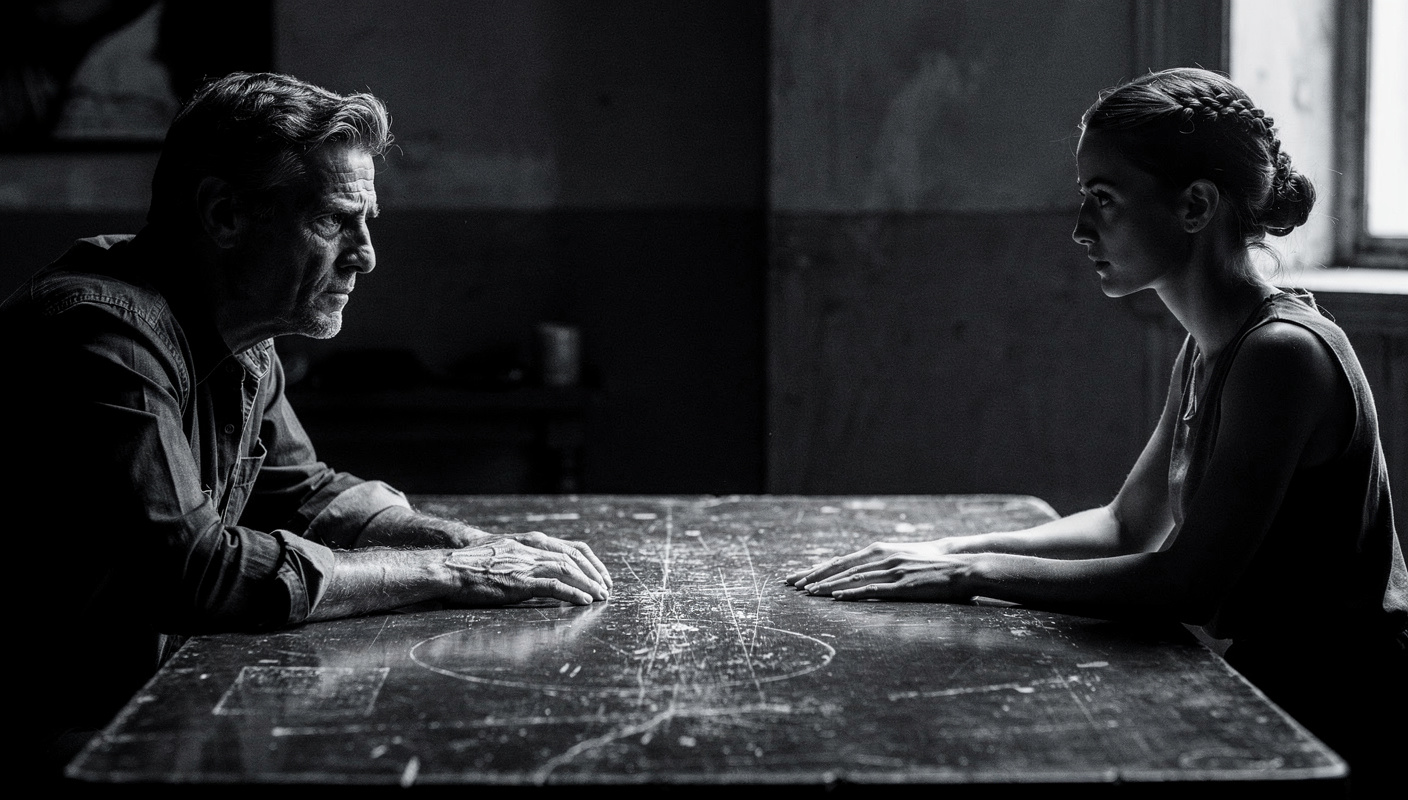
Most people walk into important conversations having prepared in the same way: they thought it through. They ran the scenario in their heads, heard themselves saying the right words, and felt ready. Then the moment arrived, and their shoulders crept up, their hands went stiff, and their eyes drifted away from the person they most needed to connect with.
Here is what the surface understanding looks like. You prepare your message. You know your key points. You have your examples ready. That feels like preparation, and in one sense it is. The words are there. The ideas are there. And because the words feel solid, you assume the rest will follow.
What the deeper reality reveals is something different. Your body is not listening to your plan. While your mind rehearsed the argument, your nervous system received no instruction at all. It will do what it has always done under stress: protect you with closed posture, shallow breath, and eyes that avoid the room. Your physical expression has no memory of this conversation because it was never part of the rehearsal.
Understanding the root changes how you respond to the surface.
"The Conversation You're Avoiding Is the One You Need to Have."
"The Conversation You're Avoiding
Is the One You Need to Have."
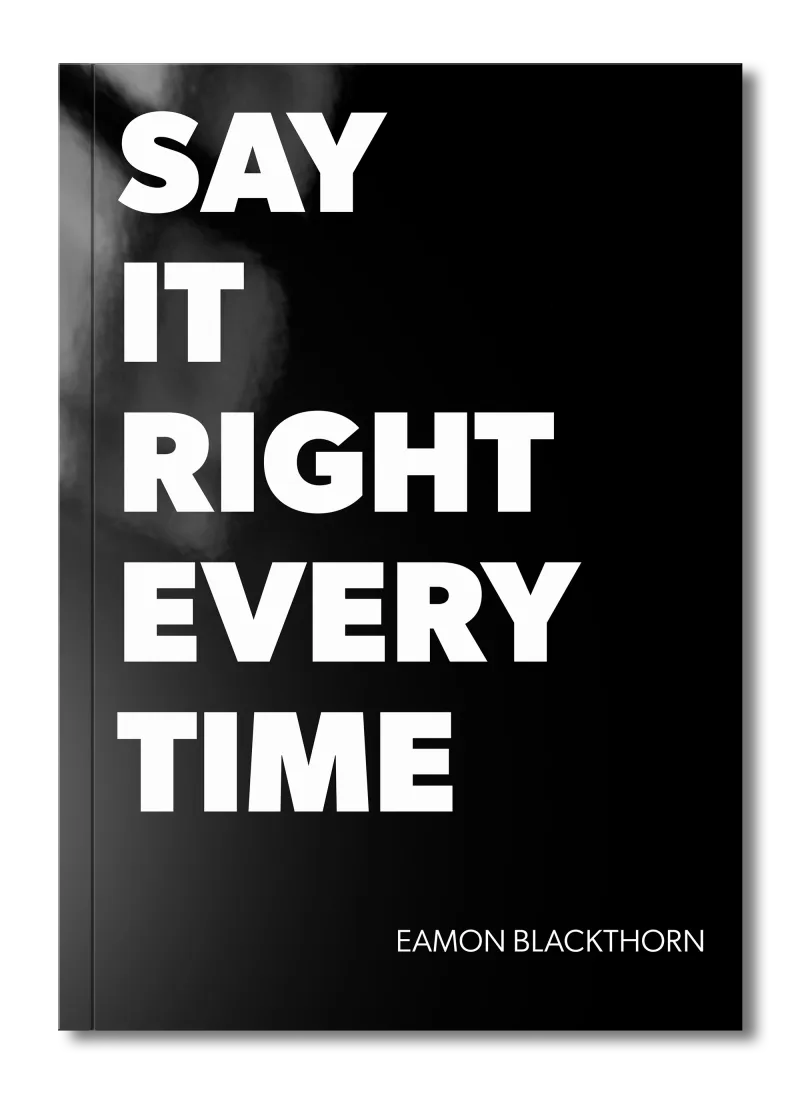
Stop rehearsing conversations you'll never have. Say It Right Every Time gives you 115 word-for-word scripts and 16 proven frameworks to speak with confidence in every conversation that matters.
The Core Mechanism Behind Practicing Body Language
Here is the truth of it. Your body and your mind learn in fundamentally different ways. Your mind processes language and builds understanding through thought. Your body builds skill through repetition. These are not the same process, and you cannot substitute one for the other.
The first aspect of this mechanism is muscle memory. When you physically rehearse a gesture, a posture, or a way of holding eye contact, you are creating a neurological pathway. The more often you perform that movement deliberately and consciously, the more automatic it becomes. Which means that in practice, a gesture rehearsed twenty times will appear natural under pressure, while a gesture only imagined will disappear entirely when anxiety arrives.
The second aspect is congruence. When the words you say and the signals your body sends align, people trust you. When they diverge, people feel it, even if they cannot name it. A person who says "I am confident about this" while their shoulders fold inward and their eyes dart sideways creates a contradiction. That contradiction registers in the room whether anyone points it out or not. This is why you see people who are articulate in writing become suddenly unconvincing in person: the words arrived without the physical expression to carry them.
The third aspect is the pressure problem. Under stress, you do not rise to the level of your intentions. You fall to the level of your training. If your training was purely mental, your body has no trained response to draw on. It defaults. That default is almost always closed, contracted, and self-protective. I cover the full rehearsal system for high-stakes conversations in Say It Right Every Time, including how to build physical readiness alongside verbal preparation so neither collapses under pressure.
The fourth aspect is expressive range. Silent rehearsal does not reveal that you have a limited range of gesture, that you pause in the wrong places, or that your facial expression does not match your tone. You cannot see yourself thinking. Physical rehearsal exposes these gaps directly. That is why teams that practice communication out loud improve faster than those that study communication in theory.
Put plainly: your body needs its own rehearsal. It cannot borrow the work your mind did. The two must train together for physical expression to hold steady when it matters most.
What This Looks Like in Real Communication Situations
Here is where this mechanism becomes visible in everyday communication.
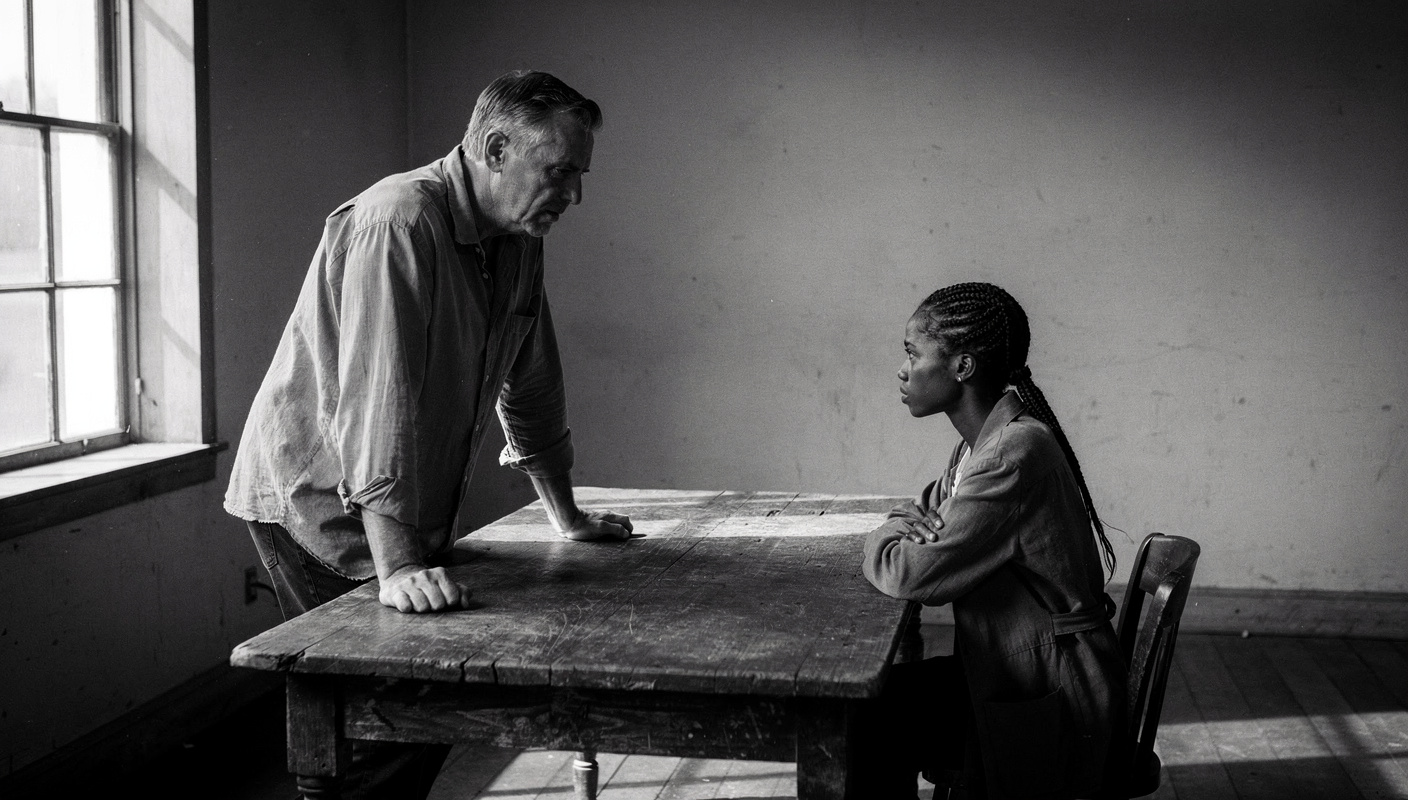
A manager prepared a piece of difficult feedback for a direct report. She had thought it through carefully, rehearsed the words in her mind, and felt clear on what she wanted to say. When the conversation began, she delivered the words accurately. But her arms were crossed, her voice was clipped, and her eyes moved to the window at the moment she most needed to hold the other person's gaze. The direct report heard the words, but the physical expression sent a different message: this person is uncomfortable with me and wants this over. The feedback landed as rejection rather than care. The gap was not in what she said. It was in what her body had never learned to do.
A professional presented to a new client for the first time. He had rehearsed his argument internally until he could recite every point. Standing in front of the room, his hands became a problem he could not solve. They hung at his sides, then drifted to his pockets, then gripped each other behind his back. He was not aware of any of this. His body, unpracticed, searched for a safe position while his mind tried to deliver the content. The physical restlessness read as uncertainty, and it cost him the credibility he had earned on paper. Connecting physical readiness to overall meeting confidence is something I explore in The Role of Communication in Meeting Success.
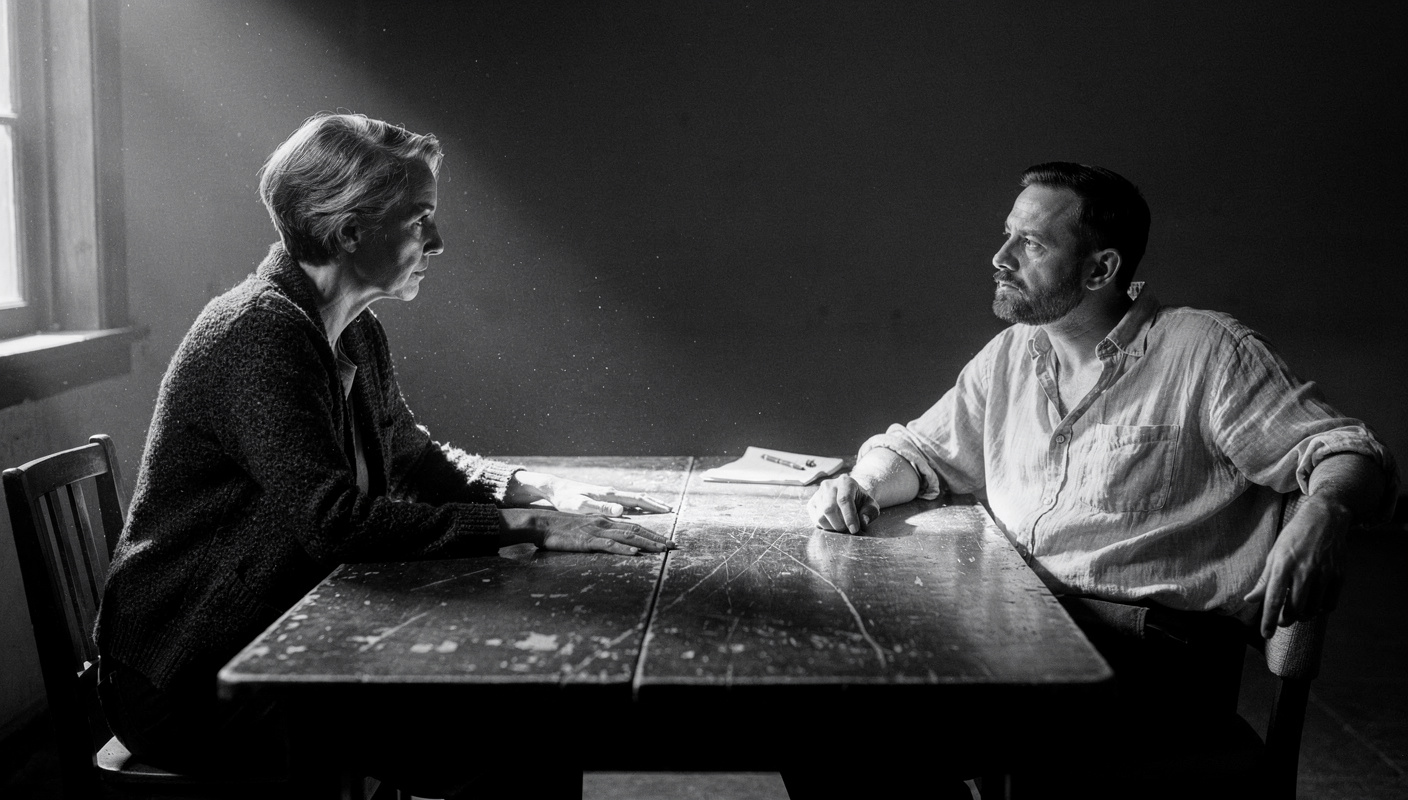
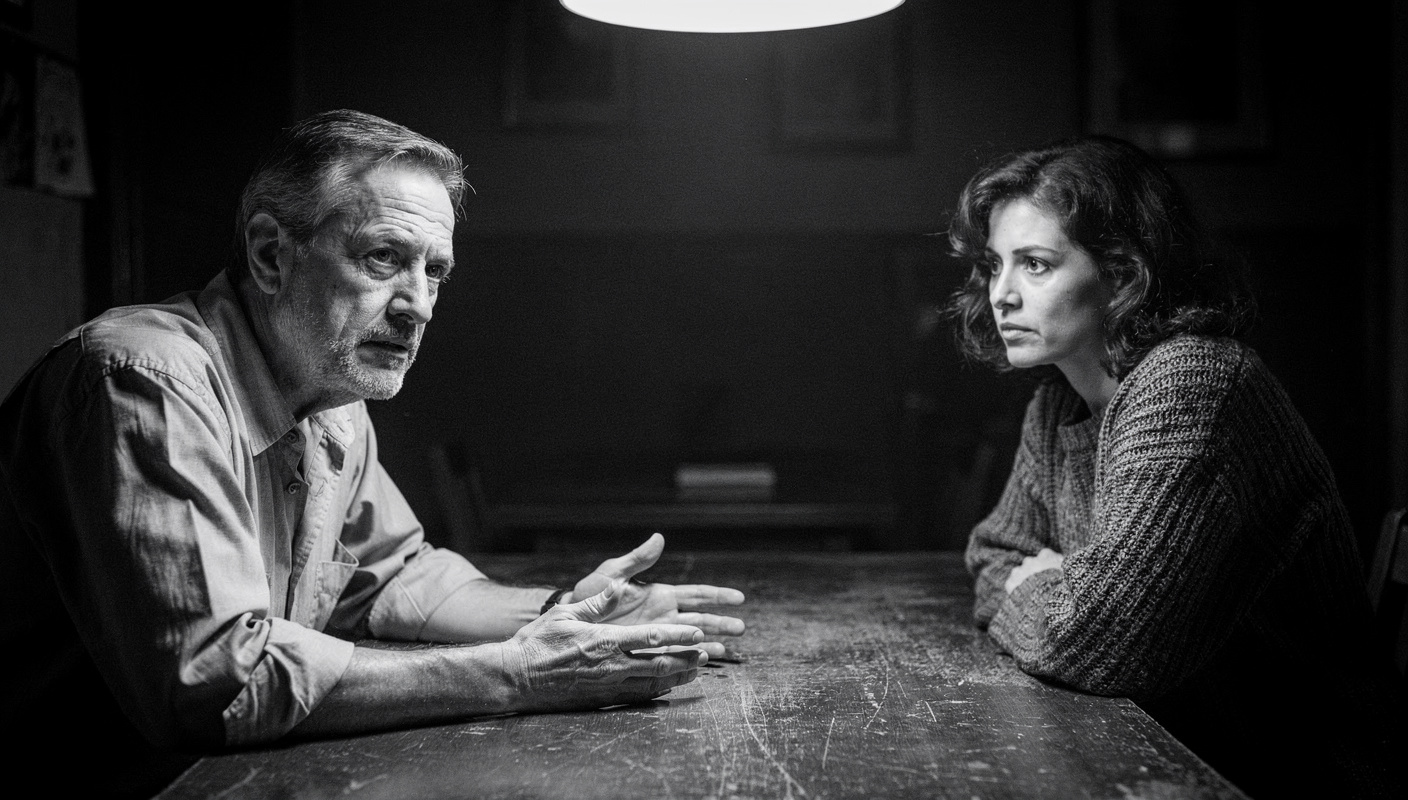
A team leader needed to hold a tense conversation about a recurring conflict between two colleagues. He had planned his approach thoughtfully, even drawing on what he understood about psychological safety as a condition for honest conversation. But when the moment arrived and emotions rose, his posture stiffened, his jaw tightened, and his voice flattened. His body communicated defensiveness and distance at the exact moment the conversation required openness. The words called for connection. The physical expression shut it down.
In each of these situations, the surface behavior was different. The root mechanism was the same.
Why Most People Miss the Need for Physical Rehearsal
If this insight is this important, why do so few people see it clearly? The answer is not laziness. It is a set of honest and understandable errors in how we think about preparation.
We equate knowing with doing. When you can describe the right body language, it feels as if you could produce it. You know that open posture signals confidence. You know that sustained eye contact builds trust. That knowledge is real, but knowledge and physical habit are different things. Knowing what a confident stance looks like does not mean your body will produce it under pressure without practice.
The body is invisible in our own rehearsal. When you run a conversation in your head, you hear your voice and see the other person's reaction. You do not see your own hands. You do not notice your shoulders. You cannot observe the thing you have not yet learned to observe. So the gap between your intention and your physical expression stays invisible until the real moment, when it is too late to correct.
We underestimate what stress does to the body. People often practice in calm, private moments and assume the body will perform the same way when the stakes are real. It will not. Stress narrows everything: breath shortens, muscles contract, range of expression shrinks. Only repeated physical rehearsal builds the kind of embodied confidence that survives a real, pressured moment. The amygdala hijack that floods the body with stress response is a physical event. It requires a physical counter-response, trained in advance.
Awareness is the beginning. But awareness without application changes nothing.
What Practicing Body Language Out Loud Changes for You
Understanding this changes what you do in three specific ways.
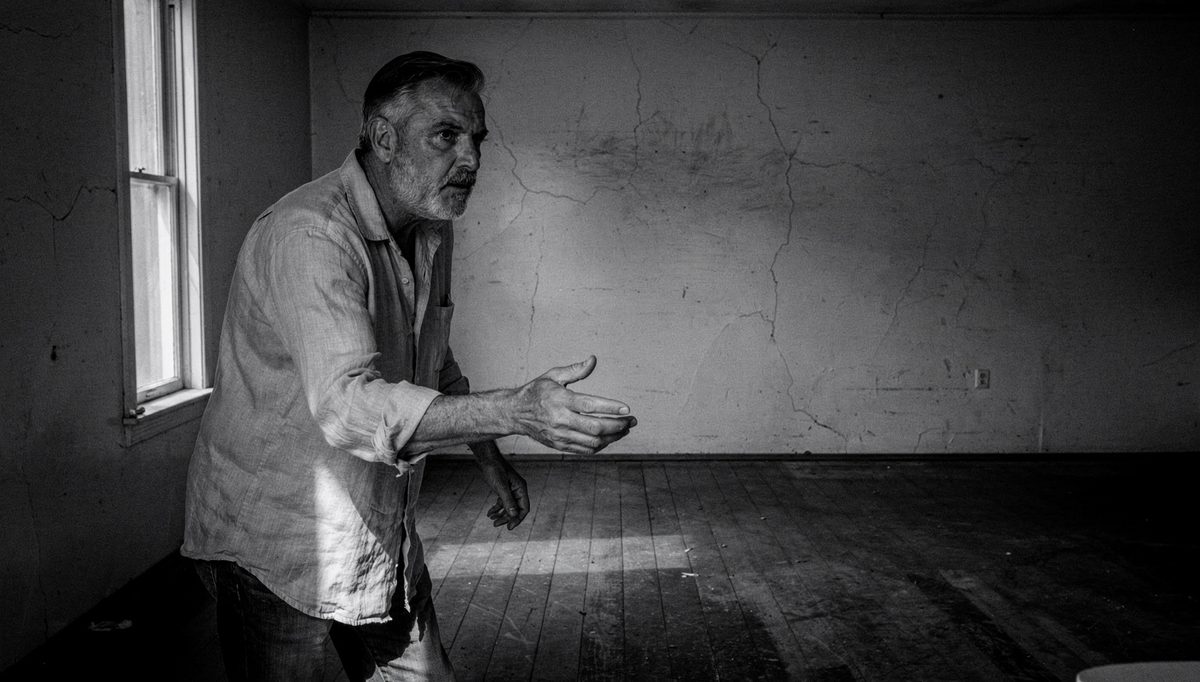
You rehearse standing up, not sitting down. Physical expression involves your whole body, and your whole body needs to be in the rehearsal. Sit-down, in-your-head preparation leaves posture, movement, and stance entirely untrained. Stand up, speak your content aloud, and move as you would in the real situation. Do this more than once. Repetition is how the body learns. This single change will reveal more about your physical expression in five minutes than an hour of silent preparation ever could. The Say It Right Every Time rehearsal framework applies this principle across every type of high-stakes conversation, showing exactly how to structure physical practice session by session.
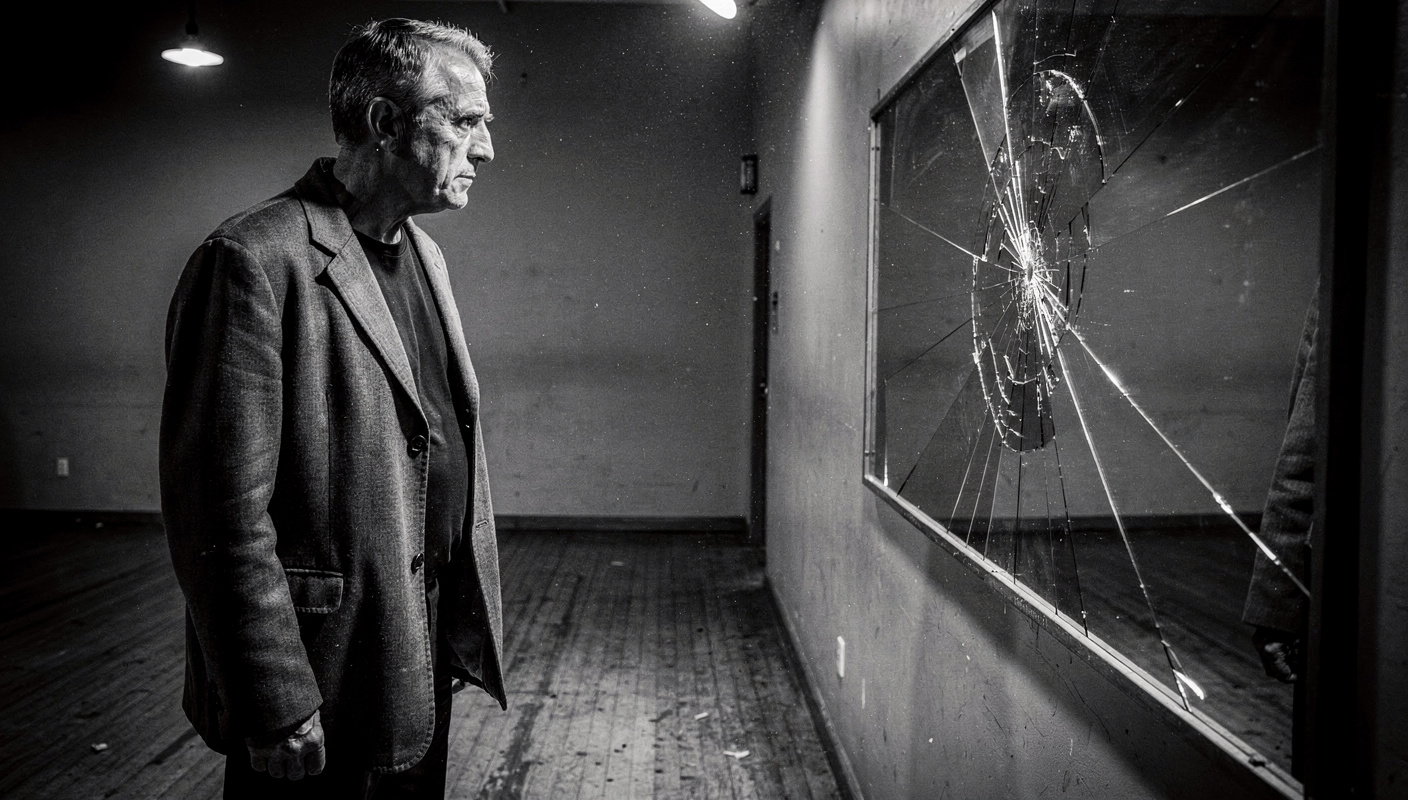
You record yourself and watch without flinching. Most people avoid this because it is uncomfortable. That discomfort is precisely the point. You cannot correct what you cannot see. Recording a physical rehearsal shows you where your hands go, where your eyes drift, when your posture closes. These are correctable patterns. But they are invisible until you look. Watch the recording once for content, and once more with the sound off, focused entirely on physical expression.
You practice the physical signals of emotional states, not just the words. When a conversation requires you to project calm strength, practice what calm strength looks like in your body: slow breath, open chest, steady eyes, deliberate gesture. Connecting physical expression to emotional intelligence in communication is not abstract. It is a trainable physical skill. You can also draw on how empathy bridges in team communication to understand what physical signals of openness communicate to the people receiving them.
These are not new behaviors. They are the same behaviors, grounded in a deeper understanding of why they work.
Key Insights and Next Steps
Your physical expression is a skill, and like every skill, it only improves through deliberate, repeated practice in the body, not in the mind.
- Silent rehearsal prepares your thinking but leaves your body with no training to draw on when the moment is real and the pressure is high.
- Muscle memory in gesture, posture, and eye contact builds through physical repetition, and there is no shortcut that bypasses this process.
- The gap between your intended message and your actual physical expression closes only when you practice out loud, in full, more than once.
- Recording yourself during physical rehearsal reveals the specific patterns your body defaults to, and that visibility is the first step to changing them.
- Physical rehearsal is most valuable for high-stakes conversations: the ones that require confident delivery, emotional steadiness, and the kind of physical presence that builds real trust.
- Connecting your physical preparation to your understanding of how feedback lands in team settings and how leaders communicate under pressure makes every part of your communication stronger.
For further development on building physical confidence alongside verbal scripts, explore Say It Right Every Time, which pairs word-for-word preparation with the physical readiness to deliver it. You might also find it useful to explore what drives connection through physical presence in how empathy bridges create lasting synergy.
Practicing body language out loud is not a performance technique. It is how you earn the right to be trusted in the room.
Frequently Asked Questions (FAQ)
What does practicing body language out loud actually mean?
Practicing body language out loud means physically performing gestures, posture, eye contact, and movement during rehearsal rather than just thinking through what you will say. It trains the body to respond naturally under pressure, building the muscle memory that silent mental rehearsal cannot produce.
Why is practicing body language important for communication?
Practicing body language is important because nonverbal signals carry as much meaning as your words, sometimes more. When your physical expression has not been rehearsed, your body defaults to nervous habits under pressure, contradicting your message and undermining trust with the people you are speaking to.
Does silent rehearsal help with body language at all?
Silent rehearsal helps you organise your thinking and remember key points, but it does not train your physical expression. Your posture, gestures, facial expressions, and vocal tone require physical repetition to become natural. Mental rehearsal alone leaves the body unprepared when the real moment arrives.
How do you practice body language before a presentation or difficult conversation?
Stand up and speak your content aloud in full, including your gestures and movement. Record yourself or practice in front of a mirror. Focus on one physical element at a time: posture, eye contact, hand placement. Repeat until each feels natural, not performed.
What happens to body language under pressure if you have not physically rehearsed?
Under pressure, your body reverts to its default patterns: crossed arms, avoiding eye contact, shallow breathing, and rigid posture. These signals communicate anxiety and undermine your message. Only physical rehearsal builds the confidence in your body that holds steady when the stakes are high.
Can you improve body language without a coach or class?
Yes. The most effective method is deliberate self-directed physical practice: speak your content aloud while standing, record the session, review your nonverbal signals, and repeat. Consistency matters far more than formal instruction. Small daily physical rehearsals compound into significant improvement over weeks.