
In Short
This article teaches one structured method with three components that gives you a reliable system for recovering your physical expression mid-conversation without losing momentum.
- How to notice when your body language has closed down under pressure
- The exact three-step correction process from Say It Right Every Time
- How to move forward after the correction without making things worse
The Acknowledge-Correct-Move On method is a three-step body language recovery process. When pressure causes your physical expression to close off or collapse mid-conversation, you notice the problem, make a deliberate physical adjustment, and continue without drawing attention to the slip.
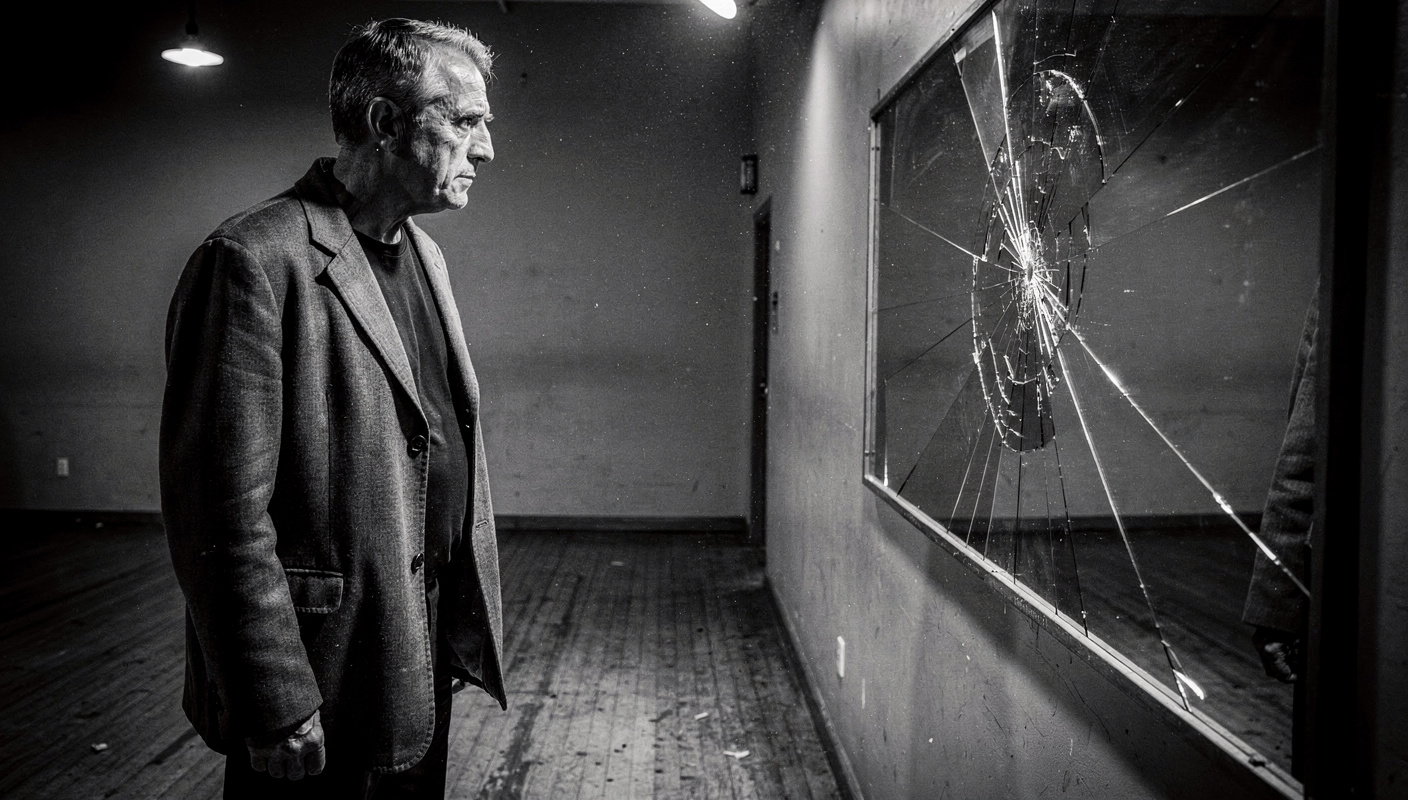
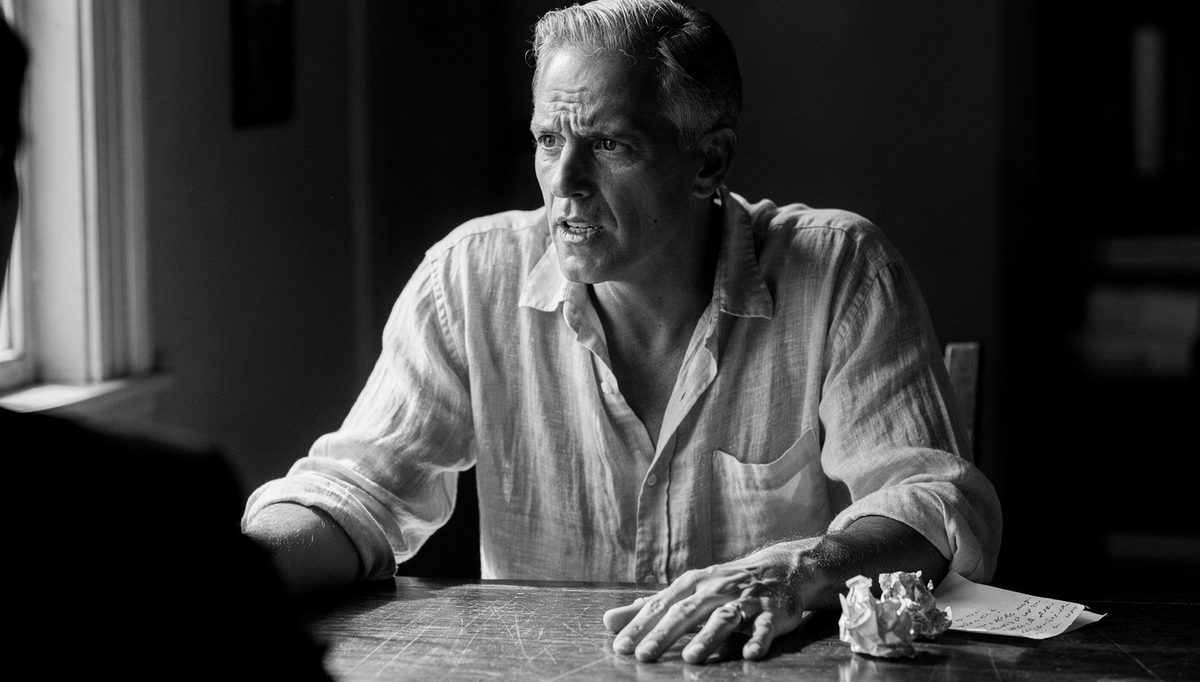
You are two minutes into a difficult conversation with your manager. You believe in what you are saying. You have prepared. But somewhere between the first point and the second, your arms have crossed, your shoulders have pulled inward, and your chest has caved. You are still speaking the right words. Your body is telling a completely different story.
This is where most people have no system. They either push through with closed, defensive posture and wonder why the conversation feels wrong, or they become so self-conscious about their physical expression that they lose the thread entirely. Neither option serves you.
In Say It Right Every Time, I introduce a method I call the Acknowledge-Correct-Move On process. It comes from Chapter 3, which covers building unshakeable confidence, and it addresses one of the most overlooked skills in communication: recovering your body language in the middle of a live conversation, while keeping the other person fully engaged.
In this article, you will learn how to apply this three-step method, understand each component, and use it in the specific moments when your physical expression most needs repair.
If you have read about how the amygdala affects your communication under pressure, you will recognise the physical patterns this method addresses. For a deeper look at that mechanism, What Is the Amygdala Hijack and How It Silently Blocks Team Synergy in High-Pressure Moments gives you the full picture.
Why Physical Expression Collapses Under Pressure
Most people think that confident body language is something you either have or you do not. It is not. It is something you maintain through practice and recover through method when it fails.
The trouble is that pressure changes your body before it changes your words. Your shoulders rise. Your chest caves. Your arms cross. Your jaw tightens. These signals reach the other person before your next sentence does, and they shape how everything you say is received. Consider these moments where physical expression collapse costs you most:
- When you are challenging someone senior and your body language shifts from open to apologetic, your words carry half the weight they should.
- When you deliver feedback and your posture closes down mid-sentence, the other person reads defensiveness, not care.
- When you are negotiating and your chest caves as the other person pushes back, you signal retreat before you have said a word.
- When you are presenting and nerves cause you to shrink physically, your presence evaporates and your credibility goes with it.
- When you are having a difficult personal conversation and your arms cross as emotions rise, the other person feels shut out at the exact moment connection matters most.
The method in this article gives you a system for each of these moments. Use it until the correction becomes instinct.
"The Conversation You're Avoiding Is the One You Need to Have."
"The Conversation You're Avoiding
Is the One You Need to Have."
Stop rehearsing conversations you'll never have. Say It Right Every Time gives you 115 word-for-word scripts and 16 proven frameworks to speak with confidence in every conversation that matters.
Method 1: Acknowledge
Name and plain-language summary: Acknowledge is the first step of the three-step recovery process. It means noticing, in real time, that your body language has drifted into a pattern that works against you.
What it is designed for: This step addresses the gap between what is happening in your body and what you are aware of. Most people discover their posture has collapsed only after the conversation ends, which is too late.
How it works:
Build a physical tripwire. Choose two or three physical signals that tell you your body language has closed down. For most people, these are crossed arms, a caved chest, a tense jaw, or weight shifted backward. Know your own tells. When you feel one, that is your signal.
In use: "I noticed my right arm had crossed over my left, and my weight had shifted back onto my heels."
Name it internally, not aloud. The moment you feel the signal, give it a name inside your head. Not a judgment. A simple observation. "Closed. Chest in. Arms crossed." This interrupts the spiral before it builds.
In use: "I said to myself: shoulders up, chest in. That is the signal."
Keep speaking while you notice. The Acknowledge step happens in parallel with the conversation, not instead of it. You do not pause. You do not flag it to the other person. You register it and prepare to correct.
In use: "I kept my sentence going. The noticing took about one second."
When to use it: Use this step every time you enter a high-stakes conversation. The higher the pressure, the more your body will want to protect itself. Knowing your physical tells in advance means you catch the drift early, before it has cost you the conversation.
When not to use it: Do not build such a hyper-aware physical monitoring system that you lose presence in the conversation. If you spend more energy scanning your own body than listening to the other person, this step has become a distraction.
A quick example in practice: You are two minutes into a salary negotiation. Your manager says something unexpected and your chest caves. Your arms move toward your body. You are still speaking, but you feel the shift. Internally, you note: "Closed. Arms in." That is the Acknowledge step complete. You are now ready to correct.
Eamon's take: The Acknowledge step sounds simple, but most people skip it entirely because they have never built the physical self-awareness it requires. This is the skill that makes the rest of the method possible.
Method 2: Correct
Name and plain-language summary: Correct is the second step of the three-step recovery process. It is the deliberate physical adjustment you make after you have noticed the collapse, designed to restore open, grounded body language without drawing attention.
What it is designed for: This step addresses the gap between noticing a body language problem and actually fixing it. Awareness without correction is just frustration.
How it works:
Make one small, specific adjustment. Do not try to overhaul your entire physical presence in a single move. That looks obvious and feels forced. Choose the most visible closed signal and correct it first. Usually this means uncrossing your arms, opening your shoulders, or planting your feet hip-width apart.
In use: "I dropped my arms to my sides and shifted my weight forward onto the balls of my feet."
Use breath as the mechanism. A single deliberate breath creates a natural pause that lets you reset your physical expression without it looking like a correction. The breath drops your shoulders, opens your chest, and slows your nervous system. It is invisible to the other person.
In use: "I took one slow breath through my nose and felt my shoulders drop three inches."
Correct toward open, not perfect. The goal of this step is not to achieve ideal posture. It is to move from closed to open. Uncross your arms. Lift your chin slightly. Open your hands. That is enough.
In use: "I did not try to stand like a soldier. I just opened my hands and let them rest on the table."
When to use it: Use this step immediately after the Acknowledge step, while the conversation is still live. The longer you wait after noticing the collapse, the more it costs you.
When not to use it: Do not attempt a major physical reset in a moment of high emotional tension where any movement will be read as agitation. In those moments, a single breath is the correction. That is all.
A quick example in practice: You have noticed your chest caved and your arms crossed during a feedback conversation. While your counterpart is still speaking, you take one quiet breath. Your shoulders drop. Your arms separate and rest on the table, hands open and relaxed. You have corrected. The other person saw none of it.
Eamon's take: The Correct step works because it is small. People expect recovery to be dramatic. It never is. One breath and an open hand can change the entire physical tone of a conversation. That much I know for certain.
Method 3: Move On
Name and plain-language summary: Move On is the third and final step of the recovery process. After you have acknowledged the collapse and made the physical correction, you continue the conversation without commentary, apology, or self-conscious hesitation.
What it is designed for: This step addresses one of the most common mistakes in body language recovery: calling attention to the very thing you are trying to fix. Most people, having corrected their posture, feel the urge to acknowledge it aloud. That urge is the enemy.
How it works:
Re-engage your eyes immediately. After the correction, the fastest way to signal confidence is direct, steady eye contact. It tells the other person that you are present, certain, and forward-moving. Drop your gaze and you undo the physical correction instantly.
In use: "I brought my eyes back to hers the moment my shoulders settled."
Continue your sentence or pick up the thread. Do not start a new topic. Do not pause to collect yourself. Find the thread of the conversation exactly where it was and continue. This communicates that nothing happened, because, for all practical purposes, nothing did.
In use: "I picked up mid-sentence: '...and that is exactly why I think we need to revisit the timeline.'"
Resist the apology reflex. The urge to say "Sorry, I lost my train of thought" or "Bear with me" is natural. Resist it. The correction was invisible. The apology makes it visible. The script I use in Say It Right Every Time for genuine word fumbles is different, and I cover that in the next section. But for a physical reset, silence is the correct response.
In use: "I said nothing about the adjustment. I simply continued."
When to use it: Use this step every single time, without exception. The Move On step is not optional. Without it, the Acknowledge and Correct steps become a visible performance of self-doubt rather than a quiet act of recovery.
When not to use it: There is no situation where skipping the Move On step serves you. Even when you have fumbled words alongside the physical collapse, you correct the body first, then address the words if necessary. Never both at once.
A quick example in practice: You corrected your posture during a client negotiation. Your arms are now open, your shoulders back, your feet planted. You meet your client's eyes and continue: "Where I was going with that is..." The correction took three seconds. The client experienced none of it. The conversation has moved forward.
Eamon's take: As I write in Say It Right Every Time, your ability to recover from a mistake with confidence is often more impressive than not making a mistake at all. The Move On step is where that confidence lives. Do not sacrifice it to the apology reflex.
Method 4: The Word Fumble Recovery Script
Name and plain-language summary: Sometimes the body language collapse comes with a verbal stumble. This is a companion script to the three-step physical method, designed for the moment when your words also go wrong alongside your posture.
What it is designed for: This script addresses the specific situation where both your physical expression and your words fail at the same time, creating a double recovery challenge.
How it works:
Name it simply and move. The script from Chapter 3 of Say It Right Every Time is direct: "You know what, I don't think that came out right. Let me try again." This is all you need. You are not apologising for existing. You are naming what happened and correcting it.
In use: "You know what, I don't think that came out right. Let me try again."
Reset the body alongside the words. The word fumble recovery script only works if the physical expression matches it. As you say "Let me try again," your shoulders should be open, your chin level, your hands uncrossed. The words signal confidence; the body must confirm it.
In use: "I said the script, took a breath, opened my hands on the table, and continued."
Follow with the clearer version immediately. Do not leave a silence after the script. Fill it with the corrected thought. "What I mean is..." or "What I should have said is..." followed immediately by the clearer version. This closes the loop and keeps momentum.
In use: "'What I mean is, I need three more days on this, not three more weeks.'"
When to use it: Use this script when both your words and your physical expression have collapsed together, and silence or pushing through would make things worse. It works best in one-on-one conversations and small group settings.
When not to use it: Do not use this script for a simple body language slip where your words remained clear. The physical correction alone is sufficient. Using the verbal script for a physical-only slip amplifies what was invisible into something visible.
A quick example in practice: You are mid-explanation in a performance review and your sentence collapses. Your arms have crossed and your words have tangled. You say: "You know what, I don't think that came out right. Let me try again." You open your arms, plant your feet, and continue: "What I mean is, I believe the results speak directly to the preparation I put in before Q3." Clean. Confident. Forward.
Eamon's take: This script sounds almost too simple to work. I thought the same thing the first time I used it. Then I watched the other person relax, because clarity had returned. Simple works. Trust it.
How to Choose the Right Framework for Your Situation
Knowing the method is only half the work. Knowing which component to reach for in the specific moment you are in is the other half.
| Situation | Best Step or Tool |
|---|---|
| You notice your arms have crossed mid-conversation | Acknowledge, then Correct with a breath and open hands |
| You have corrected your posture but feel the urge to apologise | Move On: stay silent and re-engage eye contact |
| Both your words and body language have collapsed | Word Fumble Recovery Script followed by physical reset |
| You are entering a high-pressure conversation and want to prevent collapse | Power posture before the conversation, tripwire awareness during |
| Your chest caves when someone challenges you | Breath as the correction mechanism, then continue the sentence |
| You have corrected once but collapsed again | Acknowledge again without judgment, correct again, move on again |
| You are in a group setting and cannot make obvious adjustments | Single breath correction only; no arm movement or posture shift |
Sometimes two steps apply at once. When both your words and your body have failed, use the Word Fumble Recovery Script first, then apply the physical Correct step during the script itself. The verbal and physical recoveries happen simultaneously, not in sequence. When in doubt, start with the simplest correction: one breath, one open hand, eyes forward. Complexity is not strength.
Common Mistakes When Using This Method
The Acknowledge-Correct-Move On method only works when you apply it with clarity, not as a performance you are narrating to yourself mid-conversation.
Overcorrecting after the Acknowledge step. When you notice the collapse, the temptation is to make a dramatic physical shift that restores perfect posture in one move. This draws attention and looks forced. Small adjustments are always the stronger choice.
Apologising during the Move On step. Saying "Sorry, bear with me" or "I just need a moment" after a physical correction transforms an invisible adjustment into a visible event. The Move On step requires silence and forward movement, nothing more.
Using the Word Fumble Recovery Script for a physical-only slip. When only your body language has drifted and your words have remained clear, the script is unnecessary and flags something the other person had not noticed. Match the tool to the problem.
Monitoring your own body so closely that you lose the conversation. If you spend the entire exchange scanning your posture, you are not listening. Build your tripwire awareness before the conversation, not during every sentence of it. For more on how emotional awareness shapes communication, see The Role of Emotional Intelligence in Team Synergy.
Expecting to need this method only once per conversation. Under sustained pressure, body language collapses more than once. The method is repeatable. Use it as many times as you need without judgment.
A method used imperfectly is still better than no method. But a method used well, quietly, and without drama, is a genuine advantage in any high-stakes exchange.
How to Start Using This Method Today
Do not try to master every component at once. Build this skill in layers.
Learn your physical tells this week. Before your next difficult conversation, identify the two or three body language signals that appear when you are under pressure. Write them down. Know them by name before you need them. This is the foundation of the Acknowledge step, and without it, the rest of the method has no trigger.
Practice the breath correction in low-stakes moments. Use your next team meeting or casual conversation to practice taking one deliberate breath and feeling your shoulders drop. This builds the muscle memory of the Correct step before the pressure arrives. Psychological safety in these lower-stakes moments makes the practice easier; for context on why that matters, read What Is Psychological Safety and How It Drives Team Synergy.
Rehearse the Word Fumble Recovery Script aloud. Say it three times in front of a mirror, then twice with a trusted colleague. "You know what, I don't think that came out right. Let me try again." It needs to feel natural before pressure makes it necessary. Preparation is what makes the script sound spontaneous when you need it. For more on how preparation builds confidence before difficult conversations, the full S.T.R.O.N.G. Method and Conversation Pre-Mortem frameworks are covered in detail in Say It Right Every Time.
Apply the full three-step sequence in your next hard conversation. Choose one conversation this week that carries real stakes. Enter it with your tells identified, your breath correction ready, and the Move On commitment made in advance. After the conversation, note what you caught and what you missed. This is how the method becomes instinct.
Frameworks are tools. The more you use them, the less you have to think about them.
Key Takeaways
Here is what to carry with you from this article.
- Your body language sends a signal before your next word arrives; a recovery method matters because prevention alone is not enough.
- The Acknowledge step requires you to know your physical tells in advance, not discover them after the conversation.
- The Correct step works best when it is small: one breath, one open gesture, one deliberate shift.
- The Move On step is non-negotiable; calling attention to the correction undoes it entirely.
- The Word Fumble Recovery Script handles the moments when both your words and your physical expression collapse at the same time.
- The full Acknowledge-Correct-Move On method is repeatable; use it as many times as you need in a single conversation.
For the fuller picture on building the confidence that supports strong physical expression, explore How Empathy Bridges in Team Communication Create the Conditions for Lasting Synergy and How Psychological Safety Enables Honest Communication and Sustains Team Synergy. For the moments when pressure causes a team-wide physical and emotional shutdown, Signs Your Team's Amygdala Hijack Problem Is Destroying Synergy in Real Time is worth your time. And for building the feedback environment where these corrections can happen without shame, How to Give Feedback That Strengthens Team Synergy Instead of Breaking It and How Psychological Safety Enables Honest Communication and Sustains Team Synergy will serve you well.
Your body is always speaking. The Acknowledge-Correct-Move On method ensures that what it says matches what you mean.
Frequently Asked Questions (FAQ)
What is the Acknowledge-Correct-Move On method for body language?
The Acknowledge-Correct-Move On method is a three-step process for recovering your physical expression when nerves cause you to close off or collapse mid-conversation. You notice the problem, adjust your posture or gesture, then re-engage without dwelling on the mistake. It takes seconds and most people around you never notice.
How do you use the Acknowledge-Correct-Move On method in real conversations?
You apply it by first noticing when your body language has closed down, such as crossed arms or a sunken chest. Then you make a small, deliberate physical correction, like opening your shoulders or planting your feet. Finally, you continue speaking without pausing to apologise or explain what you just adjusted.
Why does body language collapse under pressure during conversations?
Under pressure, the brain triggers a threat response that causes the body to contract, shoulders rising and chest caving inward. This is the same mechanism described as an amygdala hijack. The physical signs appear before you are consciously aware of them, which is why a recovery method matters.
Can you correct your body language mid-conversation without it looking awkward?
Yes, when you do it deliberately and without commentary. Small adjustments, like uncrossing your arms, shifting your weight, or lifting your chin, are nearly invisible to others. The Acknowledge-Correct-Move On method is designed to be subtle. Calling attention to the adjustment by apologising or pausing makes it far more noticeable than the correction itself.
How does Acknowledge-Correct-Move On help with nonverbal confidence?
It gives you a reliable system when pressure strips away your physical presence. Instead of spiralling or pushing through with closed, defensive posture, you have a three-step method that resets your physical expression fast. Over time, using it builds the muscle memory of open, grounded body language even in high-stakes moments.
When should you use the Acknowledge-Correct-Move On method instead of ignoring a posture slip?
Use it whenever you notice your physical expression contradicts your words. Crossed arms during a trust conversation, a caved chest during a negotiation, or a tense jaw during a feedback session all send the wrong signal. Ignoring these slips costs you credibility. The method lets you correct them without disrupting the conversation.