
In Short
Your breathing patterns control your physical expression under pressure more directly than any technique you consciously apply.
- Shallow, fast breathing triggers muscle tension and contracted posture that communicates anxiety before you speak.
- Controlled, deliberate breathing activates the body's calming response, restoring open posture, steady voice, and composed movement.
- Breath is the lever between your nervous system and your visible physical expression.
Breath control physical expression refers to the deliberate management of your breathing rhythm to shape how your body presents itself under stress. When you regulate your breath, you directly influence muscle tension, vocal quality, posture, and the nonverbal signals your body sends to everyone around you.
Introduction
I have watched it happen more times than I can count. A person who is thoroughly prepared walks into a high-stakes meeting and falls apart within the first thirty seconds. Not because their words fail them. Because their body betrays them first. Tight shoulders, a rising voice, contracted posture: all of it visible before a single sentence is complete. The culprit, in almost every case, is breath.
The central question this article answers is this: how do breathing patterns shape your physical expression under pressure, and through what specific mechanism does that happen? Understanding this matters because most people treat breath as background noise, something that happens automatically. They do not see it as a force actively sculpting how their body communicates in real time.
In this article, you will understand the precise connection between breathing and physical expression, and what that means for how you carry yourself when the pressure is highest. If you want to explore how stress responses affect team communication more broadly, What Is the Amygdala Hijack and How It Silently Blocks Team Synergy in High-Pressure Moments is worth your time alongside this piece.
"The Conversation You're Avoiding Is the One You Need to Have."
"The Conversation You're Avoiding
Is the One You Need to Have."
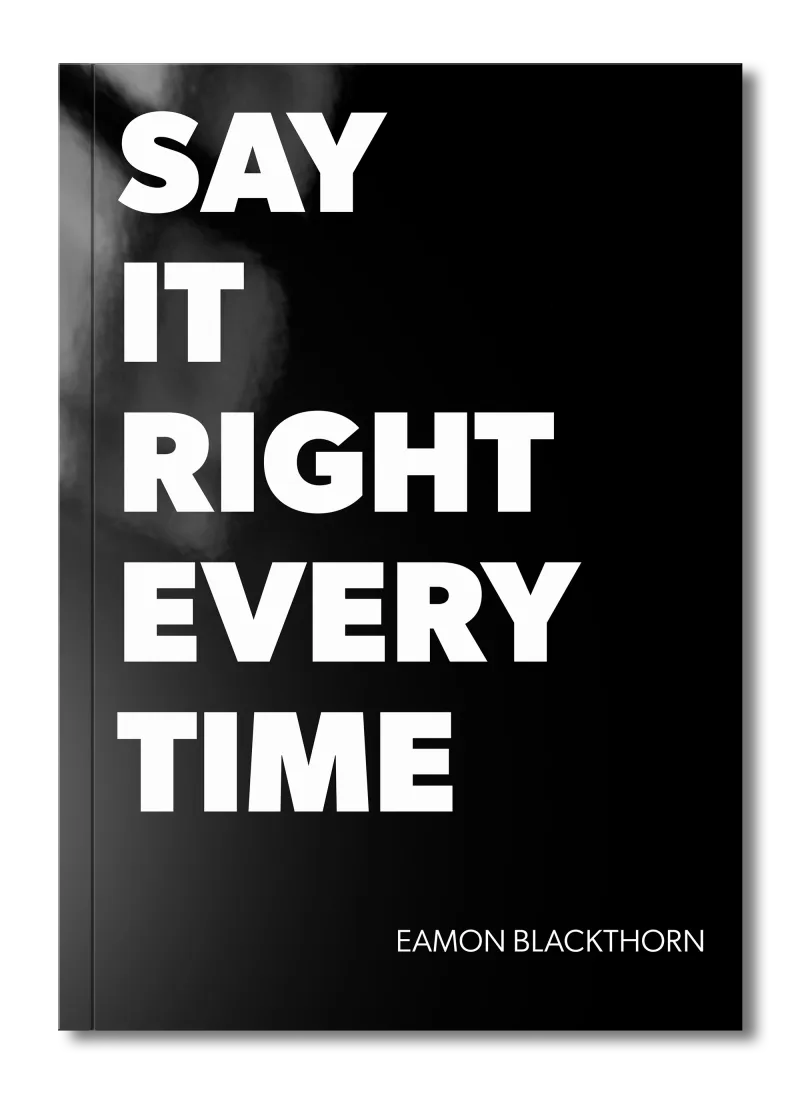
Stop rehearsing conversations you'll never have. Say It Right Every Time gives you 115 word-for-word scripts and 16 proven frameworks to speak with confidence in every conversation that matters.
The Surface vs the Root of Physical Expression
Most people understand physical expression as a matter of what you do with your face, your hands, and your posture. They know they should stand tall, make eye contact, and keep their gestures open. That is the surface. It is real. But it is not where the problem starts.
At the surface level, physical expression looks like a set of behaviors to manage. You remind yourself not to cross your arms. You tell yourself to slow down. You try to project calm by consciously adjusting how you are holding yourself. These adjustments are difficult to maintain under pressure because they are working against a force you have not addressed.
Underneath those visible behaviors sits your nervous system, and your breathing is what governs it. When your breath becomes shallow and rapid, your sympathetic nervous system reads it as a signal of danger. Your muscles contract. Your voice rises in pitch. Your body draws inward. These are not habits or mannerisms. They are physiological responses, and no amount of conscious postural adjustment can fully override them when the root cause is still running.
Understanding the root changes how you respond to the surface.
How Breath Control Shapes Your Physical Expression: The Core Mechanism
Here is the truth of it. Your breath is not just air moving in and out. It is a direct line of communication between your conscious mind and your body's stress system. Change your breathing, and you change what your body broadcasts to the room.
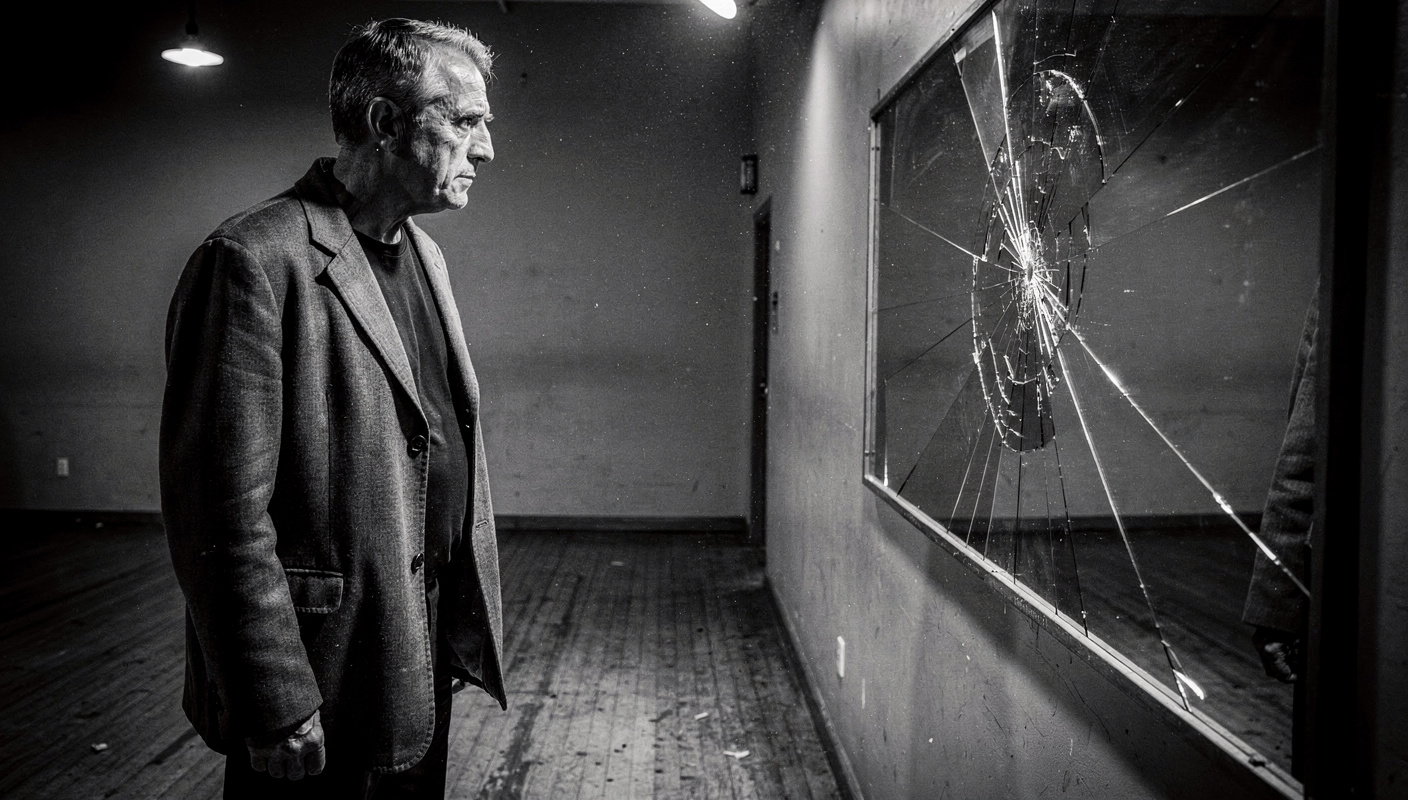
When you face a high-pressure situation, your body prepares for threat. Your breathing becomes faster and shallower, drawing air into the upper chest rather than the full depth of your lungs. This chest breathing keeps your sympathetic nervous system engaged. Which means that in practice, your shoulders stay elevated, your jaw stays tight, and your voice loses its lower register. People watching you read these physical signs as anxiety, even if your words are clear and your arguments are strong.
The diaphragm sits at the center of this mechanism. When you breathe deeply and allow your diaphragm to drop fully on the inhale, your body receives a signal that contradicts the threat response. The exhale, when made deliberately longer than the inhale, activates the parasympathetic nervous system. This is your body's calming system. It releases the muscles around your shoulders, softens your facial expression, and lowers the tension that was contracting your chest. This is why you see experienced speakers appear visibly composed even in difficult moments: their breath is doing the regulatory work invisibly.
Your voice is also directly powered by the quality of your breath. Shallow breathing produces less airflow, and the voice becomes thin, fast, and unsteady as a result. When you breathe from the diaphragm, you send a fuller, more consistent stream of air across your vocal cords. The voice drops in pitch and gains in steadiness. People in the room hear authority where before they heard anxiety. The breath change precedes the vocal change by fractions of a second, and the effect on your physical presence is immediate.
There is a feedback loop at work here, and it runs in both directions. Your body reads shallow breathing as evidence of threat, which generates more tension, which makes breathing even shallower. But the same loop operates in reverse. Slow your exhale deliberately, and your body begins to interpret the moment as manageable. Tension releases. Posture opens. Movement becomes more natural. The physical expression your audience sees shifts, not because you told your body to behave differently, but because you changed the physiological signal at the source.
Breath control under pressure is not a relaxation technique. It is a precision tool for managing what your body communicates before your words arrive.
What Breath Control Looks Like in Real Situations
Here is where this mechanism becomes visible in everyday communication.
A senior manager I knew prepared exhaustively for a board presentation. She knew her material cold. But the moment she stood up, her breathing shortened reflexively. Her shoulders drew toward her ears. Her voice lost its lower register and came out higher and faster than she intended. The board heard the words. They also saw a body signaling uncertainty. The breath change happened before she was aware of it, and it reshaped her entire physical presence within the first ten seconds.
Consider a team leader running a difficult feedback conversation with a direct report. The moment the other person pushes back, the leader's breath catches. A quick, shallow inhale. The chest tightens. Without realizing it, the leader leans back slightly, chin lifts, and the voice picks up pace. The direct report reads the physical expression as defensiveness, even though the leader intended to stay open. The shift in breath triggered the shift in body before conscious thought had any chance to intervene. Groups navigating this kind of tension can benefit from building psychological safety as a foundation, but the individual's breath response still determines what their body signals in the moment.
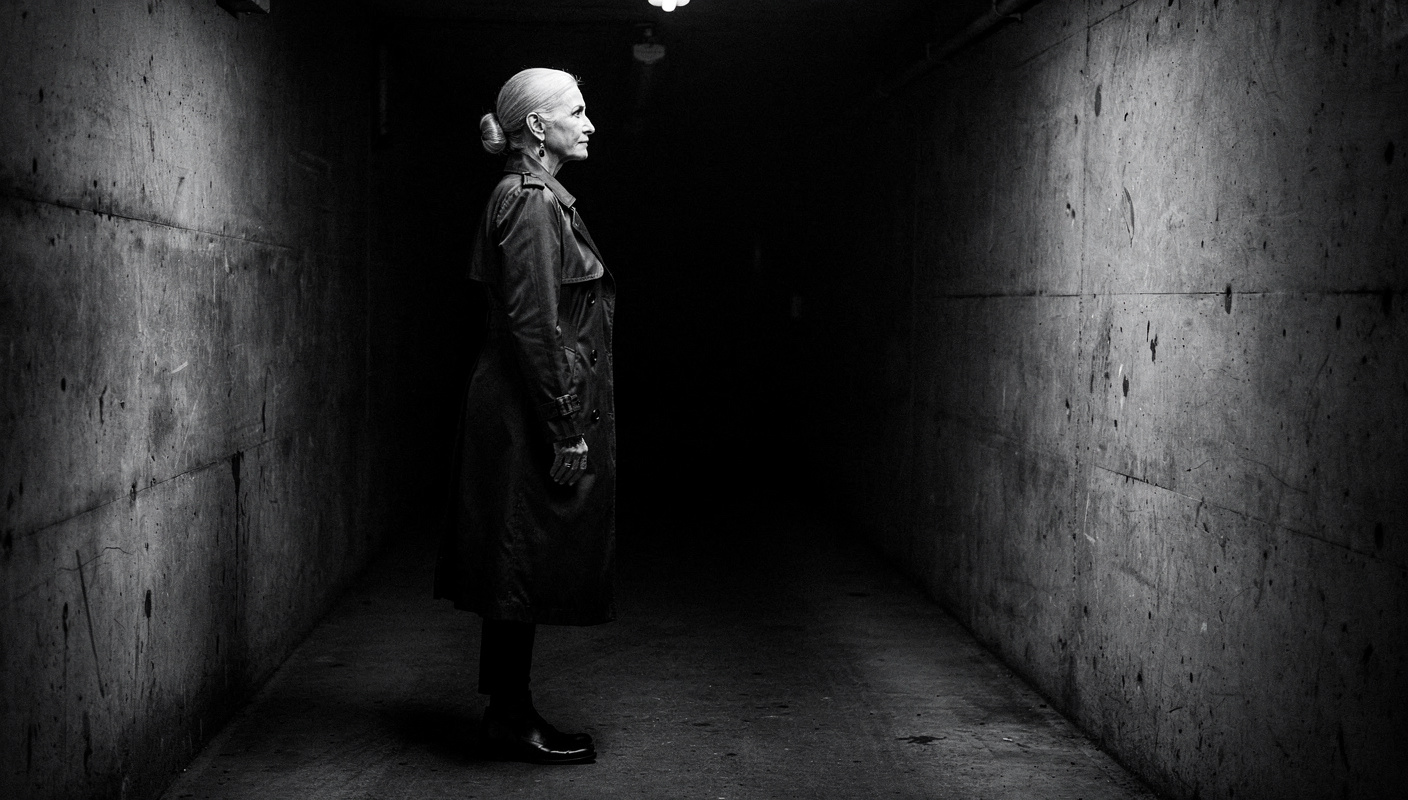
A third situation: a junior professional joining a high-stakes negotiation for the first time. They sit down and immediately begin taking short, quiet breaths, trying not to draw attention. Their posture compresses. Their hands become restless. When they speak, the words are thoughtful but the voice is thin. The other party in the room does not consciously analyze this. They simply feel, instinctively, that this person is uncertain. The breath pattern communicated it before the first sentence landed. The role of communication in meeting success is shaped as much by what bodies signal as by what words deliver.
In each of these situations, the surface behavior was different. The root mechanism was the same.
Why Most People Miss the Connection Between Breath and Body Language
If this insight is this important, why do so few people see it clearly? Most professionals spend years developing their communication skills without once examining how their breathing patterns are shaping their physical presence.
Breathing feels automatic, so it escapes attention. You breathe thousands of times each day without noticing. Because breath operates below conscious awareness in ordinary moments, it remains below conscious awareness in high-pressure ones too. People focus on what they can see and deliberately adjust: posture, eye contact, gestures. The breath driving all of those behaviors stays invisible and unexamined.
The physical symptoms get blamed on something else. When your voice tightens or your posture contracts under pressure, most people attribute it to nerves, inexperience, or personality. "I just get anxious in front of groups." They treat the symptom as a fixed trait rather than a physiological response with a manageable cause. The breath pattern underneath the symptom never gets addressed. This is closely connected to patterns that emotional intelligence in team settings addresses at the group level.
Advice focuses on behavior, not biology. Most communication training tells you what to do with your body: stand straight, speak slowly, use open gestures. It does not explain the physiological system those behaviors depend on. When you try to stand straight while your sympathetic nervous system is driving tension through your shoulders, you are fighting the current rather than changing its direction.
The feedback loop is fast and quiet. Shallow breathing shifts your physical expression in seconds. By the time someone notices their voice has risen or their posture has closed, the breath pattern responsible has already been running for half a minute. The cause and effect feel disconnected because the gap between them is so small.
Awareness is the beginning. But awareness without application changes nothing.
What Breath Control Means for How You Communicate
Understanding this changes what you do in three specific ways.
Prepare your breath, not just your content. Before any high-pressure conversation or presentation, take three slow breaths where the exhale is at least twice as long as the inhale. This is not a calming ritual. It is a physiological reset that lowers your baseline tension before the moment begins. A prepared nervous system gives you a body that is already signaling composure when you walk in the door. How to prevent team synergy breakdown under high-pressure projects applies the same principle at the collective level: the group's stress state must be managed before the pressure peaks.
Monitor breath rate as a real-time signal. During a difficult conversation, notice when your breath becomes fast and shallow. That shift is your body telling you the stress response has engaged. Do not try to adjust your posture directly. Instead, take one slow, deliberate exhale. The physical relaxation will follow. This is the practical order of operations: breath first, then body.
Use breath to anchor your voice. If your voice is rising in pitch or losing steadiness, the breath underneath it is the cause. Before you respond to a challenging question or deliver a critical point, take one grounded breath from the diaphragm. Your voice will drop and settle. The people listening will hear it as confidence. Giving feedback that strengthens rather than breaks team synergy requires exactly this kind of vocal steadiness when the exchange becomes tense.
Build the practice before you need it. Breath control under pressure is a skill, not a reflex. You earn it by practicing deliberate breathing in low-stakes moments until it becomes available in high-stakes ones. Spend two minutes each morning breathing slowly with a long exhale. Your nervous system learns the pattern, and it becomes easier to access when the pressure rises. Honest communication sustained by psychological safety is far more possible when each person in the conversation can manage their own physiological state.
These are not new behaviors. They are the same behaviors, grounded in a deeper understanding of why they work.
Key Insights and Next Steps
Your breath is the most direct tool you have for shaping your physical expression under pressure, and most people never think to use it deliberately.
- Breathing patterns operate below conscious awareness, which is precisely why they have such a powerful effect on your physical expression before you realize it.
- Shallow chest breathing engages the stress response and produces the visible physical signals of anxiety: tight posture, raised voice, restless hands.
- Diaphragmatic breathing with a long exhale activates the body's calming system and restores open, composed physical expression.
- The breath change must come first. Trying to correct posture or vocal tone without addressing the breath is working against the current.
- This is a practice you build in calm moments so it is available in difficult ones. Consistency earns the skill.
- Breath control physical expression is not about appearing calm. It is about giving your body the physiological conditions it needs to communicate clearly.
To go deeper on how stress states affect communication at the team level, read The Role of Emotional Intelligence in Team Synergy and What Is the Amygdala Hijack and How It Silently Blocks Team Synergy in High-Pressure Moments.
This much I know for certain: every skilled communicator I have ever watched command a room was, consciously or not, managing their breath first.
Frequently Asked Questions (FAQ)
What is breath control in physical expression?
Breath control in physical expression means managing your breathing rhythm deliberately to influence how your body appears and functions under pressure. When you control your breath, you reduce muscle tension, steady your voice, and project composure through your posture and movement, all before you speak a single word.
How do breathing patterns affect physical expression under pressure?
Shallow, fast breathing triggers the sympathetic nervous system, causing muscle tension, a raised voice pitch, and contracted posture. These physical signals communicate anxiety to the people watching you. Slowing and deepening your breath reverses this chain reaction and restores physical composure.
Can breath control improve your body language in presentations?
Yes. Controlled breathing reduces the physical symptoms of stress, including tight shoulders, a trembling voice, and fidgeting. When your nervous system calms, your posture opens, your gestures become deliberate, and your face relaxes. The audience reads these changes as confidence and authority.
Why does shallow breathing make you look nervous?
Shallow breathing keeps your body in a low-level stress state. Muscles stay slightly contracted, your voice stays higher, and your movements lose their natural ease. People around you read these signals unconsciously. The physical tension that comes from poor breathing patterns communicates fear even when your words say otherwise.
How do you use breath control to manage physical expression?
Before a high-pressure moment, take three slow breaths where the exhale is longer than the inhale. This activates the parasympathetic nervous system, releases shoulder tension, and lowers your vocal pitch. During the moment, notice your breath rate. If it rises, slow it deliberately before it reshapes your physical expression.
What is the connection between breathing and vocal delivery?
Your voice is powered by breath. Shallow breathing produces less airflow, making your voice thin, fast, or unsteady under pressure. Diaphragmatic breathing gives your voice a fuller, more grounded quality. Steady breath control is the foundation of clear, authoritative vocal delivery in any high-stakes conversation.