
In Short
Physical expression communication is the meaning your body creates through movement, gait, and posture, shaping how others perceive you before a word is spoken.
- The way you walk signals confidence, authority, or uncertainty to everyone who sees you.
- Physical expression is learned behaviour; you can practise and refine it deliberately.
- Small adjustments to your stride, pace, and bearing can transform how you are received.
Physical expression communication is the process by which a person conveys meaning, intent, and emotional state through bodily movement, including gait, posture, pace, and bearing, independent of spoken or written language.
You walked into a room for an important meeting once. You felt prepared. You knew your material cold. But something shifted the moment you crossed the threshold: you slowed down, your shoulders dropped, and you angled toward the nearest empty chair like you wanted to disappear. Nobody said a word, but the room had already formed an impression.
That is physical expression at work. It operates constantly, honestly, and far faster than language. Long before you introduce yourself or state your case, your movement through space has already told a story. Understanding that story, and learning to shape it, is one of the most practical communication skills you can develop.
In this article, you will learn exactly what physical expression communication means, why your gait and movement carry so much weight, and how to recognise and refine the signals your body sends every day.
If you want to understand how emotional intelligence shapes the broader dynamics of a team, The Role of Emotional Intelligence in Team Synergy covers that territory well. Here, we focus specifically on the physical dimension: how you move, what it means, and what you can do with that knowledge.
What Physical Expression Actually Means in Practice
Physical expression communication is the full range of meaning your body creates through movement, before, during, and after you speak. It is not just a single gesture or a crossed arm. It is the ongoing, dynamic signal that your body broadcasts as you walk into a building, cross a room, take your seat, and carry yourself through the day.
In practice, this means your gait carries information. The speed of your stride, the height of your head, the looseness or tension in your shoulders: all of it is being read by the people around you. Most of this reading happens below the level of conscious thought.
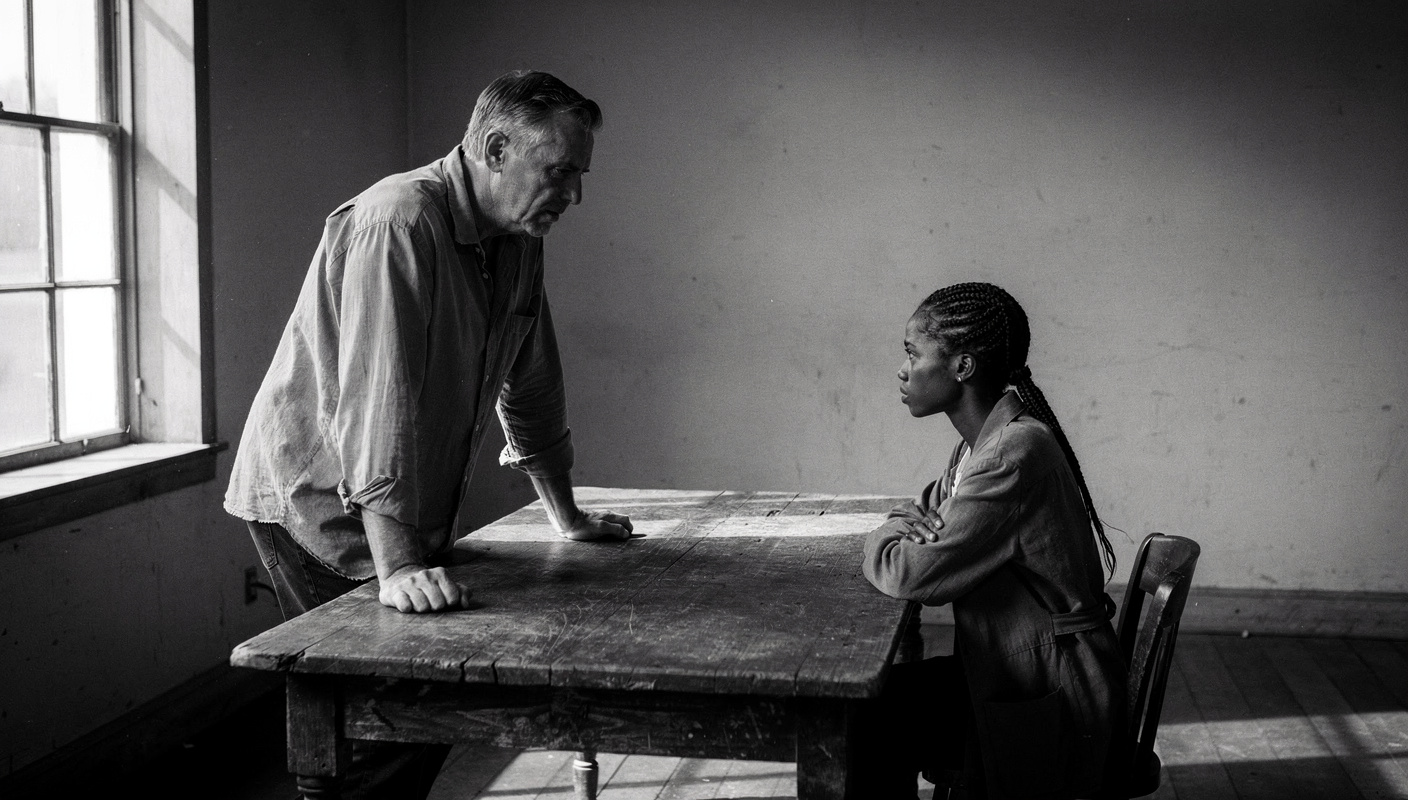
Consider this: a manager walks onto the floor of a busy open-plan office. If she moves steadily, head up, unhurried but purposeful, her team reads her as composed and in control. If she rushes in, head down, darting between desks, they read urgency or anxiety, regardless of what she says when she arrives.
That moment, before a single word of instruction is given, has already set the emotional tone for everyone around her. That is the power of physical expression. It precedes language, and often outlasts it.
"The Conversation You're Avoiding Is the One You Need to Have."
"The Conversation You're Avoiding
Is the One You Need to Have."
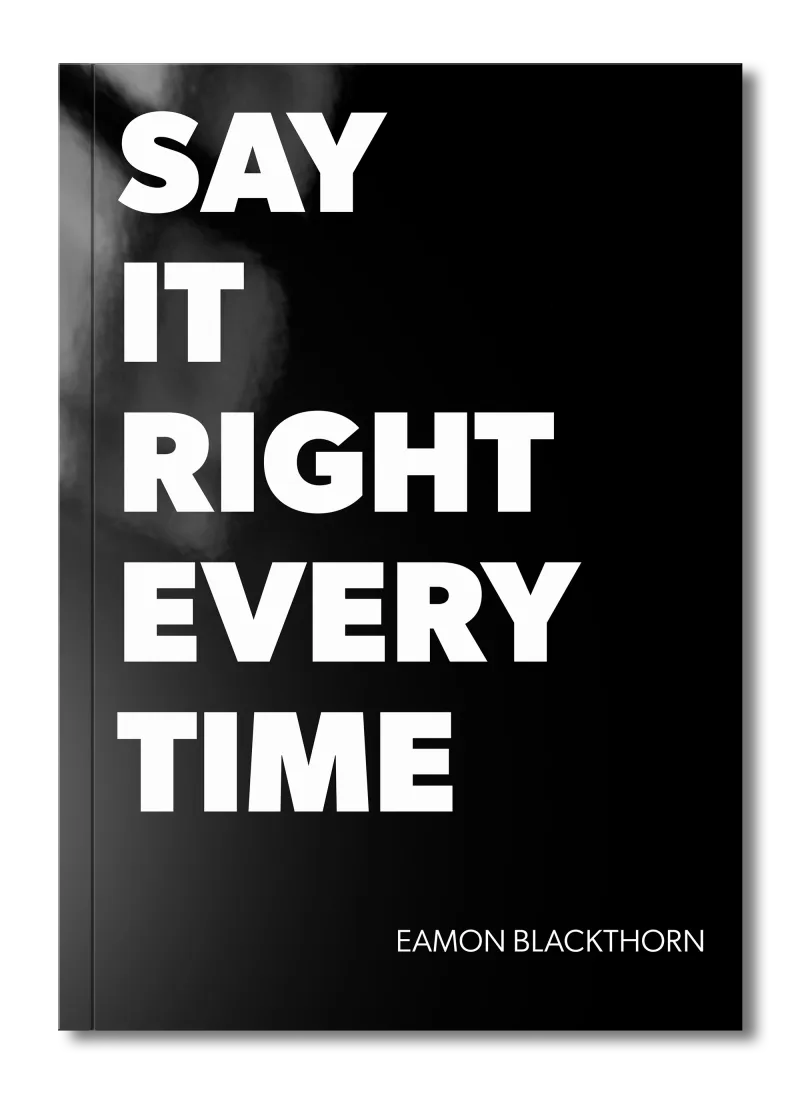
Stop rehearsing conversations you'll never have. Say It Right Every Time gives you 115 word-for-word scripts and 16 proven frameworks to speak with confidence in every conversation that matters.
Why Your Movement Patterns Matter More Than You Think
Most people invest considerable effort in choosing their words. Very few invest the same effort in choosing how they carry themselves. That gap is where communication breaks down in ways that are hard to diagnose and easy to overlook.
Here is what physical expression communication shapes in real professional and personal life:
- First impressions are set by movement, not words. Before you speak in any new environment, your gait, your posture, and the pace of your entry have already established a baseline impression. That impression takes far longer to revise than it did to form.
- Your physical state communicates your emotional state. When you are under pressure, your body tightens. Your stride shortens. Your arms swing less freely. People around you read these signals accurately, often without realising they are doing it, and they adjust their behaviour toward you accordingly.
- Inconsistency between words and movement erodes trust. If you say you are calm but your movements are sharp and hurried, people believe your body. Alignment between what you say and how you move is the foundation of credibility. When those two channels conflict, the physical one wins every time.
- Movement signals affect your own state as much as others' perception. This much I know for certain: the way you carry yourself changes how you feel. Slow your stride, lift your head, and your internal state begins to follow. The body and the mind are not separate systems.
For this reason, physical expression connects directly to how psychological safety is built or destroyed in group settings. A leader whose physical bearing radiates anxiety creates an anxious team. You can read more about the conditions that either build or undermine that safety in What Is Psychological Safety and How It Drives Team Synergy.
The Key Characteristics of Strong Physical Expression Communication
You know physical expression communication is working when you see these qualities consistently present in how a person moves through the world.
Unhurried, deliberate pace. The person does not rush unless the situation demands it. Their stride says: I am here, I am prepared, and I am not rattled. This pace communicates confidence more effectively than almost any verbal statement.
Upright, open carriage. Head level, shoulders back but not rigid, chest open. This is not performance or posturing. It is the physical bearing of someone who is comfortable taking up their rightful amount of space. For example, a new team leader who enters a room this way sets a different tone from one who hunches forward apologetically.
Purposeful direction. Movement that has a clear trajectory. People whose physical expression is strong do not drift or hover. They move toward something, and that directness is read as decisiveness. It applies equally to walking across a car park and walking up to a colleague with difficult feedback to share.
Natural stillness when not moving. People with strong physical expression are at ease when they are still. They do not fidget, rock, or restlessly shift weight. Stillness communicates composure. Constant movement signals unease, and that unease is infectious.
Alignment between movement and context. The person's physical expression matches the situation. Measured and calm in tense moments. Energetic and forward-leaning when enthusiasm is appropriate. The ability to adjust your bearing to the room is a mark of real physical intelligence.
Together, these characteristics create a physical presence that people trust without being able to fully explain why. They feel it before they think it.
Common Misconceptions About Physical Expression in Communication
Let me clear up three things people consistently get wrong about physical expression communication.
Misconception: Physical expression is only relevant in formal or high-stakes situations. The truth: Every time you move through space near other people, your body is communicating. The way you walk to the coffee machine, the way you enter a building, the way you cross a room to take a phone call: all of it is read, processed, and filed away by those who see it. There are no off moments when your physical expression does not count.
Misconception: Confident physical expression means taking up as much space as possible. The truth: Manufactured size and swagger is easily seen through. Real confidence in physical expression is about ease, not dominance. It is a relaxed stride, not a performance. The people who genuinely command a room do not stomp through it; they move through it as though they belong there, which is a very different quality. Think of it like a deep-rooted tree: the strength is in the stillness, not the spectacle.
Misconception: You either have natural physical presence or you do not. The truth: Physical expression is habit, and habits can be changed. After decades of watching people transform the way they carry themselves, I have never met someone whose physical expression could not improve with deliberate practice. The first step is awareness. Most people have never once observed their own movement patterns from the outside. Once you see them clearly, you can begin to work with them.
The short takeaway: your gait and movement are learnable skills, not fixed traits.
Physical Expression Communication in Real Situations
Here is what physical expression communication looks like when it is, and is not, present.
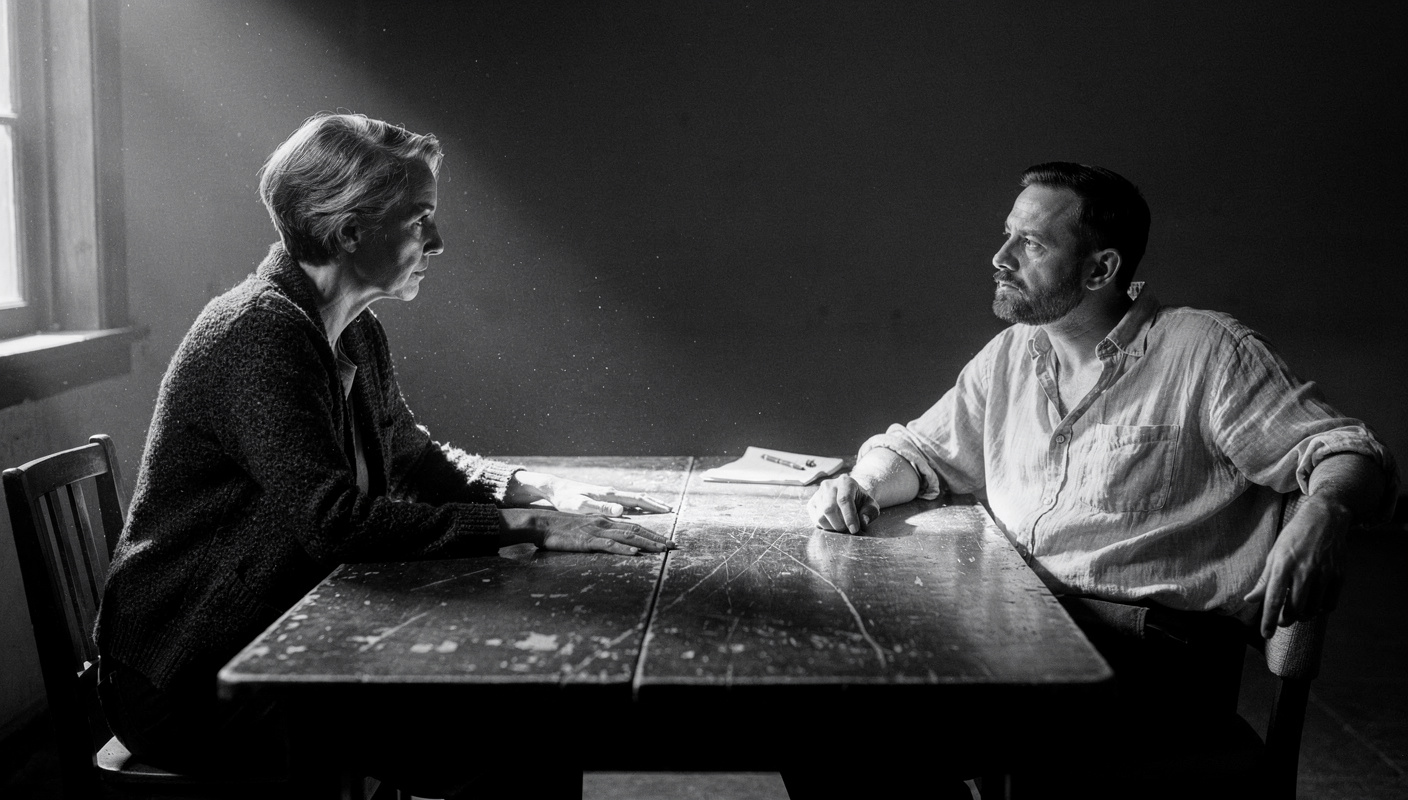
In a workplace setting: A senior colleague receives difficult news in a team meeting. Rather than freezing or slumping, he sets his pen down slowly, sits back slightly in his chair, and holds his posture steady. No words yet. But the team reads composure. That physical response, those few seconds of controlled stillness, set the emotional register for how everyone else responds. He has communicated calm before he has said a single word.
This kind of physical composure matters in feedback situations too. When you deliver difficult feedback, the way you carry yourself into that conversation shapes what the other person is able to hear. For more on the emotional dimensions of those moments, Emotional Intelligence in Feedback Conversations and How to Use the Empathy Bridge Before Delivering Critical Feedback are worth reading alongside this.
In a team or group setting: A project team is waiting for their manager to arrive and tell them whether a major bid has been won or lost. She walks in quickly, head down, arms tight to her body. Before she speaks, three people have already exchanged a glance. They know something is wrong. Her physical expression communicated the outcome before the words arrived, and it gave them no time to prepare. A slower, steadier entry, even with the same news, would have created a different emotional environment for receiving it.
In a personal or leadership context: A mentor I once watched had a particular way of walking across a room toward someone who was struggling. He did not rush. He moved steadily, made eye contact, and lowered himself into a chair at the person's level rather than standing over them. The physical expression of that approach, unhurried, level, present, said: you have my full attention, and I am not alarmed by whatever you are carrying. That quality of presence is not accidental. It is practised.
What these three scenarios share is this: in each case, the physical expression arrived first, shaped the emotional tone of what followed, and mattered as much as any spoken word.
Key Takeaways About Physical Expression Communication
Here is what matters most about physical expression communication.
- Your gait and movement send a constant signal. Every step communicates something. The question is not whether your body is speaking, but whether it is saying what you intend.
- Alignment matters more than performance. The goal is not to look confident; it is to move in a way that reflects the composure you want to bring to a situation. When your internal state and your physical expression are aligned, people trust what they see.
- Small changes in movement produce large changes in perception. Slowing your pace by ten percent, lifting your head by an inch, letting your shoulders settle: these are not dramatic acts. But they change how you are read, consistently and immediately.
- Your movement affects your own state. Change the outside and the inside follows. This is one of the most underused tools in communication, and it is available to you at any moment.
- Presence is a physical skill, not a personality trait. The most credible communicators I have worked with over the years were not all extroverts or natural performers. They had learned to inhabit their body with intention, and that learning never stopped.
If you want to go further, the practical skills around how feedback is delivered, including the physical dimension of those conversations, are explored in Advanced Feedback Techniques: Mastering Nuance, Tone, and Psychological Dynamics in High-Stakes Feedback Conversations and in How to Give Feedback That Strengthens Team Synergy Instead of Breaking It. And if you want to understand how the physical signals you send shape the emotional bridges between people, How Empathy Bridges in Team Communication Create the Conditions for Lasting Synergy connects those threads directly. Physical expression communication is not a peripheral skill. It is the ground everything else is built on.
Frequently Asked Questions (FAQ)
What is physical expression communication?
Physical expression communication is the way your body conveys meaning through movement, gait, posture, and gesture, without words. Every step you take, every shift in your bearing, sends a signal to others about your confidence, intent, and emotional state. It operates constantly, and it is always being read.
What does your walking style say about you?
Your walking style communicates confidence, urgency, uncertainty, or disengagement long before you speak. A steady, upright stride tends to read as assured and purposeful. A shuffling, hunched gait often signals low energy or low confidence, even when you feel neither of those things internally.
How can I improve my physical expression at work?
Start by noticing how you carry yourself when you enter a room. Slow your pace by about ten percent, lift your head, and let your arms move naturally. Practise this in low-stakes settings first, and it will become your default physical expression communication over time.
Is physical expression the same as body language?
Physical expression is a broader term than body language. Body language often refers to static signals: crossed arms, eye contact, facial expressions. Physical expression includes those signals plus how you move through space, your pace, your stride pattern, and the energy your movement carries throughout an interaction.
Can physical expression be learned or is it natural?
Physical expression communication can absolutely be learned. Most people develop movement habits unconsciously, shaped by confidence, stress, or environment. With deliberate practice, you can replace habits that undermine you with patterns that project the calm, strength, and presence you want others to experience.
Why does physical expression matter in leadership?
Leaders are watched constantly. Every entrance, every walk across a room, every shift in posture is read by the people around them. Strong physical expression communication builds trust and communicates competence silently, long before any formal conversation begins.